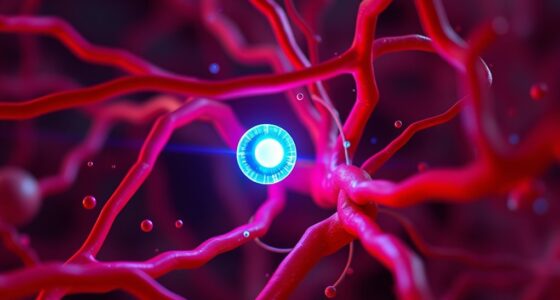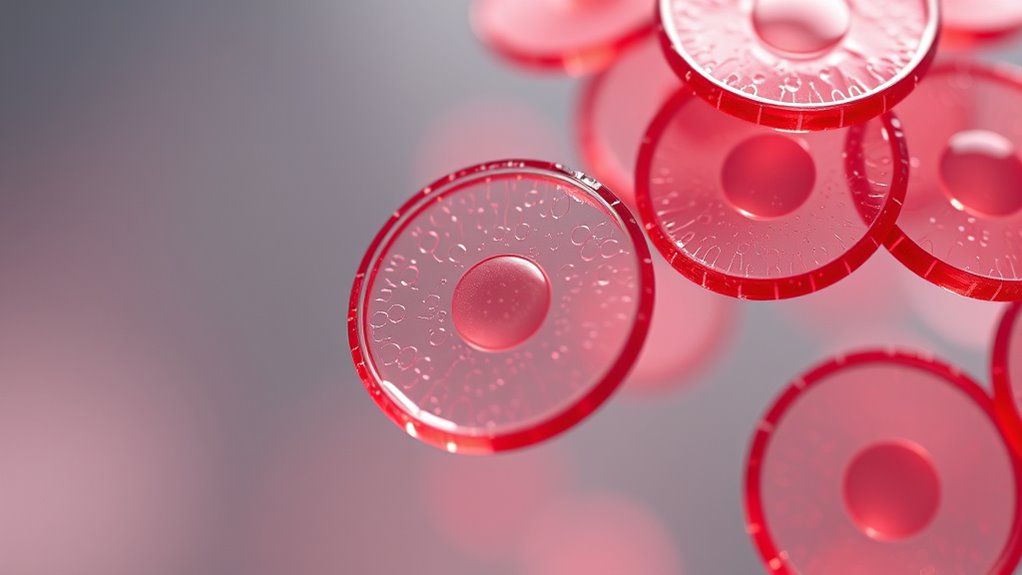

Nano-sized artificial red blood cells are engineered particles that mimic natural RBC functions, designed to transport oxygen efficiently using biocompatible materials like lipids, polymers, and inorganic nanoparticles. They aim to improve medical treatments by offering safer, customizable alternatives to blood transfusions, with potential benefits like targeted delivery and reduced immune reactions. Although promising, they face challenges like ensuring safety, regulatory approval, and manufacturing scalability. If you want to uncover more about their design and future prospects, there’s much more to explore.

Get the latest gadgets delivered free with Prime
- Fast, free delivery on millions of items
- Prime Video, Amazon Music and more included
- Member-only deals all year
Key Takeaways
- Nano-sized artificial red blood cells replicate oxygen transport functions using biocompatible materials like lipids, polymers, and inorganic nanoparticles.
- They utilize advanced fabrication techniques, including nanoparticle coatings and surface modifications, for stability and targeted delivery.
- Quantum effects are leveraged to optimize oxygen binding, release efficiency, and enhance biocompatibility at the nanoscale.
- Safety assessments involve extensive in vitro and in vivo testing to ensure biocompatibility, immune response minimization, and long-term stability.
- Future development focuses on scalable manufacturing, regulatory approval, and ethical considerations to improve blood replacement therapies.
As an affiliate, we earn on qualifying purchases.
The Science Behind Nano-Scale Blood Substitutes
Understanding the science behind nano-scale blood substitutes begins with recognizing how these tiny particles mimic natural red blood cells. Quantum effects play a pivotal role, as they influence how nanoparticles interact with light and biological systems, enabling efficient oxygen transport. These effects help optimize the particles’ stability and functionality at such small scales. However, nanoparticle aggregation poses a significant challenge; when particles clump together, they can lose their effectiveness or cause unintended immune responses. Controlling this aggregation is essential for maintaining consistent performance and safety. Researchers focus on surface modifications and stabilizing agents to prevent clumping, ensuring that these nano-sized substitutes reliably mimic natural blood’s oxygen-carrying capacity. Additionally, understanding nanoparticle stability is crucial to advancing the development of safe, effective artificial blood options.
nano blood substitute research tools
As an affiliate, we earn on qualifying purchases.
As an affiliate, we earn on qualifying purchases.
Design Principles of Artificial Red Blood Cells
Designing artificial red blood cells involves careful consideration of their structural and functional features to effectively replicate natural blood’s oxygen-carrying capabilities. You focus on nanoparticle targeting to guarantee these artificial cells reach specific tissues, enhancing efficiency and reducing side effects. Artificial cell encapsulation plays an essential role by protecting hemoglobin or other oxygen carriers within a biocompatible shell, mimicking natural erythrocytes. The design must balance stability with flexibility, allowing the cells to navigate capillaries smoothly. Surface modifications improve circulation time and immune evasion. You aim for precise control over size, shape, and surface chemistry to optimize functionality. Additionally, high-resolution imaging techniques are employed to monitor the morphology and behavior of these nano-sized cells in circulation, ensuring they meet the desired performance standards. These principles guarantee your nano-sized artificial red blood cells effectively deliver oxygen while maintaining biocompatibility and minimizing immune responses.
biocompatible nanoparticle blood products
As an affiliate, we earn on qualifying purchases.
As an affiliate, we earn on qualifying purchases.
Materials Used in Nano-Constructed Erythrocytes
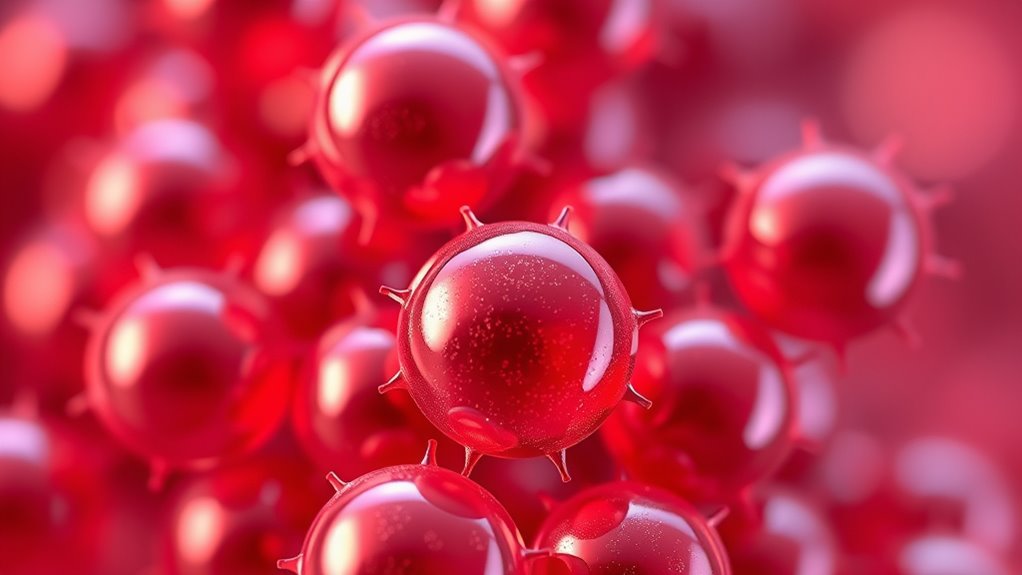
To construct effective nano-sized artificial red blood cells, selecting the right materials is essential. The materials determine their biocompatibility, stability, and functionality in synthetic blood and nanomedicine applications. Here are three key options:
- Lipids and phospholipids – Used to create flexible, cell-like membranes that mimic natural erythrocytes.
- Polymer-based nanocarriers – Such as PLGA or PEG, offering durability and controlled release capabilities.
- Inorganic nanoparticles – Like silica or gold, providing structural support and potential imaging capabilities.
These materials guarantee the artificial cells can circulate effectively, avoid immune detection, and perform their functions in synthetic blood therapies. Incorporating biocompatibility considerations ensures the safety and effectiveness of the artificial blood components. Choosing the right combination advances nanomedicine applications and moves us closer to practical, safe artificial blood substitutes.
As an affiliate, we earn on qualifying purchases.
Mimicking Hemoglobin Function at the Nanoscale
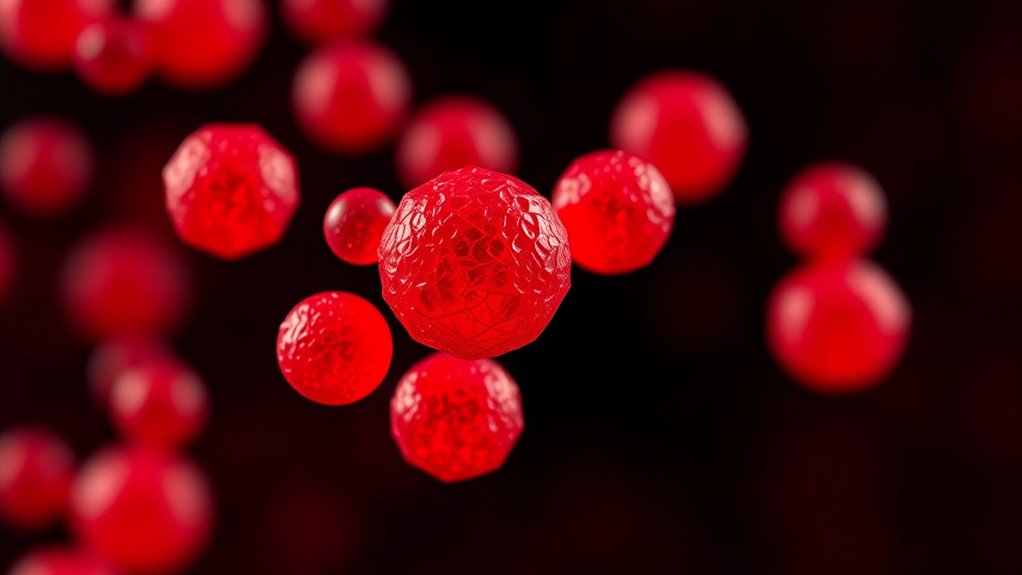
To replicate hemoglobin’s role at the nanoscale, you need to focus on designing molecules that efficiently bind and release oxygen. Achieving high transport efficiency requires stability strategies that keep these artificial proteins functional over time. By understanding these core principles, you can improve the performance and durability of nano-constructed artificial red blood cells. Additionally, implementing automation technologies can assist in precise manufacturing and quality control processes for these nanoscale components.
Hemoglobin Mimicry Design
Hemoglobin’s ability to bind and release oxygen efficiently is essential for oxygen transport in the body, inspiring researchers to develop nano-sized artificial red blood cells. To replicate this, you focus on hemoglobin mimicry design, which involves creating nanoscale structures that imitate natural hemoglobin’s functions. Consider these key points:
- You utilize quantum effects to enhance oxygen binding, mimicking hemoglobin’s conformational changes.
- You address nanoscale toxicity by ensuring biocompatibility, avoiding harmful reactions inside the body.
- You optimize the structure to balance oxygen affinity and release, critical for effective oxygen transport.
Oxygen Transport Efficiency
Building on hemoglobin mimicry design, optimizing oxygen transport efficiency at the nanoscale requires careful control of binding and release dynamics. You need to guarantee that artificial red blood cells can pick up oxygen in the lungs and release it efficiently in tissues, mimicking natural hemoglobin. Achieving this balance involves fine-tuning nanoparticle surface chemistry and controlling oxygen affinity. However, you should also consider nanoparticle toxicity, as unintended interactions could harm the body. Ethical implications come into play if these artificial cells are deployed without thorough safety evaluations or if they compromise natural blood components. Ensuring safety and transparency is essential to gaining public trust. Ultimately, improving oxygen transport efficiency while addressing these concerns is critical for developing effective and responsible nano-blood substitutes.
Nanoscale Stability Strategies
How can artificial red blood cells maintain stability at the nanoscale while effectively mimicking hemoglobin? The key lies in optimizing nanoparticle stability through surface modification. This approach prevents aggregation and degradation, guaranteeing consistent performance. To achieve this, you should focus on:
- Applying surface coatings like PEG to reduce immune recognition and increase circulation time.
- Engineering surface charge and hydrophobicity to enhance stability and prevent nanoparticle aggregation.
- Incorporating stabilizing agents that reinforce nanoparticle integrity without impairing oxygen transport.
These strategies help maintain the structural integrity of nanoscale artificial cells, mimicking hemoglobin’s function more reliably. Proper surface modification not only enhances nanoparticle stability but also ensures safe, efficient oxygen delivery, bringing you closer to effective artificial blood substitutes.
Fabrication Techniques for Nano Artificial Red Blood Cells
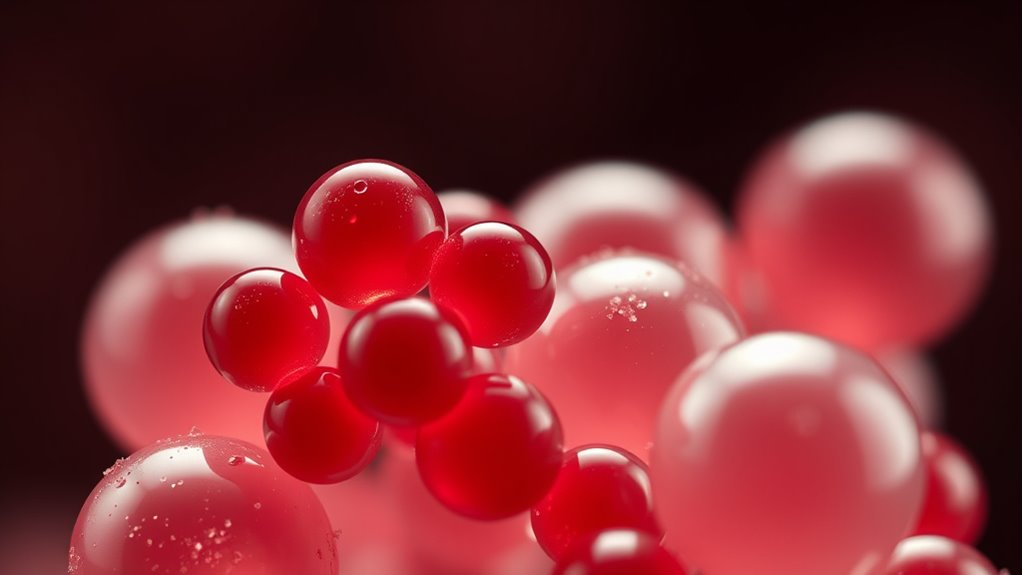
Creating nano-sized artificial red blood cells involves advanced fabrication techniques that precisely control their size, shape, and functional properties. One common approach uses nanoparticle coatings to mimic the cell membrane, providing stability and biocompatibility. These coatings can be engineered to include specific surface markers or functional groups, enhancing targeting capabilities. Magnetic manipulation is another key technique, where magnetic nanoparticles are integrated into the artificial cells, allowing external control over their movement and orientation. This method facilitates targeted delivery and real-time guidance within the bloodstream. Combining nanoparticle coatings with magnetic manipulation enables the production of highly customizable nano red blood cells, ensuring they perform their oxygen transport role efficiently while maintaining stability and functionality during circulation. Additionally, understanding Mazda Tuning techniques can inspire innovative approaches to optimizing the design and functionalization of these nanostructures for improved performance.
Biocompatibility and Safety Considerations

You need to ensure how biocompatibility testing standards ensure these nano-sized artificial red blood cells are safe for use. Long-term safety assessments are essential to identify potential risks over time. Addressing these points helps build confidence in their clinical application. Incorporating regulatory frameworks and adhering to industry standards can further enhance the safety profile of these nanomaterials.
Biocompatibility Testing Standards
Establishing robust biocompatibility testing standards is essential to guarantee the safety and effectiveness of nano-sized artificial red blood cells. You need to assess how the nanoparticle surface interacts with biological systems, as surface properties influence immune response. To do this effectively, consider these key aspects:
- Surface characterization: Confirm that the nanoparticle surface minimizes immune activation and unwanted reactions.
- In vitro assays: Test immune cell responses to identify potential inflammatory reactions.
- In vivo evaluations: Observe immune response and biodistribution patterns to ensure safety.
Long-term Safety Assessments
Evaluating the long-term safety of nano-sized artificial red blood cells is crucial to guarantee they remain biocompatible over extended periods. You need to appraise nanoparticle toxicity carefully, as prolonged exposure may cause unforeseen adverse effects. Continuous monitoring helps identify potential immune responses or cellular damage that could compromise safety. Long-term biocompatibility assessments involve tracking how these artificial cells interact with the body over time, ensuring they do not accumulate or induce toxicity. It’s necessary to understand how the body’s systems respond after repeated or prolonged use. Addressing these safety considerations ensures that nano-sized artificial red blood cells can be safely integrated into clinical applications, minimizing risks and optimizing their therapeutic potential for long-term treatments.
Potential Advantages Over Traditional Blood Transfusions
Nano-sized artificial red blood cells offer several advantages over traditional transfusions, primarily because they can be engineered to overcome some limitations of donor blood. First, they reduce the risk of nanoparticle toxicity by being designed with biocompatible materials, minimizing adverse reactions. Second, they eliminate dependence on donor availability, ensuring consistent supply during emergencies or shortages. Third, these artificial cells can be customized to enhance oxygen delivery and lifespan, improving patient outcomes. Additionally, ongoing research into nanotechnology safety emphasizes the importance of rigorous testing to prevent unintended health risks. However, ethical considerations arise regarding the use of nanotechnology, and ensuring safety is vital. Overall, these innovations promise safer, more reliable transfusions, but addressing nanoparticle toxicity and ethical concerns remains essential for widespread adoption.
Challenges in Clinical Implementation
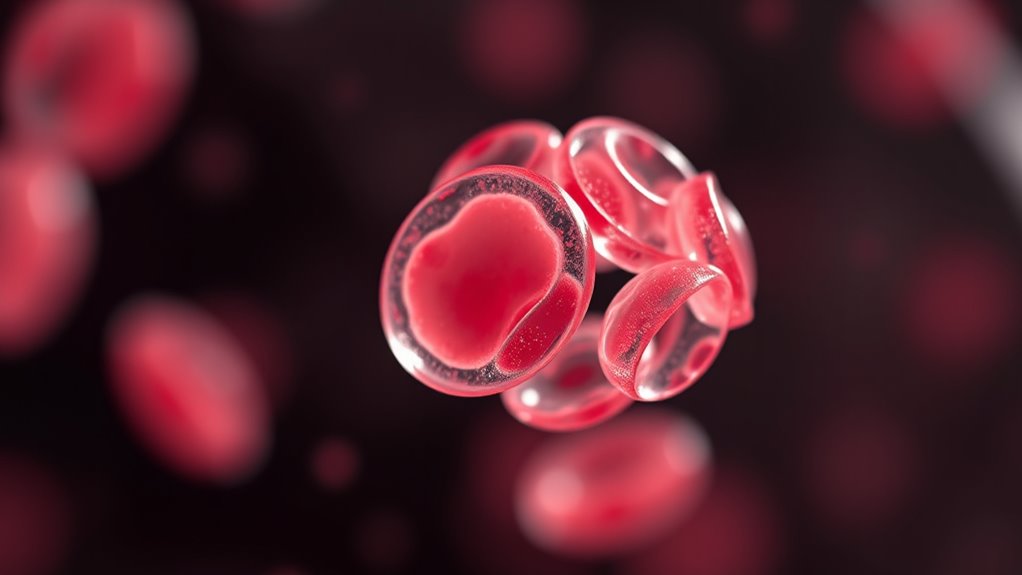
You’ll need to overcome several hurdles before nano-sized artificial red blood cells can become routine in clinics. Ensuring consistent manufacturing, confirming biocompatibility and safety, and steering regulatory approval are major challenges. Addressing these issues is vital for translating this promising technology into real-world medical use. Additionally, navigating the asset division process efficiently can help allocate resources effectively during development and deployment.
Manufacturing Consistency Challenges
Ensuring manufacturing consistency for nano-sized artificial red blood cells presents a significant hurdle in their clinical adoption. Variability in production can compromise their effectiveness and safety. To address this, focus on these key challenges:
- Maintaining precise manufacturing consistency across batches to guarantee uniform size, shape, and functionality.
- Implementing rigorous quality control measures to detect and eliminate defective units.
- Standardizing processes to reduce variability caused by complex fabrication techniques.
These steps are essential for reliable clinical application. Without strict quality control, inconsistencies can lead to unpredictable performance or adverse reactions. Achieving reproducibility at a nanoscale level demands advanced techniques and meticulous monitoring, making manufacturing consistency a critical factor in bringing nano-sized artificial red blood cells from lab to clinic.
Biocompatibility and Safety
Although nano-sized artificial red blood cells hold great promise, their biocompatibility and safety remain primary concerns for clinical use. You need to consider how the immune response might recognize these nanoparticles as foreign, potentially triggering inflammation or rejection. Ensuring that these artificial cells don’t provoke adverse immune reactions is vital for patient safety. Additionally, ethical considerations come into play when developing and deploying such technologies, especially regarding long-term effects and potential environmental impacts. You must evaluate whether the benefits outweigh the risks and address issues related to consent and accessibility. Rigorous testing is essential to confirm that these nano-constructs are safe and compatible with human biology before widespread clinical application.
Regulatory Approval Processes
Navigating the regulatory approval process for nano-sized artificial red blood cells presents significant challenges due to their complex nature and novelty. You must understand the regulatory pathways, which vary across regions and can be lengthy. Approval challenges include demonstrating safety, efficacy, and manufacturing consistency. To succeed, you should focus on:
- Clarifying the specific regulatory pathways for nanomedicine products.
- Providing exhaustive safety and efficacy data to meet approval standards.
- Ensuring scalable, reproducible manufacturing processes aligned with regulatory requirements.
These hurdles demand thorough documentation and rigorous testing. Regulatory agencies scrutinize these innovative therapies closely, making approval processes more intricate. Overcoming these approval challenges is essential for translating nano-sized artificial red blood cells from research to widespread clinical use.
Future Directions and Emerging Technologies

Emerging technologies are poised to revolutionize the development of nano-sized artificial red blood cells, opening new possibilities for medical treatment. Advances in nanoparticle customization allow you to tailor artificial blood components for specific functions, such as enhanced oxygen delivery or targeted therapy. These innovations could lead to more effective and safer transfusions, reducing side effects and improving compatibility. Additionally, the artificial blood marketing landscape is expected to expand as these technologies mature, making nano-blood products more accessible and affordable. You might see personalized blood substitutes designed for individual needs, driven by rapid manufacturing techniques and improved biocompatibility. For example, performance kits in vehicle tuning demonstrate how innovative modifications can optimize function and efficiency, paralleling how artificial blood technologies aim to enhance medical performance. Overall, these emerging technologies promise to transform how you approach blood replacement therapies, making them more precise, reliable, and adaptable to future medical challenges.
Ethical and Regulatory Aspects of Nano Blood Components
As nano-sized artificial red blood cells move closer to widespread clinical use, addressing their ethical and regulatory challenges becomes increasingly important. You must consider how informed consent is obtained, ensuring patients understand potential risks and benefits. Additionally, patent considerations come into play, as innovation in nano blood components may lead to intellectual property disputes. To navigate these issues, focus on: 1. Ensuring transparent communication about risks, fostering trust through clear informed consent processes. 2. Establishing regulations that balance innovation with safety, preventing misuse or unintended consequences. 3. Addressing patent considerations to encourage development while preventing monopolies that could limit access. Incorporating insights from the Vetted – Grobal World on diverse approaches to safety and environmental considerations can further inform regulatory frameworks.
Frequently Asked Questions
How Long Do Nano Artificial Red Blood Cells Last in the Bloodstream?
Nano-sized artificial red blood cells typically last about 120 days in your bloodstream, similar to natural cells. Their circulation lifespan depends on their degradation rate, which can vary based on design and materials used. These artificial cells are engineered to resist rapid breakdown, but eventually, your body clears them out. Properly designed, they can provide effective oxygen transport during their circulation lifespan, reducing the need for frequent transfusions.
Can Nano Blood Substitutes Be Used for All Blood Types?
Ever wonder if nano blood substitutes can be used for all blood types? They can, thanks to their potential as universal donors. These artificial cells are designed to bypass blood type compatibility issues, making them highly versatile in emergencies. While they aren’t perfect medicine yet, their development aims to create a blood substitute that anyone can safely receive, reducing delays and saving lives regardless of blood type.
What Are the Storage Requirements for Nano Artificial Red Blood Cells?
You need to store nano artificial red blood cells under strict temperature control to guarantee ideal storage stability. Typically, they require refrigeration at specific temperatures, often around 2-8°C, to prevent degradation and maintain functionality. Avoid freezing or high temperatures, as these can compromise their effectiveness. Proper storage conditions are essential for preserving their safety and efficacy until you’re ready to use them, ensuring they remain effective when needed.
How Do Nano Blood Cells Interact With the Immune System?
You might wonder how nano blood cells interact with your immune system. They’re designed to minimize immune response by mimicking natural red blood cells, avoiding cell recognition issues. This way, your immune system doesn’t see them as foreign invaders. Their nano size helps them evade detection, reducing immune response and enhancing compatibility. As a result, they circulate longer, efficiently delivering oxygen without triggering immune-related complications.
Are There Any Known Long-Term Health Risks Associated With Nano Blood Transfusions?
You might wonder if long-term health risks exist with nano blood transfusions. While research is ongoing, potential nanoparticle toxicity and immune response risks are concerns, as these tiny particles could accumulate or trigger unintended reactions over time. Currently, there’s limited data, so it’s crucial to monitor patients closely and continue studies to guarantee safety. Consult your healthcare provider for personalized information and updates on ongoing research.
Conclusion
You can harness nano-sized artificial red blood cells to revolutionize transfusions, improve safety, and extend availability. By mimicking natural functions, utilizing innovative materials, and refining fabrication techniques, you pave the way for safer, more efficient treatments. Embrace the potential of nano blood components to transform healthcare, to enhance patient outcomes, and to push the boundaries of medical science. Ultimately, these tiny innovations promise big impacts on life-saving therapies.
Halloween Picks
halloween
As an affiliate, we earn on qualifying purchases.