

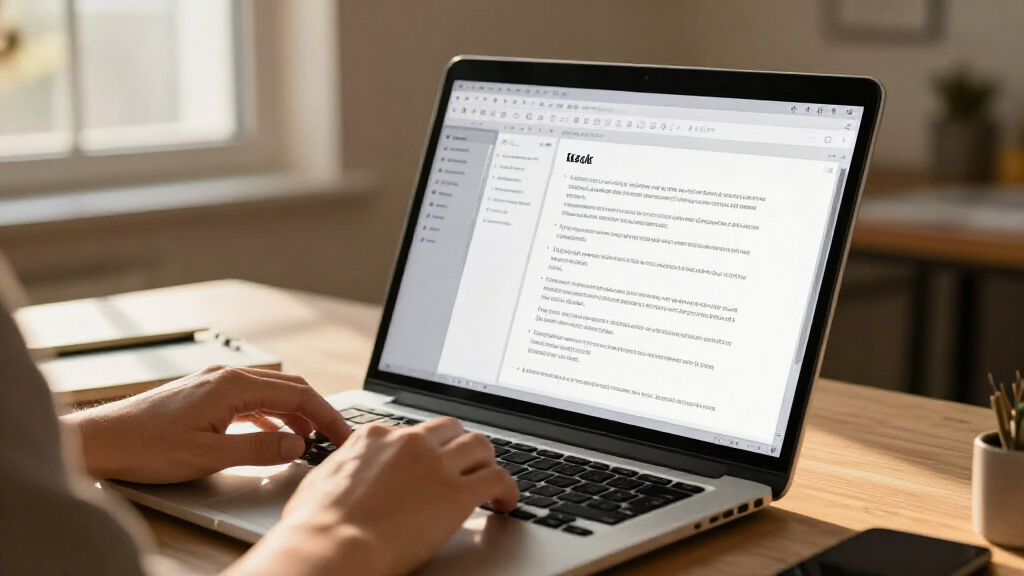
An October 2026 arXiv preprint compares 14 language models with human writing and identifies six patterns that may make AI text harder to read.
The Latest
A Better Read For AI Text: Six Patterns To Fix
12 Guides For Exploring AI Voice Cloning Software In 2027
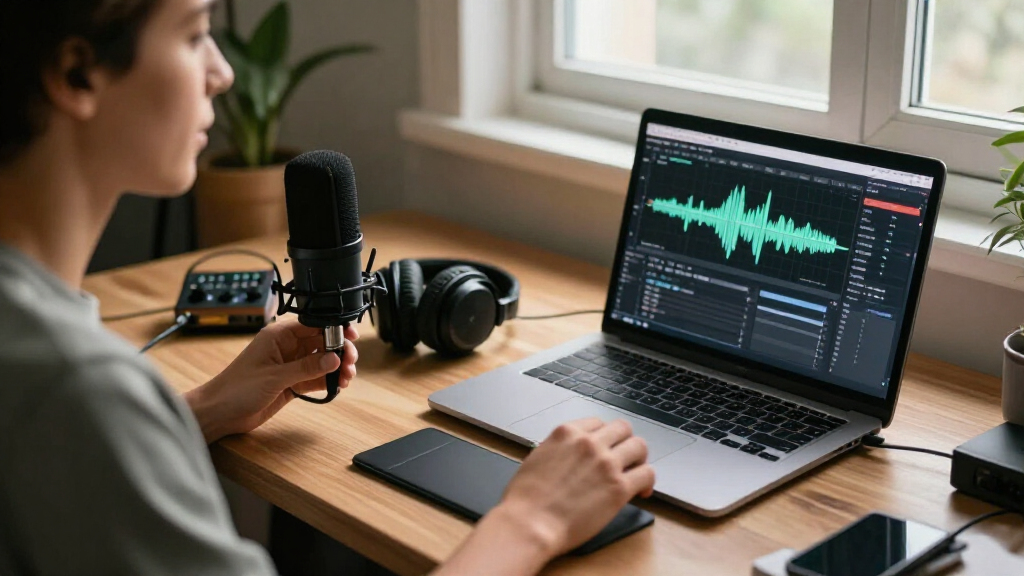
A comparison of 12 books and guides for learning voice cloning, from ElevenLabs workflows to Python implementation and beginner projects.
Why Work With Academic Communities To Explore AI?

OpenAI has published a page about working with academic communities, but available details do not identify partners, projects or results.
12 Best Wireless Earbuds With Active Noise Cancellation in 2027

Compare 12 wireless earbuds with active noise cancellation, from premium noise control to value picks, sport-friendly hooks, and Apple options.
The Investor Warnings Behind Anthropic’s Public Offering Plans

Anthropic’s preliminary SEC filing reports rapid revenue growth, a large accounting loss and governance limits. Offering terms remain undisclosed.
Why 60,000 Buyout Offers Matter To Big Tech’s AI Plans
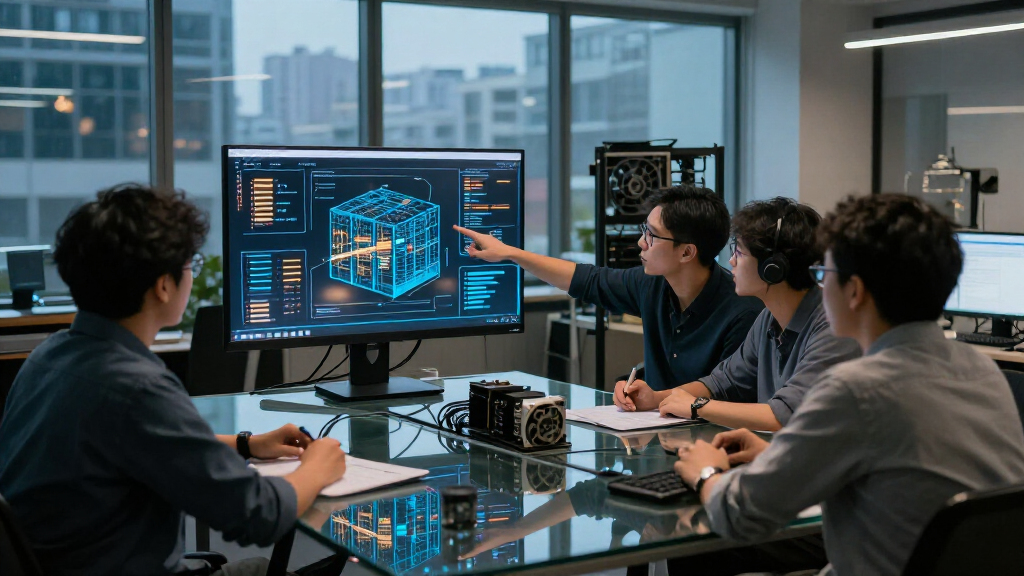
Microsoft offered voluntary exits to about 60,000 staff as Meta disclosed plans to raise up to $95 billion amid heavy AI infrastructure spending.
What Fans Reject About AI: Questions Of Credit, Consent And Trust
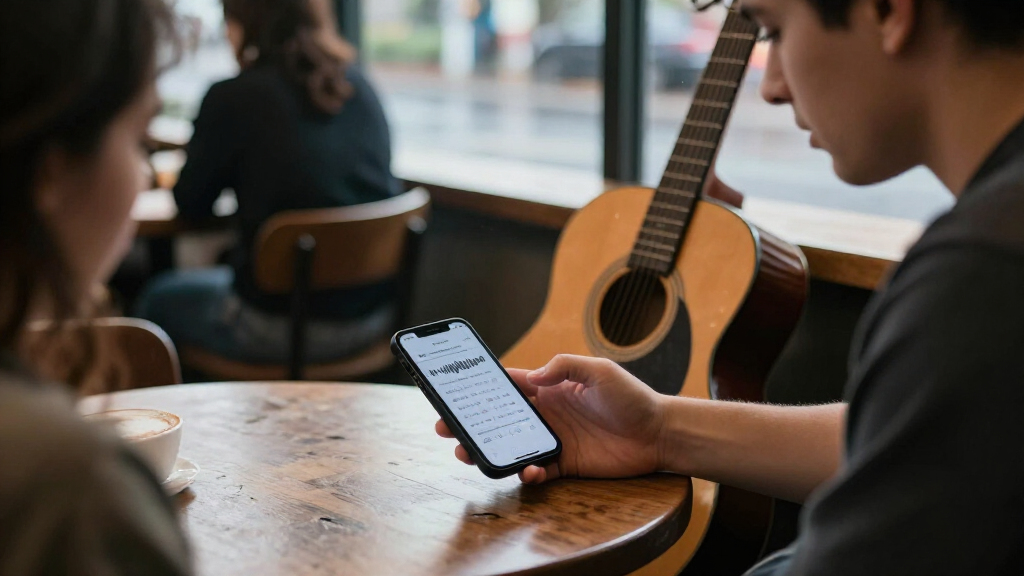
Recent disputes over AI-made film, a proposed Ozzy Osbourne avatar and alleged video copying center on consent, credit and audience trust.
IBM’s CEO Says Open-Weight AI Is Nearing An On-Prem Moment
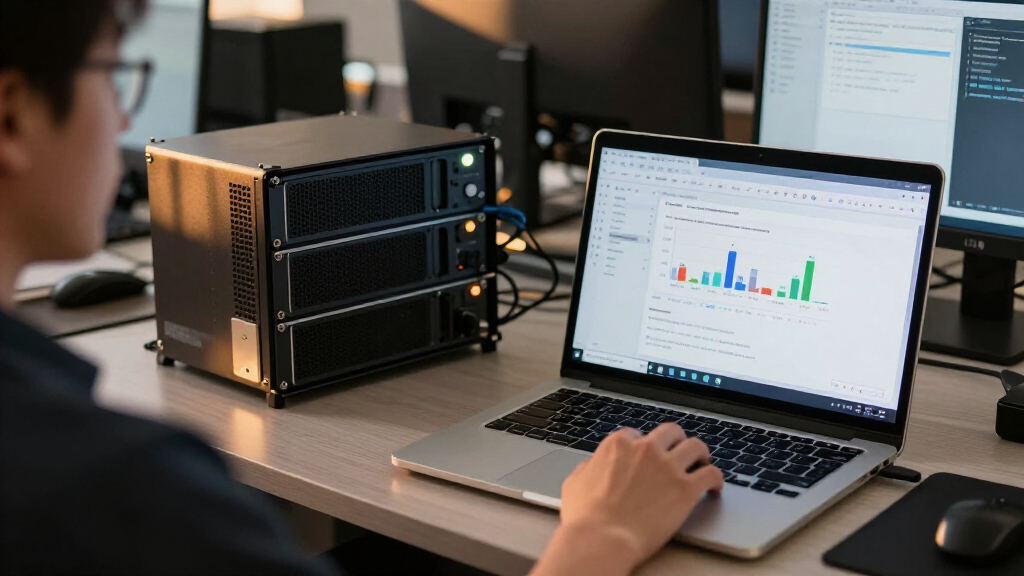
IBM CEO Arvind Krishna says open models can cut token costs, but benchmark results and hardware economics complicate the on-prem case.
What Makes GPT-6.1 Terra A Potentially Affordable Workhorse?

OpenAI launched GPT-6.1 Terra at lower token prices. Independent tests suggest low and medium settings offer its strongest cost efficiency.
Why Walmart Lets AI Shopping Agents In While Amazon Blocks Them

Walmart is creating an approved route for AI shopping agents, while Amazon blocks Meta’s Muse. The split puts customer access and control at stake.