

Nanocatalysts are essential for green chemistry because they make chemical processes more sustainable, efficient, and eco-friendly. They offer a large surface area, enabling faster reactions with higher selectivity at lower energies and temperatures. By using green synthesis methods, these nanocatalysts minimize waste and toxic by-products. They also allow easier separation and recycling, reducing environmental impact. Continue exploring to discover how nanocatalysts are shaping a cleaner, greener future in industry and environmental management.

Get the latest gadgets delivered free with Prime
- Fast, free delivery on millions of items
- Prime Video, Amazon Music and more included
- Member-only deals all year
Key Takeaways
- Nanocatalysts enable more sustainable chemical reactions by increasing efficiency, reducing energy consumption, and minimizing hazardous waste.
- Green synthesis methods for nanocatalysts utilize eco-friendly solvents, biological materials, and energy-efficient processes.
- Their large surface area enhances selectivity and reaction rates, promoting greener industrial and environmental applications.
- Magnetic and recyclable nanocatalysts facilitate easy separation, reducing resource use and supporting circular economy principles.
- Ongoing research emphasizes eco-conscious production, responsible use, and recycling to align nanocatalyst development with green chemistry goals.
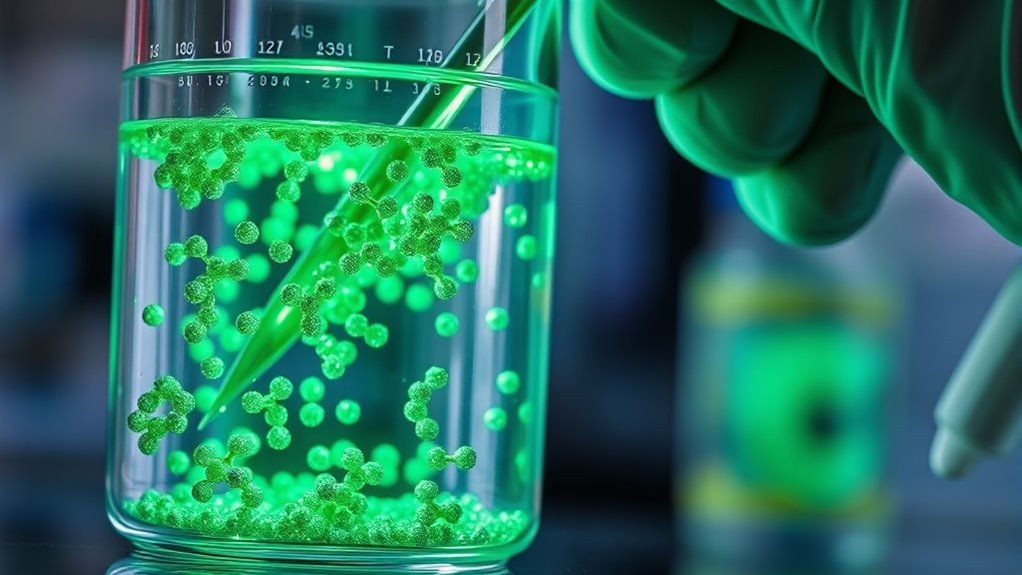
Green chemistry aims to reduce environmental impact by designing sustainable chemical processes, and nanocatalysts play an essential role in this effort. One of the key aspects of advancing green chemistry is nanoparticle synthesis, which involves creating tiny particles with precise control over size, shape, and surface properties. These nanoparticles serve as highly efficient catalysts because their large surface area enhances reactivity, often surpassing traditional catalysts. By focusing on eco-friendly catalysis, scientists like you can develop processes that minimize hazardous waste, lower energy consumption, and reduce the use of toxic chemicals. The synthesis methods for nanoparticles are evolving to prioritize sustainability, employing green solvents, reducing energy input, and utilizing renewable materials whenever possible. Techniques such as aqueous synthesis, biological methods, and microwave-assisted procedures are gaining popularity because they align with eco-friendly principles while producing high-quality nanocatalysts.
When you choose to employ nanocatalysts for chemical reactions, you leverage their unique properties to make processes more sustainable. These catalysts facilitate reactions at lower temperatures and pressures, substantially cutting down on energy use. Their high surface area allows for greater contact with reactants, enhancing efficiency and selectivity. This not only accelerates reactions but also minimizes by-products and waste. Such improvements are especially essential when aiming for eco-friendly catalysis, as they contribute to reducing the environmental footprint of industrial processes. You can also tailor nanocatalysts for specific reactions, optimizing performance while adhering to green chemistry principles. For example, magnetic nanocatalysts enable easy separation from reaction mixtures, reducing the need for harmful solvents and simplifying recycling efforts. Additionally, advances in sustainable nanoparticle synthesis techniques ensure that nanocatalysts continue to align with the core goals of green chemistry.
Implementing nanocatalysts in industrial applications demonstrates their potential for sustainable development. You can design processes that rely less on scarce or toxic materials, making the entire cycle more environmentally friendly. Additionally, the development of biocompatible nanocatalysts opens doors for greener pharmaceutical manufacturing and environmental remediation. The ongoing research into eco-friendly nanoparticle synthesis techniques ensures that nanocatalysts continue to align with the core goals of green chemistry. By embracing these innovations, you contribute to a future where chemical processes are safer, cleaner, and more sustainable. As you explore the vast potential of nanocatalysts, remember that their successful integration depends on thoughtful synthesis, responsible use, and a commitment to minimizing environmental impact—all hallmarks of true green chemistry.
nanocatalysts for green chemistry
As an affiliate, we earn on qualifying purchases.
As an affiliate, we earn on qualifying purchases.
Frequently Asked Questions
How Do Nanocatalysts Compare to Traditional Catalysts in Toxicity Levels?
You’ll find nanocatalysts generally have lower toxicity levels compared to traditional catalysts, thanks to their enhanced efficiency and reduced need for hazardous chemicals. When conducting toxicity assessments, you’ll notice they often meet or surpass regulatory standards more easily. This means you can use nanocatalysts to promote safer, greener processes, minimizing environmental and health risks while maintaining effective catalytic performance.
What Are the Long-Term Environmental Impacts of Nanocatalyst Use?
You should know that over 80% of nanomaterials persist in the environment, raising concerns about long-term impacts. Nanocatalysts could lead to environmental persistence, meaning they might stay in ecosystems for years. Ecotoxicity concerns also grow as these tiny particles could harm aquatic life and soil organisms. While promising for green chemistry, their long-term environmental effects require careful study to prevent unintended ecological consequences.
Can Nanocatalysts Be Recycled Efficiently Without Losing Activity?
Yes, nanocatalysts can be recycled efficiently without losing activity, but it depends on their design and application. You should focus on improving nanocatalyst longevity to minimize recycling challenges. Proper recovery methods and surface modifications help maintain their activity over multiple cycles. Although some loss is inevitable, ongoing research aims to enhance stability and recyclability, making nanocatalysts more sustainable and cost-effective in the long run.
Are There Any Safety Concerns for Workers Handling Nanocatalysts?
You should be aware that handling nanocatalysts poses safety concerns related to workplace exposure, as their small size can lead to inhalation or skin contact. To protect yourself, follow strict safety protocols like using proper personal protective equipment and working in well-ventilated areas. Regular training and proper disposal procedures are essential to minimize risks, ensuring safe handling and reducing potential health hazards associated with nanocatalysts.
How Cost-Effective Is Large-Scale Production of Nanocatalysts?
Scaling challenges and manufacturing costs markedly impact the cost-effectiveness of large-scale nanocatalyst production. You might find that initial setup expenses are high due to specialized equipment and precise control requirements. However, as production scales up, costs can decrease through economies of scale and process optimization. While still potentially expensive initially, investing in efficient manufacturing methods can make large-scale nanocatalyst production more economically viable over time.
magnetic recyclable nanocatalysts
As an affiliate, we earn on qualifying purchases.
As an affiliate, we earn on qualifying purchases.
Conclusion
By harnessing nanocatalysts, you’re opening the ultimate green revolution that could save the planet itself! Imagine cutting down toxic waste, slashing energy use, and transforming industries overnight—all with tiny particles that pack a punch. This isn’t just innovation; it’s a game-changer so powerful, it’s like giving Mother Nature a turbo boost. Embrace green chemistry now, and you’re not just making a difference—you’re rewriting the future of our world in ways you never thought possible!
eco-friendly nanoparticle synthesis kit
As an affiliate, we earn on qualifying purchases.
As an affiliate, we earn on qualifying purchases.
biocompatible nanocatalysts for industrial use
As an affiliate, we earn on qualifying purchases.
As an affiliate, we earn on qualifying purchases.
Halloween Picks
halloween
As an affiliate, we earn on qualifying purchases.