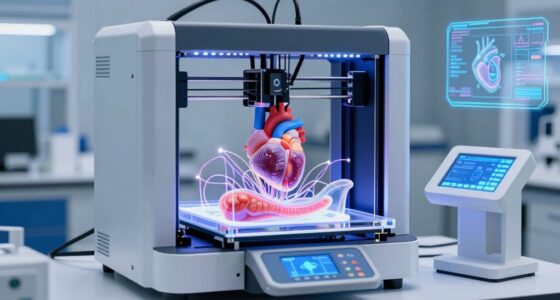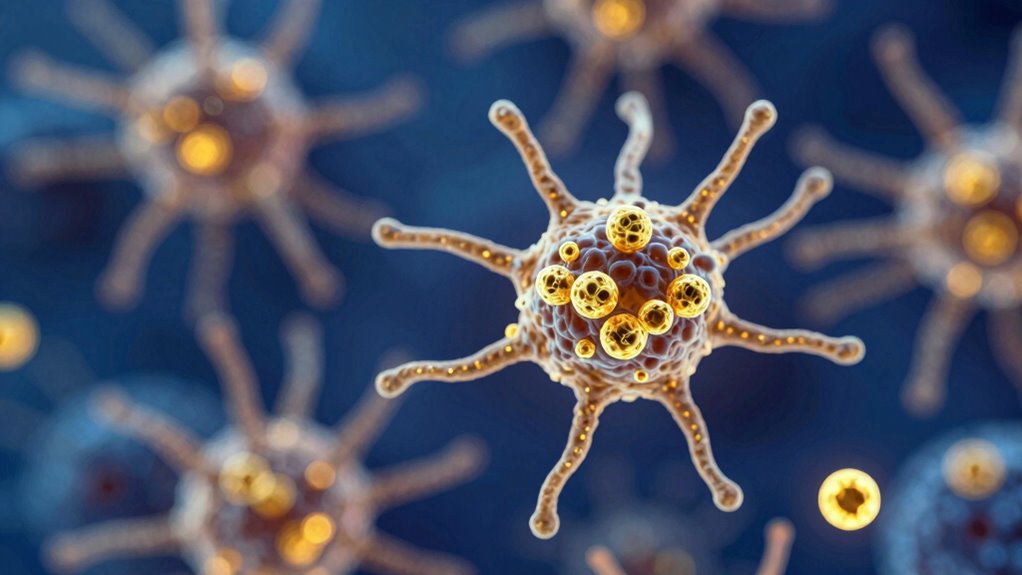

Nano-immunotherapy uses tiny particles called nanocarriers to deliver cancer vaccines directly to tumors and immune cells, boosting how your body fights cancer. These nanoscale vaccines can carry fragile molecules like mRNA or peptides, improve targeting, and reduce side effects. Advances include smart delivery systems and personalized approaches, showing promising clinical results. If you want to explore how this innovative technology could transform cancer treatment, there’s more to uncover about its potential.
Key Takeaways
- Nano-immunotherapy uses nanocarriers like liposomes and exosomes to deliver cancer vaccines directly to tumors and lymph nodes.
- Nanoparticles enhance vaccine stability, targeting accuracy, and sustained release, improving immune activation against cancer cells.
- Nanoscale vaccines can include tumor-specific neoantigens, boosting personalized immune responses with minimal side effects.
- Combining nanovaccines with immune checkpoint inhibitors or other therapies can synergistically improve treatment outcomes.
- Advances in nanotechnology enable minimally invasive, durable cancer vaccines tailored for precise and effective immunotherapy.
cancer vaccine nanocarriers
As an affiliate, we earn on qualifying purchases.
As an affiliate, we earn on qualifying purchases.
Understanding Nano-Immunotherapy and Its Foundations

Nano-immunotherapy is an innovative approach that combines nanotechnology, immunology, and oncology to improve cancer treatment. You leverage nanoparticles to deliver immune agents directly to tumors, reducing side effects and increasing stability. These tiny carriers target the tumor microenvironment, helping to inhibit tumor growth and prevent immune evasion. By using nanomedicines like liposomes, nanoparticle vaccines, and gene delivery systems, you can modulate the immune system to mount a stronger attack against cancer cells. This strategy enhances key steps in the cancer-immunity cycle, such as antigen release and T cell activation. Additionally, the integration of nanotechnology facilitates the development of energy-efficient delivery systems that minimize environmental impact. Advances in nanoscience continue to drive innovations that make nano-immunotherapy more effective and accessible. For example, the design of targeted delivery systems ensures that therapeutic agents reach specific tumor sites with minimal off-target effects. Moreover, ongoing research aims to optimize biocompatibility and reduce potential toxicity of nanomaterials, further improving treatment safety. The manufacturing processes for nanomaterials are also evolving to ensure scalability and quality control. Nano-immunotherapy offers a promising path toward more effective and targeted cancer treatments.
liposome nanoparticle cancer vaccine
As an affiliate, we earn on qualifying purchases.
As an affiliate, we earn on qualifying purchases.
How Nanoparticles Revolutionize Cancer Vaccines

Nanoparticles are transforming cancer vaccines by enhancing their delivery, stability, and effectiveness. They enable precise targeting of tumor sites, ensuring immune agents reach their intended destination. This focused delivery improves antigen presentation, leading to a stronger immune response. Nanoparticles protect fragile vaccine components like mRNA and peptides from degradation, increasing their lifespan and potency. They also facilitate sustained release, reducing the need for multiple doses. By accumulating in lymph nodes, nanoparticles optimize immune cell activation and proliferation. Their ability to deliver high antigen loads with controlled release enhances immunogenicity. Additionally, nanoparticles minimize off-target effects and toxicity, making treatments safer. Lymph node targeting is a key advantage that improves overall vaccine performance. The use of targeted delivery systems allows for more precise and effective immunotherapy strategies. This technology also opens new possibilities for personalized cancer immunotherapy, tailoring treatments to individual patient profiles. Furthermore, the development of biocompatible nanomaterials ensures enhanced safety profiles for clinical applications. Overall, this nanotechnology-driven approach increases vaccine efficacy, promotes long-lasting immunity, and supports personalized cancer immunotherapy strategies. The integration of Free Floating nanoparticles also allows for adaptable design, which can be tailored to individual patient needs.
personalized cancer immunotherapy kit
As an affiliate, we earn on qualifying purchases.
As an affiliate, we earn on qualifying purchases.
Enhancing Immune Response Through Nanoscale Delivery Systems

Leveraging nanoscale delivery systems markedly boosts the immune response by ensuring that immune agents reach their target sites with high efficiency. These systems protect delicate molecules like vaccines, cytokines, and antibodies from degradation, increasing their stability and bioavailability. By precisely directing these agents to tumors or lymph nodes, you enhance antigen presentation and T cell activation. Nanosystems facilitate sustained release, prolonging immune stimulation and reducing the need for multiple doses. They also improve lymph node retention, which is pivotal for initiating robust immune responses. Additionally, nanoscale carriers help minimize off-target effects, lowering toxicity risks. Smart delivery nanocarriers are designed to respond to specific biological cues, further enhancing targeting precision. Advances in nanocarrier design continue to improve delivery efficiency and therapeutic outcomes. Furthermore, ongoing research aims to develop biocompatible materials for safer and more effective nanosystems. Incorporating targeted delivery strategies can further optimize immune system engagement and response. Overall, these delivery systems optimize the delivery and effectiveness of immunotherapies, creating a more potent, targeted, and durable antitumor immune response.
mRNA cancer vaccine delivery system
As an affiliate, we earn on qualifying purchases.
As an affiliate, we earn on qualifying purchases.
Types of Nanoparticles Used in Cancer Immunotherapy

Various types of nanoparticles have been developed to enhance cancer immunotherapy by delivering immune agents precisely to tumor sites. Liposomes are widely used because they can carry both hydrophilic and hydrophobic drugs, improving stability and targeting. Polymeric nanoparticles, such as PLGA, allow controlled release of vaccines and cytokines, boosting immune responses. Lipid nanoparticles protect mRNA from degradation and facilitate cellular entry, making them ideal for vaccine delivery. Exosomes naturally shuttle proteins and nucleic acids, offering biocompatibility and targeting capabilities. Microneedle patches and injectable hydrogels enable sustained release and minimally invasive administration. Platelets are used to deliver immune checkpoint inhibitors directly to circulating tumor cells. Each nanoparticle type offers unique advantages, enabling tailored strategies to optimize immune activation and tumor targeting. Understanding nanoparticle properties is essential for designing effective nano-immunotherapies.
Practical Applications and Clinical Successes
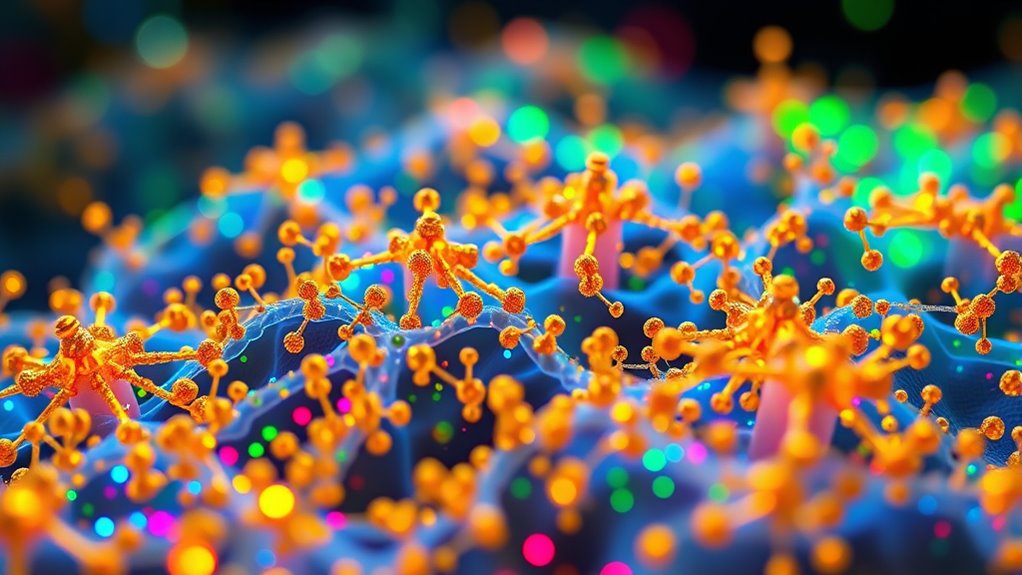
In clinical settings, nano-immunotherapy has demonstrated promising results across multiple cancer types, transforming experimental approaches into viable treatments. You can see significant tumor shrinkage and improved survival rates, especially in melanoma and breast cancer patients. Nanoparticle-based vaccines stimulate robust immune responses, with some trials reporting response rates of 40-50% in melanoma. CAR-T cell therapies enhanced with nanocarriers have achieved up to 82.5% remission in childhood leukemia. Liposomal formulations deliver immune checkpoint inhibitors directly to tumors, reducing side effects and increasing efficacy. Additionally, neoantigen delivery systems activate dendritic cells, promoting strong CD8+ T cell responses. These advances are already shaping treatment protocols, offering personalized options with fewer adverse effects and longer-lasting immunity. The development of targeted delivery systems for healthcare facilities ensures safe management of these advanced therapies.
Overcoming Challenges and Limitations in Nano-Immunotherapy

Despite the promising potential of nano-immunotherapy, several challenges hinder its widespread clinical adoption. You face issues like unpredictable biodistribution, potential toxicity, and immune-related adverse effects. Achieving precise targeting and controlled release remains complex, risking off-target effects. Manufacturing consistency and scalability are hurdles for large-scale production. Additionally, regulatory pathways are still evolving, delaying approval. To overcome these challenges, focus on:
Nano-immunotherapy faces challenges like biodistribution, toxicity, targeting precision, manufacturing, and regulatory hurdles.
- Improving nanoparticle stability and biocompatibility
- Developing standardized manufacturing processes
- Enhancing targeting precision with surface modifications
- Conducting comprehensive safety and toxicity studies
- Streamlining regulatory approval pathways
- Incorporating scalable manufacturing and best practices to optimize safety protocols and ensure adaptability to diverse clinical settings. Emphasizing quality control throughout production can further enhance reliability and reproducibility of nano-immunotherapy products. Moreover, integrating advanced quality assurance techniques can help detect and mitigate batch-to-batch variability. Implementing robust quality management systems can also support consistent production standards.
Addressing these issues will help you access nano-immunotherapy’s full potential and facilitate its shift from research to routine clinical use.
Future Directions and Innovations in Nanoscale Cancer Vaccines
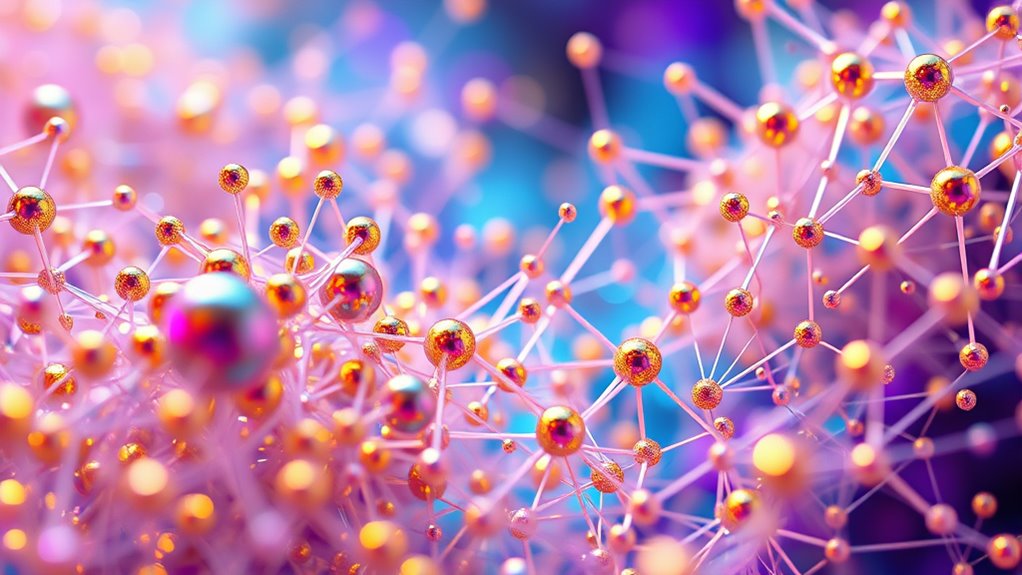
Future innovations in nanoscale cancer vaccines will focus on personalized approaches that tailor treatments to individual tumor profiles. You’ll see greater integration of nanotechnology with other therapies, such as immunomodulators and chemotherapeutics, to enhance effectiveness. These advancements aim to create more precise, durable, and minimally invasive cancer immunotherapies. Additionally, ongoing research into best airless paint sprayers and their improved designs may inspire new delivery mechanisms for nanomedicine, potentially boosting vaccine accuracy and efficiency.
Personalized Nano-Vaccine Strategies
Advancements in nanotechnology are driving the development of personalized nano-vaccine strategies that tailor cancer immunotherapy to individual patient profiles. You can harness these innovations to design vaccines based on unique tumor antigens, improving specificity and effectiveness. These strategies include customizing nanoparticle formulations, selecting ideal delivery routes, and modulating immune responses for each patient.
- Using patient-derived neoantigens for targeted vaccine design
- Engineering nanoparticles for precise antigen presentation
- Combining multiple tumor-specific markers for broader coverage
- Incorporating adjuvants to boost immune activation selectively
- Personalizing delivery methods to enhance lymph node targeting
- Understanding biomarker profiles helps optimize personalized vaccine approaches.
Integration With Other Therapies
Integrating nanoscale cancer vaccines with other therapies opens new avenues to enhance treatment efficacy and overcome tumor resistance. By combining nanomedicines with immune checkpoint inhibitors, chemotherapies, or radiation, you can target multiple tumor mechanisms simultaneously. For example, nanoparticles can deliver antigens while co-administering cytokines or chemotherapeutics to boost immune activation or reduce immunosuppression. This synergy can improve antigen presentation, T cell infiltration, and tumor destruction. Additionally, integrating nanovaccines with adoptive cell therapies like CAR-T can enhance targeting and persistence. You can also harness nanocarriers to modulate the tumor microenvironment, making it more receptive to immune responses. Incorporating expert reviews and user-voted top recommendations can further guide the development of effective combination strategies. These combination strategies hold promise for durable, personalized treatments, minimizing side effects and reducing the likelihood of tumor escape.
The Potential Impact on Personalized Cancer Treatment

You can leverage customizable nanoparticle designs to tailor treatments specifically to a patient’s tumor profile, enhancing effectiveness. Targeted immune activation guarantees that only cancer cells are attacked, minimizing damage to healthy tissue. This precision approach not only boosts outcomes but also reduces side effects, making cancer therapy more personalized and tolerable.
Customizable Nanoparticle Design
Customizable nanoparticle design holds significant promise for advancing personalized cancer treatment by allowing therapies to be tailored to individual patient profiles. You can modify nanoparticles to optimize delivery, release rates, and immune activation based on genetic or tumor-specific markers. This flexibility enables precise targeting of tumor cells while minimizing side effects. You might:
- Adjust surface ligands to recognize unique tumor antigens
- Fine-tune size and shape for enhanced tissue penetration
- Incorporate patient-specific neoantigens for personalized vaccines
- Control drug release profiles to match treatment needs
- Attach imaging agents for real-time monitoring of therapy response
Targeted Immune Activation
Targeted immune activation with nano-immunotherapy holds great promise for transforming personalized cancer treatment by precisely directing the immune system to tumor sites. You can enhance the immune response by delivering agents directly where they’re needed, minimizing off-target effects. Nanoparticles improve antigen presentation, stimulate T cell activation, and counteract immunosuppressive microenvironments. This approach allows for tailored therapies that adapt to individual tumor profiles, boosting efficacy and durability. By focusing immune activation, you can induce long-lasting memory responses. Nano-immunotherapy also reduces systemic toxicity while maximizing immune engagement. Here’s a quick overview:
| Benefit | Mechanism |
|---|---|
| Precise delivery | Nanoparticles target tumor microenvironments |
| Enhanced immune response | Boosts antigen presentation and T cell activation |
| Reduced side effects | Minimizes off-target immune activation |
| Personalized treatment | Customizable nanoparticle formulations |
| Long-lasting immunity | Promotes durable immune memory |
Reduced Side Effects
How can nano-immunotherapy reduce side effects in personalized cancer treatments? By delivering immune agents directly to tumor sites, nano-immunotherapy minimizes damage to healthy tissue. This targeted approach reduces systemic toxicity and adverse reactions common with traditional therapies. The precise delivery system also lowers off-target effects, making treatments safer. Additionally, nanoparticles can be engineered to release their payload gradually, avoiding sudden toxic peaks. Personalized nanomedicine adapts to your tumor’s unique profile, further reducing unnecessary exposure.
- Enhances drug targeting to tumor cells
- Lowers systemic toxicity
- Minimizes off-target effects
- Enables controlled, sustained release
- Reduces adverse immune reactions
Frequently Asked Questions
How Does Nano-Immunotherapy Compare Cost-Wise to Traditional Cancer Treatments?
Nano-immunotherapy can be more cost-effective over time because it often requires fewer doses, reduces side effects, and improves treatment outcomes. While initial development and production might be expensive, you’ll save on hospitalization, supportive care, and managing adverse effects compared to traditional therapies. Plus, its targeted approach means less wasted medication, which helps lower overall costs. So, in the long run, it could be a smarter investment for your healthcare.
Are There Specific Cancer Types More Responsive to Nano-Immunotherapy?
You’ll find that melanoma and certain types of lung and breast cancers respond more favorably to nano-immunotherapy. These cancers often have accessible tumor microenvironments and high mutation rates, making them ideal for targeted immune responses. Your treatment may benefit from nanoparticle delivery systems that enhance immune cell access and antigen presentation, leading to better control and potentially longer remission periods in these cancer types.
What Are the Long-Term Safety Considerations of Nanoparticle-Based Vaccines?
You should know that nanoparticle-based vaccines have shown promising safety profiles, with studies indicating minimal long-term toxicity. Notably, over 80% of patients in early trials experienced no serious adverse effects. However, you need to contemplate potential immune reactions, nanoparticle accumulation in organs, and unforeseen long-term interactions. Continuous monitoring and rigorous testing are essential to guarantee safety, especially as these therapies move toward widespread clinical use.
How Scalable Are Nano-Immunotherapy Manufacturing Processes?
You’ll find that nano-immunotherapy manufacturing is increasingly scalable due to advances in nanotechnology and production methods. You can produce nanoparticles in large batches with high consistency, using automated processes like microfluidics and modular systems. This scalability allows you to meet growing demand, guarantee quality control, and reduce costs. As technology evolves, expect even more streamlined, cost-effective manufacturing, making nano-immunotherapy accessible to a broader patient population.
Can Nano-Immunotherapy Be Combined With Existing Standard Treatments?
Yes, you can combine nano-immunotherapy with existing standard treatments like chemotherapy, radiotherapy, or surgery. Doing so enhances the overall effectiveness, targets residual tumor cells, and reduces side effects. You should consider the timing and dosage carefully to maximize synergy. Combining these approaches can also help overcome resistance, improve immune responses, and promote better long-term outcomes, making it a promising strategy in personalized cancer care.
Conclusion
You might think nano-immunotherapy is just a futuristic idea, but its rapid advancements suggest it’s already transforming cancer treatment. By delivering vaccines precisely at the nanoscale, you can enhance immune responses and target tumors more effectively. While challenges remain, the potential for personalized, highly effective therapies is real. Embracing this technology could prove that small innovations hold the power to revolutionize medicine and save countless lives.