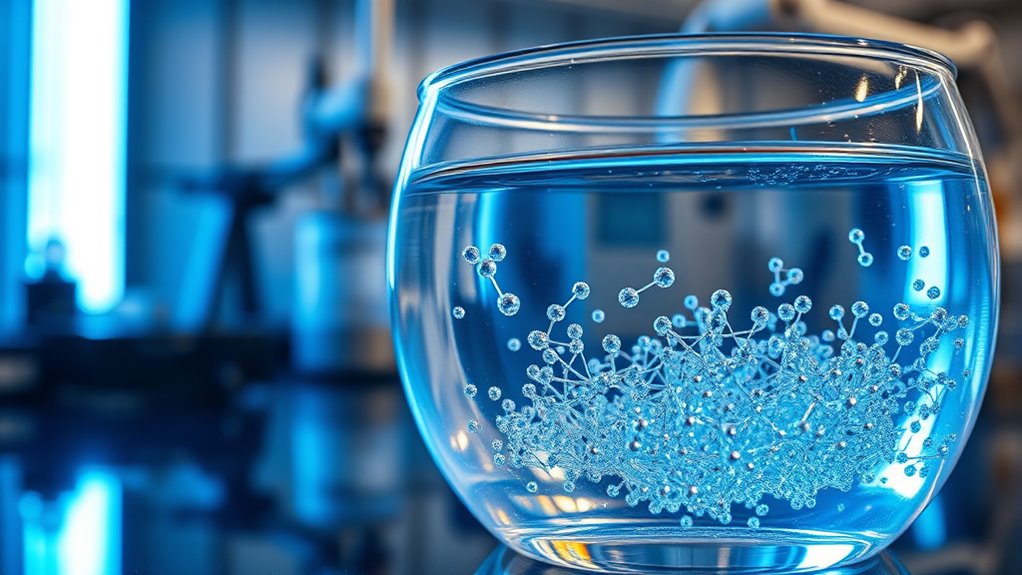

Nanotech in battery recycling uses nanoparticles and surface modification techniques to boost metal recovery, making processes faster and greener. You’ll benefit from higher extraction efficiency for valuable materials like lithium, cobalt, and nickel, while reducing energy consumption and waste. These innovations also enable precise disassembly of complex battery parts, supporting reuse and sustainability. Stay with us, and you’ll discover how these cutting-edge methods are transforming the future of eco-friendly recycling.
Key Takeaways
- Nanoparticles increase surface area, boosting chemical reactions for faster, more efficient battery material breakdown.
- Surface modification techniques enable selective metal leaching, reducing chemical use and waste.
- Combining nanotech enhancements with surface modifications improves metal purity and overall recovery rates.
- Nanoparticles facilitate disassembly of complex battery components, saving energy and time in recycling.
- These innovations promote environmentally friendly, resource-efficient recycling processes supporting sustainability goals.

Nanotechnology is transforming battery recycling by making the process more efficient and sustainable. With advancements like nanoparticle enhancement and surface modification, you can now recover valuable materials more thoroughly and at a quicker rate. Traditional recycling methods often leave behind a notable portion of metals, but nanotech innovations target these inefficiencies directly. By applying nanoparticle enhancement, you improve the extraction process, making it easier to separate and recover metals such as lithium, cobalt, and nickel. These tiny particles increase the surface area dramatically, which boosts chemical reactions and accelerates the breakdown of complex battery components. As a result, you spend less energy and generate less waste, contributing to a greener recycling process.
Nanotech boosts battery recycling efficiency, recovering metals faster while reducing waste and environmental impact.
Surface modification is another critical aspect that nanotechnology brings to battery recycling. It involves altering the surface properties of materials at the nanoscale to make them more receptive to chemical treatments. For example, by modifying the surface of electrode materials, you can facilitate the selective leaching of metals, reducing the need for harsh chemicals and minimizing environmental impact. These modifications can also prevent the formation of unwanted byproducts, streamlining the purification process. When you combine surface modification with nanoparticle enhancement, you create a synergistic effect that markedly improves the efficiency of metal recovery. The targeted surface tweaks allow for precise separation, ensuring that you extract more pure materials with less effort.
Moreover, nanotech-enabled surface modification helps in breaking down complex composite materials found in batteries, which are usually difficult to recycle. You can design nanoparticles that selectively interact with specific components, effectively disassembling them at the nanoscale. This precision reduces the time and energy required for recycling, making the entire process more cost-effective. Additionally, these innovations enable you to reuse or repurpose recovered materials more readily, closing the loop in battery lifecycle management. Incorporating advanced materials into recycling processes is also essential to achieve higher recovery rates and environmental sustainability.
In essence, nanotechnology’s role in battery recycling isn’t just about making the process faster; it’s about making it smarter and more sustainable. Nanoparticle enhancement improves the breakdown and recovery of valuable metals, while surface modification allows for targeted, environmentally friendly separation techniques. Together, these advancements empower you to recover more materials from used batteries with fewer resources and less environmental impact, paving the way for a more sustainable energy future.
battery recycling nanoparticle kit
As an affiliate, we earn on qualifying purchases.
As an affiliate, we earn on qualifying purchases.
Frequently Asked Questions
How Does Nanotech Improve Battery Recycling Efficiency?
Nanotech improves battery recycling efficiency by using nanoparticle catalysts that accelerate chemical reactions, making the process faster and more effective. You benefit from nanoscale separation, which allows you to isolate valuable materials more precisely and with less waste. This advanced technology reduces energy consumption and enhances recovery rates, helping you recycle batteries more sustainably and cost-effectively, ultimately supporting environmental conservation and resource efficiency.
What Are Potential Environmental Impacts of Nanotech in Recycling?
You should recognize that nanotech in recycling could pose environmental risks like eco-toxicity concerns and nanoparticle accumulation. These tiny particles might harm ecosystems if released into soil or water, affecting plants and aquatic life. Additionally, the long-term effects of nanoparticle buildup are uncertain, which could lead to unforeseen ecological issues. It is crucial to carefully regulate and monitor nanotech applications to minimize potential environmental impacts.
Are Nanotech-Based Recycling Methods Cost-Effective?
Sure, nanotech-based recycling methods are cost-effective—if you ignore the hefty cost analysis and formidable scalability challenges. It’s almost ironic how tiny particles promise big savings, yet the initial investment and technical hurdles often outweigh benefits. You’ll find that scaling these innovations to industrial levels demands substantial resources, making the true affordability questionable. So, while promising, nanotech recycling still struggles with practical, large-scale implementation and cost-efficiency.
How Safe Are Nanomaterials Used in Recycling Processes?
You should be aware that nanomaterials used in recycling processes pose some toxicity concerns, especially if not managed properly. While researchers are working to ensure safety, regulation challenges remain, making oversight inconsistent. You need to stay informed about safety protocols and potential risks, as the field continues to develop. Proper regulation and safety measures are essential to minimize health hazards and environmental impacts associated with nanomaterials.
What Are Future Innovations Expected in Nanotech for Batteries?
You’ll be amazed by future nanotech innovations like solid-state batteries and quantum dots, revolutionizing energy storage. These tech marvels promise faster charging, longer lifespan, and enhanced efficiency. Imagine quantum dots improving capacity at tiny scales, while solid-state designs eliminate flammable liquids. Get ready for smarter, safer batteries that power your world more sustainably—because who needs boring old batteries when nanotech can make everything extraordinary?
lithium cobalt nickel recovery equipment
As an affiliate, we earn on qualifying purchases.
As an affiliate, we earn on qualifying purchases.
Conclusion
So, next time you toss your old battery, just remember—thanks to nanotech, we might be recycling those tiny wonders instead of letting them poison the planet. Who knew that microscopic particles could save the Earth? Maybe one day, your smartphone’s nanotech-powered recycling hero will rescue your future gadgets from the landfill’s depths. Until then, keep dreaming big—because apparently, even the tiniest tech can make the biggest difference.
eco-friendly battery disassembly tools
As an affiliate, we earn on qualifying purchases.
As an affiliate, we earn on qualifying purchases.
nanotech battery recycling solutions
As an affiliate, we earn on qualifying purchases.
As an affiliate, we earn on qualifying purchases.