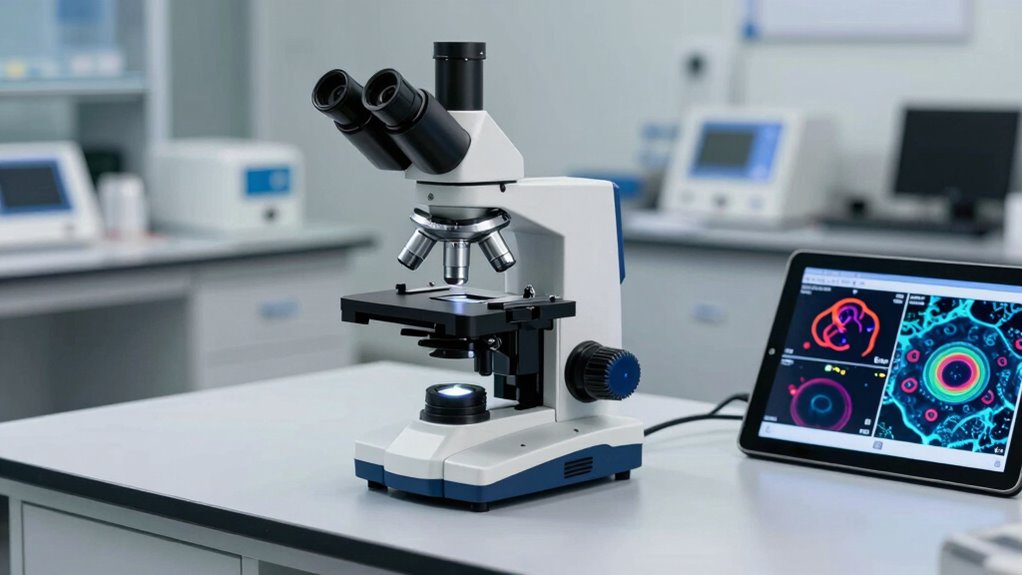
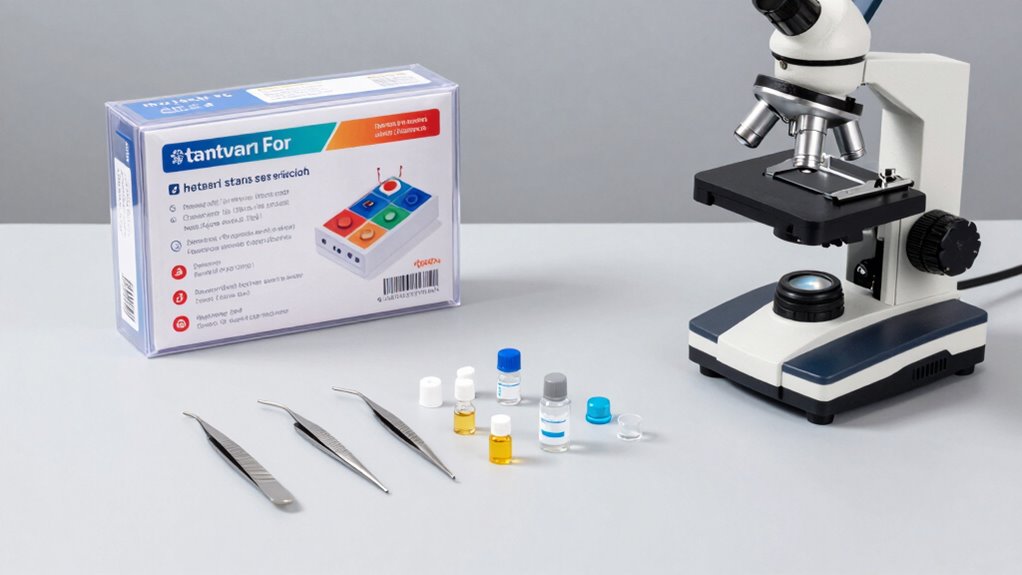
Here’s a compelling alternative to electron microscopes for education—discover why digital and optical options may be the smarter choice for most buyers.
Browsing Category
nanomachines-basics
23 posts
What Makes Nanoscale Imaging So Valuable in Research
I nanoscale imaging reveals hidden details at atomic levels, unlocking innovations that could transform technology and science as we know it.
The Most Important Nanoscale Properties Beginners Should Know
A fundamental understanding of nanoscale properties reveals how quantum effects and surface phenomena shape material behavior, inspiring further exploration into their exciting applications.
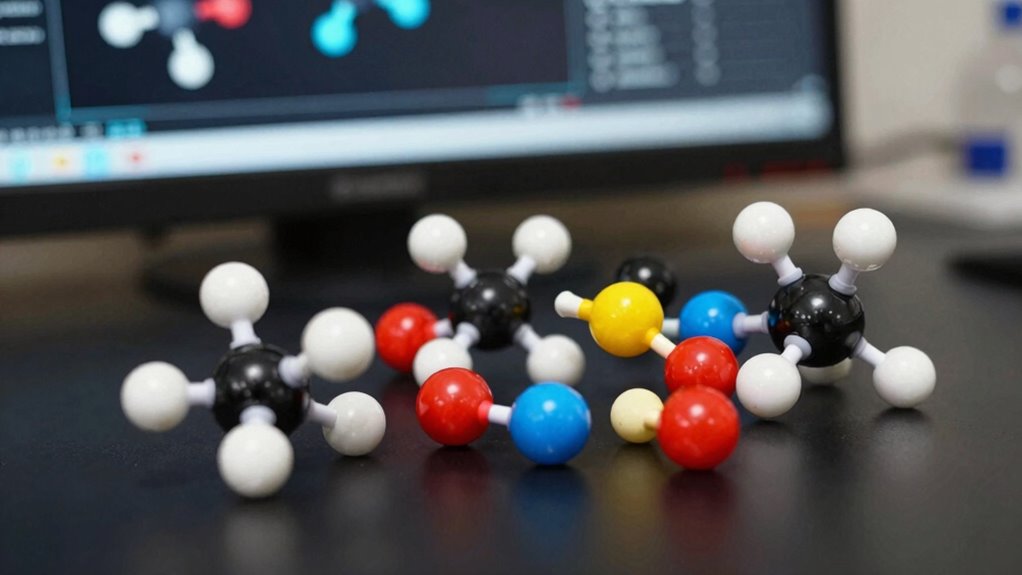
Why Molecular Model Kits Still Matter in a Digital Age
Discover why molecular model kits remain essential in a digital age and how they uniquely enhance understanding beyond screens.
The Advanced Microscopy Kit Features That Matter Most
Knowledge of key microscopy features can transform your results—discover the essential elements that ensure clarity and reliability in your imaging.
How to Choose a Nanotech Lab Starter Kit That Isn’t a Gimmick
Must-know tips help you choose a genuine nanotech starter kit—learn the secrets to avoid gimmicks and ensure successful experiments.
Graphene Educational Kit Features That Actually Add Learning Value
Many features of the Graphene Educational Kit enhance learning by making complex concepts accessible and engaging—discover how it transforms science education.
What Makes Nanotech a Crossroads of Physics and Biology
Lying at the intersection of physics and biology, nanotech unlocks revolutionary possibilities by manipulating matter at the smallest scales—discover how it transforms science.
The Key Difference Between Passive and Active Nanomachines
A fundamental distinction between passive and active nanomachines lies in their energy sources, influencing their capabilities and the potential for autonomous operation.
Why Nanotech Researchers Care So Much About Surface Chemistry
Why nanotech researchers focus on surface chemistry is crucial because it unlocks the full potential of nanomaterials by controlling their interactions and performance, but there’s more to discover.