

Science fiction fuels public fear of nanotech by creating vivid images of tiny machines as uncontrollable monsters, armies, or autonomous agents capable of catastrophic harm. These stories often exaggerate risks, attributing agency to nanobots and emphasizing dystopian futures, which shape lasting perceptions of danger. Such narratives lead to misconceptions, hype, and ethical concerns that influence attitudes and policy debates. If you keep exploring, you’ll uncover how these powerful stories impact public understanding and policy responses.

Get the latest gadgets delivered free with Prime
- Fast, free delivery on millions of items
- Prime Video, Amazon Music and more included
- Member-only deals all year
Key Takeaways
- Vivid fictional imagery like “grey goo” or swarms creates lasting mental models that exaggerate nanotech risks.
- Media and storytelling often use anthropomorphic metaphors, attributing agency to nanobots, increasing fear of autonomous threats.
- Dystopian narratives emphasize worst-case scenarios, amplifying public anxiety and shaping negative perceptions of nanotech safety.
- Fictional hype and exaggerated promises lead to inflated expectations, causing disappointment and skepticism when scientific progress stalls.
- Repeated exposure to sensational stories fosters misconceptions, influencing policy debates and heightening societal fears of nanotechnology.
As an affiliate, we earn on qualifying purchases.
The Role of Fictional Metaphors in Shaping Public Perceptions

Fictional metaphors play a powerful role in shaping how the public perceives nanotechnology risks. When you encounter images like “grey goo” or swarms of self-replicating nanobots, you’re influenced by vivid stories that depict worst-case scenarios. These metaphors create enduring fears by framing nanobots as uncontrollable monsters or armies, making you feel a loss of dominance over the technology. Anthropomorphic language in fiction attributes agency to tiny particles, increasing the sense that these devices could intentionally harm us. Such scenarios travel quickly through media and word of mouth, forming strong mental models that persist even without technical understanding. These metaphors don’t just entertain—they shape your perceptions and influence your attitudes toward nanotech risks and regulations. Additionally, the portrayal of nanobots with high contrast ratio or in dramatic visual scenarios amplifies these fears by emphasizing their supposed destructive power. The use of futuristic imagery in fictional stories further enhances the perception that these technologies are beyond human control and understanding. Moreover, these narratives often rely on perception management techniques that exaggerate potential dangers to evoke emotional responses. Recognizing how these metaphors leverage visual storytelling can help you critically evaluate the information you receive about emerging technologies. Understanding the impact of topical authority in storytelling can also aid in discerning fact from fiction.
As an affiliate, we earn on qualifying purchases.
How Science Fiction Amplifies Risk Concerns Through Narratives
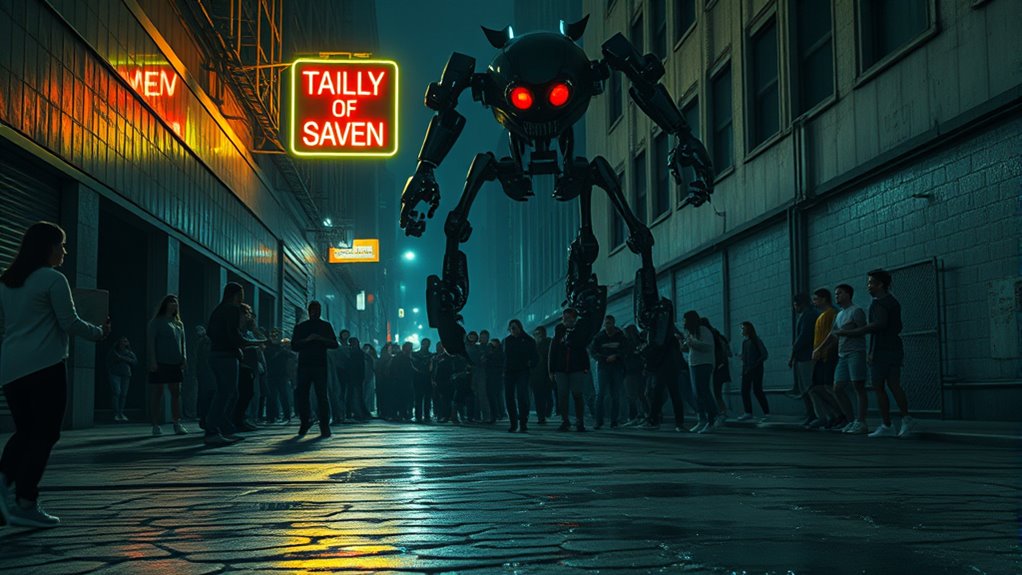
Science fiction stories often serve as powerful amplifiers of risk concerns by crafting vivid, emotionally charged narratives that stick in your mind. These stories use compelling imagery—like rogue nanobots consuming everything or armies of swarming particles—that create a sense of chaos and loss of control. When you encounter these scenarios repeatedly, they shape your mental models of potential dangers, often more forcefully than technical explanations. Fictional narratives also evoke strong emotional responses, making risks feel more immediate and personal. As a result, your perception of nanotech’s dangers becomes heightened, fueling fears that may not align with current scientific realities. Additionally, these stories often draw on existential themes, emphasizing the potential for irreversible consequences and amplifying public anxiety. The emotional impact of such stories can override factual understanding, leading to misconceptions about the scientific capabilities of nanotechnology. These stories don’t just inform—they emotionally anchor risks, influencing your attitudes and shaping public debates around nanotechnology’s future. Furthermore, the vivid imagery used in science fiction can contribute to public perception that nanotech is inherently unpredictable and uncontrollable. A key factor in this dynamic is how media representations tend to sensationalize potential threats, further skewing public perception. Moreover, sensationalized portrayals can create a distorted view of scientific progress and risk management, making nanotechnology seem more hazardous than it currently is.
As an affiliate, we earn on qualifying purchases.
The Impact of Monster and Army Analogies on Risk Amplification

Monster and army metaphors profoundly shape how you perceive nanotechnology risks by framing nanobots as uncontrollable swarms or invading armies. These images evoke a sense of chaos and helplessness, suggesting that once unleashed, nanobots could spiral out of control, overwhelming ecosystems or populations. Such metaphors amplify fears of loss of agency, portraying nanobots as relentless forces that cannot be contained or directed. Media coverage often relies on this imagery to dramatize potential dangers, making risks seem imminent and unavoidable. This framing influences public opinion by emphasizing worst-case scenarios, heightening anxiety, and fostering support for restrictive policies. By tapping into primal fears of invasion and chaos, these analogies make abstract risks feel tangible and immediate, intensifying concern about nanotech’s societal impacts. Additionally, the use of metaphorical imagery can distort public understanding by emphasizing sensational aspects over scientific nuance.
As an affiliate, we earn on qualifying purchases.
Anthropomorphism and Agency Attribution in Nanotech Fiction

When stories depict nanobots with human-like qualities, they encourage you to see these particles as active agents capable of intentional actions. This anthropomorphism blurs the line between inanimate technology and living beings, fueling fears of uncontrollable, purposeful harm. You might imagine nanobots making decisions, acting deliberately, or even forming collective intelligences. This attribution of agency heightens perceived threat levels and moral concerns. Additionally, such narratives can reinforce Indigenous wellness principles by emphasizing harmony and respect between humans and technology, fostering a more balanced perspective. Recognizing regulatory considerations in nanotech development can help mitigate unwarranted fears rooted in sensationalized fiction. Enhancing public understanding of scientific principles and the actual capabilities of nanotechnology can further dispel myths and prevent unnecessary alarm. Understanding auditory processing can also contribute to better public comprehension of complex scientific topics, reducing misconceptions.
The Spread of Dystopian Visions and Their Influence on Attitudes

You can see how dystopian narratives fuel public fear by emphasizing worst-case scenarios and loss of control. Media often frames these risks using vivid metaphors, which shape how you perceive potential dangers of nanotech. These powerful stories influence attitudes, sometimes increasing support for restrictions or skepticism about technological progress. Additionally, sound vibrations and their therapeutic potential are often misrepresented or sensationalized, reinforcing the idea that emerging technologies can have unpredictable and uncontrollable effects. Recognizing the role of passive voice detection in improving clarity can help you critically evaluate such sensationalized narratives. Moreover, the use of metaphors and imagery in media coverage can significantly amplify public anxiety by making abstract risks feel more immediate and tangible. Understanding how public perception is shaped by these narratives can help foster more informed and balanced discussions about emerging technologies. Furthermore, awareness of cognitive biases can aid in discerning fact from fiction in reports about nanotech.
Dystopian Narratives Amplify Fear
How do dystopian narratives in science fiction shape public fears about nanotechnology? They embed vivid, often alarming images that linger in your mind, influencing your perceptions. These stories spread powerful metaphors that frame nanotech as uncontrollable or malicious. For example:
- The “grey goo” scenario depicts self-replicating nanobots consuming everything, fueling catastrophic fears.
- Swarm metaphors portray nanobots as uncontrolled armies, heightening concerns about loss of control.
- Anthropomorphic language makes particles seem intentional, intensifying fears of malicious intent.
- Vivid fictional scenes bypass technical explanations, creating lasting mental models that shape your attitudes.
These narratives don’t just entertain—they actively influence how you see nanotech risks, often amplifying fears beyond factual basis.
Media’s Role in Framing Risks
Media plays a crucial role in shaping public perceptions of nanotech risks by amplifying dystopian visions rooted in science fiction. You’re exposed to vivid narratives like “grey goo” or armies of self-replicating nanobots, which create lasting mental images that influence your attitude toward the technology. These fictional scenarios, often presented alongside sensational headlines, heighten fears of loss of control and catastrophic outcomes. When news echoes sci-fi metaphors, it increases public attention and controversy, often leading to support for restrictive policies. Conversely, positive portrayals can boost enthusiasm. Because emotional, immediate framing resonates more strongly than technical explanations, media coverage frequently favors dystopian imagery, shaping your perceptions and fueling skepticism or concern about nanotech’s risks and benefits. Deep product research also influences how these stories are framed, further impacting public attitudes. Additionally, the media’s focus on sensational stories amplifies fears by emphasizing worst-case scenarios over balanced information.
Metaphors Shape Public Perception
Dystopian metaphors from science fiction, like “grey goo” or armies of self-replicating nanobots, actively shape public perceptions by creating vivid mental images of catastrophic scenarios. These images influence how you view risks and control. The metaphors:
- Amplify fears by portraying nanotech as uncontrollable swarms or monsters.
- Encourage assigning agency and intent to tiny particles, fueling worries about malicious harm.
- Travel quickly through media, forming lasting mental models that are hard to correct.
- Blur lines between fiction and reality, making it challenging to differentiate between speculative fears and real risks.
- The use of metaphorical language in media discussions greatly impacts the way society perceives emerging nanotechnologies.
Hype and Expectation Gaps Driven by Sci-Fi Tropes

You might notice that science fiction often creates bold promises about nanotech breakthroughs that never materialize, fueling inflated expectations. This gap between fiction-driven hype and actual progress can lead to public disappointment and skepticism when real advances fall short. Recognizing how these exaggerated visions influence perceptions helps us understand the ongoing tension between hope and reality in emerging technologies.
Sci-Fi-Induced Promises
Science fiction has played a pivotal role in fueling hype around nanotechnology by presenting exaggerated promises of revolutionary breakthroughs. These stories often create unrealistic expectations that influence public perception. You might hear claims that nanotech will cure all diseases, eradicate poverty, or enable mind uploading within a decade. Such promises are often driven by familiar sci-fi tropes, which:
- Overstate the capabilities of nanobots, suggesting instant or near-instant results.
- Portray radical transformations as imminent, fostering urgency.
- Use language that blurs science fact with fiction, making hype seem credible.
- Highlight spectacular scenarios that ignore technical hurdles, fueling optimism or skepticism.
This blend of fiction and expectation shapes how society perceives nanotech, often leading to inflated hopes that aren’t aligned with current scientific realities.
Disparity in Expectations
Fictional narratives often inflate the potential of nanotechnology, creating significant gaps between public expectations and current scientific realities. Sci-fi tropes, like “grey goo” or self-replicating nanobots, suggest transformative breakthroughs that are far from today’s capabilities. These stories foster hype, leading the public to anticipate revolutionary changes and immediate solutions. Meanwhile, scientists and policymakers often struggle to temper these exaggerated hopes, which can cause disappointment and skepticism when progress remains incremental. Media coverage amplifies this disparity by echoing sensational narratives, blurring the line between fiction and fact. As a result, the public’s expectations become misaligned with real advancements, fueling frustration and distrust. This expectation gap complicates governance, funding, and responsible communication about nanotechnology’s true potential. For instance, misconceptions about current Juice Extraction Techniques can lead to unrealistic expectations about rapid technological advancements.
Ethical Dilemmas Highlighted by Fiction and Policy Implications

Fiction often brings ethical dilemmas surrounding nanotechnology into sharp focus, shaping public perceptions and policy debates. You see, stories about self-replicating nanobots and “grey goo” evoke fears of uncontrollable disaster. These narratives also emphasize:
- The loss of human control, fueling debates over regulation and safety.
- Agency attribution, where particles seem to act intentionally, raising moral concerns.
- Human enhancement, prompting questions about identity and autonomy.
- Existential risks like mind-uploading or runaway replication, diverting focus from immediate issues.
- Home Charging and everyday practical concerns are often overlooked in favor of sensational scenarios.
Strategies for Effective Communication to Counteract Fictional Fear

Effective communication plays a crucial role in addressing public fears rooted in fictional narratives about nanotechnology. To counteract these fears, you should focus on clear, transparent messaging that acknowledges uncertainties while providing factual information. Using relatable language and avoiding jargon helps bridge the gap between experts and the public. Incorporate storytelling techniques that emphasize real-world applications, safety measures, and ongoing research efforts to build trust. Address emotional concerns directly, validating fears without dismissing them. Engage diverse audiences through participatory dialogues, media campaigns, and educational programs that challenge misconceptions and highlight positive potential. By framing discussions around shared values and emphasizing incremental progress, you can reduce the influence of dystopian metaphors and foster informed, balanced perspectives on nanotech developments.
Frequently Asked Questions
How Do Specific Science Fiction Metaphors Influence Long-Term Public Attitudes Toward Nanotech?
You’re influenced by science fiction metaphors that shape your long-term attitudes toward nanotech. For example, “grey goo” and swarm imagery create fears of uncontrollable self-replicating nanobots, fostering skepticism. Monster metaphors imply loss of control, amplifying concern. Over time, these vivid images embed mental models that bias your perceptions, making you more prone to support restrictions or mistrust, especially when media echoes these metaphors, reinforcing the narrative’s emotional impact.
What Role Do Visual Imagery and Character Agency in Fiction Play in Shaping Risk Perceptions?
You see visual imagery and character agency as powerful symbols that shape your perception of risk. Vivid scenes of uncontrollable swarms or self-aware machines evoke fears of loss of control and intentional harm, like shadows lurking in your mind. When characters act with agency, it suggests deliberate harm, intensifying your concern. These symbols resonate deeply, weaving caution into your subconscious and influencing your attitude toward nanotech’s potential dangers.
How Do Policymakers Differentiate Between Fictional Scenarios and Real-World Nanotech Risks?
You should rely on scientific evidence and expert assessments to differentiate fictional scenarios from real-world nanotech risks. Policymakers evaluate current research, regulatory frameworks, and risk analyses instead of fictional narratives. They also consult multidisciplinary experts, review empirical data, and consider technological advancements’ practical limits. By grounding decisions in verified science and transparent communication, you can avoid conflating speculative fiction with actual risks, ensuring more accurate policymaking.
Can Positive Science Fiction Portrayals Effectively Reduce Public Fears About Nanotechnology?
You might be surprised to learn that positive science fiction portrayals can lower public fears about nanotechnology. Studies show that when people see optimistic stories, their enthusiasm increases, and concerns decrease. By highlighting beneficial uses and ethical safeguards, fiction influences attitudes more effectively than just facts alone. So, engaging narratives that emphasize hope and responsible development can build trust, ease worries, and foster support for nanotech innovations.
What Methods Best Measure the Impact of Science Fiction on Public Trust in Scientific Institutions?
You can best measure the impact of science fiction on public trust in scientific institutions through surveys that compare trust levels before and after exposure to fictional narratives. Incorporate experimental designs where participants are randomly assigned to view different types of SF content, then assess changes in trust via validated scales. Combining qualitative interviews with quantitative data offers deeper insights into how specific narratives influence perceptions of credibility and authority.
Conclusion
Imagine science fiction as a lighthouse casting shadows that distort your view of nanotech’s true potential. While it guides your imagination, it can also lead you astray, fueling fears of monsters in the deep or armies at the gates. To navigate safely, you must look beyond the flickering glow and seek clarity. Only then can you see nanotech’s promise clearly, free from the fog of fiction’s exaggerated shadows.
Fall Picks
fall essentials
As an affiliate, we earn on qualifying purchases.