
TL;DR
Microsoft announced significant layoffs at Xbox, primarily attributed to the failure of its streaming gaming strategy. The company aimed to compete in cloud gaming but faced setbacks, leading to restructuring. The development highlights the difficulties in cloud-based gaming markets.
Microsoft’s Xbox division has implemented significant layoffs, with over 200 employees affected, as part of a strategic shift following the failure of its cloud gaming streaming initiative, according to sources familiar with the matter. This move underscores the challenges faced by the company in establishing a competitive streaming platform in the gaming industry.
Sources close to Microsoft confirmed that the layoffs are directly linked to the company’s unsuccessful push into cloud gaming streaming services. Microsoft invested heavily in developing its Xbox Cloud Gaming platform, aiming to rival services like Sony’s PlayStation Now and emerging cloud providers. However, internal assessments indicate that the streaming service failed to attract enough users or generate anticipated revenue, leading to a reevaluation of the division’s priorities.
Microsoft’s streaming strategy was part of a broader effort to transition gaming to the cloud, reducing reliance on traditional consoles and expanding access through various devices. Despite substantial investments, including partnerships with cloud infrastructure providers, the service struggled with performance issues, limited content, and user adoption, according to industry analysts and internal reports.
The layoffs, confirmed by multiple sources, reflect a broader restructuring within Xbox, emphasizing a return to core gaming hardware and software development rather than streaming-only approaches. Microsoft has not publicly commented on the specific reasons for the layoffs but acknowledged ongoing efforts to refine its gaming strategy.
Implications for Microsoft’s Gaming Future
This development highlights the difficulties major tech companies face in establishing successful cloud gaming services. Microsoft’s layoffs suggest that despite significant investments, the streaming model remains unproven at scale. The move signals a potential shift in Microsoft’s gaming strategy back toward traditional console and PC gaming, which could influence industry competition and consumer options. For investors and industry observers, it underscores the risks associated with betting heavily on cloud gaming’s future viability.
XBOX Wireless Gaming Controller + USB-C Cable | Carbon Black | Console, PC, & Cloud Devices | Textured Grip | Wireless, Bluetooth, USB-C Connectivity
- Includes Controller and USB-C Cable: Wireless controller with 9' USB-C cable
- Wired or Wireless Connectivity: Switch between wired and wireless gaming modes
- Plug-and-Play for PC: Instant use on Windows PC without extra accessories
As an affiliate, we earn on qualifying purchases.
As an affiliate, we earn on qualifying purchases.
Background on Xbox’s Streaming Ambitions and Challenges
Microsoft has long pursued a vision of cloud gaming as a way to expand access and reduce hardware dependency, with Xbox Cloud Gaming (formerly Project xCloud) launched in 2020. The company invested billions into infrastructure, content partnerships, and marketing to position itself as a leader in cloud gaming. However, despite early optimism, the service faced technical hurdles, limited content, and lower-than-expected user engagement.
Industry analysts have noted that cloud gaming remains a challenging market dominated by infrastructural costs, latency issues, and consumer adoption barriers. Microsoft’s struggles are not unique; other players like Google Stadia and Amazon Luna have also faced setbacks. The recent layoffs at Xbox indicate that Microsoft is reassessing its approach after initial ambitions did not materialize as planned.
“We are continuously refining our gaming strategies to better serve our community and stakeholders.”
— a Microsoft spokesperson

ASUS ROG Strix G16 (2025) Gaming Laptop, 16” FHD+ 16:10 165Hz/3ms, NVIDIA® GeForce RTX™ 5060, Intel® Core™ i7 Processor 14650HX, 16GB DDR5, 1TB Gen 4 SSD, Wi-Fi 7, Windows 11 Home, G615JMR-AS74
- Powerful Performance: Intel Core i7, RTX 5060, Windows 11 Home
- Fast Memory and Storage: 16GB DDR5 RAM, 1TB PCIe Gen 4 SSD
- Smooth Visuals: 16” FHD+ 165Hz display with glare reduction
As an affiliate, we earn on qualifying purchases.
As an affiliate, we earn on qualifying purchases.
Unconfirmed Details About the Scope and Future Plans
It remains unclear whether the layoffs are part of a temporary restructuring or a sign of a long-term shift away from cloud gaming. The precise financial impact of the failed streaming initiative on Microsoft’s overall gaming division has not been disclosed. Additionally, the future direction of Xbox’s cloud efforts and how they will integrate with other gaming services is still being developed and has not been publicly announced.
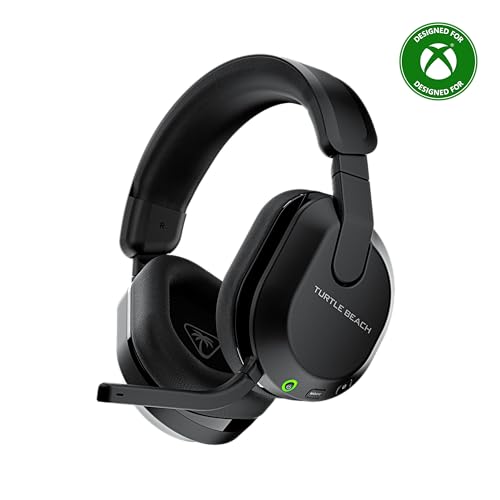
Turtle Beach Stealth 600 Wireless Gaming Headset for Xbox, PS5, PC, Mobile
- Comfortable Memory Foam Cushions: Glasses-friendly design for comfort
- Vibrant Spatial Audio: 50mm Nanoclear drivers deliver powerful sound
- Customizable Controls: Mappable wheel and mode button
As an affiliate, we earn on qualifying purchases.
As an affiliate, we earn on qualifying purchases.
Next Steps for Xbox and Cloud Gaming Strategy
Microsoft is expected to continue refining its core gaming hardware and software offerings, possibly scaling back its cloud ambitions in the short term. The company may also focus on exclusive titles and traditional gaming platforms to stabilize its market position. Industry analysts will be watching for any official updates on new cloud services or strategic pivots from Microsoft in upcoming earnings reports or press releases.

Sceptre New 22-Inch Gaming Monitor, FHD 1080p, Up to 144Hz, HDMI, DisplayPort, Built-in Speakers, Machine Black (E225W-FW144 Series, 2026)
- Built-in Speakers: Rich, seamless audio for work and gaming
- Blue-Light Shift Technology: Reduces blue light for eye comfort
- Minimal Bezel Design: Provides an unobstructed, distraction-free view
As an affiliate, we earn on qualifying purchases.
As an affiliate, we earn on qualifying purchases.
Key Questions
How many employees were laid off from Xbox?
Sources indicate that over 200 employees were laid off as part of the recent restructuring.
Why did Microsoft’s streaming strategy fail?
According to industry sources, the streaming service struggled with technical issues, limited content, and low user adoption, making it financially unsustainable.
Will Microsoft shift away from cloud gaming entirely?
It is not yet clear if Microsoft will abandon cloud gaming altogether or simply scale back its investments. The company is expected to reassess its approach in the coming months.
How does this affect Xbox’s future?
The layoffs and strategic review suggest a possible renewed focus on traditional gaming hardware and software, though cloud gaming may still be part of future plans.
Are other companies facing similar challenges?
Yes, other tech giants like Google and Amazon have also faced setbacks in cloud gaming, highlighting industry-wide hurdles in this market segment.
Source: google-trends