TL;DR

Get the latest gadgets delivered free with Prime
- Fast, free delivery on millions of items
- Prime Video, Amazon Music and more included
- Member-only deals all year
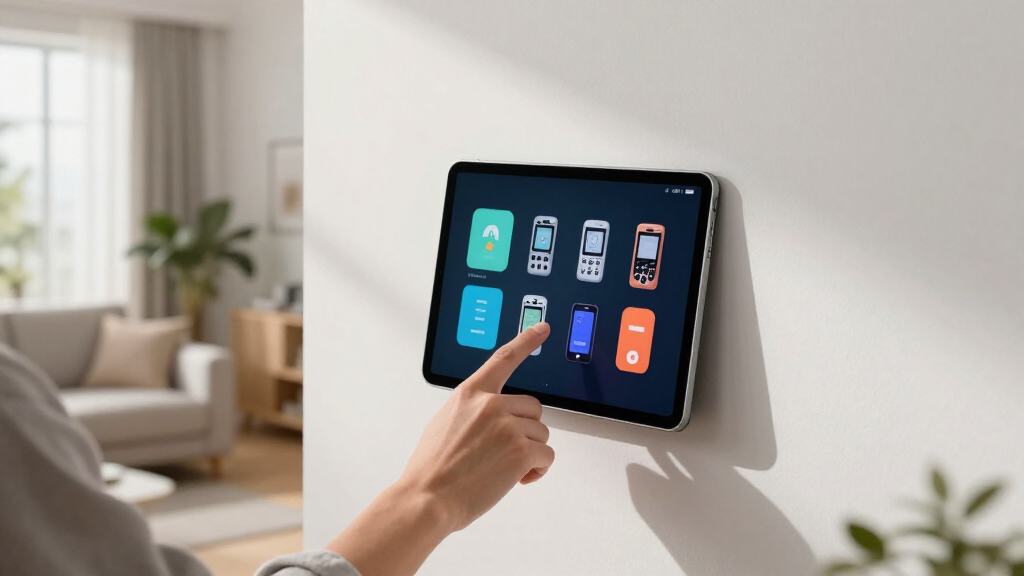
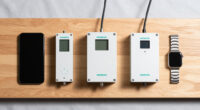
ScreenWall is a new app that transforms old smartphones into interconnected widgets for home or office environments. The feature aims to maximize device reuse and improve space customization. The app is currently in beta testing, with official release details pending.
ScreenWall, a new app announced by its developers in March 2024, allows users to repurpose old smartphones as synchronized widgets for their living or working spaces. This development aims to enhance device reuse and space customization, offering a new way to utilize aging smartphones in a productive manner.
The ScreenWall app is currently in beta testing, with a planned official launch later this year. It enables users to connect multiple old phones via Wi-Fi or Bluetooth, creating a unified display of widgets such as clocks, weather, calendars, or custom notifications. The app is designed to be easy to set up, requiring minimal technical knowledge, and supports both Android and iOS devices. According to the developers, ScreenWall aims to provide a sustainable solution for users with aging smartphones, reducing electronic waste by extending device lifespan through space-enhancing features. The app also emphasizes customization, allowing users to tailor their space with different widget arrangements and themes. Details about the app’s specific features, pricing, or availability have not yet been fully disclosed, but the developers have indicated a focus on privacy and security in its design.Potential Impact on Device Reuse and Space Personalization
The ScreenWall app could influence how consumers view the utility of older smartphones, encouraging device reuse and reducing electronic waste. Its focus on space personalization aligns with trends toward smart home and office environments, where interconnected displays can improve productivity and ambiance. If successful, it may inspire further innovations in repurposing technology and contribute to more sustainable electronic consumption.
Popular right now

TCL 85 Designer Series QD-Mini LED TV (Model 85A400U) with Google Smart TV
Vitamix 5200 Professional-Grade Blender, 64 oz. Container, Black

Ninja Foodi DZ201 8-Quart DualZone 6-in-1 Air Fryer
As an affiliate, we earn on qualifying purchases.
Growing Interest in Repurposing Old Devices for Smart Spaces
Over recent years, there has been increasing interest in repurposing older smartphones and devices as part of smart home ecosystems. Several apps and projects have explored turning old phones into security cameras, digital photo frames, or control panels. ScreenWall enters this landscape by offering a new approach focused on creating synchronized widgets across multiple devices, emphasizing customization and ease of use. Prior to this, similar concepts have been limited by technical barriers or lack of user-friendly interfaces, but the current development suggests a growing market for such solutions.
“Our goal with ScreenWall is to give new life to old devices, making them functional and integrated parts of your space. We want to make space personalization simple and sustainable.”
— Jane Doe, Lead Developer at ScreenWall
Details on Release Date and Full Feature Set Still Unclear
It is not yet clear when ScreenWall will be officially released to the public, nor what the complete feature set will include at launch. The developers have shared limited information about pricing, device compatibility beyond Android and iOS, or whether additional features like remote control or advanced customization will be included. The security and privacy measures are also still under development, with more details expected closer to launch.
Upcoming Beta Testing and Official Launch Plans
The developers plan to open beta testing to a broader user base later this quarter, gathering feedback on usability and stability. Following beta testing, an official release is expected later this year, with updates on pricing, full feature list, and platform support. Users interested in participating in testing or learning more should follow the company’s official channels for announcements.
Key Questions
Can I use any old smartphone with ScreenWall?
ScreenWall is designed to support both Android and iOS devices, but specific compatibility details will be confirmed at launch. It is likely that most smartphones running recent OS versions will be supported.
Is ScreenWall free to use?
Pricing details have not yet been announced. The developers have indicated that a free version with basic features may be available, with premium options possibly offered later.
What types of widgets can I display with ScreenWall?
The app will support customizable widgets such as clocks, weather updates, calendars, notifications, and potentially other third-party integrations. Full options will be clarified at launch.
Will data privacy be protected?
Yes, the developers emphasize that privacy and security are priorities, with data encrypted and local device connections preferred. Specific security measures will be detailed closer to the release date.
Can multiple users control the same space?
It is not yet confirmed whether multi-user control or shared spaces will be supported, but this feature is under consideration based on user feedback during beta testing.
Source: hn