
📊 Full opportunity report: Why Anthropic's Invisible Mark Could Be A Game Changer For AI Regulation on ThorstenMeyerAI.com — validation score, market gap, and execution plan.

Get the latest gadgets delivered free — and shop member deals
- Fast, free delivery on millions of items
- Access to Prime Big Deal Days deals on October 6–7
- Prime Video, Amazon Music and more included
TL;DR
Anthropic is developing an invisible marker for its AI-generated text, which could help platforms identify synthetic content. Technical specifics and deployment timelines remain undisclosed, but the move signals a significant step toward AI transparency and regulation.
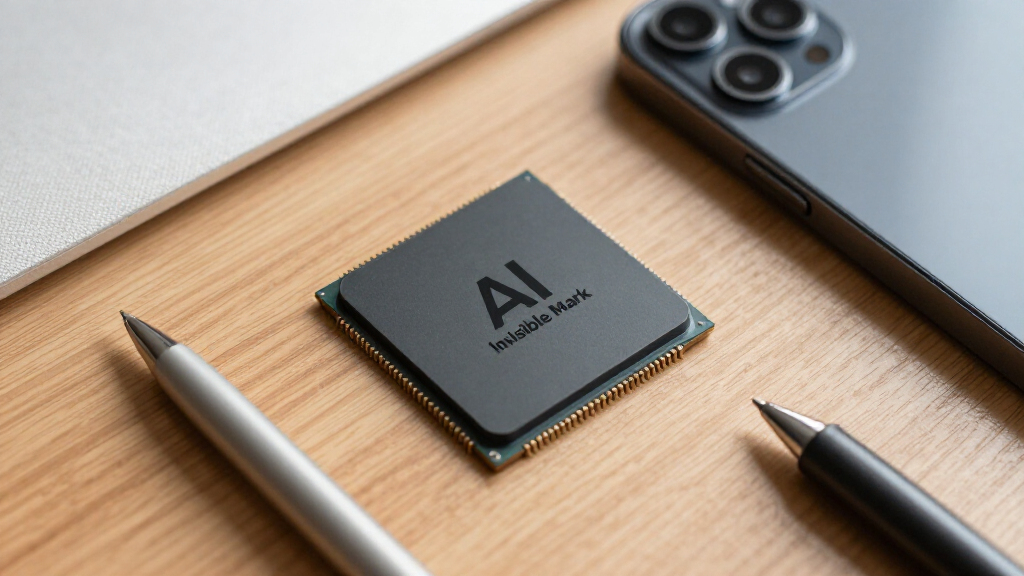
Anthropic is reportedly developing an invisible marker that can be embedded in text produced by its AI models, aiming to help platforms and publishers identify machine-generated content. This initiative comes amid increasing concern over the proliferation of low-quality, automated posts and the need for more reliable detection methods, as detailed in the original analysis, though technical details and deployment timelines have not been disclosed.
The proposed marker, which would be invisible to readers, is intended to provide a means of verifying whether a piece of text was generated by Anthropic’s AI systems. The company has not released specific information on how the marker will work—whether through hidden metadata, pattern alterations, or other methods—and has not announced when or how it will be deployed.
Industry observers suggest that such a marker could significantly improve moderation, content verification, and detection of AI-generated material, especially as existing detection tools often rely on stylistic analysis that can be easily bypassed or become unreliable after editing or translation. For more on AI detection challenges, see the original analysis. However, the effectiveness, durability, and potential privacy implications of the marker remain unconfirmed.
Potential Impact on AI Content Moderation and Transparency
If successfully implemented, the invisible marker could become a key tool for platforms, newsrooms, and educational institutions to distinguish between human and AI-generated content. This could enhance efforts to combat misinformation, academic dishonesty, and spam, while also supporting transparency in AI use. However, the effectiveness of the marker against editing, paraphrasing, or translation remains uncertain, and widespread adoption may require industry standards and cooperation among AI providers.
As an affiliate, we earn on qualifying purchases.
Growing Need for Reliable AI Content Identification Methods
As AI-generated text becomes more fluent and accessible, organizations face increasing challenges in verifying content provenance. Current detection methods, which analyze stylistic features, often struggle with accuracy, especially after content is edited or translated. The development of an embedded, invisible marker by Anthropic is part of broader efforts to establish more dependable traceability for synthetic media, aligning with regulatory and ethical concerns about AI transparency.
While some AI companies have explored metadata or cryptographic signatures for media, text presents unique challenges due to ease of copying, editing, and paraphrasing. The proposed marker aims to address these issues by embedding a detectable signal directly in the output, though technical and implementation details are still under wraps.
“The success of such a marker depends heavily on its robustness against editing and its acceptance across platforms.”
— AI policy expert
AI-generated text verification software
As an affiliate, we earn on qualifying purchases.
As an affiliate, we earn on qualifying purchases.
Unresolved Details About Technical Implementation and Deployment
Many core questions remain unanswered: How exactly will the marker be embedded? Will detection be publicly available? When will it be deployed? Will it be mandatory or optional? The effectiveness of the marker after content editing or translation is also unverified. Without these details, assessing its practical impact is difficult.
As an affiliate, we earn on qualifying purchases.
Next Steps Include Detailed Announcements and Testing
Anthropic is expected to release a detailed explanation of the marker’s design and deployment scope in the coming months. Independent testing will be necessary to evaluate its reliability across different languages, editing patterns, and content types. Stakeholders will also need to consider how to incorporate the marker into existing moderation and detection workflows, and whether other AI providers will adopt similar standards.
As an affiliate, we earn on qualifying purchases.
Key Questions
What is the purpose of Anthropic’s invisible marker?
The marker aims to help platforms and publishers identify AI-generated text reliably, supporting moderation, transparency, and accountability efforts.
Will the marker be detectable after editing or paraphrasing?
This remains unclear; technical details have not been disclosed, and the marker’s robustness after editing is still under investigation.
When will the marker be available to users and platforms?
No specific timeline has been announced; details are expected in future company disclosures.
Will the marker be used by other AI providers?
Currently, it appears to be a proprietary initiative by Anthropic, but broader industry standards could emerge if the approach proves effective.
Could the marker impact user privacy or free expression?
Potential concerns exist, but no information has been provided on how privacy or free speech considerations will be addressed in implementation.
Source: ThorstenMeyerAI.com
Fall Picks
fall essentials
As an affiliate, we earn on qualifying purchases.