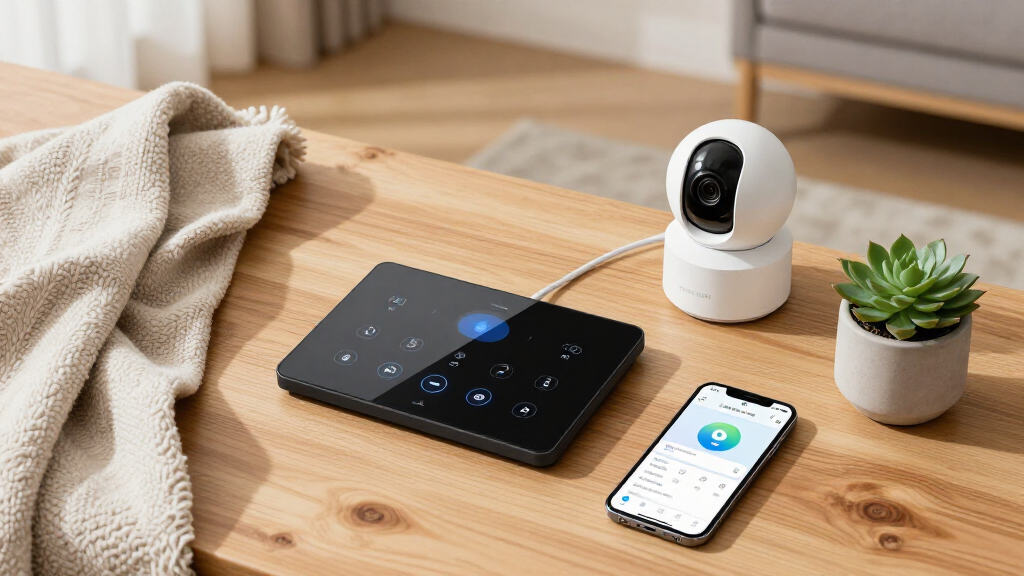

This guide walks you through installing and configuring a smart home security system. It is designed for homeowners or renters with basic technical skills who want to enhance their property’s safety. The process involves choosing the right components, installing devices, and setting up remote monitoring. Expect to spend between two and four hours completing this task, depending on your home’s size and the system’s complexity.

Ring Alarm 14-Piece Kit (Newest Model) – Wireless Smart Home Security System
- ✔ Included Items: 1 Base Station, 2 Keypads, 8 Contact Sensors, 2 Motion Detectors, 1 Range Extender
- ✔ Compatibility: Alexa, Ring App
- ✔ Monitoring: 24/7 Professional Monitoring

Ring Alarm 8-Piece Security System Kit (Newest Model)
- ✔ Package Includes: Base station, keypad, four contact sensors, motion detector, range extender
- ✔ Suitable for: 1-2 bedroom homes
- ✔ Monitoring: Optional 24/7 professional monitoring
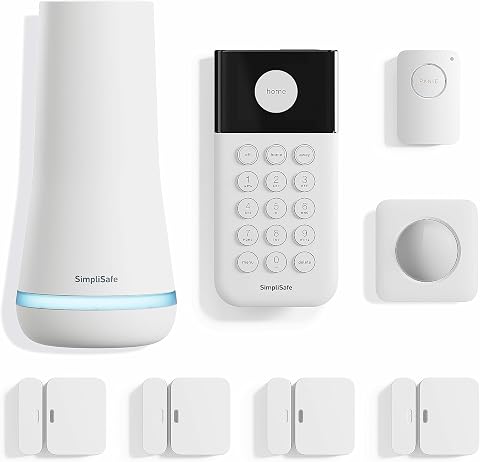
SimpliSafe 8 Piece Wireless Home Security System
- ✔ Number of pieces: 8
- ✔ Wireless: Yes
- ✔ Compatibility: Alexa, Google Assistant
Difficulty: Intermediate | Time: 2-4 hours
What You’ll Need
Tools & Materials:
- screwdriver or drill
- laptop or smartphone
- Wi-Fi network
- ladder (if needed for high locations)
Knowledge:
- basic understanding of home wiring (for wired components)
- familiarity with smartphone app installation and setup
Ring Alarm 14-Piece Kit (Newest Model) – Wireless Smart Home Security System
<p>The <strong>Ring Alarm 14-Piece Kit</strong> stands out for its comprehensive coverage designed for homes with 2-4 bedrooms. It includes a base station, keypads, contact sensors, motion detectors, and a range extender, making it a robust choice for those looking to secure an entire home. Its <strong>easy setup and expandability</strong> are key advantages, especially if you plan to add more sensors later. The system’s integration with Alexa and the Ring app makes remote control and alerts straightforward. However, its full feature set hinges on a <strong>monthly subscription</strong> for professional monitoring and voice control, which can add up over time. Compared with smaller kits, this model offers more coverage but at a higher ongoing cost.</p>
Pros:
- Highly expandable with additional sensors and accessories
- Includes professional monitoring options
- Seamless Alexa and smartphone app integration
Cons:
- Requires a subscription for full features and monitoring
- Additional sensors sold separately, increasing overall cost
- Subscription costs may be a deterrent for some users
Best for: Homeowners with 2-4 bedrooms seeking a scalable, feature-rich security system
Not ideal for: Those on a tight budget or who prefer a system without subscription fees
Bottom line: Ideal for larger homes needing flexible, comprehensive security with future expandability, despite ongoing subscription costs.
“Ideal for larger homes needing flexible, comprehensive security with future expandability, despite ongoing subscription costs.”
Ring Alarm 8-Piece Security System Kit (Newest Model)
<p>The <strong>Ring Alarm 8-Piece Security System</strong> is tailored for smaller spaces, such as 1-2 bedroom homes or apartments. Its <strong>compact, simple setup</strong> makes it appealing for renters or those new to smart security. It provides essential sensors—base station, keypad, contact sensors, and a motion detector—plus a range extender. Like the larger kit, its full capabilities depend on a <strong>subscription for professional monitoring and voice control</strong>. The smaller scale means fewer sensors and less coverage but offers a more affordable entry point for basic security. Compared with the 14-piece kit, it’s less customizable but more straightforward for quick deployment.</p>
Pros:
- Quick, hassle-free installation
- Includes core security sensors
- Supports voice control with Alexa (subscription required)
Cons:
- Limited coverage compared to larger kits
- Subscription needed for professional monitoring and voice features
- Additional sensors sold separately
Best for: Small households or renters seeking a budget-friendly, easy-to-install security system
Not ideal for: Larger homes or users wanting extensive coverage and customization
Bottom line: Best suited for small homes or apartments looking for a straightforward, expandable security solution with minimal fuss.
“Best suited for small homes or apartments looking for a straightforward, expandable security solution with minimal fuss.”
SimpliSafe 8 Piece Wireless Home Security System
<p>The <strong>SimpliSafe 8-Piece Wireless System</strong> is distinguished by its <strong>wireless, drill-free setup</strong>, making it a top choice for users who want quick deployment without complex wiring. It includes entry sensors, motion detectors, and a panic button, providing solid coverage for smaller to medium-sized homes. Compatibility with both Alexa and Google Assistant adds flexibility for smart home integration. Its <strong>affordable monthly subscription</strong> for professional monitoring makes it accessible, though the system’s motion sensors are pet-friendly only under 60 lbs, which could limit its use in pet households. Compared to Ring’s offerings, SimpliSafe emphasizes ease of installation but may lack some expandability and advanced features.</p>
Pros:
- Easy, no-wiring setup
- Supports multiple voice assistants
- Includes panic button for emergencies
Cons:
- Professional monitoring requires subscription
- Limited pet-friendliness for larger animals
- Support and sales limited to the US
Best for: Users seeking a simple, wire-free security system with broad smart home compatibility
Not ideal for: Large homes requiring extensive sensor coverage or those wanting advanced customizations
Bottom line: A great choice for renters or those prioritizing quick setup and smart home compatibility with minimal fuss.
“A great choice for renters or those prioritizing quick setup and smart home compatibility with minimal fuss.”
As an Amazon Associate we earn from qualifying purchases.
Before You Start
Verify compatibility of all devices with your home Wi-Fi network and ensure your smartphone has the necessary apps installed. Make sure your home environment is safe for installation, especially if mounting devices on ceilings or high walls. Read the manufacturer’s instructions for each device to understand specific requirements or precautions. Charge your smartphone and have your Wi-Fi password readily available.
Step-by-Step Instructions
Step 1: Choose and purchase the security system components
Select a compatible smart home security system based on your needs and budget. Common components include a central hub or control panel, door/window sensors, motion detectors, cameras, and sirens or alarms. Purchase from reputable brands that support remote monitoring via smartphone apps. Confirm that all devices are compatible with your Wi-Fi network and smartphone platform.
Tip: Read reviews and check compatibility lists before buying. Consider adding a professional monitoring service if desired.
Check: You have all required devices and manuals, and they are compatible with your existing home network and smartphone platform.
Step 2: Plan device placement and mounting locations
Identify strategic locations for sensors and cameras: entry points (doors, windows), high-traffic areas, and blind spots. Mark mounting points using a pencil or masking tape. Ensure sensors are within Wi-Fi range or wired connections. Prepare mounting surfaces by cleaning and, if needed, drilling holes for screws.
Tip: Avoid placing sensors near heat sources or areas with heavy interference. Keep cameras at eye level for best coverage.
Check: Your placement plan covers all critical areas and locations are ready for device installation.
Step 3: Install sensors and cameras
Attach sensors to designated door and window frames using provided screws or adhesive. Mount cameras securely on walls or ceilings, ensuring a clear view of entry points or desired areas. Use a ladder for high mounting spots if necessary. Follow manufacturer instructions for power connections or battery installation.
Tip: Test each sensor or camera after mounting to confirm it powers on and connects to your network.
Check: All sensors and cameras are firmly mounted, powered, and show a stable connection to your network.
Step 4: Connect devices to the central hub or control panel
Power on each device and follow the pairing process as per the manufacturer’s instructions. Typically, this involves opening the security system app, adding new devices, and following prompts to connect via Wi-Fi or Bluetooth. Ensure each device is recognized and shows online status in the app.
Tip: Keep devices close to the hub during initial pairing to avoid connectivity issues.
Check: All sensors and cameras are connected and appear as active in the control app.
Step 5: Configure system settings and alerts
Open the security system app and set up zones, schedules, and notification preferences. Enable real-time alerts for door/window openings, motion detection, or camera activity. Test alerts by triggering sensors or motion to confirm notifications are received on your smartphone.
Tip: Set quiet hours if you want to avoid alerts during certain times, and customize sensitivity levels to reduce false alarms.
Check: You receive notifications when sensors are triggered and can access live camera feeds remotely.
Step 6: Test the entire system
Simulate intrusion by opening doors or windows, walking past motion detectors, and viewing camera feeds. Confirm all sensors trigger alerts, cameras record footage, and sirens (if connected) activate as intended. Check remote access on your smartphone for live viewing.
Tip: Perform tests from different locations within your home to verify coverage and connectivity.
Check: System responds correctly to triggers, and you can monitor your home remotely without issues.
Common Mistakes to Avoid
- Incorrect placement of sensors leading to false alarms or missed detections — Follow recommended placement guidelines, avoid placing sensors near heat sources or moving objects that can trigger false alarms.
- Weak Wi-Fi signal causing connectivity issues — Test Wi-Fi strength at mounting locations before installation, consider using Wi-Fi extenders if coverage is weak.
- Not fully configuring alert settings or ignoring test notifications — Set up alerts properly and perform multiple tests to confirm notifications are received and system actions occur as intended.
Troubleshooting
Problem: Device not connecting to Wi-Fi or showing offline
Solution: Ensure device is within range of your Wi-Fi router, restart the device and router, and reattempt pairing.
Problem: False alarms or inconsistent alerts
Solution: Adjust sensor sensitivity or reposition sensors away from sources of interference, and verify settings in the control app.
Problem: Cannot access live camera feeds remotely
Solution: Check internet connection, verify app permissions, and ensure your system firmware and app are updated.
What Success Looks Like
The system is fully installed with all sensors and cameras active and connected. You receive timely alerts on your smartphone, and live feeds are accessible remotely. The system responds correctly during tests, with no false alarms or connectivity issues.
Next Steps
Regularly test your system monthly, update device firmware and app software, and review alert settings. Consider integrating additional devices or upgrading components for expanded coverage. If issues persist, contact the manufacturer’s support or a professional installer.
Frequently Asked Questions
Can I install a smart home security system myself?
Yes, most systems are designed for DIY installation with clear instructions. Choose a system compatible with your home and technical skills.
Do I need professional monitoring services?
Monitoring services are optional. They provide 24/7 surveillance and emergency response, often for an extra fee. You can also rely solely on remote alerts and recordings.
Will my system work if the Wi-Fi goes down?
Most smart security systems require internet access for remote monitoring. Some include local alarms or cellular backup options to maintain security during outages.
How often should I test and maintain my system?
Test your system monthly, replace batteries annually or as needed, and keep firmware and app software updated for optimal performance.