TL;DR

Get the latest gadgets delivered free with Prime
- Fast, free delivery on millions of items
- Prime Video, Amazon Music and more included
- Member-only deals all year
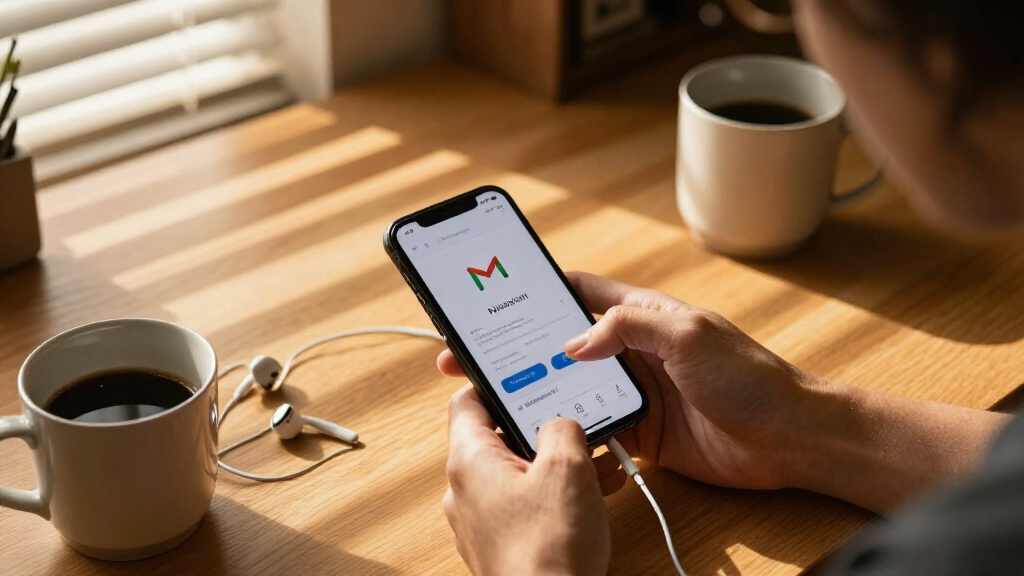
Google’s privacy policy, effective October 16, retains a general restriction on using Gmail, Drive and Photos content for targeted ads but adds an exception for data users choose to share with other Google services that support personalized advertising. The report does not establish that Google is automatically using everyone’s private content for ads; the scope and handling of previously saved information remain unclear.
Google’s updated privacy policy, which took effect on October 16, says information from Gmail, Google Photos and Drive may be used for personalized ads if users choose to make it available to other Google services that support ad personalization. The change qualifies the company’s general restriction on using content from those services for advertising; it does not establish that Google is automatically scanning all users’ private messages and photos to select ads.
The revised wording says Google does not use content from Gmail, Drive or Photos for targeted advertising by default, but adds an exception: “unless you choose to make data from these services available to other Google services that support personalized ads.” Dexerto reported the change, citing an update first spotted by Android Authority. Under the policy wording described in the report, the exception depends on a user making data available to an eligible service.
The report connects the change to Google’s Personal Intelligence features, which can let services such as Search and Gemini use information from connected apps to tailor recommendations. A user might, for example, connect Gmail so a service can use a hotel reservation to help with travel planning. The updated policy says data made available in this way could also inform which advertisements are shown.
Google’s stated restriction and the new exception are distinct from advertisers receiving a user’s private content. According to the report, Google says advertisers cannot directly access private emails, photos or personally identifying information without permission. The policy update concerns possible use of shared information in ad personalization, not direct advertiser access to a person’s inbox or photo library.
How Connected Apps Could Affect Ads
The change matters because connecting a personal account to an AI or recommendation service may have consequences beyond the feature a user is trying to use. Information shared to get help organizing travel or finding nearby restaurants could, under the revised policy, also shape personalized advertising. That makes the scope of app permissions and the terms attached to them relevant to people using Google’s AI features.
The update does not mean every Gmail message or Google Photos image is now being used to target ads. The reported exception applies when users choose to make data available to services that support personalized ads. Readers should distinguish that conditional policy language from a claim of routine, automatic scanning across all accounts.
The wording also puts greater weight on what happens after a user connects an app. Users may want to check which services have access and whether personalized recommendations are enabled. The report describes ways to disconnect apps or disable recommendations, but does not establish that these steps remove information already retained in Google’s records.
As an affiliate, we earn on qualifying purchases.
Personal Intelligence and the Policy
Google has been adding AI features that can draw on information across its services. Dexerto describes Personal Intelligence as a way for Search and Gemini to use connected-app information for more relevant assistance. This cross-service functionality provides the immediate context for the policy’s new exception: users may share information with one service for a personalized experience, while the revised terms address possible ad use by services that support personalized advertising.
The report also notes Google introduced an AI-powered Gmail inbox that analyzes messages to surface important information, reminders and upcoming tasks. That product detail is separate from the policy change: the report does not say that using the inbox feature alone automatically makes email content available for ad targeting. The described exception concerns information users choose to share with eligible services.
Google faces broader questions about account data use. Dexerto says the company began analyzing Canadian users’ Google searches and YouTube viewing histories in September to estimate their ages, with some adults potentially asked to verify their identities. That is a separate development and does not establish how the Gmail, Photos and Drive policy exception will be applied.
““unless you choose to make data from these services available to other Google services that support personalized ads.””
— Google, in the updated privacy policy as quoted in the Dexerto report
As an affiliate, we earn on qualifying purchases.
Questions About Scope and Retention
The available report does not specify which exact categories of Gmail, Photos or Drive information may be used, how long data shared with an eligible service is retained, or how that information is separated from other account data. It also does not identify every service covered by the phrase “support personalized ads” or explain whether users will see a separate prompt when they connect an app.
It remains unclear how the policy will be implemented in practice and whether the exception applies identically across products, regions or account settings. The policy wording indicates a conditional possibility, but the report does not provide evidence that Google has already used any particular user’s shared messages or images to select an advertisement.
Dexerto, citing Android Authority, says disconnecting an app may not delete information Google previously saved in Search Services History. The report does not detail what information might remain, how users can review or delete it, or whether disconnection changes the retention of data already recorded.
encrypted USB flash drive hardware encryption
As an affiliate, we earn on qualifying purchases.
As an affiliate, we earn on qualifying purchases.
Reviewing Connected Google Services
Users concerned about the change can review connected apps in their Google Account settings, disconnect Gmail, Photos or other apps from Personal Intelligence, and disable Personalized Recommendations, according to the report. These actions may limit future access or personalization, but users should not assume they erase information already saved; the report specifically flags uncertainty about data retained in Search Services History.
Google has not, in the source material, provided a detailed account of the data categories affected or a timetable for further explanation. The next useful clarification would be a product-by-product description of what information is shared, how it may affect ads, and what controls apply to previously stored data. Until then, the confirmed development is the policy’s conditional exception, not proof of universal ad use of private account content.
privacy-focused Android smartphone
As an affiliate, we earn on qualifying purchases.
As an affiliate, we earn on qualifying purchases.
Key Questions
Does the policy mean Google will use everyone’s Gmail messages for ads?
No. The report says Google retains a general restriction on using Gmail, Drive and Photos content for targeted ads by default. The added exception applies when users choose to make data available to other Google services that support personalized ads.
What information could be involved?
The policy wording covers data from Gmail, Google Photos and Drive that users make available to eligible Google services. The report does not specify exact data categories or explain how individual messages, images or files might be treated.
Can advertisers see private emails or photos?
According to the report, Google says advertisers cannot directly access private emails, photos or personally identifying information without permission. That assurance is distinct from the possibility that shared information could help determine which ads a user sees.
How can users limit connected-app use?
Dexerto says users can disconnect Gmail, Photos and other apps from Personal Intelligence or disable Personalized Recommendations in Google Account settings. The report cautions that disconnecting an app may not delete information previously saved in Search Services History.
When did the policy change take effect?
The report says the update took effect on October 16, but the source material does not specify the year.
Source: fediverse
Halloween Picks
halloween
As an affiliate, we earn on qualifying purchases.