
🔍 Read the full analysis: Which Voice Modes Is OpenAI Retiring From ChatGPT? on ThorstenMeyerAI.com

Get the latest gadgets delivered free with Prime
- Fast, free delivery on millions of items
- Prime Video, Amazon Music and more included
- Member-only deals all year
TL;DR
OpenAI plans to remove Advanced and Standard voice from ChatGPT on December 11, 2026, leaving GPT-Live as the remaining voice mode. The company says nearly all ChatGPT voice users already use GPT-Live, but some users report differences in interruptions, sound and accessibility. Live video and screen sharing will continue to rely on Advanced voice for now.
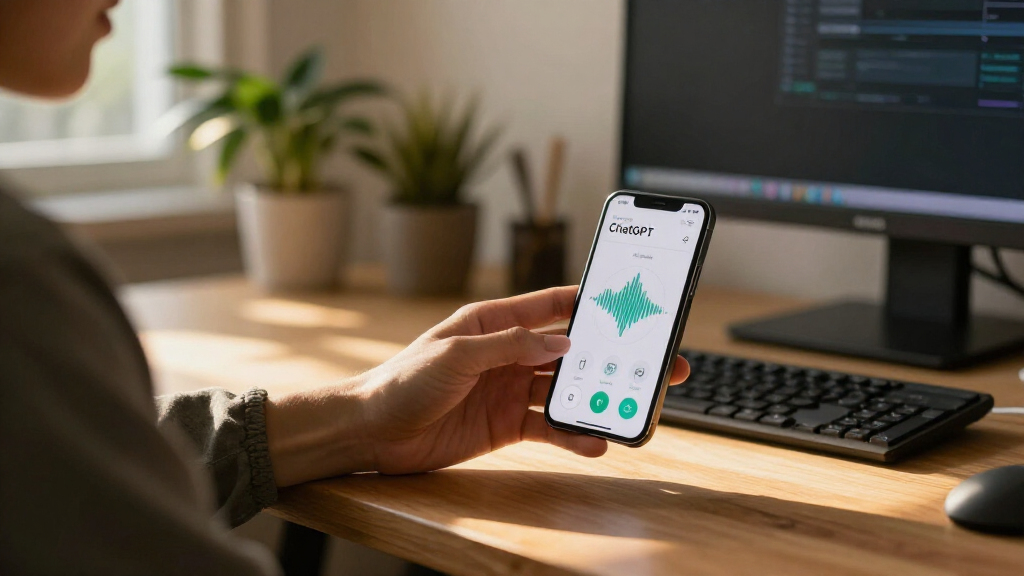
OpenAI will retire ChatGPT’s Advanced and Standard voice modes on December 11, 2026, leaving GPT-Live as the remaining voice option in the service’s settings. The company announced the change on November 10 and says nearly all ChatGPT voice users already use GPT-Live, but some users say the older modes sound and behave differently in ways they rely on.
OpenAI’s announcement says users can keep using Advanced and Standard voice during the 31-day notice period. On December 11, the two options are due to disappear from Settings > Voice. According to OpenAI Help Center wording quoted by Interesting Engineering and FourWeekMBA, people who selected either mode will be switched to GPT-Live, with no manual migration required.
Existing conversations are not being deleted, according to Interesting Engineering. Users can continue those chats by text or voice; spoken replies will use GPT-Live after the retirement. The help center also says live video and screen sharing will continue to use Advanced voice until GPT-Live supports those functions. OpenAI has not provided a date for that capability change.
Another stated exception concerns voice with custom GPTs, which will continue using Advanced voice until December 11. That date coincides with a separate planned retirement of custom GPTs, according to reporting that cites OpenAI release notes and migration guidance. OpenAI’s post on X is the source for its explanation of the voice change; details about exceptions and chat history are reported from help center material quoted by other outlets.
Which Voice Modes Is OpenAI Retiring? What Changes on December 11
Advanced and Standard voice are scheduled to leave ChatGPT, with GPT-Live becoming the remaining voice option. The switch affects how people interact, while some features still depend on Advanced voice.
What changes in ChatGPT
Users of the retiring modes are expected to switch to GPT-Live automatically.
- Advanced voice
- Standard voice
- Choice of older interaction styles
- GPT-Live voice
- Existing conversations stay available
- Voice replies in continued chats use GPT-Live
Different ways of speaking
The modes handle speech differently, which can matter to people who rely on a familiar cadence or interaction pattern.
Chained speech
Uses speech recognition, a language model and text-to-speech.
Waits for the user
Processes speech directly and waits for the user to finish before responding.
Listens and speaks
Designed to listen and speak at the same time.
Features still tied to Advanced voice
Some functions do not move to GPT-Live on the announced schedule.
They will continue to use Advanced voice until GPT-Live supports them; no date has been announced.
Voice with custom GPTs will continue using Advanced voice until December 11.
This ChatGPT settings change does not itself announce an API shutdown. Developers should check separate API notices.
What users report
Some users say GPT-Live interrupts, uses conversational fillers or sounds different. Others say they rely on voice for accessibility; these reports do not show how widespread the concerns are.
What Voice Users Will Lose
The change affects more than the name shown in a settings menu: the three modes handle speech differently. Standard voice chains speech recognition, a language model and text-to-speech. Advanced voice processes speech directly but, according to descriptions of OpenAI’s help material, waits for the user to finish before responding. GPT-Live is designed to listen and speak at the same time.
That difference matters to people who have developed routines around a particular voice or interaction style. TechRadar reported complaints that GPT-Live interrupts, uses conversational fillers such as “yeah” and “anyway,” or does not sound like the older voices. Users on OpenAI’s community forum have also said they rely on voice for accessibility. Those reports establish that some users object to the switch, but do not show how widespread the concerns are.
For people who use voice casually, a single remaining mode may simplify the product. For people who depend on a particular cadence or interaction pattern, the move removes choice. The transition also leaves video and screen sharing tied to a mode scheduled for retirement, with no public date for when GPT-Live will take over those features.
Popular right now

KitchenAid 5.5-Quart Bowl-Lift Stand Mixer, Porcelain White

KitchenAid Artisan 5-Quart Tilt-Head Stand Mixer, Almond Cream

Philips Baristina Espresso Machine with Milk Frother (BAR308/60)
As an affiliate, we earn on qualifying purchases.
How GPT-Live Differs
OpenAI introduced GPT-Live on July 8, 2026, describing it as a new generation of voice models for natural human-AI interaction and saying it powers ChatGPT Voice. In its November 10 post, the company said voice usage had “nearly doubled” since GPT-Live arrived in July and that “virtually all” people using voice in ChatGPT now use it. Those are OpenAI’s figures; the announcement did not provide the underlying counts, measurement period details or a breakdown by user group.
OpenAI’s developer documentation describes the API model GPT-Live-1 as a full-duplex voice model that can listen and speak simultaneously and delegate reasoning or tool use to a backend agent. This API description offers technical context for GPT-Live but should not be read as a claim that every API product is being retired. The announced December change applies to voice modes in ChatGPT.
ChatGPT’s mode retirement is not itself an API deprecation, according to the source material. OpenAI’s API deprecation page did not list a voice deprecation announced on November 10. Separately, several older API voice and audio models have shutdown dates listed between January 6 and February 26, 2027. Developers should check the API notices for those models rather than treating the ChatGPT settings change as an API shutdown.
““I’m beyond disappointed because ChatGPT means a lot to me.””
— A ChatGPT user quoted by TechRadar
Open Questions on the Switch
OpenAI has not said when GPT-Live will support live video or screen sharing, so Advanced voice is set to remain behind those features until further notice. The company’s announcement also does not provide a detailed comparison of the old and new voices, explain whether users will get options to adjust GPT-Live’s conversational style, or say whether the retired modes could return.
The size of the user backlash is also unclear. OpenAI says “virtually all” voice users already use GPT-Live, while TechRadar described a small but vocal group of opponents. A forum thread titled “Keep Standard Voice Mode!” had 100 posts when the source article checked on November 12, but that figure is a raw post count, not a measure of how many users oppose the decision. Reports about interruptions, fillers and accessibility needs are user accounts, not published comparative testing.
Help Center details in the source material were reported through other outlets because the pages could not be machine-read for the article’s verification. The core retirement announcement and adoption rationale come from OpenAI’s own X post. It also remains important to distinguish this ChatGPT product change from separate API model retirement dates.
The December 11 Changeover
Users can continue selecting Advanced or Standard voice until December 11, 2026, based on OpenAI’s announced schedule. On that date, the modes are expected to be removed from ChatGPT’s voice settings and affected users switched to GPT-Live. Existing conversations should remain available, and no user-side migration is described as necessary.
People who use voice for accessibility or for work may want to test GPT-Live before the change and check whether its response style works for them. Users who rely on live video or screen sharing should watch for a separate update, since OpenAI has not said when GPT-Live will support those functions. Developers should follow the API deprecation documentation for model-specific notices; the ChatGPT retirement announcement does not, by itself, set a shutdown date for API voice services.
The next concrete milestone is the scheduled removal on December 11. OpenAI has not announced a date for GPT-Live support for the remaining Advanced voice features or described any later changes to the voice lineup.
Key Questions
Which ChatGPT voice modes are being retired?
Advanced voice and Standard voice are scheduled to be removed from ChatGPT on December 11, 2026. GPT-Live is set to remain as the voice option.
Will old voice conversations be deleted?
No deletion is described in the source material. Interesting Engineering reports that existing conversations will remain in chat history and can be continued by text or voice; voice continuations will use GPT-Live after the switch.
What happens to live video and screen sharing?
OpenAI Help Center wording quoted by FourWeekMBA says those features will continue to use Advanced voice until GPT-Live supports them. OpenAI has not said when that support will arrive.
Does the change retire OpenAI’s voice API models?
Not as part of this ChatGPT announcement. The announced change concerns modes in ChatGPT. Separate older API voice and audio models have listed shutdown dates between January 6 and February 26, 2027, according to the source material.
Source: ThorstenMeyerAI.com