
📊 Full opportunity report: Toyota, Nissan, And Honda Consider Standardizing Parts To Cut Expenses on IdeaNavigator AI — validation score, market gap, and execution plan.

Get the latest gadgets delivered free with Prime
- Fast, free delivery on millions of items
- Prime Video, Amazon Music and more included
- Member-only deals all year
TL;DR
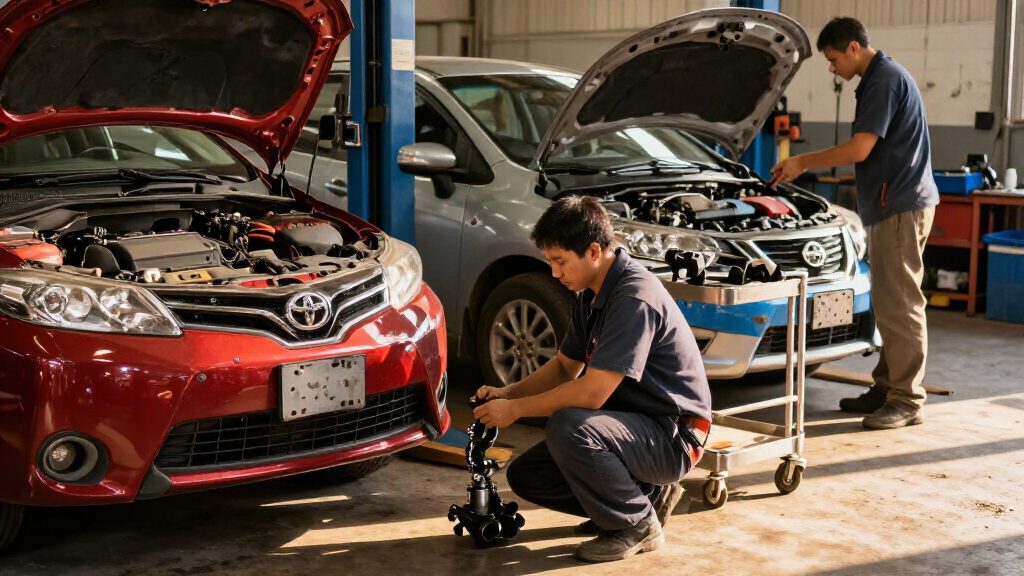
A monitoring brief identifies a claim that Toyota, Nissan and Honda may standardize parts to lower costs. The available information does not establish that the automakers have agreed to a plan, or specify which parts, markets or timeline might be involved.
Toyota, Nissan and Honda are described as considering parts standardization to reduce expenses, but the available brief does not cite a company announcement or document confirming the plan. It also gives no details on which components, models or markets could be covered, leaving the development unverified and its practical effect uncertain.
The information appears in an IdeaNavigator AI automotive retail monitoring brief, which uses the phrase “Toyota, Nissan, and Honda to standardize parts to lower costs” as an example of an industry development that a monitoring service might surface. The brief frames the item as relevant to independent dealerships and auto shops, which may need to track changes that affect vehicle sales, service work or parts availability.
However, the brief does not link to a statement from Toyota, Nissan or Honda, name an executive or other spokesperson, or cite a filing, report or agreement. It supplies no parts list, cost estimate, participating business units, geographic scope or start date. On the information available, the headline wording should be treated as a claim to verify, not as proof the three automakers have decided to adopt a shared parts strategy.
The brief says the item surfaced on Hacker News with a signal score of 88 out of 100. It does not explain how that score is calculated, identify a comparison period or baseline, or show that the score reflects industry confirmation. The figure describes the monitoring service’s signal, not the likelihood that the reported plan is real.
Parts standardization claim remains unverified
A monitoring brief says Toyota, Nissan and Honda may standardize parts to lower costs. It provides no company confirmation or details about scope.
What the brief establishes
It flags a possible cost reduction idea, with no cited announcement or agreement.
Three automakers named
Toyota, Nissan and Honda are described as considering standardization.
No confirmation cited
The brief includes no company statement, document or named spokesperson.
What remains unknown
The available account does not establish whether discussions or an agreement exist.
Why shops should pay attention
A confirmed change could affect sourcing or inventory planning, depending on its scope.
- Shared parts could change sourcing needs
- Shops may need to review inventory if service parts are affected
- No new shared part numbers are confirmed
- No price reductions or supply changes are demonstrated
Verify before acting
Independent dealerships and repair shops should seek company statements or reliable reporting before changing orders or advising customers.
Look for direct statements from Toyota, Nissan and Honda or reporting that cites company representatives or documents.
Establish affected components, markets, models and any implementation dates.
Possible Effects on Parts and Repairs
If the automakers do pursue shared or standardized components, the details would determine whether the change affects independent repair businesses. A common part used across more vehicles could, in principle, alter sourcing, inventory planning or the range of components a shop needs to keep on hand. Those are possible implications, not established outcomes of this report.
For independent dealerships and repair shops, the immediate issue is less a confirmed operational change than the need to verify the claim before making decisions. A parts strategy might concern manufacturing costs alone, or it could affect service parts and vehicle platforms; the brief does not say. Until the companies or reliable reporting clarify the scope, businesses should not assume there will be new shared part numbers, changed supply arrangements or lower prices for customers.
The claim also matters because coordination among major automakers could attract attention from suppliers and other industry participants. But no evidence presented here establishes the form of any coordination, whether suppliers are involved, or whether standardization would be limited to selected components. The cost rationale is part of the reported framing, not a quantified saving or a demonstrated benefit.
Popular right now

DREAME D20 Air Plus Robot Vacuum and Mop with Auto-Empty Dock

KitchenAid Artisan 5-Quart Tilt-Head Stand Mixer, KSM150PS, Almond Cream

Vitamix VX1 Professional-Grade Blender, 64 oz, Black
As an affiliate, we earn on qualifying purchases.
How the Claim Reached Retailers
IdeaNavigator AI presents the item as an example of a proposed automotive retail signal monitor: a service that would watch news feeds and other sources for vehicle launches, recalls and regulation, then summarize developments for dealership and repair-shop decision-makers. The brief identifies an independent dealership owner or sales lead as its intended reader, rather than presenting a detailed account of negotiations among the automakers.
It says Hacker News surfaced the item with an 88/100 signal, but gives no underlying post, publication date or supporting reporting in the material provided. That makes the monitor’s score a discovery signal rather than independent confirmation. The brief’s suggested next step is to test whether role-specific summaries help readers make or share decisions; it does not report that this test has happened or that any dealership changed its plans in response to this item.
This distinction is important: a monitoring product can identify a topic that may deserve attention without establishing that the underlying development has occurred. In this case, the available account identifies a possible cost-reduction idea, while leaving the companies’ positions and any concrete agreement unsubstantiated.
Agreement Details Remain Unverified
No confirmation from Toyota, Nissan or Honda is included in the available information. It is unclear whether the companies are in discussions, whether “standardize” refers to shared components or common specifications, and whether the idea concerns production parts, replacement parts or both. The brief does not identify who would participate in a decision or whether suppliers would be part of it.
There is also no evidence here of a timetable, a list of affected models, expected savings or any change to parts availability. The 88/100 signal score has no stated methodology or baseline, so it cannot be read as a probability or as a measure of confirmation. Further reporting or direct company statements would be needed to establish whether a plan exists and what it would mean for retail and repair businesses.
Verification Before Shop Decisions
The next step is to seek direct confirmation and specifics from the three automakers or from reliable reporting that cites company representatives or documents. Key points to establish include whether discussions or an agreement exist, which components and markets are covered, and whether any savings or implementation dates have been set.
IdeaNavigator AI proposes testing its monitoring concept by delivering this brief and two additional automotive developments to five people who match its intended dealership or shop audience. It says the test would measure whether a reader changes a decision or forwards an item to a colleague. That is a proposed validation exercise, not a completed study, and it would assess the usefulness of the monitoring service rather than confirm the automakers’ reported plan.
Until more evidence is available, independent businesses can treat the item as a lead for verification, not a basis for revising parts orders, inventory or customer guidance. Any later confirmed announcement would need to be assessed against the specific parts and businesses affected.
Source: IdeaNavigator AI
Key Questions
Have Toyota, Nissan and Honda confirmed a parts-standardization plan?
No confirmation is provided in the available brief. It does not cite a statement or document from any of the three automakers.
What parts would be standardized?
The brief does not identify any components, vehicle models or parts categories. It is unclear whether the claim concerns manufacturing components, replacement parts or both.
Why could this matter to independent repair shops?
If a confirmed plan affected service parts, it could have implications for sourcing and inventory. Those effects remain hypothetical because the reported scope and implementation details are not available.
Does the 88/100 score confirm the report?
No. The brief attributes that score to a Hacker News monitoring signal and does not explain its methodology or comparison baseline. It is not evidence that the automakers have confirmed a plan.
Source: IdeaNavigator AI