
Using nanotech, you can cut your carbon footprint by improving energy efficiency and adopting eco-friendly materials. Nanomaterials make renewable energy devices like solar panels and batteries more effective, helping you rely less on fossil fuels. They also enable cleaner manufacturing processes and better pollution filtration, reducing emissions and waste. By embracing nanotechnology, you’re supporting sustainable practices that lower environmental impact. Keep exploring, and you’ll discover even more ways nanotech can help with carbon reduction.
Key Takeaways
- Nanomaterials enhance energy efficiency in manufacturing, reducing overall carbon emissions.
- Nanocoatings extend product lifespan, decreasing waste and associated carbon footprint.
- Improved energy storage devices like nanobatteries facilitate greater renewable energy use.
- Advanced nanofiltration systems lower pollution and resource consumption in water and air treatment.
- Development of eco-friendly nanomaterials replaces harmful plastics, minimizing environmental impact.
Nanotechnology offers innovative solutions to reduce your carbon footprint by enhancing energy efficiency and enabling sustainable practices. One of the key ways it does this is through nanomaterial applications, which can markedly improve how we produce, use, and recycle materials. These tiny materials, measured in nanometers, have unique properties like increased strength, lighter weight, and better conductivity, making them ideal for creating eco-friendly manufacturing processes. By integrating nanomaterials into production lines, industries can cut down on energy consumption and reduce waste, leading to a smaller environmental impact.
Nanotechnology enhances sustainability through nanomaterials that boost energy efficiency and reduce waste in manufacturing.
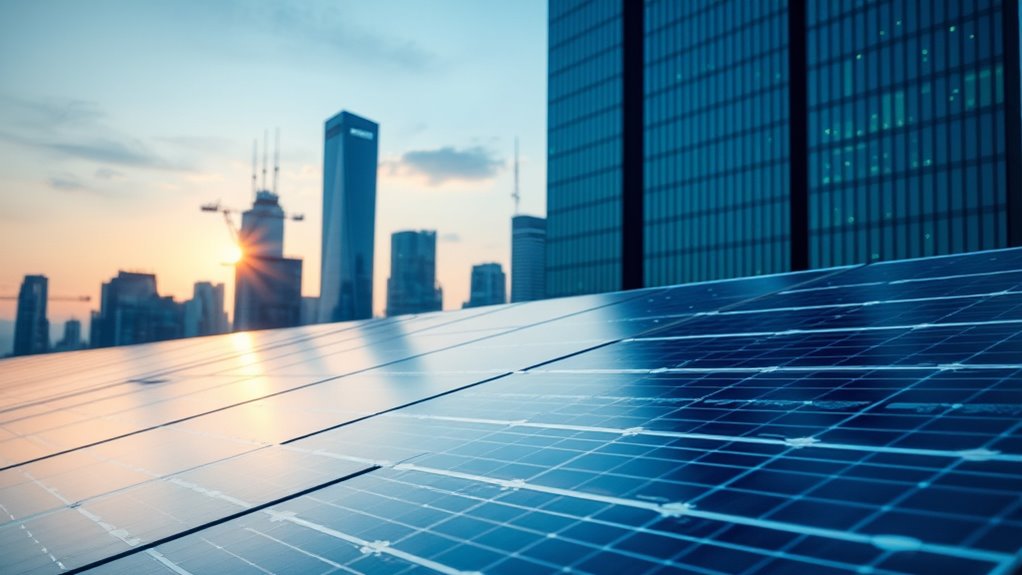
In eco-friendly manufacturing, nanotechnology allows you to develop products with less resource input and lower emissions. For example, nanocoatings can make surfaces more resistant to dirt, water, and corrosion, which means less cleaning agents, maintenance, and material replacement. This reduces the overall environmental footprint of manufacturing facilities and extends the lifespan of products, decreasing waste and the need for constant replacements. Additionally, nanomaterials can enhance the efficiency of solar panels by increasing their light absorption and energy conversion rates. As a result, you get more clean energy from the same surface area, helping to lower reliance on fossil fuels and cut greenhouse gas emissions.
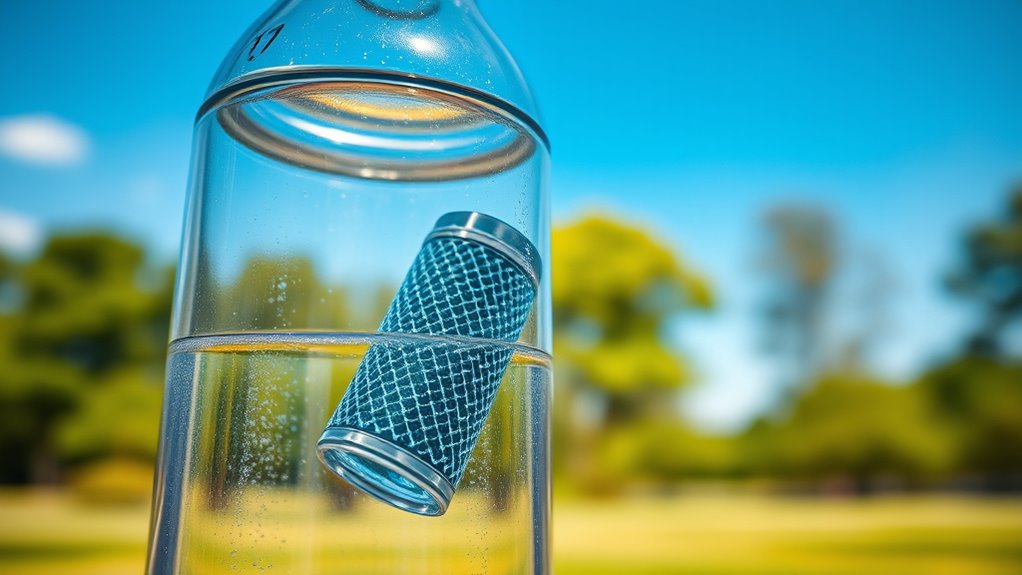
Nanotech also plays an essential role in improving energy storage and transmission. Batteries and supercapacitors made with nanomaterials can store more energy and charge faster, making renewable energy sources like solar and wind more viable and reliable. When you adopt these advanced energy storage solutions, you’re directly contributing to a reduction in carbon emissions by optimizing the use of sustainable energy. Furthermore, nanotechnology can optimize filtration systems, enabling cleaner water and air, which is critical in reducing environmental pollution. Nano-enabled filters can remove contaminants more efficiently, decreasing the need for chemical treatments that often have harmful environmental effects.
Additionally, nanotechnology supports eco-friendly manufacturing by enabling the development of biodegradable and non-toxic materials. You can replace conventional plastics and chemicals with nanostructured alternatives that break down naturally and pose less risk to ecosystems. This shift not only reduces plastic waste but also minimizes the release of harmful substances into the environment. Moreover, the unique properties of nanomaterials can contribute to more efficient and environmentally friendly industrial processes. Overall, by embracing nanomaterial applications, you’re taking meaningful steps towards sustainable practices that lower your carbon footprint, conserve resources, and promote a healthier planet. The versatility of nanotech offers a promising path for industries and individuals alike to make smarter, greener choices that align with the global push for environmental responsibility.

KEJNYT Small Solar Panels 1W 5V 200mA, 5-Pack Wire Clips Mini Solar Panel
- Power Output: 5W, 5V, 200mA per panel
- Panel Size: 89.5mm x 89.5mm
- Operating Temperature: -40℃ to +85℃
As an affiliate, we earn on qualifying purchases.
As an affiliate, we earn on qualifying purchases.
Frequently Asked Questions
How Cost-Effective Is Nanotech for Large-Scale Carbon Reduction?
Nanotech can be cost-effective for large-scale carbon reduction, but it depends on a thorough cost analysis and evaluating economic feasibility. You might find initial investments high, but long-term savings from enhanced efficiency and reduced emissions could outweigh costs. As technology advances, prices are likely to drop, making nanotech more accessible and economically viable for widespread environmental impact. Keep assessing these factors to make informed decisions about its implementation.
Are There Any Health Risks Associated With Nanomaterials?
Imagine tiny warriors invading your body—unseen but potent. You should know that nanomaterial toxicity can pose health risks, making health safety a top concern. These materials, despite their promise, may cause cellular damage or respiratory issues if mishandled. While researchers work to understand and minimize these risks, it’s essential you follow safety guidelines to protect yourself from potential nanomaterial toxicity. Stay informed and cautious when dealing with nanotech.
What Are the Current Regulatory Hurdles for Nanotech Deployment?
You need to navigate complex regulatory approval processes and guarantee safety standards are met before deploying nanotech. Regulatory agencies require thorough testing to verify safety and efficacy, which can slow down deployment. You must stay updated on evolving guidelines, demonstrate responsible innovation, and address potential health and environmental risks. Overcoming these hurdles is essential for market approval and public acceptance of nanotech solutions that can help reduce your carbon footprint.
How Durable Are Nanotech-Based Carbon Reduction Solutions?
Nanotech-based carbon reduction solutions are generally quite durable, thanks to advanced material longevity. You’ll find that nanomaterials can withstand harsh environmental conditions, maintaining their efficiency over extended periods. However, durability varies depending on the specific application and materials used. As you implement these solutions, consider ongoing research and testing to verify nanotech durability meets your long-term sustainability goals and provides reliable, lasting carbon reduction.
Can Nanotech Be Integrated With Existing Environmental Technologies?
Yes, nanotech can be integrated with existing environmental technologies. You can use nano-enhanced materials to improve efficiency and durability, making systems more environmentally compatible. For example, incorporating nanomaterials into filters or catalysts boosts performance while ensuring compatibility with current infrastructure. This integration helps optimize environmental solutions, reducing overall impact and making technologies more sustainable and effective in combating pollution and greenhouse gases.
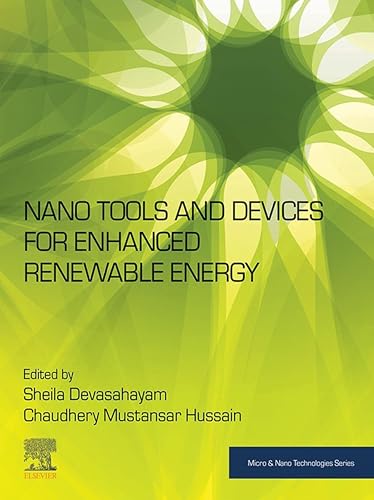
Nano Tools and Devices for Enhanced Renewable Energy (Micro and Nano Technologies)
As an affiliate, we earn on qualifying purchases.
As an affiliate, we earn on qualifying purchases.
Conclusion
By harnessing nanotechnology, you can considerably lower your carbon footprint and contribute to a healthier planet. These tiny innovations enable more efficient energy use and pollution reduction, making a real difference. But have you ever wondered how small changes can create big impacts? When you embrace nanotech solutions, you’re not just improving your environment—you’re shaping a sustainable future for everyone. Isn’t it time you started making those transformative, tiny steps today?

Epic Water Filters REPLACEMENT FILTER for Epic Nano XP Water Filter Pitcher or Dispenser. Nanofiltration Removes Bacteria, Virus, Cyst, Lead, Chromium 6, PFOS, PFOA, Heavy Metals, Pesticides
- NSF Certified for Safety: Ensures safe, contaminant-free water
- Reduces 70+ Contaminants: Removes lead, PFAS, microplastics, and more
- Long-Lasting Filter Life: Filters up to 100 gallons, 3-4 months
As an affiliate, we earn on qualifying purchases.
As an affiliate, we earn on qualifying purchases.
As an affiliate, we earn on qualifying purchases.