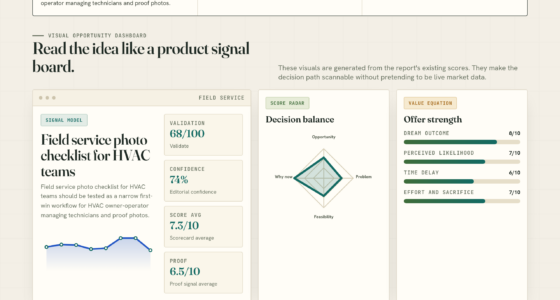
📊 Full opportunity report: Why Phone-Free Venues Need Event Operations Tools on IdeaNavigator AI — validation score, market gap, and execution plan.

Get the latest gadgets delivered free with Prime
- Fast, free delivery on millions of items
- Prime Video, Amazon Music and more included
- Member-only deals all year
TL;DR
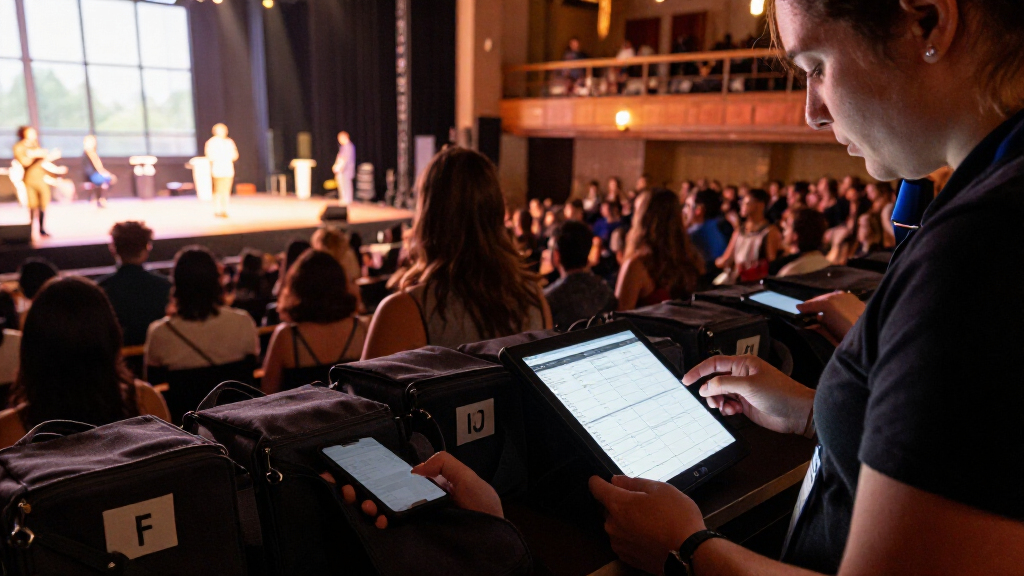
A proposal for phone-free venues identifies operational gaps in events that use locked phone pouches, including exception handling, emergency releases and re-entry queues. It recommends testing a hardware-agnostic tool at five venues and three schools; no pilot results or adoption figures are provided.
IdeaNavigator AI has proposed testing operations software for phone-free events that use lockable phone pouches, targeting problems such as exception handling, pouch tracking and emergency releases. The proposal calls for pilots at five venues and three schools, but it does not report that any pilot has begun or provide results.
According to the IdeaNavigator AI proposal, the suggested tool is aimed at operators of phone-free shows, comedy clubs, schools and courts that already use pouch systems. It would not replace the pouches. Instead, the proposal describes a hardware-agnostic system to coordinate the work around them, where procedures are often handled through improvised processes.
The proposal’s suggested minimum product would include check-in workflows and an exception registry for people who need access to a phone, such as for medical reasons or on-call responsibilities. It would also track pouch inventory, provide designated emergency-unlock stations with logged reasons for releases, and create post-event operations reports.
IdeaNavigator AI identifies lost pouches, bottlenecks at emergency-unlock points and re-entry queues as problems operators may face. These are presented in the proposal as the opportunity the product could address, not as quantified findings from a study. The proposal suggests charging venues or event operators through per-event or per-site subscriptions.
Keeping Phone-Free Events Moving
Phone-free policies affect more than the moment when attendees put away their devices. Operators must manage exceptions, keep track of pouches and respond when someone needs access during an event. If those tasks depend on ad hoc procedures, check-in, re-entry and urgent requests can add friction for staff and attendees.
The IdeaNavigator AI proposal argues that a dedicated operations system could give staff a shared record of pouch assignments and decisions, and create a process for logging emergency releases. That may help venues review what happened after an event and identify where procedures are slowing down. Those benefits remain proposed outcomes: the proposal provides no measured performance results or evidence that a particular tool has solved these problems.
The idea also has a practical boundary. As described by IdeaNavigator AI, it is framed as software alongside existing pouch hardware, rather than a new locking device or a general-purpose event-management platform. Whether operators would pay for a separate system depends on the scale of the administrative burden, the quality of existing processes and whether the software works with the pouch systems they already use.
phone pouch inventory management system
As an affiliate, we earn on qualifying purchases.
As an affiliate, we earn on qualifying purchases.
Pouch Policies and Daily Work
IdeaNavigator AI points to phone-free policies in schools, comedy tours and courtrooms as settings where use of locking pouches is spreading. The proposal does not give a timeline, adoption count or named examples, so the scale and pace of that spread cannot be established from the information it provides.
The proposal’s central observation is that the pouch is only one part of operating a phone-free event. Staff still need to manage arrival, account for equipment, handle people who have legitimate reasons to access a device, and coordinate urgent releases. The suggested product addresses those operational tasks rather than making a case for or against phone restrictions.
The proposal describes the current alternative as improvisation, but does not document how specific venues currently handle these processes. Its suggested test is to compare a new workflow with each pilot site’s existing approach, rather than assume that all operators have the same needs.
As an affiliate, we earn on qualifying purchases.
Pilot Evidence Still Missing
In the IdeaNavigator AI proposal, no venue, school, software provider or pouch-system company is identified as a participant, and it does not say whether a product has been built. It also provides no pilot findings, customer commitments, pricing figures or adoption data. The suggested five-venue and three-school test is a validation plan, not a confirmed trial.
The proposal says the suggested evaluation would measure exception-handling time and incident-log completeness against the current improvised process. It does not specify how long pilots would run, how those measures would be defined, or whether queue length, staff workload, lost-pouch rates and user experience would also be tracked. Those details would affect how much could be concluded from a test.
The proposal also leaves unclear how the system would connect to different pouch products, who would be responsible for sensitive exception records, and what procedures would govern emergency access. It names medical and on-call needs as examples, but does not set out privacy safeguards or rules for deciding who qualifies for an exception.
event operations software for phone-free venues
As an affiliate, we earn on qualifying purchases.
As an affiliate, we earn on qualifying purchases.
Testing the Workflow in Venues
The next step outlined in the IdeaNavigator AI proposal is to recruit five venues and three schools for pilots. Operators would compare the tool with existing procedures, focusing on how long exception requests take and whether incident records are complete. The proposal gives no launch date, participating sites or trial schedule.
For a useful evaluation, pilot organizers would need to define the measures before testing and record how each site handles pouches and exceptions without the software. They would also need to document staff training, emergency-release procedures and privacy protections. Those details would help distinguish a product effect from differences in venue size, event format or policy.
If testing proceeds, results could help determine whether the workflow is valuable enough for operators to adopt on a per-event or per-site basis. Until those findings are available, the idea remains a proposed opportunity for operational software, rather than a verified solution or an established market.
Source: IdeaNavigator AI proposal for phone-free venue operations
lockable phone pouches with tracking
As an affiliate, we earn on qualifying purchases.
As an affiliate, we earn on qualifying purchases.
Key Questions
What would the proposed phone-free venue tool do?
According to the IdeaNavigator AI proposal, it would coordinate check-in, exception records, pouch inventory, emergency-release logs and post-event reports for operators using phone-locking pouches.
Is the tool available or already being tested?
The IdeaNavigator AI proposal does not confirm that software has been built or that pilots are underway. It recommends testing at five venues and three schools.
Who is the tool intended for?
The proposal aims the tool at operators of phone-free shows, comedy clubs, schools and courts that use pouch systems.
How would the proposed pilots measure results?
The IdeaNavigator AI proposal suggests measuring exception-handling time and incident-log completeness compared with each site’s current process. It provides no pilot results or detailed measurement protocol.
How might the service make money?
The proposal suggests per-event or per-site subscriptions, but gives no price or evidence of customer demand.
Source: IdeaNavigator AI
Halloween Picks
halloween
As an affiliate, we earn on qualifying purchases.