
🔍 Read the full analysis: Transforming Senior Living: Using AI To Improve Daily Activities on ThorstenMeyerAI.com
Get ready for Prime Big Deal Days — try Prime free
Exclusive member deals on October 6–7, plus fast free delivery. Cancel anytime.
Start your free trialAs an affiliate, we earn on qualifying purchases.
TL;DR
OpenAI has released a publication offering guidance on how seniors can use AI assistants for everyday tasks. The initiative aims to improve older adults’ independence and social connection, though specific features and programs remain unconfirmed.
OpenAI has published a guidance document titled “Helping older adults use AI in everyday life,” aimed at making AI tools more accessible and practical for seniors. The initiative emphasizes how AI assistants can support daily activities such as health management, staying connected, and learning new skills. While the full details of the program are not publicly available, the move signals a deliberate effort by OpenAI to target an aging demographic that is increasingly online but underrepresented in mainstream AI design.
The publication highlights the potential of AI assistants to aid seniors facing mobility, vision, or memory challenges, helping them maintain independence. OpenAI’s guidance promotes conversational AI as a natural, user-friendly interface that can reduce barriers for older users who may struggle with traditional computing devices.
It is confirmed that OpenAI issued this guidance specifically aimed at older adults, but specific features, safety protocols, or targeted programs have not been detailed or independently verified. The company’s focus appears to be on broad usability improvements rather than launching dedicated products or partnerships at this stage. The guidance also implicitly addresses the role of family members and caregivers in supporting seniors’ AI adoption.
Implications of AI Guidance for Senior Independence
This development is significant because it reflects a shift in AI product strategy toward inclusive design for an aging population. As people over 65 represent a rapidly growing online demographic, providing accessible AI tools can help reduce social isolation, assist with routine health and administrative tasks, and support cognitive engagement. However, the initiative also raises concerns about digital literacy and online safety, given the vulnerabilities of older users to scams and misinformation. The guidance’s effectiveness and actual adoption rates remain to be seen, but it marks an important step toward making AI a practical and safe resource for seniors.
As an affiliate, we earn on qualifying purchases.
Growing Focus on AI Accessibility for Older Adults
The push to make AI tools more senior-friendly aligns with broader demographic trends. Older adults are increasingly active online, yet historically, mainstream AI interfaces have been designed with younger, tech-savvy users in mind. Previous efforts focused on simplified devices or dedicated interfaces; now, conversational AI is being positioned as a more natural, accessible alternative. Surveys indicate that AI usage among those over 50 has grown, particularly for health and search-related activities, but overall adoption still lags behind younger groups.
OpenAI’s publication continues this trend by emphasizing natural language as an interface that removes usability barriers. The company’s prior guidance for students, teachers, and workplace users demonstrates a pattern of audience-specific support. The current focus on older adults extends this approach, aiming to integrate AI into daily routines in a way that is both practical and safe.
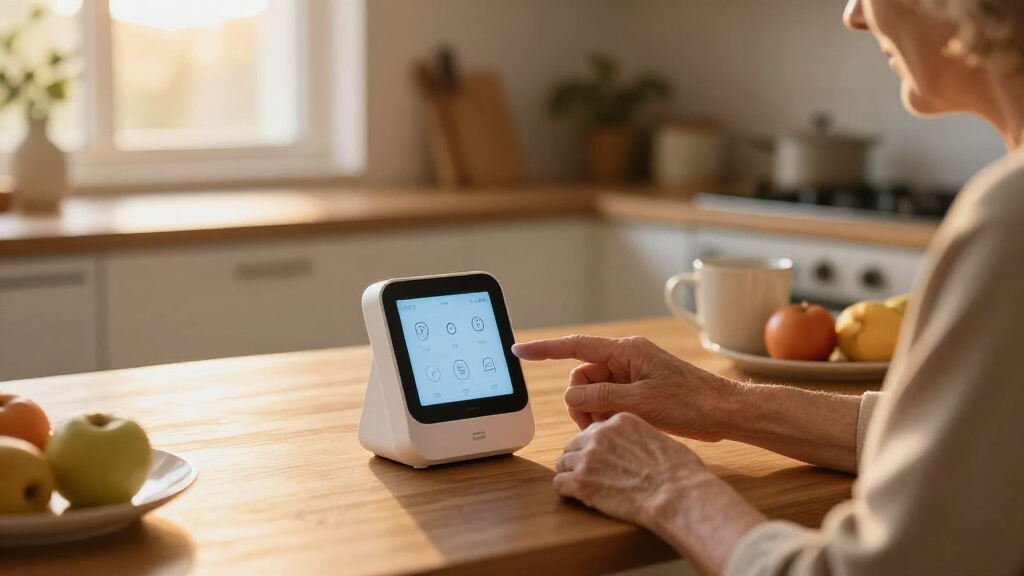
senior-friendly health management device
As an affiliate, we earn on qualifying purchases.
As an affiliate, we earn on qualifying purchases.
Unconfirmed Details on Specific Features and Safety Measures
It is not yet clear whether OpenAI’s guidance includes specific safety features such as fraud warnings, caregiver controls, or accessibility certifications. No detailed programs, partnerships, or research findings have been publicly verified. The full scope of the initiative, including measurable adoption targets or safety protocols, remains unknown. Further information from OpenAI is needed to clarify these aspects.
easy-to-use video calling device for elderly
As an affiliate, we earn on qualifying purchases.
As an affiliate, we earn on qualifying purchases.
Monitoring Future AI Features and Adoption in Senior Care
Expect further developments from OpenAI and other tech firms as they introduce age-specific AI features, such as voice-first interfaces, cognitive support tools, and family account management options. Watch for independent research assessing whether these tools effectively reduce loneliness, improve health outcomes, or enhance independence among seniors. Additionally, regulatory bodies may begin scrutinizing AI safety measures for vulnerable populations, influencing future product design and guidance.
As an affiliate, we earn on qualifying purchases.
Key Questions
Will OpenAI release dedicated AI products for seniors?
It is not confirmed whether OpenAI plans to launch specific products; currently, the focus appears to be on providing guidance and improving general usability for older users.
What safety features are included in this guidance?
Details about safety measures, such as fraud prevention or caregiver controls, have not been publicly disclosed or verified.
How can families support seniors in using AI tools?
Families can assist with setup, encourage safe usage, and stay informed about available features designed to support senior independence and security.
Are there any studies showing AI reduces loneliness in seniors?
While claims are often made about AI’s potential to combat loneliness, rigorous, peer-reviewed research confirming this effect is still limited.
When might we see more senior-focused AI features?
Expect to see new features within the next year, including voice interfaces and family-sharing options, as companies respond to demographic shifts.
Primary source: OpenAI · via ThorstenMeyerAI.com
Fall Picks
fall essentials
As an affiliate, we earn on qualifying purchases.