

Nanomaterials can considerably improve your battery’s performance over time by increasing surface area, which boosts electrode reactions and enhances charge transfer. Their unique structures help prevent capacity fade and allow for faster charging. By controlling size, shape, and composition, nanomaterials optimize energy density and stability, making batteries last longer. As research advances, these innovations promise more durable and efficient energy storage solutions—if you want to understand how, keep exploring these exciting developments.
Key Takeaways
- Nanomaterials increase surface area, enhancing electrode reactions and sustaining battery performance during long-term use.
- Improved electrical conductivity from nanostructures facilitates faster charge transfer over time.
- Tailored nanomaterials resist capacity fade, ensuring consistent energy storage throughout multiple cycles.
- Nanostructured electrodes accommodate volume changes, reducing degradation and extending battery lifespan.
- Advanced synthesis techniques enable durable, stable nanomaterials for sustained, high-performance battery operation.

Nanomaterials have revolutionized battery technology by markedly enhancing performance metrics such as capacity, charging speed, and lifespan. As you explore how nanomaterials can improve batteries over time, it’s clear that their unique properties—like increased surface area and improved electrical conductivity—play a key role. Achieving these benefits begins with nanomaterials synthesis, a process that involves carefully designing and manufacturing nanostructures to optimize performance. During synthesis, you can tailor the size, shape, and composition of nanomaterials to enhance electrode functionality, which results in higher energy density and faster charge-discharge cycles. This precise control allows you to develop batteries that are more efficient and longer-lasting, addressing common issues like capacity fade and slow charging.
Nanomaterials boost battery performance through tailored synthesis, enhancing capacity, speed, and longevity.
One important aspect often overlooked is the integration of nanomaterials into existing battery systems. You need to understand how to incorporate synthesized nanomaterials effectively, ensuring they form stable interfaces and maintain conductivity throughout the battery’s life. This process requires meticulous attention to nanomaterials synthesis techniques, such as chemical vapor deposition, sol-gel methods, or ball milling, to produce high-quality nanostructures suitable for commercial applications. As you refine these methods, you’ll see improvements in the overall performance and stability of batteries, especially in demanding environments like electric vehicles and portable electronics. Additionally, understanding how nanomaterials behave during disassembly can help optimize recycling processes and material recovery. Incorporating nanostructure design into recycling strategies further enhances the ability to recover materials without compromising their performance. Furthermore, focusing on sustainable synthesis methods can reduce environmental impacts during production, supporting greener manufacturing practices.
Another factor that can profoundly influence the future of nanomaterial-enhanced batteries is battery recycling. Recycling becomes essential as you aim for sustainability and cost efficiency. Nanomaterials offer a promising avenue here, because their small size and high reactivity make it possible to recover valuable materials more effectively. Recycling processes can be optimized by understanding how nanomaterials behave during disassembly and reprocessing, ensuring that the recovered materials retain their nanostructure and performance characteristics. This approach not only extends the lifespan of battery components but also reduces environmental impact, aligning with global efforts toward sustainable energy storage solutions. Additionally, advancements in nanomaterials synthesis techniques are enabling more precise control over material properties, further improving recycling efficiency.
Over time, as research advances in nanomaterials synthesis and recycling techniques, you’ll find that batteries become more durable, eco-friendly, and capable of meeting increasing energy demands. The ongoing development of nanostructured electrodes and smarter recycling methods means that your batteries can perform at higher levels for longer periods, all while minimizing waste. In this way, nanomaterials aren’t just improving current battery performance—they’re shaping a more sustainable and efficient energy future.
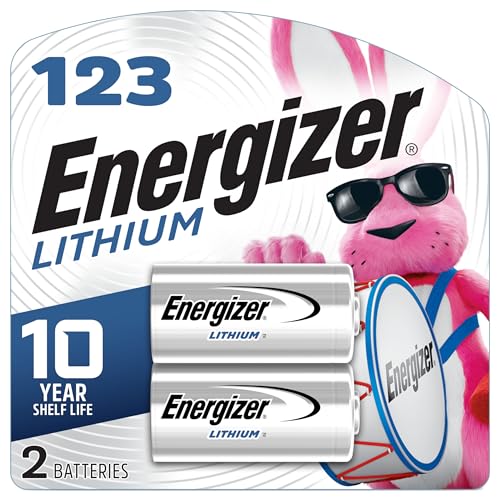
Energizer 123 Lithium Batteries (2 Pack), 3V Photo Batteries
2 pack of Energizer 123 Lithium Batteries
As an affiliate, we earn on qualifying purchases.
As an affiliate, we earn on qualifying purchases.
Frequently Asked Questions
Are Nanomaterials Environmentally Sustainable for Large-Scale Battery Production?
Nanomaterials can be environmentally sustainable for large-scale battery production, but it depends on their sourcing and lifecycle management. You should consider the environmental impact of mining and processing materials, as well as resource availability. When used responsibly, nanomaterials may reduce waste and improve efficiency, but ensuring sustainable practices is key. If you prioritize eco-friendly sourcing and recycling, nanomaterials can become a more sustainable choice for battery manufacturing.
How Cost-Effective Are Nanomaterials Compared to Traditional Materials?
Nanomaterials are incredibly cost-effective compared to traditional materials, revolutionizing the market faster than you can blink. You’ll see a dramatic drop in costs as they enable better battery performance and longevity. The cost analysis shows that initial investments pay off with widespread market adoption, making nanomaterials a game-changer. Their affordability accelerates adoption, transforming the industry and making high-performance batteries accessible to everyone, everywhere.
What Safety Concerns Are Associated With Nanomaterial-Based Batteries?
You should be aware that nanomaterial-based batteries pose toxicity risks due to the tiny particles, which could potentially penetrate skin or be inhaled, leading to health concerns. Fire hazards are also a consideration, as nanomaterials might increase the risk of overheating or combustion if not properly managed. It is crucial to follow strict safety protocols and conduct thorough testing to mitigate these risks and guarantee safe usage.
Can Nanomaterials Be Recycled or Reused in Batteries?
You’ll be pleased to know that nanomaterial recycling is advancing, making battery reuse more feasible. Studies show that over 90% of valuable nanomaterials can be recovered through specialized processes. By recycling nanomaterials, you decrease waste and lower costs, extending battery lifespan. This sustainable approach guarantees that nanomaterials can be reused in new batteries, promoting a more eco-friendly and efficient energy storage system.
How Do Nanomaterials Affect the Long-Term Stability of Batteries?
Nanomaterials greatly boost your battery’s long-term stability through enhanced nanomaterial durability and charge cycle performance. Their small size and unique properties reduce degradation, allowing your battery to maintain capacity over many cycles. You’ll notice improved charge cycle enhancement, meaning fewer capacity losses and longer lifespan. By integrating nanomaterials, you guarantee your battery remains reliable, efficient, and durable, even after extensive use over time.

Blomiky 11.1V 1.6A Fast USB Charge Cable with XH-4P Plug fit for 3S 2200mAh 1500mAh Lipo Li-ion Battery / 3S 1.6A USB
XH-4P white 4 pin connector plug. XH-4P plug cross-section size:10*5.9mm/ 0.4*0.23inch. USB to 11.1V 3S Lipo Battery Charger…
As an affiliate, we earn on qualifying purchases.
As an affiliate, we earn on qualifying purchases.
Conclusion
By now, you see how nanomaterials can revolutionize batteries, making them last longer and charge faster. Did you know that incorporating nanomaterials can increase battery lifespan by up to 50%? Imagine powering your devices with batteries that not only last longer but also charge in a fraction of the time. With ongoing research, you’re on the cusp of a future where your gadgets become more efficient and eco-friendly thanks to these tiny, powerful materials.

TENS 7000 TENS Pads Replacement, Battery Kit – Includes 16 Premium TENS Unit Replacement Pads, 4 Lead Wires, 9-Volt Replacement Battery, 1 Electrode Pad Holder for Stim Pads
Official TENS 7000 Refill Kit…. Includes everything you need to continue your TENS 7000 TENS Therapy. Includes 16…
As an affiliate, we earn on qualifying purchases.
As an affiliate, we earn on qualifying purchases.
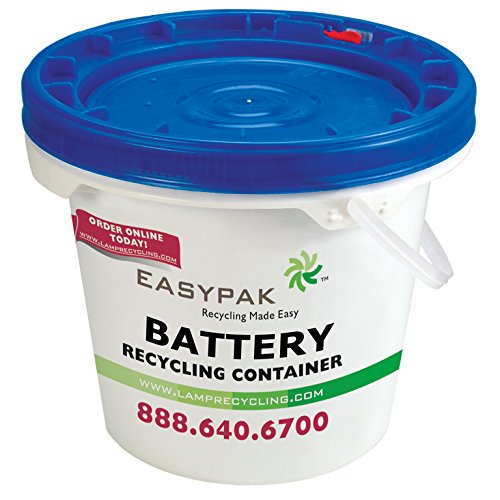
EasyPak™ Mini Battery Recycling Container
As an affiliate, we earn on qualifying purchases.
As an affiliate, we earn on qualifying purchases.