
Nanotechnology in packaging uses tiny materials to improve food preservation and extend shelf life. It strengthens barriers against moisture, oxygen, and microbes, preventing spoilage. Nanomaterials also add antimicrobial properties and can include smart sensors to monitor freshness. These innovations make packaging stronger, more protective, and eco-friendly. If you want to explore how these advanced packaging solutions work and their future potential, there’s much more to uncover ahead.
Key Takeaways
- Nanotechnology enhances packaging barrier properties, preventing moisture, oxygen, and microbes from reaching food.
- Incorporation of antimicrobial nanoparticles inhibits bacteria, molds, and yeasts on packaging surfaces.
- Nano-coatings and biodegradable polymers create active barriers that extend food freshness and shelf life.
- Smart nanosensors monitor food freshness in real-time, enabling timely consumption and reducing spoilage.
- Nanomaterials improve packaging durability, maintaining structural integrity and protecting food during transportation and storage.
The Fundamentals of Nanotechnology in Food Packaging
Nanotechnology in food packaging involves incorporating tiny materials, often measured in nanometers, to enhance the performance and safety of packaging materials. This innovation improves nanotech durability, making packaging stronger, more resistant to wear, and better at protecting food from external factors. As a consumer, your awareness of nanotech’s role helps you understand how these materials extend shelf life and reduce waste. Nanomaterials can provide barrier properties that prevent moisture, oxygen, or microbes from reaching food, keeping it fresher longer. However, understanding the basics of nanotechnology helps you recognize its benefits and potential concerns. With increased consumer awareness, you can make informed choices about products that utilize nanotech advancements, ensuring safety and quality in your food supply. Proper equipment and techniques are essential for achieving optimal results in nanotech-enhanced packaging.
Types of Nanomaterials Used in Food Preservation
Have you ever wondered what types of nanomaterials are used to preserve your food? You’ll find that organic dyes are common, acting as natural colorants with antimicrobial properties. These dyes can indicate spoilage and help extend shelf life by preventing bacterial growth. Biodegradable polymers are another key nanomaterial—they form thin, protective coatings that act as barriers against oxygen and moisture, reducing spoilage. These polymers are eco-friendly, breaking down naturally without harming the environment. Additionally, the use of sustainable materials in nanotechnology ensures that food packaging remains environmentally conscious while maintaining effectiveness. Together, organic dyes and biodegradable polymers are integral to modern food preservation, offering effective, safe, and sustainable solutions. They help maintain freshness while aligning with consumer demands for natural and environmentally conscious packaging options. These nanomaterials are revolutionizing how food stays fresh longer.
How Nanoparticles Enhance Barrier Properties of Packaging

Building on the role of nanomaterials in food preservation, nanoparticles substantially improve the barrier properties of packaging films. By controlling nanoparticle synthesis, manufacturers create ultra-fine particles that fill microscopic gaps in the material, reducing permeability to gases and moisture. This enhanced barrier prevents oxygen and humidity from reaching food, extending shelf life. Additionally, nanoparticles can be integrated without compromising packaging aesthetic, maintaining clarity and transparency while boosting performance. Their small size ensures even distribution, which enhances the film’s strength and barrier capabilities. As a result, packaging becomes more effective at protecting contents from environmental factors. The integration of nanotechnology in packaging also aligns with AI in Education trends by enabling smarter and more sustainable packaging solutions, benefiting both producers and consumers. You benefit from packaging that not only looks good but also offers superior protection, ensuring your food stays fresher longer.
Antimicrobial Nanocoatings and Their Role in Food Safety
Antimicrobial nanocoatings play a crucial role in enhancing food safety by actively inhibiting the growth of bacteria, molds, and yeasts on packaging surfaces. These coatings release ions or agents that target microbes directly, reducing contamination risks. However, bacterial resistance can develop over time, potentially diminishing effectiveness. To address this, researchers design nanocoatings with multiple antimicrobial mechanisms, making resistance less likely. Consumer perception also influences adoption; some may worry about nanomaterials in food packaging. Transparency about safety and benefits helps build trust. Ultimately, antimicrobial nanocoatings offer a powerful tool for extending shelf life and ensuring food safety, but ongoing innovation and communication are essential to overcome resistance concerns and consumer hesitations. Additionally, understanding AI safety measures can help develop better testing protocols to ensure nanomaterials are both effective and safe for consumers.
Advantages of Nanocomposite Materials in Extending Shelf Life
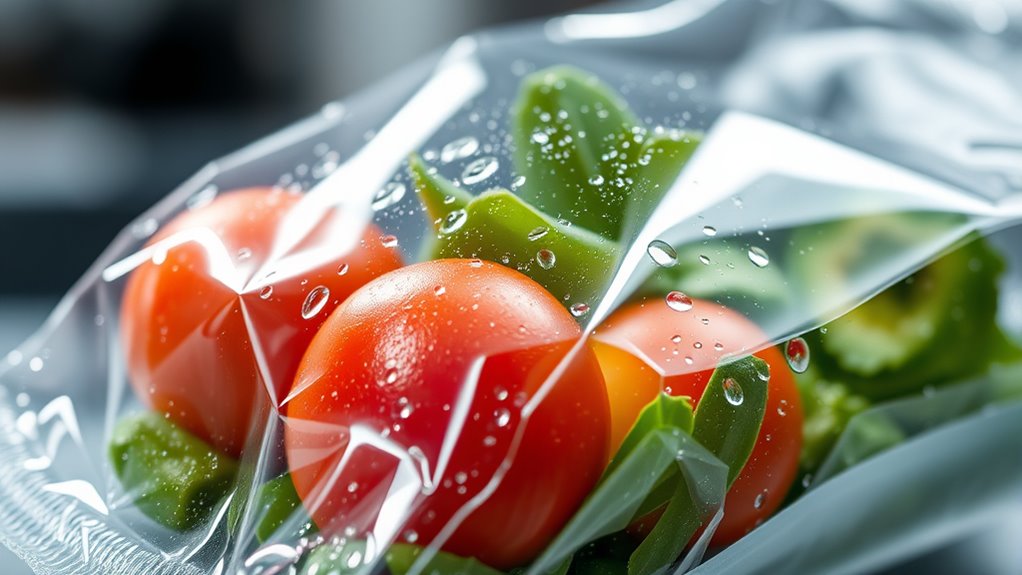
Nanocomposite materials improve packaging by providing stronger barriers against moisture and gases, helping your products stay fresh longer. They also enhance antimicrobial effectiveness, reducing spoilage risks. Additionally, these materials boost mechanical strength, making packaging more durable and reliable. The integration of high-performance materials further optimizes protection and extends shelf life.
Enhanced Barrier Properties
Nanotechnology markedly enhances the barrier properties of packaging materials, helping to keep food fresher for longer. By incorporating nanocomposite materials, you create a stronger shield against moisture, oxygen, and gases that cause spoilage. These advanced barriers reduce permeability, ensuring produce stays fresh and flavors remain intact. Imagine a packaging layer that’s both transparent and ultra-resistant, seamlessly integrating smart sensors to monitor freshness in real-time. Using biodegradable polymers with nanomaterials makes your packaging eco-friendly and functional. Visualize the following:
| Material Type | Barrier Effectiveness |
|---|---|
| Traditional Plastics | Moderate protection |
| Nanocomposite Materials | Superior resistance, longer shelf life |
This synergy of nanotech and smart sensors offers a cutting-edge solution to food preservation challenges.
Antimicrobial Effectiveness Boost
Have you ever wondered how packaging can actively combat bacteria and fungi to keep food safer longer? Nanocomposite materials enhance antimicrobial effectiveness by incorporating nanoparticles that target microbes directly. These tiny particles disrupt bacterial cell walls, preventing food spoilage and extending shelf life. Unlike traditional packaging, nanotechnology offers a proactive defense, reducing reliance on preservatives. Additionally, nanocomposites can improve packaging aesthetics, providing sleek, transparent, and visually appealing surfaces that attract consumers. This dual benefit means your food stays fresher, safer, and more attractive on the shelf. With nanotechnology, you gain a powerful tool to fight microbial growth while maintaining the visual appeal of packaging, ultimately reducing waste and ensuring higher-quality products for longer periods.
Mechanical Strength Improvements
Because nanocomposite materials incorporate nanoparticles that strengthen their structure, packaging becomes more durable and resistant to damage. This enhancement helps protect food better and reduces waste. By integrating nanotechnology with biodegradable polymers, you can create packaging that is both strong and eco-friendly. Additionally, these materials improve packaging aesthetics, making products more appealing on shelves. Here are four key benefits:
- Increased mechanical strength, reducing tears and punctures
- Enhanced resistance to environmental stresses like moisture and impact
- Extended shelf life through better barrier properties
- Improved packaging design options for visual appeal and consumer attraction
These advancements ensure your packaging not only protects the food longer but also aligns with sustainability goals and modern aesthetic standards.
Safety and Regulatory Considerations of Nanotechnology in Food Packaging

As you explore nanotechnology in food packaging, understanding the regulatory frameworks and standards is essential for ensuring safety. You need to contemplate how risk assessments are conducted and managed to protect consumers. Addressing these points helps you navigate the complex landscape of safety and regulation effectively. Additionally, staying informed about trailer music insights and composition techniques can provide valuable perspectives on crafting compelling narratives that could be applied to packaging storytelling and branding.
Regulatory Frameworks and Standards
What regulatory frameworks exist to guarantee the safety of nanotechnology in food packaging? You need to understand that regulators focus on ensuring consumer safety through strict standards. Key frameworks include:
- International standards – organizations like Codex Alimentarius set guidelines for nanomaterials and labeling compliance.
- National regulations – countries have their own rules, such as the FDA in the U.S. or EFSA in Europe, which oversee nanomaterial approval.
- Pre-market approval processes – manufacturers must submit data on safety, efficacy, and potential risks before market entry.
- Labeling requirements – transparent disclosure of nanomaterials helps consumers make informed choices and guarantees compliance with regulatory standards.
Staying compliant with these frameworks helps you navigate the evolving landscape of nanotechnology in packaging and assures consumer trust.
Risk Assessment and Management
Evaluating and managing the risks associated with nanotechnology in food packaging is essential to ensure consumer safety and maintain regulatory compliance. You need to take into account how consumer perceptions influence acceptance and trust, especially since many consumers remain cautious about nanomaterials. Proper risk assessment involves analyzing potential health impacts and environmental effects, which helps regulators develop appropriate standards. Labeling requirements play a vital role, as transparent information about nanomaterials allows consumers to make informed choices. You should stay updated on evolving regulations and guarantee your packaging complies with safety guidelines. By addressing these concerns proactively, you can help mitigate misunderstandings, enhance public confidence, and support the responsible development of nanotechnology in food packaging.
Current Innovations and Commercial Applications
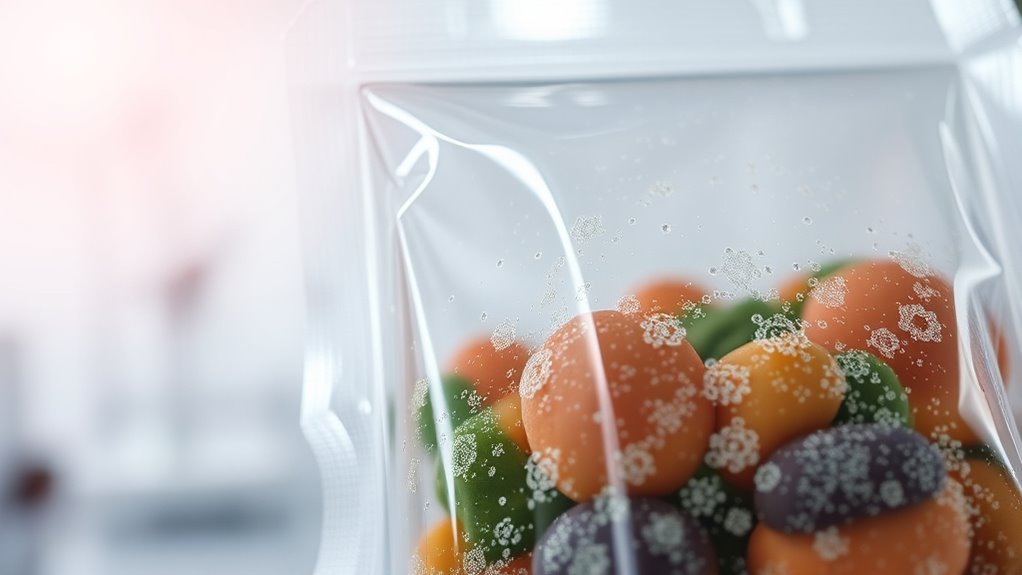
Recent advancements in nanotechnology have led to a surge of innovative packaging solutions that improve product safety, shelf life, and sustainability. You can see how historical developments have paved the way for commercial applications today. Consumer perceptions are shifting as nanotech-based packaging becomes more common, emphasizing safety and eco-friendliness. Here are some current innovations:
- Nanocomposite films for enhanced barrier properties, extending shelf life.
- Antimicrobial nanoparticles integrated into packaging to inhibit bacteria.
- Nano-encapsulated active agents for controlled release of preservatives.
- Smart packaging with nanosensors that monitor freshness and send alerts.
These developments demonstrate how industry adoption accelerates, transforming packaging and aligning with consumer expectations for safer, longer-lasting food products.
Challenges and Limitations of Nanotech-Enhanced Packaging
You might find that regulatory hurdles and safety concerns slow down the adoption of nanotech packaging. Additionally, high costs and scalability issues can make it difficult to bring these innovations to mass markets. Addressing these challenges is essential for the broader implementation of nanotechnology in packaging. Cultivating creative practice can help develop innovative solutions to overcome such obstacles.
Regulatory Hurdles and Safety
What challenges do regulatory bodies face when overseeing nanotechnology in packaging? They must ensure safety without hindering innovation. First, assessing the long-term health effects of nanomaterials is complex due to limited data. Second, establishing standardized testing methods remains a struggle, making consumer acceptance uncertain. Third, regulations vary globally, creating compliance challenges for companies. Fourth, protecting intellectual property while maintaining transparency adds to the complexity. Regulatory agencies must balance innovation with safety, guaranteeing nanotech-enhanced packaging doesn’t pose risks. Concerns about consumer acceptance and potential health impacts influence policymaking. Navigating these hurdles requires careful evaluation, clear guidelines, and international cooperation, so you can confidently adopt nanotech solutions while safeguarding public health and respecting proprietary innovations.
Cost and Scalability Challenges
Implementing nanotechnology in packaging often faces significant cost and scalability hurdles that can slow down adoption. The cost implications of developing nanotech-enhanced materials are high, making widespread use challenging. Manufacturing scalability is another obstacle, as current processes struggle to produce consistent, large-scale nanomaterials efficiently. These factors can deter companies from investing despite the potential benefits. To evoke emotion, consider this table:
| Challenge | Impact | Solution Focus |
|---|---|---|
| High development costs | Limits initial adoption and innovation | Focus on cost-effective methods |
| Manufacturing scalability | Restricts mass production | Improve scalable manufacturing |
| Regulatory uncertainties | Adds financial risk | Streamline approval processes |
Overcoming these barriers is vital for broader adoption and realizing nanotech’s full potential in food packaging.
Future Perspectives and Emerging Trends in Food Nanotechnology
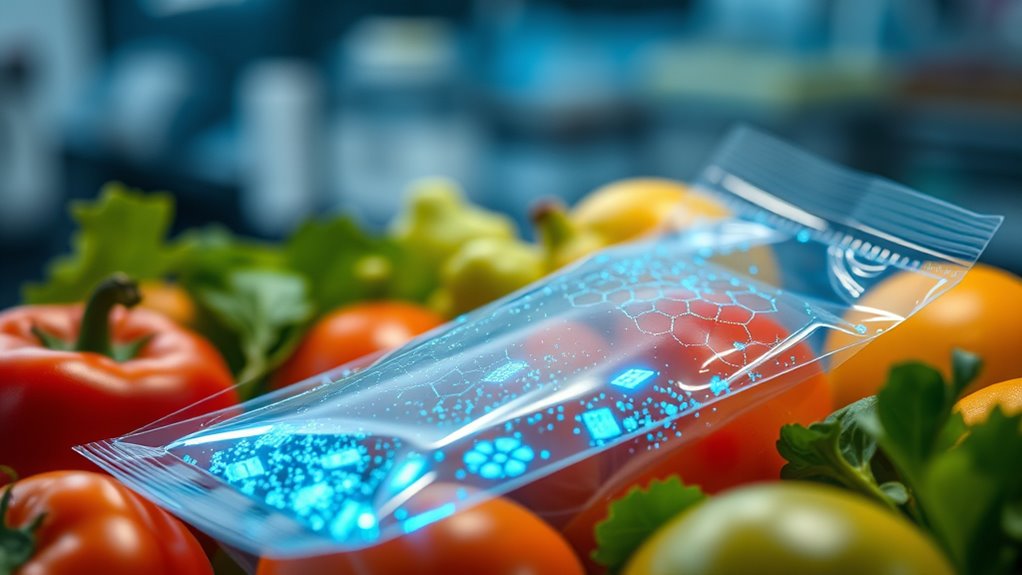
As research in food nanotechnology advances, emerging trends point toward smarter, more sustainable packaging solutions. You can expect innovations like quantum dots for enhanced food tracking and nano sensors that monitor freshness in real time. These technologies will make packaging more responsive and informative. Here are some key future trends:
- Integration of quantum dots for improved food quality detection.
- Development of nano sensors for real-time spoilage monitoring.
- Use of biodegradable nanomaterials to reduce environmental impact.
- smarter packaging that communicates directly with consumers via digital interfaces.
The refinement of dog names is also influencing branding in the pet industry, inspiring more personalized and meaningful options for pet owners. These advancements aim to increase shelf life, reduce waste, and promote sustainability, shaping a future where food packaging is more intelligent and eco-friendly. Staying ahead in food nanotechnology means embracing these cutting-edge innovations.
Environmental Impact and Sustainability of Nanomaterial Use
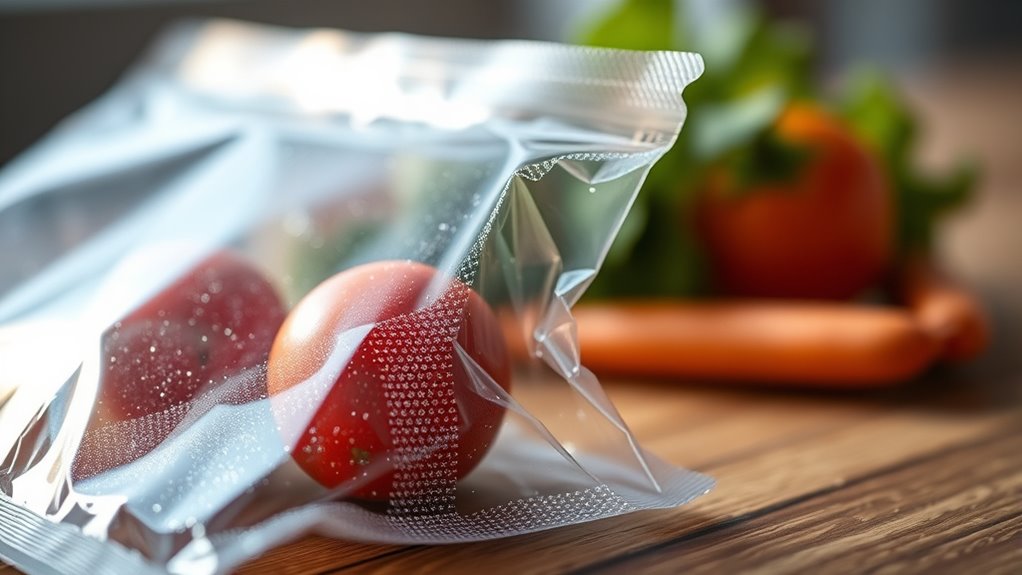
Have you ever considered the environmental footprint of nanomaterials used in packaging? Their life cycle, from production to disposal, can pose recycling challenges, as nanoscale materials may behave differently than traditional ones. These challenges make it harder to break down nanomaterial-infused packaging in waste streams, potentially leading to environmental accumulation. Additionally, manufacturing processes might consume significant energy or generate hazardous waste, affecting sustainability. As you evaluate nanotechnology’s benefits, it’s essential to weigh these impacts and explore eco-friendly alternatives or improved recycling methods. Sustainable practices can help minimize ecological harm and guarantee that nanomaterials contribute positively without compromising environmental health. Ultimately, understanding their full life cycle helps you make informed decisions about adopting nanotechnology in packaging. Incorporating data analysis by AI can assist in optimizing manufacturing efficiency and reducing environmental impact.
Frequently Asked Questions
Are Nanomaterials in Food Packaging Safe for Human Health?
You might wonder if nanomaterials in food packaging are safe for human health. While nanomaterial toxicity remains a concern, current research suggests that when properly designed and regulated, these materials can be safe. Regulatory agencies prioritize consumer safety, ensuring that nanomaterials do not pose health risks. However, ongoing studies continue to evaluate long-term effects, so it is crucial to stay informed and trust products regulated by safety standards.
How Do Nanomaterials Affect Food Product Taste and Quality?
Nanomaterials act like tiny guardians, protecting your food’s freshness and flavor. They can enhance taste and preserve quality by controlling moisture and preventing spoilage. When used properly, these materials don’t alter the flavor profile or texture but instead boost taste enhancement and quality preservation. You might not notice a difference, but nanotechnology guarantees your food stays delicious and fresh longer, making every bite satisfying and secure.
What Are the Costs Associated With Nanotechnology-Based Packaging?
The costs associated with nanotechnology-based packaging mainly involve a thorough cost analysis of manufacturing expenses. You’ll find that developing these advanced materials can be expensive due to specialized production processes and high-quality nanomaterials. While initial investments might be significant, they could lead to long-term savings through reduced food waste and improved shelf life. However, balancing innovation costs with market affordability remains a key consideration for your packaging strategies.
Can Nanomaterials Be Recycled or Reused Sustainably?
Nanomaterials can be recycled or reused, but recycling challenges exist due to their small size and complex structures. You need to focus on sustainable sourcing by choosing eco-friendly nanomaterials and designing packaging that facilitates recycling. Proper collection and advanced recycling technologies are vital for minimizing environmental impact. While reuse is possible, developing standardized methods will help guarantee nanomaterials are managed responsibly, promoting sustainability in packaging applications.
How Do Regulations Vary Internationally Regarding Nanotech in Packaging?
International standards differ dramatically, creating confusion and compliance challenges for you. Regulations range from strict bans to lenient guidelines, making it tricky to navigate. Regulatory challenges include varying safety assessments, approval processes, and transparency levels. You must stay updated on each country’s specific standards, as some prioritize health and environmental safety, while others focus on innovation and industry growth. Understanding these differences helps you guarantee your nanotech-enabled packaging meets all global guidelines.
Conclusion
Embracing nanotechnology in food packaging is like having a modern-day alchemist, transforming shelf life and safety. With innovative nanomaterials, you can enjoy fresher, longer-lasting food while reducing waste. Though challenges exist, ongoing research promises a future where packaging not only preserves but also protects sustainably. By staying informed, you’re part of this exciting journey, turning the once-fantastical visions of nanotech into everyday realities—just like the marvels of the Renaissance, but for your groceries.