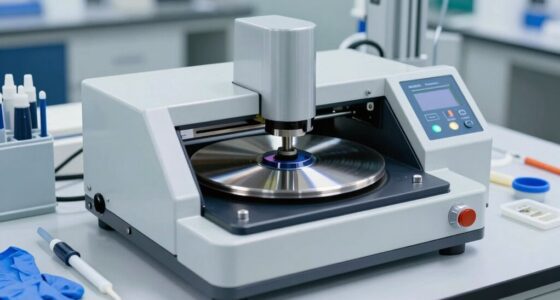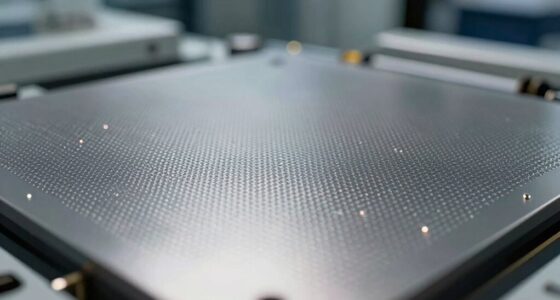
Shopping for a laboratory glove box comes down to one central tradeoff: speed and low cost versus rigidity and repeatable atmosphere control. After comparing the two options most labs actually weigh against each other, two picks stand out for different reasons. The Cole-Parmer 108D X-17-17HG inflatable glove bag is my pick for Best Value and Best for Occasional Use, because it creates a purged working atmosphere in minutes, folds flat for storage, and costs a fraction of a rigid chamber. The Acrylic Laboratory Glove Box with Inert Gas Purge earns my Best Overall nod for any lab running repeated anhydrous or anaerobic work, thanks to its rigid 6 mm acrylic chamber, stainless steel gas valves, and integrated power socket. In this guide I break down where each one wins, where each one falls short, and how to match the choice to your actual experimental needs rather than your aspirational ones.

Get the latest gadgets delivered free with Prime
- Fast, free delivery on millions of items
- Prime Video, Amazon Music and more included
- Member-only deals all year
Complete the kit



Key Takeaways
- The acrylic glove box suits labs running frequent anhydrous or anaerobic experiments, while the inflatable Cole-Parmer bag suits occasional, budget-driven, or field-deployed isolation work.
- Rigid acrylic gives better visibility, glove integration, and repeatable purging; the 2.5 mil polyethylene bag wins on portability, storage, and upfront cost.
- Both options require an external inert gas supply — neither includes a gas source, so factor cylinders, regulators, and tubing into your planning.
- The Cole-Parmer’s 10-inch equipment sleeve is its defining feature, letting you insert instruments into a disposable atmosphere that rigid chambers cannot match for contamination-sensitive one-off tasks.
- Expect limited reuse from the inflatable bag due to its thin polyethylene walls, and expect limited customization clarity from the acrylic box — neither is without tradeoffs.
| Cole-Parmer 108D X-17-17HG Inflatable Glove Bag Chamber, Large, 10-inch Equipment Sleeve | 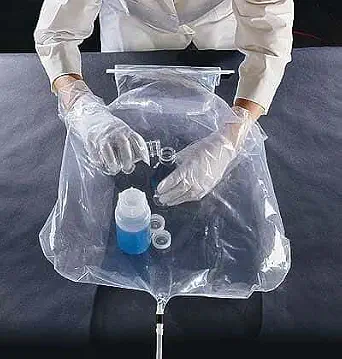 | Best Value & Best for Occasional Use | Model: 108D X-17-17HG | Chamber Dimensions: 17 x 11 x 17 inches | Size: Large | VIEW ON AMAZON | See Our Full Breakdown |
| Acrylic Laboratory Glove Box with Inert Gas Purge |  | Best Overall | Material: Transparent acrylic | Main Chamber Dimensions: 700 x 450 x 550 mm | Main Chamber Thickness: 6 mm | VIEW ON AMAZON | See Our Full Breakdown |
| glove boxes for lab | Material | Model | Chamber Dimensions | Size |
|---|---|---|---|---|
| Cole-Parmer 108D X-17-17HG Inf | Polyethylene | 108D X-17-17HG | 17 x 11 x 17 inches | Large |
| Acrylic Laboratory Glove Box w | Transparent acrylic | — | — | — |
More Details on Our Top Picks
Cole-Parmer 108D X-17-17HG Inflatable Glove Bag Chamber, Large, 10-inch Equipment Sleeve
The Cole-Parmer 108D X-17-17HG takes a fundamentally different approach to atmosphere isolation than a rigid chamber: instead of a permanent box, you get an inflatable polyethylene glove bag that purges into a high-purity working atmosphere within minutes. For labs that only occasionally need an inert workspace — a one-off moisture-sensitive synthesis, sample handling, or field work where shipping a rigid chamber is impractical — this approach makes a lot of sense. The 17 x 11 x 17-inch chamber is roomy enough for typical bench-scale setups, and the 3/8-inch tubing port connects to standard gas supply systems without adapters in most cases.
The feature that defines this product is the 10-inch equipment sleeve. Compared with the acrylic box, which requires you to pass items through a 300 x 300 mm side door and re-purge, the sleeve lets you insert instruments — a balance, a small heater, probes — directly into the bag before or even during use. That is a genuine workflow advantage for contamination-sensitive one-off tasks where you want everything sealed in fresh, uncontaminated plastic rather than a chamber with a history.
The tradeoff is material reality. The 2.5 mil polyethylene walls are thin by design — that is what makes the bag light, cheap, and disposable — but it also means puncture risk from sharp tools, glassware edges, or careless handling. Treat this as a single-use or limited-reuse consumable, not a permanent fixture. Where the acrylic box amortizes across hundreds of experiments, this bag is best when you genuinely need a fresh atmosphere each time or when portability outranks durability. If your inert-atmosphere work happens weekly rather than annually, the per-use math favors the rigid chamber quickly.
Pros:- Inflates and purges to a high-purity working atmosphere in minutes
- Large 17 x 11 x 17-inch chamber handles bench-scale experiment setups
- 10-inch equipment sleeve accepts instruments without breaking the atmosphere
- Standard 3/8-inch tubing port connects easily to common inert gas supplies
Cons:- 2.5 mil polyethylene walls are vulnerable to punctures from sharp tools or glassware
- Effectively single-use or limited-reuse, so recurring work drives up cost per experiment
- No rigid frame, glove ports are basic, and long-duration work is uncomfortable compared with a fitted acrylic chamber
Best for: Labs, researchers, or field teams that need an inert or isolated atmosphere occasionally, want disposable cleanliness, or need to transport a glove box to remote sites
Not ideal for: Labs running daily anhydrous or anaerobic experiments, or anyone working with sharp objects and aggressive solvents that will pierce or degrade thin polyethylene
- Model:108D X-17-17HG
- Chamber Dimensions:17 x 11 x 17 inches
- Size:Large
- Material:Polyethylene
- Material Thickness:2.5 mil
- Equipment Sleeve Length:10 inches
- Tubing Port ID:3/8 inch
- Setup Time:Minutes (inflation and purge)
- Reuse:Single-use or limited reuse
Our verdict“This pick makes the most sense for occasional, portable, or disposable-atmosphere work where speed and low cost beat long-term durability.”
Acrylic Laboratory Glove Box with Inert Gas Purge
For labs where inert-atmosphere work is routine rather than rare, this transparent acrylic glove box is the stronger foundation. The 6 mm-thick chamber walls give it the structural rigidity the inflatable bag simply cannot offer, which matters for repeated purge cycles, mounting small apparatus, and confident sealing around the gloves and doors. Its 700 x 450 x 550 mm interior is more generous than the Cole-Parmer bag’s footprint, and the transparent acrylic on all sides gives multi-angle visibility that makes fine manipulation and documentation easier.
Atmosphere handling is where this unit pulls ahead as my Best Overall pick. The SUS304 stainless steel inlet and outlet valves support continuous inert gas purge to drive down oxygen and moisture, and the flow-through design with a dedicated outlet is more controllable than a bag that relies on a single tubing port. Add the industrial-grade latex gloves with sealing rings, and you get a proper sealed manipulator setup rather than the bag’s more improvised glove arrangement. The integrated chamber power socket is a quiet differentiator — running a stirrer, small heater, or instrument inside the box without compromising the atmosphere is something the inflatable bag cannot safely do.
The drawbacks are real, though. This box requires an external inert gas supply (argon or nitrogen, cylinder plus regulator), which adds recurring cost and lab infrastructure the bag also shares but which stings more with a permanent fixture. Access happens through the 300 x 300 mm side door, which means each introduction of items can require a re-purge — the Cole-Parmer’s equipment sleeve is genuinely more convenient for inserting bulky instruments. Customization details are also unspecified, so labs needing custom glove sizes, extra ports, or specific fittings should confirm with the seller before committing. Compared with the inflatable option, this is an investment in repeatability; if your work is sporadic, that investment sits idle.
Pros:- Rigid 6 mm transparent acrylic chamber with visibility from multiple angles
- SUS304 stainless steel inert gas inlet and outlet valves for controlled purging
- Integrated chamber power socket supports powered instruments inside the box
- Industrial-grade latex gloves with sealing rings provide a proper sealed manipulator setup
Cons:- Requires an external inert gas supply (cylinder, regulator, and recurring gas cost)
- Customization options and glove sizing details are not clearly specified
- Side-door item transfer (300 x 300 mm) can force re-purging, which is slower than the bag’s equipment sleeve for bulky instruments
Best for: Labs running frequent anhydrous or anaerobic experiments who need a durable, repeatable sealed workspace with powered equipment inside
Not ideal for: Occasional users, budget-constrained setups, or applications demanding a guaranteed-clean disposable chamber and portability
- Material:Transparent acrylic
- Main Chamber Dimensions:700 x 450 x 550 mm
- Main Chamber Thickness:6 mm
- Side Door Dimensions:300 x 300 mm
- Gas Valves:SUS304 stainless steel inlet and outlet
- Included Accessories:Industrial-grade latex gloves with sealing rings; chamber power socket
- Intended Use:Anhydrous and anaerobic experiments
- Gas Requirement:External inert gas supply (not included)
Our verdict“This model is better suited to any lab whose inert-atmosphere work is a weekly routine, offering durability, visibility, and powered-workflow support the inflatable bag cannot match.”

How We Picked
Because these two products solve the same problem from opposite directions, I judged them against the criteria that actually determine success in a lab setting rather than a feature-count checklist. Atmosphere integrity came first: how reliably each unit holds a low-moisture, low-oxygen environment, and whether the seals, gloves, and ports support repeated purging cycles. Material durability was next, since a disposable polyethylene chamber and a rigid acrylic box have completely different lifespans and failure modes. I also weighed workflow compatibility — equipment access, power inside the chamber, glove comfort over long sessions, and gas connection standards. Finally, I considered cost of ownership, which includes not just the unit itself but gas consumption, glove replacement, and how many uses you realistically get before replacement. Neither product wins on every axis, and I have been deliberate about naming the scenarios where each one is the wrong choice.
| glove boxes for lab | Material |
|---|---|
| Cole-Parmer 108D X-17-17HG Inf | Polyethylene |
| Acrylic Laboratory Glove Box w | Transparent acrylic |
Factors to Consider When Choosing Glove Boxes For Labs
Choosing between these two glove boxes is really choosing between two philosophies of atmosphere control. Here is how I would frame the decision.Rigid Chamber vs. Inflatable Bag
A rigid acrylic box rewards repeat use: stable seals, mounted gloves, controlled purge cycles, and the ability to attach fixtures inside. An inflatable glove bag rewards flexibility: fresh plastic every run, near-zero storage footprint, and deployment anywhere. If your inert-atmosphere experiments happen more than a few times per month, the rigid box almost always wins on cost per experiment and ergonomics. If they are occasional or mobile, the bag wins on practicality.
Gas Supply and Purge Strategy
Neither product includes a gas source, so plan for a cylinder of argon or nitrogen, a regulator, and compatible tubing. The acrylic box’s dual inlet/outlet valves support continuous flow-through purging, which reaches low oxygen and moisture levels faster and more predictably. The inflatable bag purges effectively but relies on a single port, so expect more manual management of inflation pressure and gas flow.
Equipment Access
Think about how instruments get inside. The Cole-Parmer’s 10-inch equipment sleeve is the more elegant solution for inserting a balance or probe. The acrylic box’s side door handles larger loads but typically requires a re-purge afterward, and its internal power socket lets powered devices run continuously — something the polyethylene bag cannot safely accommodate.
Durability and Operating Cost
The 2.5 mil polyethylene bag is a consumable; budget for replacements and handle sharp items carefully. The acrylic chamber is a durable asset, but factor in replacement gloves, seal maintenance, and ongoing gas consumption. Match the choice to how often you will actually use it — idle capability is wasted spend.
Frequently Asked Questions
Can the inflatable glove bag be reused?
The Cole-Parmer 108D is designed around limited reuse. The 2.5 mil polyethylene can survive a handful of careful purge-and-work cycles if you avoid sharp objects and inspect for pinholes, but each use degrades confidence in the seal. Most labs treat it as a near-disposable item for exactly this reason — the fresh chamber is a feature when cross-contamination between runs matters. If you find yourself wanting to reuse it many times, that is a strong signal the rigid acrylic box is the better fit for your workflow.
Do I need to buy an inert gas supply separately?
Yes, for both products. Neither the acrylic box nor the inflatable bag includes a gas source. You will need a cylinder of argon or nitrogen, a compatible regulator, and tubing that matches the connection — the Cole-Parmer uses a 3/8-inch ID tubing port, while the acrylic box uses stainless steel inlet and outlet valves. Budget for recurring gas costs, which scale with purge frequency, chamber volume, and how often you break the atmosphere to introduce items.
Which option is better for air-sensitive chemistry like organometallic work?
For sustained air-sensitive chemistry, the acrylic box with inert gas purge is the stronger choice. Its rigid chamber maintains seal integrity over long sessions, the flow-through valve design lets you hold a continuously purged low-oxygen environment, and the sealed gloves allow extended manipulation. The inflatable bag can achieve a high-purity atmosphere quickly and works well for shorter or one-off handling tasks, but its thin walls and basic glove arrangement make it less dependable for hour-long manipulation of highly sensitive materials.
Can I run electrical equipment inside either chamber?
The acrylic box includes an integrated chamber power socket, so stirrers, small heaters, and instruments can run inside without breaching the atmosphere — one of its clearest advantages over the bag. The inflatable Cole-Parmer has no powered feedthrough, and passing cables through polyethylene risks puncturing or unsealing the chamber. If powered equipment is central to your experiment, that difference alone may decide the purchase.
How do the two compare on portability and storage?
This is where the inflatable bag wins outright. It folds flat, weighs a fraction of a rigid chamber, ships easily, and can be deployed at a field site or a shared bench with minimal setup. The acrylic box is a permanent piece of bench furniture — heavy, rigid, and meant to stay plumbed into a gas line. Labs with limited space or mobile sampling programs should lean toward the bag; labs building a dedicated inert workstation should lean toward the acrylic unit.
Conclusion
If your lab runs regular anhydrous or anaerobic experiments, go with the Acrylic Laboratory Glove Box with Inert Gas Purge — its rigid 6 mm chamber, stainless steel purge valves, sealed gloves, and internal power socket make it the repeatable, long-term platform, and it earns my Best Overall pick for that reason. If your needs are occasional, portable, or contamination-sensitive one-off tasks, the Cole-Parmer 108D X-17-17HG inflatable glove bag is the smarter buy: it purges in minutes, accepts instruments through its 10-inch sleeve, and gives you a fresh chamber every run. Budget-limited labs and field teams should choose the bag without hesitation; labs investing in a permanent inert workstation should skip it and buy the acrylic box once, properly plumbed, rather than replacing bags indefinitely.
Fall Picks
fall essentials
As an affiliate, we earn on qualifying purchases.