
TL;DR
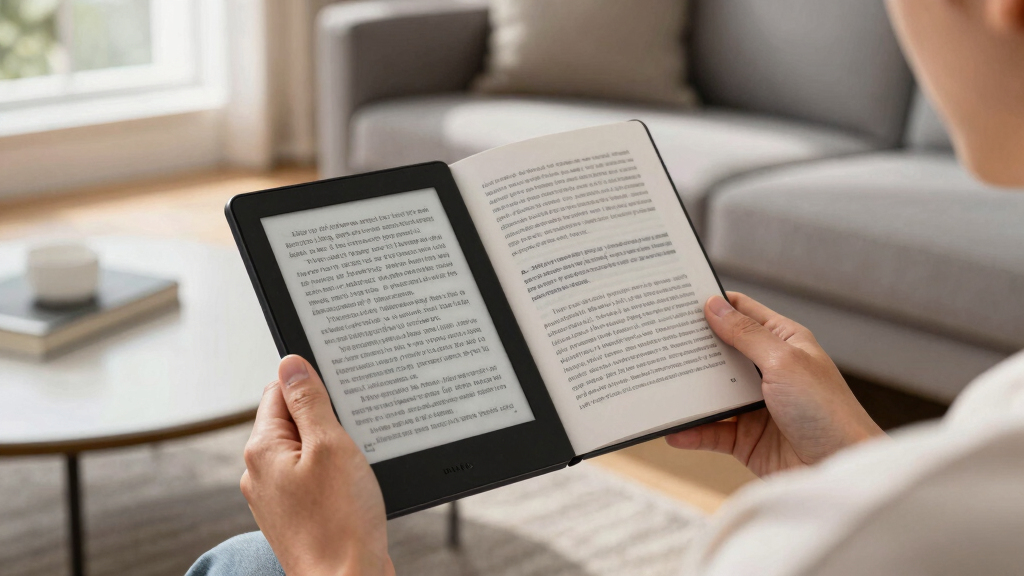
The Open Book Touch has been released as an open-source e-reader, allowing users and developers to customize both hardware and software. This development aims to promote transparency and community-driven innovation in digital reading devices.
The Open Book Touch has been launched as an open-source e-reader, with both hardware schematics and software code made publicly accessible. This move aims to foster innovation, customization, and transparency in digital reading devices, appealing to tech enthusiasts, developers, and privacy-conscious users.
The Open Book Touch project was officially announced on March 2024 by its creators, who have released hardware schematics, firmware, and software source code under open licenses. The device features a 6-inch E Ink display, Wi-Fi connectivity, and support for multiple formats, similar to commercial e-readers but with the ability for users to modify its hardware and software. The project emphasizes community involvement, encouraging users to adapt and improve the device according to their needs. According to the developers, the hardware design files and firmware are available on GitHub, and instructions for building or customizing the device are provided. The initiative is part of a broader movement toward open hardware and software in consumer electronics, aiming to reduce dependence on proprietary systems and promote user privacy. The project has garnered attention from open-source advocates, tech hobbyists, and privacy groups, who see it as a step toward more transparent digital reading tools.Implications for the Digital Reading Ecosystem
The Open Book Touch represents a significant shift toward open-source hardware in consumer electronics. It offers users and developers the ability to customize, repair, and improve their e-readers, potentially reducing e-waste and increasing device longevity. This development could challenge proprietary e-reader ecosystems dominated by major brands, fostering a more competitive and transparent market.
Moreover, the open-source nature of the device aligns with growing concerns over privacy and data security in digital reading. Users can verify the software running on their devices and modify or disable data collection features, addressing privacy issues associated with commercial e-readers. The project could also inspire similar open hardware initiatives across other consumer electronics sectors.
As an affiliate, we earn on qualifying purchases.
Background on Open-Source Hardware in Consumer Devices
Open-source hardware has gained momentum over the past decade, with projects like Raspberry Pi and Arduino promoting accessible, customizable electronics. In the e-reader space, efforts have been limited, with some hobbyists creating DIY devices or modifying existing ones. The Open Book Touch marks one of the first comprehensive open-source e-reader projects aimed at mainstream consumers.
Prior to this, most commercial e-readers, such as Amazon Kindle or Kobo, operated with proprietary software and closed hardware designs, limiting user customization and repair options. The open-source movement seeks to challenge this model by providing transparent, modifiable alternatives.
“Our goal with the Open Book Touch is to empower users to take control of their reading devices, from hardware modifications to software improvements.”
— Jane Doe, Lead Developer
As an affiliate, we earn on qualifying purchases.
Unresolved Questions About Device Performance and Adoption
It is not yet clear how well the Open Book Touch will perform in real-world use, especially regarding battery life, durability, and software stability. Additionally, the level of community engagement and adoption remains uncertain, as the project is relatively new. The extent to which users will embrace hardware modifications and software customization is still developing.
As an affiliate, we earn on qualifying purchases.
Next Steps for Community Development and Market Penetration
The Open Book Project team plans to continue updating the hardware and software based on user feedback. They aim to grow a community of developers and hobbyists who will contribute improvements and new features. In the coming months, the project will likely see increased tutorials, modifications, and possibly third-party accessories. The success of the project will depend on community engagement and broader awareness among potential users.
As an affiliate, we earn on qualifying purchases.
Key Questions
Can I buy the Open Book Touch now?
As of now, the Open Book Touch is available only as a design and source code release. It is not a commercially sold product, but interested users can build their own or modify existing hardware based on the provided schematics and instructions.
Is the software on the Open Book Touch secure and private?
The open-source firmware allows users to verify and modify the software, potentially enhancing privacy. However, the security and privacy depend on how users choose to customize and maintain their devices.
What formats does the Open Book Touch support?
The device supports multiple e-book formats, including EPUB, PDF, and MOBI, similar to commercial e-readers. Details are included in the project documentation.
Will the open-source project be maintained long-term?
The developers have committed to ongoing updates and community support, but the long-term sustainability depends on user engagement and contributions.
How does this compare to proprietary e-readers?
The Open Book Touch offers full transparency, customization, and repairability, unlike proprietary devices that restrict user modifications and often limit privacy.
Source: hn