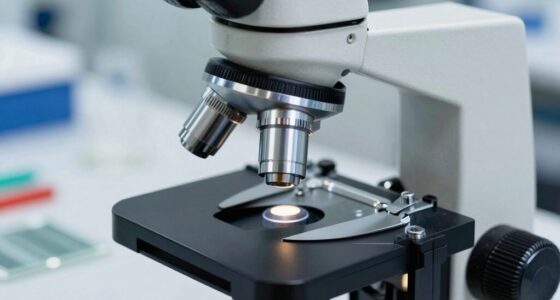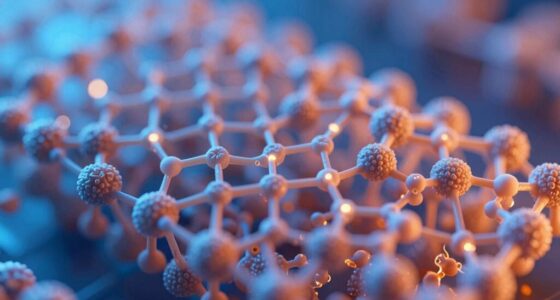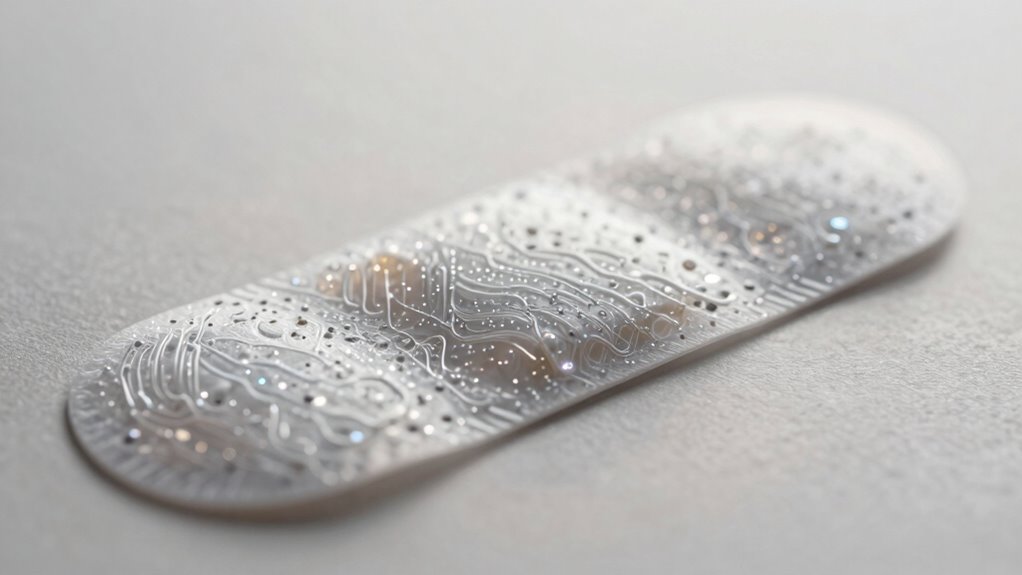

Nanoengineering can considerably improve medical patch technologies by enabling targeted drug delivery with nanoparticles that penetrate skin barriers more effectively. This leads to quicker, more precise treatment while reducing side effects and the amount of medication needed. Surface modifications enhance stability, biocompatibility, and controlled release, making patches more comfortable and long-lasting. Plus, multifunctional patches could monitor health in real-time. Keep exploring how these innovations are transforming healthcare and creating smarter, more effective therapies.

Get the latest gadgets delivered free with Prime
- Fast, free delivery on millions of items
- Prime Video, Amazon Music and more included
- Member-only deals all year
Key Takeaways
- Nanoengineering enables precise drug delivery directly to target cells, reducing side effects and increasing treatment efficiency.
- Surface modification techniques enhance nanoparticle stability, biocompatibility, and controlled drug release in patches.
- Integration of nanoparticles improves skin penetration for faster medication absorption and lower dosage requirements.
- Sustainable, natural materials in nanomaterials promote eco-friendly, biocompatible medical patch development.
- Multifunctional patches with nanotechnology can combine therapy and monitoring for personalized healthcare solutions.
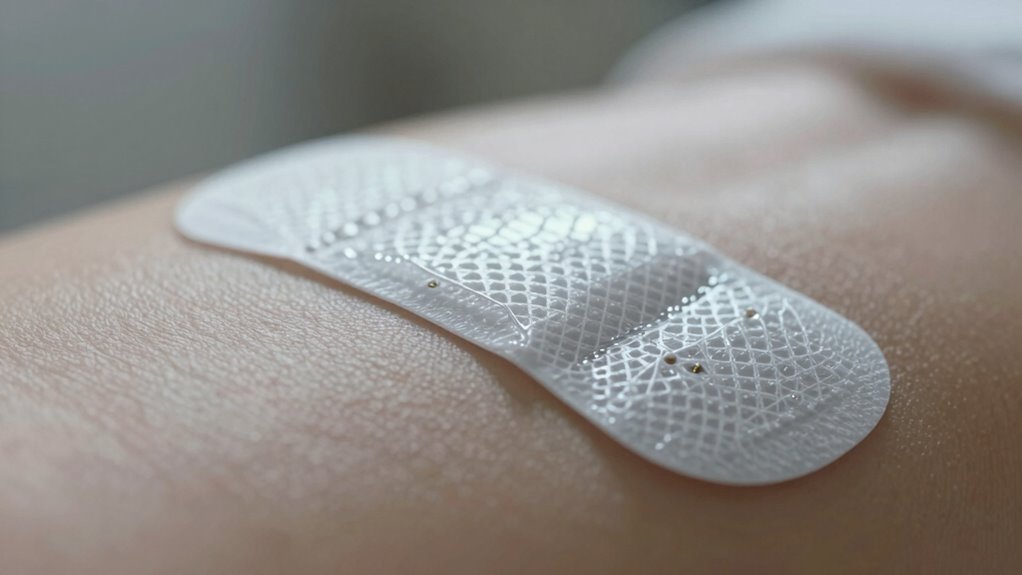
Have you ever wondered how tiny innovations can revolutionize healthcare? Nanoengineering offers groundbreaking possibilities, especially when it comes to improving medical patches. These patches, designed to deliver drugs or therapeutic agents through the skin, can become vastly more effective with the integration of nanotechnology. By harnessing nanoparticle delivery systems, you can enhance the precision and control of medication release. Nanoparticles can be engineered to carry drugs directly to targeted cells, minimizing side effects and increasing treatment efficiency. Because of their minuscule size, they penetrate skin barriers more effectively, ensuring that the active compounds reach their intended destinations faster. This precision reduces the need for higher doses, making treatments safer and more patient-friendly. Additionally, impact investing can support the development of these innovative technologies, encouraging sustainable and socially responsible advancements in healthcare. Incorporating natural materials into nanoparticle design can further improve biocompatibility and reduce environmental impact, aligning with sustainable development goals. Moreover, advancements in surface modification techniques enable the creation of more sophisticated and effective drug delivery systems. The integration of nanomaterials into patches also allows for the development of multifunctional devices that combine therapy with real-time monitoring capabilities, further personalizing patient care.
Surface modification plays an essential role in advancing medical patches. When you modify the surface of nanoparticles or the patch material itself, you can improve biocompatibility, adhesion, and drug stability. For instance, adding specific chemical groups or coatings to the surface can prevent unwanted reactions or immune responses, making patches more comfortable to wear over extended periods. Surface modification also allows for the attachment of targeting molecules, which can recognize and bind to particular cell types or tissues. This means your patch could deliver medication only where it’s needed, reducing waste and potential side effects. Additionally, surface engineering can control how drugs are released over time, enabling sustained or triggered release profiles that adapt to patient needs. These surface innovations can also enhance the durability and shelf-life of the patches, making them more practical for widespread use. The ongoing research in nanomaterials and surface science continues to open new avenues for the development of more effective and personalized medical patches.
As an affiliate, we earn on qualifying purchases.
Frequently Asked Questions
How Long Do Nanoengineered Patches Last on the Skin?
Nanoengineered patches typically last from several hours to a few days on your skin, depending on their design and purpose. Their longevity relies on nanoparticle stability, which prevents premature degradation, and skin absorption mechanisms that influence how quickly active ingredients penetrate or wear off. Factors like sweat, movement, and skin type affect their duration. Properly designed nano patches can provide sustained release, ensuring effective treatment over the desired timeframe.
Are Nanoengineered Patches Safe for Long-Term Use?
While nanoengineered patches show promise, their safety for long-term use depends on understanding nanoparticle interactions and overcoming regulatory challenges. You should know that ongoing research aims to guarantee these patches are biocompatible and safe over extended periods. Regulatory frameworks are evolving to address potential risks. As a result, with proper oversight and continued study, these innovative patches could become a reliable, long-term option for medical treatment.
Can Nanoengineering Improve Drug Delivery Efficiency?
Yes, nanoengineering can profoundly improve drug delivery efficiency. You benefit from precise nanoparticle targeting, which directs drugs exactly where needed, reducing side effects. Surface modification of nanoparticles enhances biocompatibility and allows for better interaction with target tissues. By customizing these features, you can achieve controlled release and improved absorption, making treatments more effective and personalized, especially in complex medical applications like patches or injectable therapies.
What Are Potential Side Effects of Nanoengineered Patches?
You might worry about potential toxicity from nanoengineered patches, as tiny particles could cause unintended side effects in your body. There’s also concern about environmental impact if these nanomaterials aren’t properly managed after disposal. While these patches can be highly effective, it is crucial to monitor for allergic reactions or inflammation. Researchers are working to minimize these risks by developing safer nanomaterials and ensuring responsible environmental practices.
How Cost-Effective Are Nanoengineered Medical Patches?
Nanoengineered medical patches can be quite cost-effective when nanoparticle stability is optimized, reducing waste and improving longevity. As manufacturing scalability improves with advanced techniques, production costs decrease, making these patches more accessible. Although initial research may be expensive, large-scale manufacturing helps lower prices, ensuring you benefit from innovative treatments without overly burdening healthcare costs. Consequently, nanoengineering holds promise for affordable, effective medical patches in the future.
As an affiliate, we earn on qualifying purchases.
Conclusion
As you explore nanoengineering’s potential, envision tiny particles weaving through your skin like skilled dancers, delivering medicine with precision and grace. This dance promises a future where patches are more effective, discreet, and responsive to your body’s needs. With each nanometer, you move closer to a world where healing is seamless, almost invisible—like a whisper of innovation. Embrace the future, where science and skin unite in harmony, transforming medical care one nanostructure at a time.
As an affiliate, we earn on qualifying purchases.
real-time health monitoring patches
As an affiliate, we earn on qualifying purchases.
As an affiliate, we earn on qualifying purchases.
Fall Picks
fall essentials
As an affiliate, we earn on qualifying purchases.