
Nanotechnology in dental treatments uses tiny particles and nanorobots to target problems with precision, making procedures less invasive and more effective. It helps deliver medicines directly to decay or bacteria, promotes tissue regeneration, and allows cleaning and repairs in hard-to-reach areas. This technology aims to improve comfort, speed up healing, and prevent issues before symptoms appear. If you’re curious, there’s more to discover about how these advancements could change your dental care experience.
Key Takeaways
- Nanoparticle delivery systems enable targeted medication delivery deep within dental tissues, reducing invasiveness and enhancing treatment precision.
- Dental nanorobots can perform tasks like plaque removal, enamel repair, and cavity detection autonomously within the oral cavity.
- Nanomaterials promote tissue regeneration, supporting minimally invasive restorative procedures and improving durability of dental treatments.
- Nanotechnology enhances diagnosis, prevention, and personalized care, allowing early detection and tailored interventions.
- Overall, it leads to faster, less invasive treatments with improved outcomes and long-term oral health benefits.
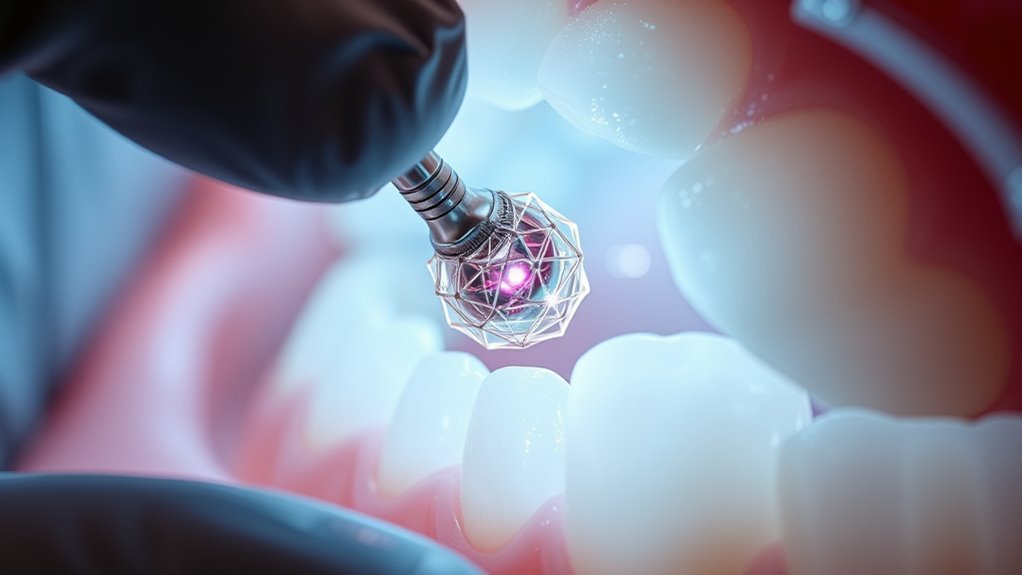
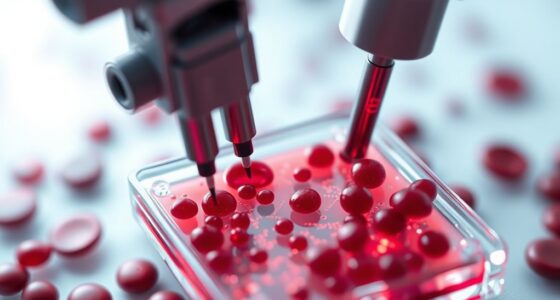
Nanotechnology is revolutionizing dental treatments by enabling precise, targeted interventions at the microscopic level. You no longer have to rely solely on traditional methods that can sometimes be invasive or less effective. Instead, cutting-edge tools like nanoparticle delivery systems and dental nanorobots are transforming how dental issues are diagnosed, prevented, and treated. When you visit the dentist, these innovations work behind the scenes to enhance outcomes, making procedures quicker, less painful, and more durable. Nanoparticle delivery involves engineering tiny particles that can carry medications directly to problem areas within your mouth. These nanoparticles are so small that they can penetrate enamel, reach deep into decayed tissue, or target bacteria with exceptional accuracy. This targeted approach minimizes side effects and maximizes treatment efficiency, ensuring you get relief faster and with fewer complications. For instance, in cavity treatment, nanoparticle delivery can deliver antibacterial agents directly into decayed zones, neutralizing bacteria that cause decay without damaging healthy tissue. This precision reduces the need for extensive drilling or filling, preserving more of your natural tooth structure. Additionally, advances in nanotechnology are enabling the development of materials that can actively promote tissue regeneration, further enhancing restorative procedures.
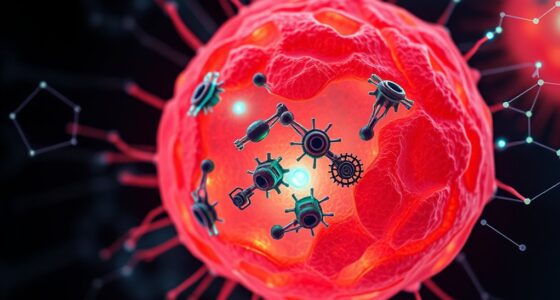
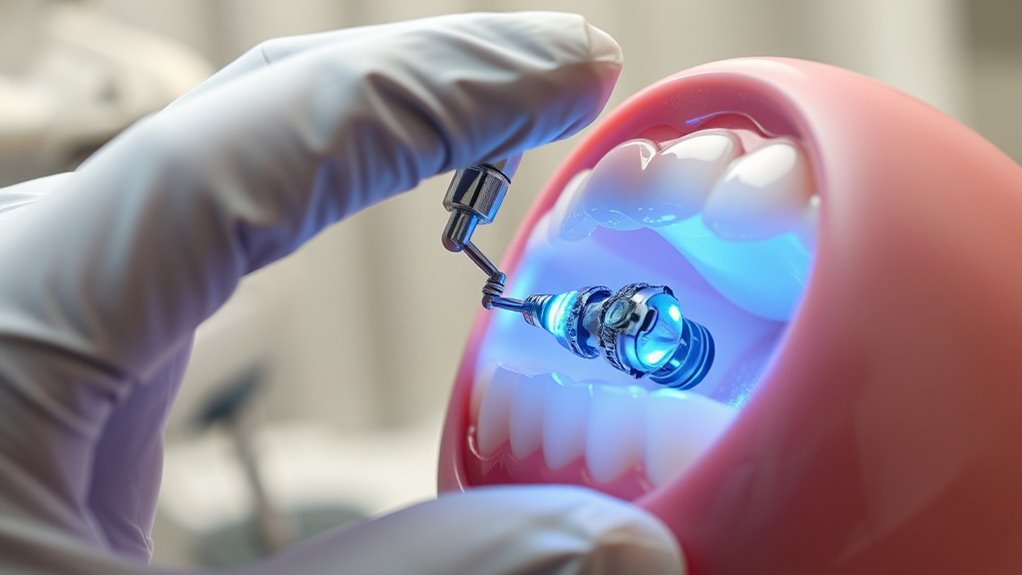
Dental nanorobots represent a more advanced frontier of nanotechnology. These microscopic robots, often no larger than a few nanometers, are designed to perform specific tasks inside your mouth. Imagine tiny robotic entities that can identify plaque buildup, remove tartar, or even repair early signs of enamel erosion—all autonomously. Dental nanorobots can be programmed to patrol your oral cavity, constantly monitoring for issues and addressing them before they become serious problems. Their ability to operate at such a small scale allows them to access hard-to-reach areas, ensuring comprehensive cleaning and maintenance that traditional tools can’t match. Think of these nanorobots as highly skilled, miniature dentists working tirelessly to keep your mouth healthy. They can also deliver targeted therapies, such as releasing fluoride or remineralizing agents precisely where your enamel needs reinforcement, promoting stronger, decay-resistant teeth. This proactive approach not only enhances your dental health but also reduces the frequency of invasive procedures and long-term treatments.
As these technologies continue to evolve, you can expect more personalized dental care tailored specifically to your needs. The integration of nanoparticle delivery systems and dental nanorobots promises a future where dental visits are quicker, less invasive, and more effective. You’ll benefit from treatments that target problems at their source, prevent decay before symptoms appear, and maintain your oral health with minimal discomfort. This shift toward nanotechnology-driven dentistry signifies a new era where minute interventions have monumental impacts on your dental health and overall well-being.
nanotechnology dental treatment devices
As an affiliate, we earn on qualifying purchases.
As an affiliate, we earn on qualifying purchases.
Frequently Asked Questions
Are Nanotechnology Dental Treatments Safe for Long-Term Use?
Nanotechnology dental treatments are generally considered safe for long-term use, but you should stay informed about ongoing research. While most nanomaterials demonstrate good biocompatibility, some concerns about long-term safety and biocompatibility remain. It is crucial to consult your dentist about potential risks and benefits, especially for extended treatments. Continuous research aims to address these biocompatibility concerns, ensuring that nanotechnology-based dental solutions become even safer over time.
How Much Do Nanotech-Based Dental Procedures Typically Cost?
You’ll find that nanotech-based dental procedures typically cost more than traditional treatments, with prices varying based on the procedure’s complexity. A cost comparison shows they can range from a few hundred to several thousand dollars. Keep in mind, insurance coverage often doesn’t fully cover these advanced options, so it’s essential to check with your provider beforehand. Planning ahead helps you understand potential out-of-pocket expenses for these innovative treatments.
Can Nanotechnology Help Repair Damaged Teeth Naturally?
You might find nanotechnology intriguing, as it aims to support your body’s natural repair mechanisms. While it shows promise in gently encouraging damaged teeth to heal, biocompatibility concerns guarantee it’s not yet a fully natural fix. Researchers are exploring how tiny particles can stimulate regeneration without adverse effects. Though not a magic wand, nanotech could someday help your teeth recover more naturally, offering a gentle alternative to traditional procedures.
Are There Any Known Side Effects of Nanomaterials in Dentistry?
You should know that nanomaterials in dentistry generally have good material biocompatibility, but nanoparticle toxicity remains a concern. While most products are designed to be safe, some nanoparticles could cause adverse reactions or tissue irritation if not properly tested. It’s essential for dental providers to stay informed about ongoing research and select treatments with proven safety profiles to minimize potential side effects from nanomaterials.
How Soon Will Nanotech Be Widely Available in Dental Clinics?
You wonder when nanotech will become common in dental clinics. While future advancements promise incredible benefits, regulatory challenges slow its widespread adoption. It might be a few years before you see these innovations in your dentist’s office. Imagine a future where tiny particles seamlessly repair your teeth—yet, for now, cautious steps guarantee safety. Stay hopeful; the wait could be shorter than you think as research accelerates and rules evolve.
dental nanorobots for plaque removal
As an affiliate, we earn on qualifying purchases.
As an affiliate, we earn on qualifying purchases.
Conclusion
Think of nanotechnology in dental treatments as a tiny army of explorers, delving into the smallest cracks and crevices of your teeth. They fight decay and repair damage from within, much like skilled artisans restoring a delicate masterpiece. As you embrace these innovations, you’re inviting a future where your smile remains resilient and radiant. Remember, sometimes it’s the smallest allies that make the biggest difference in safeguarding your health and confidence.
targeted nanoparticle dental medication
As an affiliate, we earn on qualifying purchases.
As an affiliate, we earn on qualifying purchases.
enamel repair nanomaterials
As an affiliate, we earn on qualifying purchases.
As an affiliate, we earn on qualifying purchases.