

TL;DR

Get the latest gadgets delivered free with Prime
- Fast, free delivery on millions of items
- Prime Video, Amazon Music and more included
- Member-only deals all year
Recent security findings show that some cameras have shipped with embedded admin tokens, which were leaked online. This exposes vulnerabilities that could allow unauthorized access and control. The development highlights emerging risks in IoT device security.
Security researchers have identified that certain security cameras have shipped with embedded admin tokens that were leaked online, creating potential vulnerabilities. This discovery, confirmed by cybersecurity experts, underscores the risks of insecure device credentials in the growing Internet of Things (IoT) ecosystem, which could lead to unauthorized access or control of affected cameras.
Recent investigations revealed that multiple security cameras, manufactured by different vendors, contained embedded admin tokens in their login interfaces. These tokens, which serve as administrative credentials, were found to have been leaked on public repositories, notably GitHub. The leak was first reported by cybersecurity researchers who analyzed the firmware and login pages of these devices.
Experts indicate that such tokens, if exploited, could enable attackers to gain full administrative control over affected cameras, potentially allowing them to view live footage, manipulate settings, or even hijack the devices for malicious purposes. The leaks appear to stem from poor security practices during device development, such as hardcoded credentials or insecure storage of access tokens.
While the exact number of affected devices remains unclear, the incident has prompted urgent calls for manufacturers to review their security protocols. Some vendors have issued statements acknowledging the issue and promising firmware updates, but details about the scope and specific models impacted are still emerging.
Implications of Leaked Admin Tokens for IoT Security
This development highlights a critical vulnerability in IoT devices, especially security cameras increasingly used in homes and businesses. The presence of leaked admin tokens can facilitate unauthorized access, privacy breaches, and even the use of compromised cameras as entry points into larger networks. For small and mid-sized organizations, such vulnerabilities could lead to significant security breaches, data loss, or operational disruptions.
Experts warn that if attackers exploit these tokens, they could establish persistent control over affected devices, making remediation more difficult and exposing sensitive footage or data. The incident underscores the need for manufacturers to implement stronger security measures and for organizations to regularly audit their IoT device security.
Popular right now
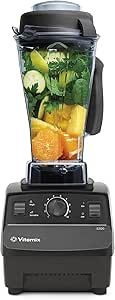
Vitamix 5200 Professional-Grade Blender, 64 oz. Container, Black

Sony WH-1000XM6 Wireless Noise-Canceling Over-Ear Headphones, Blue, Bundle

KitchenAid Artisan 5-Quart Tilt-Head Stand Mixer, KSM150PS, Almond Cream
As an affiliate, we earn on qualifying purchases.
Background of IoT Device Security and Recent Leaks
The security of IoT devices, including cameras, has been a persistent concern due to widespread use and often inadequate security measures. Previous incidents involved default passwords, unpatched firmware, and exposed management interfaces. The current leak of admin tokens adds to this pattern, emphasizing that many devices shipped with insecure credentials or hardcoded access keys.
In recent years, cybersecurity researchers have repeatedly warned about the risks posed by insecure IoT devices, which can be exploited for surveillance, data theft, or as part of botnets for large-scale attacks. The discovery of leaked admin tokens fits within this ongoing pattern of vulnerabilities in the IoT supply chain.
While some manufacturers have taken steps to improve security, the incident indicates that vulnerabilities persist, especially in devices that are quickly produced and deployed at scale.
“The leaked admin tokens represent a significant security risk, as they could allow unauthorized control over affected cameras.”
— cybersecurity researcher
Extent of Affected Devices and Exploitation Risks
It is not yet clear how many devices are impacted by the leaked admin tokens or how widely the leak has been exploited. Details about the specific models, manufacturers, and the scope of the leak are still emerging. Experts caution that while the leak is confirmed, the actual risk depends on whether malicious actors have accessed or are actively exploiting these tokens.
Manufacturer Responses and Security Remediation Efforts
Manufacturers are expected to release firmware updates and security patches to revoke or replace compromised tokens. Security researchers will continue to monitor for signs of exploitation and advise organizations to audit their IoT devices. Industry groups may also issue guidelines to improve security standards for IoT device manufacturing and deployment.
Further investigations will clarify the scope of the leak and help determine whether additional vulnerabilities exist in affected devices.
Key Questions
What are admin tokens in security cameras?
Admin tokens are credentials used to access and control security cameras at an administrative level. If leaked or compromised, they can allow unauthorized users to take full control of the device.
How serious is this security vulnerability?
If exploited, leaked admin tokens could enable attackers to view footage, manipulate settings, or hijack the devices for malicious purposes, posing privacy and security risks.
Are all cameras affected by this leak?
It is not yet confirmed which models or manufacturers are impacted. Ongoing investigations aim to determine the scope of the vulnerability.
What should organizations do now?
Organizations should monitor vendor updates, apply firmware patches promptly, and audit their IoT device security to mitigate potential risks.
Will manufacturers fix this issue?
Most affected vendors have acknowledged the problem and are working on security updates to address the leak and prevent future vulnerabilities.
Source: IdeaNavigator AI