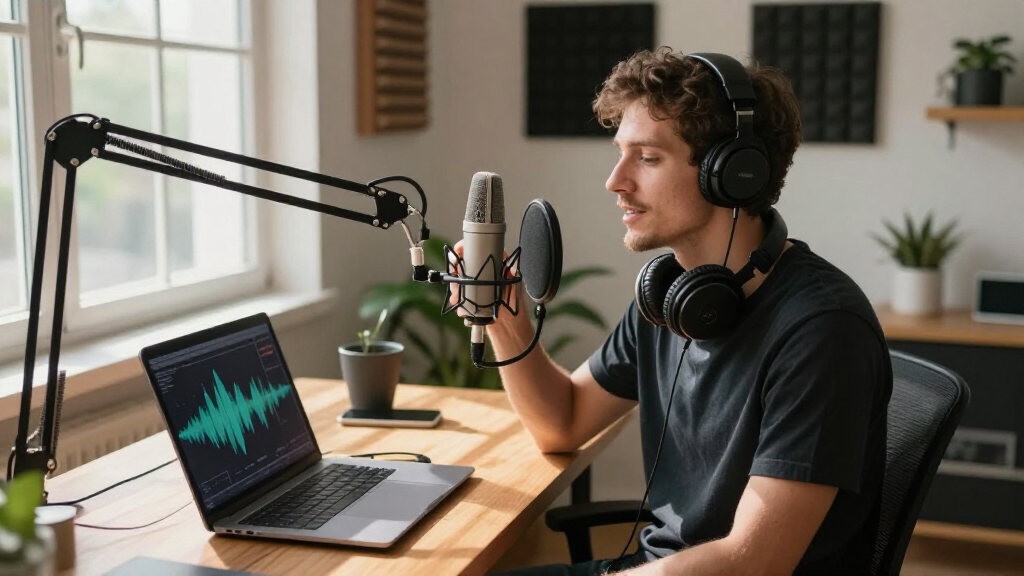

🔍 Read the full analysis: Top 10 Studio Condenser Microphones For Precise AI Voice Recording 2026 on ThorstenMeyerAI.com

Get the latest gadgets delivered free with Prime
- Fast, free delivery on millions of items
- Prime Video, Amazon Music and more included
- Member-only deals all year
TL;DR
In 2026, the top condenser microphones for AI voice recording combine high sound fidelity, durability, and versatile connectivity options. This guide ranks the best models based on performance, build quality, and value.
In 2026, a new industry-standard list has identified the top 10 studio condenser microphones optimized for precise AI voice recording. This ranking reflects the latest advancements in microphone technology, emphasizing sound clarity, build quality, and connectivity options essential for AI applications. For a detailed overview, see Why Creators Are Choosing AI Studio Microphones In 2026. The list aims to guide voice professionals, content creators, and AI developers in selecting equipment that ensures high-fidelity recordings vital for AI training and processing. This approach is discussed in the original analysis of the top condenser microphones.
The ranking is led by the RØDE NT1 Signature, recognized for its exceptional sound quality and durability, making it the overall top choice for AI voice recording. Following closely is the Audio-Technica AT2020, which offers excellent value for those on a budget, providing reliable sound reproduction suitable for home studios and entry-level setups. The RØDE NT1 5th Gen introduces USB-C connectivity, catering to modern digital workflows, though at a higher price point. These microphones are selected based on criteria such as frequency response, noise floor, build quality, and connectivity options, reflecting real-world performance as confirmed by industry reviews and user feedback.
Manufacturers continue to innovate, with features like low self-noise, multiple pickup patterns, and enhanced noise rejection becoming standard at various price points. Learn more about the best options in the 10 Best Studio Condenser Microphones in 2026. The list also considers accessories like shock mounts and pop filters, which are critical for maintaining recording quality and microphone longevity. The selection process involved comparing models across different budgets and use cases, from beginner to professional, ensuring broad applicability.
The 10 picks
- 1
 RØDE NT1 5th Gen Studio Condenser Microphone, XLR + USB-C, SilverView on Amazon →
- 2
 RØDE NT1 Signature Series Studio Condenser Microphone, BlackView on Amazon →
- 3
 Audio-Technica AT2020 Cardioid Condenser Studio XLR Microphone, BlackView on Amazon →
- 4
 AKG Pro Audio P120 – Affordable 2/3-Inch Diaphragm Condenser Microphone for C…View on Amazon →
- 5
 Melon Audio MA-87 Studio Condenser Microphone with AccessoriesView on Amazon →
- 6
 MAONO A04 Gen2 XLR/USB Condenser Microphone Kit for PC Podcast RecordingView on Amazon →
- 7
 Maono PM320S Condenser PC Microphone with XLR Cable, Boom Arm, Pop FilterView on Amazon →
- 8
 Mackie EM-Series Large-Diaphragm Condenser Microphone (EM-91C)View on Amazon →
- 9
 FIFINE T669 Studio Condenser USB Microphone for Recording and PodcastingView on Amazon →
- 10
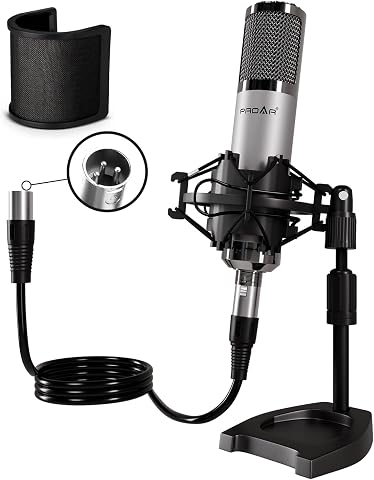 XLR Condenser Microphone with Desktop Stand for Vocals and PodcastingView on Amazon →
Why Accurate Microphones Matter for AI Voice Applications
High-quality condenser microphones are essential for capturing clear, natural voice data, which directly impacts the performance of AI voice models. As AI systems become more sophisticated, the demand for pristine audio input grows, making the choice of microphone a critical factor in training and deployment. Properly selected microphones reduce background noise and ensure consistent sound quality, leading to more accurate AI recognition and synthesis. This development underscores the importance of investing in reliable hardware to support advancing AI voice technologies, especially as applications expand into areas like virtual assistants, voice-controlled devices, and automated transcription services.
2026 Microphone Market Trends and Industry Developments
Over the past few years, the condenser microphone market has seen rapid innovation driven by AI and digital recording demands. Manufacturers like RØDE, Audio-Technica, and others have introduced models with features tailored for AI voice applications, such as ultra-low noise circuitry and digital connectivity options. The trend toward USB-C integration reflects a broader shift to seamless digital workflows, reducing setup complexity for users. Additionally, the focus on durability and accessory compatibility indicates a market moving toward professional-grade, long-lasting equipment suitable for both studio and mobile recording environments.
Prior to 2026, the industry saw a surge in affordable yet high-quality condenser microphones, making professional-grade voice recording accessible to a wider audience. The current rankings build on this momentum, emphasizing models that balance performance with cost-effectiveness, and that integrate well with AI development pipelines, cloud-based processing, and real-time transcription tools.
Unresolved Questions About Long-Term Microphone Durability
While the current rankings emphasize performance and connectivity, it is still unclear how these microphones will hold up under long-term, intensive use in diverse environments. Manufacturers claim high durability, but real-world testing over extended periods is limited. Additionally, the impact of frequent handling, transport, and environmental factors like humidity on the microphones’ internal components remains to be fully verified. As AI voice recording becomes more integral to workflows, understanding long-term reliability will be crucial for users investing in high-end equipment.
Future Developments in AI-Optimized Microphone Technology
Next steps include ongoing performance evaluations in real-world AI training settings, with manufacturers expected to release updated models featuring further noise reduction, enhanced digital integration, and improved durability. Industry experts anticipate new standards for low self-noise and higher sensitivity, tailored specifically for AI voice data collection. Additionally, integration with AI-driven audio processing tools and smarter hardware features could become common, further optimizing voice data capture for AI applications. Users should monitor upcoming releases and field tests to inform future investments.
Key Questions
Do I need a special microphone for AI voice recording?
While standard studio condenser microphones are suitable, models with ultra-low self-noise and digital connectivity features are preferred for AI voice recording to ensure high fidelity and ease of integration.
Are USB microphones as good as XLR for AI applications?
USB microphones are convenient and sufficient for many applications, but XLR models paired with audio interfaces generally offer higher sound quality and flexibility, making them preferable for professional AI voice training.
How important is build quality for long-term AI voice recording projects?
Very important. Durable microphones reduce maintenance and replacement costs, especially for frequent recording sessions or mobile setups, ensuring consistent data quality over time.
Will future microphones include AI-specific features?
It is likely. Industry trends suggest upcoming models will incorporate AI-driven noise filtering, adaptive sensitivity, and smarter digital interfaces to optimize voice data collection for AI systems.
Source: ThorstenMeyerAI.com
Halloween Picks
halloween
As an affiliate, we earn on qualifying purchases.