
Robot vacuum cleaners now span from quiet $100-ish sweepers to fully automated vacuum-and-mop machines that empty their own dustbins. After comparing 15 current models, the Roborock Qrevo S Pro stands out as the best overall pick thanks to its dual spinning mop pads, intelligent obstacle avoidance, and hands-off maintenance. The Roborock Q7 M5+ offers the strongest value for homes that want self-emptying convenience without a premium price, while the eufy 11S MAX remains the smart budget choice for anyone who just wants quiet, daily floor pickup. The main tradeoff you’ll face is between simplicity and automation: basic models bounce around semi-randomly, while mapping robots clean in efficient lines but cost more and demand more setup. Read on for the full breakdown of all 15 models.

Get the latest gadgets delivered free with Prime
- Fast, free delivery on millions of items
- Prime Video, Amazon Music and more included
- Member-only deals all year
Complete the kit


Key Takeaways
- Self-emptying docks were the single biggest differentiator in this lineup — five models include them (the Roomba 415X, Roomba 115X with AutoEmpty, Shark AI Ultra, Shark Matrix Plus, and Roborock Q7 M5+), and they cut hands-on maintenance from daily to roughly monthly.
- Suction specs only tell part of the story: the Roborock Q7 L5’s 8,000Pa rating out-pulls most rivals, but tangle-resistant designs like the ILIFE V2’s suction-only pathway and the Roomba Combo’s dual rubber brushes stayed cleaner with less hair wrapping.
- The 2026 Roborock Qrevo S Pro is the only model here with dual spinning mop pads that lift away from carpet, making it the clear pick for mixed hard-floor-and-rug homes that want true mopping, not just a damp drag.
- The Shark AI Ultra and Shark Matrix Plus differ mainly in mopping — if you have hardwood, the Matrix Plus justifies itself; if you’re carpet-only, the cheaper AI Ultra is the smarter buy with identical 60-day self-emptying.
- Under-$150 models (eufy 11S MAX, Lefant M210, ILIFE V2) all lack room mapping, so they suit small apartments and hard floors — expecting them to navigate a large multi-room home like a laser-guided Roborock leads to disappointment.
| iRobot Roomba 115X Combo Robot Vacuum & Mop |  | Best Overall Combo | Suction Power: 10,000 Pa | Cleaning Coverage: Up to 900 sq ft per charge | Navigation: ClearView LiDAR | VIEW LATEST PRICE | See Our Full Breakdown |
| eufy 11S MAX Robot Vacuum Cleaner, Super Thin, Quiet | 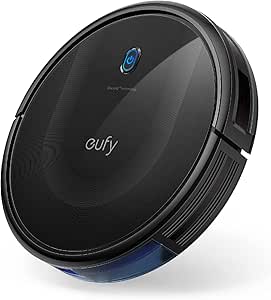 | Best Budget Pick for Simple Cleaning | Profile Height: 2.85 inches | Run Time: Up to 100 minutes (hardwood floors) | Suction Technology: BoostIQ (adjusts within 1.5 seconds) | VIEW LATEST PRICE | See Our Full Breakdown |
| Shark AI Ultra Robot Vacuum with 60-Day Self-Emptying Base (AV2511AE) |  | Best for Low-Maintenance Set-and-Forget Cleaning | Model: AV2511AE | Runtime: Up to 90 minutes | Self-Empty Base Capacity: 60 days of dirt and debris | VIEW LATEST PRICE | See Our Full Breakdown |
| Roborock Q7 L5 Robot Vacuum and Mop Combo, 8,000Pa Suction |  | Best for Large Homes and Long Sessions | Suction Power: 8,000 Pa | Water Tank Capacity: 270 ml | Battery Life: 150 minutes | VIEW LATEST PRICE | See Our Full Breakdown |
| ROPVACNIC Robot S1 Vacuum and Mop Combo, 5200Pa Suction |  | Best Value 2-in-1 for Pet Households | Suction Power: 5,200 Pa | Cleaning Functions: 2-in-1 vacuum and mop | Water Tank: High-capacity, 4-stage adjustment | VIEW LATEST PRICE | See Our Full Breakdown |
| iRobot Roomba 415X Robot Vacuum & Mop Combo with Self-Emptying Multifunction Dock |  | Best Premium Pick | Suction: 2.3x more than Roomba 600 series | Self-Emptying Capacity: Up to 90 days | Mop Pad Wash Temperature: 113°F | VIEW LATEST PRICE | See Our Full Breakdown |
| Shark AV2501S AI Ultra Robot Vacuum with Matrix Clean, Home Mapping, and 30-Day Capacity HEPA Self-Empty Base |  | Best for Allergy Sufferers | Model: AV2501S | Navigation: Matrix Clean Navigation with 360° LiDAR vision | Self-Empty Base Capacity: 30 days | VIEW LATEST PRICE | See Our Full Breakdown |
| Lefant M210 Robot Vacuum Cleaner |  | Best Value for Small Homes | Model: M210 | Diameter: 11 inches | Height: 2.99 inches | VIEW LATEST PRICE | See Our Full Breakdown |
| ILIFE V2 Robot Vacuum Cleaner, Tangle-Free Suction, Black |  | Best Ultra-Budget Pick | Height: 2.99 inches | Runtime: Up to 120 minutes | Cleaning Modes: Auto, Spot, Edge | VIEW LATEST PRICE | See Our Full Breakdown |
| iRobot Roomba 115X Combo Robot Vacuum & Mop with AutoEmpty Dock |  | Best Value Combo | Suction Power: 15,000 Pa | Coverage per Charge: Up to 900 sq ft | AutoEmpty Bag Capacity: 2.5 L | VIEW LATEST PRICE | See Our Full Breakdown |
| Shark Matrix Plus Robot Vacuum & Mop Combo with 60-Day Self-Emptying Base (AV2610WA) |  | Best for Allergies and Pet Hair | Model: AV2610WA | Self-Empty Capacity: 60 days | Mopping Rate: 100 scrubs per minute (sonic) | VIEW LATEST PRICE | See Our Full Breakdown |
| ILIFE V2 Robot Vacuum Cleaner, White |  | Best Budget Starter Pick | Brand: ILIFE | Model: V2 | Color: White | VIEW LATEST PRICE | See Our Full Breakdown |
| Roborock Q7 M5+ Robot Vacuum and Mop with Self-Empty Dock |  | Best Value Self-Empty Combo | Suction Power: 10000Pa | Self-Empty Capacity: Up to 7-9 weeks | Dust Bag Capacity: 2.7L | VIEW LATEST PRICE | See Our Full Breakdown |
| E8S 2-in-1 Robot Vacuum and Mop with 6500Pa Suction, Gyro Navigation, 200-Min Runtime |  | Best for Large Homes on a Budget | Suction Power: 6500Pa max (Eco 800Pa to Max 6500Pa, 4 modes) | Navigation: Gyro inertial with infrared sensors | Runtime: Up to 200 minutes (Eco mode) | VIEW LATEST PRICE | See Our Full Breakdown |
| Roborock Qrevo S Pro Robot Vacuum and Mop (2026) |  | Best Premium Hands-Free Pick | Suction Power: 18,500Pa | Dust Bag Capacity: 2.7L (lasts 7-9 weeks) | Mop Self-Cleaning: 167°F wash, 113°F warm-air drying | VIEW LATEST PRICE | See Our Full Breakdown |
| robot vacuum cleaner | Navigation |
|---|---|
| iRobot Roomba 115X Combo Robot | ClearView LiDAR |
| eufy 11S MAX Robot Vacuum Clea | — |
| Shark AI Ultra Robot Vacuum wi | 360° LiDAR with object detection |
| Roborock Q7 L5 Robot Vacuum an | LiDAR with multi-floor mapping |
| ROPVACNIC Robot S1 Vacuum and | High-coverage sensing with obstacle detection |
| iRobot Roomba 415X Robot Vacuu | LiDAR mapping with obstacle recognition |
| Shark AV2501S AI Ultra Robot V | Matrix Clean Navigation with 360° LiDAR vision |
| Lefant M210 Robot Vacuum Clean | — |
| ILIFE V2 Robot Vacuum Cleaner | — |
| iRobot Roomba 115X Combo Robot | ClearView LiDAR |
| Shark Matrix Plus Robot Vacuum | 360° LiDAR vision |
| ILIFE V2 Robot Vacuum Cleaner | — |
| Roborock Q7 M5+ Robot Vacuum a | PreciSense LiDAR |
| E8S 2-in-1 Robot Vacuum and Mo | Gyro inertial with infrared sensors |
| Roborock Qrevo S Pro Robot Vac | AI SmartPlan 2.0 with obstacle avoidance |
More Details on Our Top Picks
iRobot Roomba 115X Combo Robot Vacuum & Mop
For buyers who want one machine to genuinely do two jobs, this pick makes the most sense. The Roomba 115X Combo vacuums and mops in a single pass, and its SmartScrub mode presses the washable microfiber pad harder to lift dried-on messes rather than glossing over them. Compared with the Roborock Q7 L5, the iRobot pulls ahead on raw suction (10,000 Pa versus 8,000 Pa) and adds No Mop Zones so rugs stay dry — something you’ll appreciate if your home mixes carpet and hard floors. The ClearView LiDAR system cleans in neat rows and dodges obstacles even with the lights off. The tradeoff: unlike the Shark AI Ultra, there’s no self-emptying base here, and the 900 sq ft per-charge coverage means larger homes will see it return to recharge mid-job.
Pros:- Vacuums and mops simultaneously in one pass
- SmartScrub mode mops 2x deeper for dried-on messes
- LiDAR navigation with obstacle avoidance works in low light
- Anti-hair-wrap brushes suit pet households
Cons:- No self-emptying base, so you empty the bin by hand
- Ongoing replacement costs for filters and brushes every 3-6 months
- Requires 2.4 GHz Wi-Fi for setup
Best for: Pet owners in small-to-medium homes who want simultaneous vacuuming and mopping without babysitting the machine
Not ideal for: Owners of large single-story homes — the 900 sq ft coverage per charge forces multi-session cleaning
- Suction Power:10,000 Pa
- Cleaning Coverage:Up to 900 sq ft per charge
- Navigation:ClearView LiDAR
- Mop Pad:Washable microfiber
- Suction Levels:4
- Connectivity:2.4 GHz Wi-Fi
- Control:Voice, Roomba Home app, button
- Self-Charging:Yes
Our verdict“The strongest all-round choice if you want serious suction plus real mopping in one pass and don’t mind emptying the bin yourself.”
eufy 11S MAX Robot Vacuum Cleaner, Super Thin, Quiet
In a lineup full of mapped navigation and app dashboards, the eufy 11S MAX takes the opposite approach — and that’s its appeal. At 2.85 inches tall, it slides under beds and couches that taller LiDAR-tower robots like the Roborock Q7 L5 simply can’t clear, and it’s quiet enough to run during dinner or a work call. BoostIQ bumps suction within 1.5 seconds of hitting carpet, which keeps everyday hard-floor and low-pickup jobs respectable without premium pricing. The obvious sacrifice is intelligence: there’s no mapping, no app, and no Wi-Fi — just a remote and onboard buttons — so it cleans in a semi-random pattern rather than the neat rows the Roomba 115X Combo produces. It also can’t mop at all. For renters and first-time buyers, that simplicity is a feature, not a flaw.
Pros:- Ultra-thin 2.85-inch profile cleans under low furniture
- Very quiet operation suitable for any hour
- BoostIQ adjusts suction automatically within 1.5 seconds
- Drop-sensing and infrared sensors prevent falls and collisions
Cons:- No Wi-Fi, app, or voice control — remote only
- Random navigation is less efficient than LiDAR-mapped rivals
- Single-side brush reduces edge cleaning versus dual-brush designs
Best for: Renters and first-time robot vacuum buyers who mainly have hard floors and want quiet, furniture-friendly cleaning on a budget
Not ideal for: Buyers who want app scheduling, home mapping, room-specific cleaning, or mopping — none of that exists here
- Profile Height:2.85 inches
- Run Time:Up to 100 minutes (hardwood floors)
- Suction Technology:BoostIQ (adjusts within 1.5 seconds)
- Top Cover:Anti-scratch tempered glass
- Sensors:Infrared obstacle evasion, drop-sensing
- Connectivity:No Wi-Fi/app; remote and onboard buttons
- Self-Recharging:Yes
Our verdict“A low-cost, low-friction entry point for hard-floor homes that value quiet and slim over smart features.”
Shark AI Ultra Robot Vacuum with 60-Day Self-Emptying Base (AV2511AE)
If your priority is touching your vacuum as rarely as possible, this option stands out for its 60-day bagless self-emptying base — roughly two months between debris duties. The Shark AI Ultra focuses entirely on vacuuming, and it does that one job well: Matrix Clean runs a precision grid pattern so no spot gets a single quick pass, and the self-cleaning brushroll sheds pet hair instead of wrapping it. Compared with the Roomba 115X Combo, you give up mopping entirely but gain months of hands-off bin capacity, which the iRobot (without its AutoEmpty dock) can’t match. The 90-minute runtime trails the Roborock Q7 L5’s 150 minutes, so sprawling homes will rely more on the recharge-and-resume cycle. The bagless base is also noticeably bulkier than a standard dock and needs floor clearance for the LiDAR tower.
Pros:- 60-day bagless self-emptying base slashes maintenance frequency
- Matrix Clean grid pattern prevents missed spots
- LiDAR with object detection navigates in the dark
- Self-cleaning brushroll resists hair wrap
Cons:- 90-minute runtime is short for very large homes
- No mopping capability despite the premium feature set
- LiDAR tower and XL base require clearance space
Best for: Pet owners and busy households who want maximum vacuuming power with minimal hands-on maintenance
Not ideal for: Anyone who wants mopping in the same machine — this is a vacuum-only model
- Model:AV2511AE
- Runtime:Up to 90 minutes
- Self-Empty Base Capacity:60 days of dirt and debris
- Navigation:360° LiDAR with object detection
- Brushroll:Self-cleaning
- App:SharkClean
- Voice Control:Amazon Alexa, Google Assistant
Our verdict“The pick for buyers who’d rather have a self-emptying vacuum they ignore for two months than a combo they tend to daily.”
Roborock Q7 L5 Robot Vacuum and Mop Combo, 8,000Pa Suction
Runtime is where the Roborock Q7 L5 separates itself: 150 minutes per charge outlasts both the Shark AI Ultra (90 minutes) and the eufy 11S MAX (100 minutes), letting it finish big floor plans without recharge interruptions. At 60 dB, it’s quiet for its 8,000 Pa suction class, and multi-floor map storage means a two-story household can save separate maps — a genuine edge over single-map rivals. Like the Roomba 115X Combo, it vacuums and mops at once via a 270 ml tank, but its main compromise is design: the tank and dustbin are one integrated combo part, so you can’t run a large dustbin-only configuration when mopping isn’t needed. Wi-Fi is limited to 2.4 GHz, which may mean fiddling with router settings. Still, for coverage and mapping flexibility per dollar, this model is better suited to spacious homes than anything else in this batch.
Pros:- 150-minute battery life handles large floor plans in one run
- 8,000 Pa suction deep cleans carpets and floor cracks
- Dual anti-tangle brushes suit pet households
- LiDAR with multi-floor mapping and no-go zone suggestions
Cons:- Water tank and dustbin are a single integrated part, limiting flexibility
- 2.4 GHz-only Wi-Fi may require router configuration
- No self-emptying base at this configuration
Best for: Owners of large or multi-story homes who need long runtime, simultaneous vacuum-mop cleaning, and room-level mapping
Not ideal for: Buyers who mostly want vacuum-only power — the combo tank/bin design caps dustbin capacity
- Suction Power:8,000 Pa
- Water Tank Capacity:270 ml
- Battery Life:150 minutes
- Noise Level:60 dB
- Navigation:LiDAR with multi-floor mapping
- Filter Type:Washable
- Connectivity:2.4 GHz Wi-Fi only
- Control Methods:App, voice (Alexa/Google), button
Our verdict“The long-distance runner of the group — best for big homes that drain lesser batteries before the job is done.”
ROPVACNIC Robot S1 Vacuum and Mop Combo, 5200Pa Suction
Shoppers who want vacuum-and-mop functionality without paying premium-brand prices will find a lot to like here. The ROPVACNIC Robot S1 pairs 5200 Pa suction with an electronically controlled 4-stage water system, giving finer mopping control than most entry combos — you can dial output down for hardwood or up for sticky kitchen floors. Its dual rotating electric side brushes and no-entanglement design make it a practical match for pet hair, edging out the eufy 11S MAX’s single-side-brush coverage at the edges of rooms. That said, it sits below the heavyweights: suction trails the Roomba 115X Combo by nearly half, navigation is sensor-based rather than LiDAR-mapped, and there’s no self-emptying option like the Shark AI Ultra offers. It’s also limited to low pile carpet and requires manual tank refills, so deep-pile rugs and large homes expose its limits.
Pros:- 4-stage electronic water adjustment for tailored mopping
- Dual rotating side brushes improve edge and corner pickup
- No-entanglement design handles pet hair cleanly
- Works with Alexa and Google Assistant at a budget price
Cons:- Struggles on high pile carpet — best on low pile and hard floors
- No self-emptying dustbin, requiring frequent manual emptying
- Mopping depends on manual water tank refills
Best for: Budget-conscious pet owners with mostly hard floors who want adjustable mopping in a single affordable machine
Not ideal for: Homes with high pile carpet or large floor plans — suction and tank capacity aren’t built for either
- Suction Power:5,200 Pa
- Cleaning Functions:2-in-1 vacuum and mop
- Water Tank:High-capacity, 4-stage adjustment
- Suction Levels:3
- Smart Home Compatibility:Alexa, Google Assistant
- Navigation:High-coverage sensing with obstacle detection
- Suitable Surfaces:Wood, hard floors, low pile carpets
- Self-Recharge:Yes
Our verdict“A sensible value pick for hard-floor pet homes that want adjustable mopping without flagship pricing or flagship power.”
iRobot Roomba 415X Robot Vacuum & Mop Combo with Self-Emptying Multifunction Dock
This option stands out as the most complete hands-off package in the lineup. Where the Shark AV2501S stops at vacuuming, the 415X vacuums, mops with SmartScrub for dried-on messes, and returns to a dock that empties debris, washes and heat-dries the mop pads, and refills water on its own. Compared with the Roomba 115X Combo, its pad-washing dock means you touch dirty mops far less often. The 46% slimmer body reaches under furniture the 115X can’t, and tangle-free rubber brushes suit pet-heavy homes. The tradeoff is real: this is the most expensive way into robot cleaning here, the dock demands floor space and upkeep, and the “2.3x suction” claim is measured against the aging 600 series, not current rivals like the Roborock Q7’s 8,000 Pa.
Pros:- Vacuums and mops in one run, with SmartScrub for stubborn dried-on messes
- Dock self-empties, washes, heat-dries pads, and refills water automatically
- Slim 46% thinner profile fits under more furniture
- Tangle-free rubber brushes excel with pet hair
Cons:- Premium combo feature set carries a high price
- Dock takes up real space and needs regular maintenance
- Suction comparison is only against the dated Roomba 600 series
Best for: Busy households who want vacuuming and mopping fully automated with minimal hands-on maintenance
Not ideal for: Budget-focused buyers or anyone with tight floor space for the large multifunction dock
- Suction:2.3x more than Roomba 600 series
- Self-Emptying Capacity:Up to 90 days
- Mop Pad Wash Temperature:113°F
- Mop Lift Height:10mm
- Brushes:Tangle-free rubber
- Navigation:LiDAR mapping with obstacle recognition
- Controls:App and voice control
Our verdict“Buy this if you want the most automated clean-and-mop routine available and are willing to pay for the dock that makes it truly hands-off.”
Shark AV2501S AI Ultra Robot Vacuum with Matrix Clean, Home Mapping, and 30-Day Capacity HEPA Self-Empty Base
The AV2501S earns its place through filtration that most rivals skip. Its bagless base uses true HEPA filtration trapping 99.97% of dust and allergens down to 0.3 microns — a meaningful advantage over the standard paper-bag self-empty docks on the Roomba 115X Combo if sneezing and dust sensitivity drive your purchase. Matrix Clean Navigation makes multiple passes over each area rather than a single sweep, which translates to visibly cleaner high-traffic zones, and the self-cleaning brushroll handles pet hair without wrapping. The obvious gap: no mopping, unlike the Roomba combos or the Roborock Q7 in this guide, so hard floors only get dry-cleaned. Runtime tops out at 120 minutes, which can force a mid-clean recharge in very large homes. For allergy-focused buyers who can live without a mop, this model makes the most sense.
Pros:- True HEPA self-empty base traps 99.97% of allergens down to 0.3 microns
- Matrix Clean multi-pass navigation for deeper coverage
- LiDAR mapping works precisely day or night
- Self-cleaning brushroll prevents pet hair wrap
Cons:- No mopping function at all
- 120-minute runtime may require recharges in very large homes
Best for: Allergy sufferers and pet owners who prioritize sealed HEPA filtration and deep multi-pass vacuuming over mopping
Not ideal for: Buyers who want wet mopping of hard floors — this is a vacuum-only machine
- Model:AV2501S
- Navigation:Matrix Clean Navigation with 360° LiDAR vision
- Self-Empty Base Capacity:30 days
- Filtration:True HEPA (99.97% down to 0.3 microns)
- Runtime:Up to 120 minutes
- Connectivity:WiFi, Amazon Alexa, Google Assistant
- Brushroll:Self-cleaning
Our verdict“This is the pick if clean air matters more than mopped floors — the sealed HEPA system is what sets it apart.”
Lefant M210 Robot Vacuum Cleaner
Compared with similarly slim machines like the ILIFE V2, the Lefant M210 pulls ahead on flexibility: six cleaning modes against the ILIFE’s three, plus app scheduling and Alexa or Google voice control the ILIFE lacks. The brushless suction port means pet hair slides straight into the bin instead of wrapping around a roller — a low-maintenance win for cat and dog owners on hard floors. Its 2.99-inch height slips under beds and sofas where taller robots bounce off. The compromises are honest ones: the 120-minute runtime only happens on low suction, zigzag mode struggles on carpet, and you’ll need the newer Lefant app rather than the older Lefant Life version, which has tripped up repeat buyers. As a low-cost entry into robot cleaning for an apartment, this model covers the basics well.
Pros:- Slim 2.99-inch profile reaches under beds and sofas
- Brushless suction port prevents hair tangles
- Six cleaning modes plus app scheduling and voice control
- Lithium iron phosphate battery offers long life
Cons:- 120-minute runtime only achievable in low suction mode
- Zigzag mode not suitable for carpet
- Requires the newer Lefant app, confusing for users of the old Lefant Life app
Best for: Apartment dwellers and first-time buyers who want app and voice control on hard floors for minimal outlay
Not ideal for: Carpet-heavy homes — zigzag cleaning mode and suction strength are tuned for hard floors
- Model:M210
- Diameter:11 inches
- Height:2.99 inches
- Runtime:Up to 120 minutes (low suction mode)
- Cleaning Modes:6 (zigzag, random, spot, edge, scheduled, manual)
- Battery Type:Lithium iron phosphate
- Controls:Wi-Fi App, Alexa, Google Assistant
- Sensors:6D built-in anti-collision infrared
Our verdict“A smart budget entry for small hard-floored homes that want smart features without paying for mapping or self-emptying.”
ILIFE V2 Robot Vacuum Cleaner, Tangle-Free Suction, Black
The ILIFE V2 is the simplest machine in this batch, and that’s the point. It skips Wi-Fi, mapping, and self-emptying docks entirely, keeping the price where the Lefant M210 can’t reach while matching its 2.99-inch slimness and tangle-free suction design. Pet hair goes straight into the bin with no roller to clean, infrared sensors stop it from tumbling down stairs, and it returns to charge on its own — genuinely useful automation with almost nothing to configure or break. Where the Lefant offers app scheduling, the V2 relies on its onboard modes (Auto, Spot, Edge), which means no cleaning while you’re out unless you start it manually. Like the Lefant, it’s a hard-floor and low-pile-carpet machine that can’t match the mop-equipped Roomba 115X Combo on versatility. For a spare-room vacuum or a first robot, it does the essentials.
Pros:- Tangle-free suction port handles pet hair without clogging
- Ultra-slim 2.99-inch body cleans under furniture
- 120-minute runtime with automatic self-charging
- Anti-fall and anti-collision sensors plus 12-month U.S. warranty
Cons:- Limited to low-pile carpet at most — not for thick rugs
- No app or voice control, only three onboard modes
- Suction-only design can’t match vacuum-mop hybrids
Best for: Budget buyers who want basic, no-setup daily vacuuming of hard floors and pet hair
Not ideal for: Homes with high-pile carpet or anyone who wants app scheduling and mapping
- Height:2.99 inches
- Runtime:Up to 120 minutes
- Cleaning Modes:Auto, Spot, Edge
- Sensors:Infrared anti-collision and anti-fall
- Compatible Surfaces:Hardwood, tile, laminate, stone, low pile carpet
- Warranty:12 months
Our verdict“The cheapest credible option here — buy it for low-effort hard-floor upkeep and skip it if you want smart features or mopping.”
iRobot Roomba 115X Combo Robot Vacuum & Mop with AutoEmpty Dock
This pick makes the most sense for buyers who want the vacuum-plus-mop-plus-self-empty trio without stepping up to the Roomba 415X’s price. With 15,000 Pa of suction, it actually out-pulls the pricier 415X’s output, and its ClearView LiDAR system cleans in tidy rows, dodges obstacles in low light, and uses No Mop Zones to keep carpets dry — capabilities the budget Lefant and ILIFE machines simply don’t have. The 2.5L AllergenLock bag holds up to three months of debris and traps 99% of pollen and mold, a nice middle ground versus the Shark AV2501S’s HEPA base. The catch is scale: 900 sq ft per charge fits small-to-medium homes, larger layouts will see mid-job recharges, and AllergenLock bags, filters, and brushes are ongoing costs. Setup also assumes a 2.4 GHz network, which can frustrate modern mesh-router households.
Pros:- Vacuums and mops in a single pass to save time
- 15,000 Pa suction exceeds even pricier rivals
- Self-empty dock with 2.5L AllergenLock bag lasts up to 3 months
- LiDAR row cleaning with No Mop Zones protects carpets
Cons:- Coverage capped at 900 sq ft per charge
- Ongoing cost of bags, filters, and brush replacements
- Requires 2.4 GHz Wi-Fi, which can complicate mesh network setup
Best for: Small-to-medium home owners who want a mapping vacuum-mop combo with a self-emptying dock at a mid-tier price
Not ideal for: Large homes over 900 sq ft per floor or buyers unwilling to buy replacement bags and filters
- Suction Power:15,000 Pa
- Coverage per Charge:Up to 900 sq ft
- AutoEmpty Bag Capacity:2.5 L
- Self-Empty Interval:Up to 90 days
- Navigation:ClearView LiDAR
- Allergen Filtration:Traps 99% of pollen and mold
- Suction Levels:4
- Mopping Water Levels:3
- Connectivity:2.4 GHz Wi-Fi, voice, Roomba Home App
Our verdict“The smartest middle path in this lineup — combo cleaning and self-emptying without the flagship dock price, provided your home fits within its per-charge range.”
Shark Matrix Plus Robot Vacuum & Mop Combo with 60-Day Self-Emptying Base (AV2610WA)
This option stands out for its bagless self-emptying base, which is the single biggest differentiator against the Roborock Q7 M5+ — no recurring dust bag purchases, ever. The True HEPA filtration capturing 99.97% of allergens makes it the clear pick for allergy sufferers, something none of the other models in this lineup can claim. Its sonic mopping at 100 scrubs per minute and self-cleaning brushroll translate to less manual scrubbing and less hair-wrangling for pet owners. The tradeoff: unlike the Roborock Qrevo S Pro, the mopping pads require regular washing by hand, and getting the most out of Matrix Mop stain targeting means committing to app-based operation rather than simple push-button cleaning.
Pros:- Bagless self-emptying base eliminates recurring bag costs for 60 days of hands-free debris storage
- True HEPA filtration captures 99.97% of allergens down to 0.3 microns
- Self-cleaning brushroll resists hair wrap, reducing manual untangling
- LiDAR mapping supports methodical cleaning and object avoidance in the dark
Cons:- Deeper Matrix Mop stain-targeting features require app setup and use
- Reusable microfiber mopping pads need regular washing to stay effective
Best for: Allergy sufferers and pet owners who want HEPA-filtered air and zero bag replacement costs
Not ideal for: Buyers who hate pad maintenance — the reusable microfiber mopping pads need washing after use, unlike the Qrevo S Pro’s self-washing dock
- Model:AV2610WA
- Self-Empty Capacity:60 days
- Mopping Rate:100 scrubs per minute (sonic)
- Filtration:True HEPA (99.97% at 0.3 microns)
- Navigation:360° LiDAR vision
- Base Type:Bagless self-emptying
- Warranty:1-Year Limited
Our verdict“This model makes the most sense for allergy-sensitive, pet-heavy households that want a low-cost-of-ownership self-emptying system without bag refills.”
ILIFE V2 Robot Vacuum Cleaner, White
Compared with everything else in this lineup, the ILIFE V2 is refreshingly simple — and that is exactly its appeal. There’s no app to configure, no Wi-Fi to troubleshoot, and no dock to find space for, unlike the app-dependent Roborock Q7 M5+. The tangle-free suction port means fewer sessions spent cutting hair out of a brushroll, and the anti-fall infrared sensors keep it safe around stairs. The tradeoff is real, though: no mapping, no scheduling, and no mopping. It bounces around rooms rather than following efficient paths like LiDAR models, and buyers used to the E8S’s app and voice control will find the feature set bare. For a first robot vacuum or a small apartment, that simplicity is a feature, not a flaw.
Pros:- Tangle-free suction design reduces brushroll maintenance
- Anti-collision and anti-fall infrared sensors protect furniture and stairways
- Multiple cleaning modes (auto, spot, edge) cover typical floor situations
- No app or Wi-Fi required — works straight out of the box
Cons:- Lacks mapping, app control, and scheduling found in higher-end models
- Random navigation is less efficient than the LiDAR or gyro pathing of pricier rivals
Best for: First-time robot vacuum buyers and small-apartment dwellers who want push-button cleaning with zero setup
Not ideal for: Tech-minded buyers who want app scheduling, mapping, or mopping — this has none of those
- Brand:ILIFE
- Model:V2
- Color:White
- Suction Type:Tangle-free
- Cleaning Modes:Auto, Spot, Edge
- Sensors:Infrared (anti-collision, anti-fall)
Our verdict“A sensible entry point for anyone testing whether a robot vacuum fits their routine without a feature-laden commitment.”
Roborock Q7 M5+ Robot Vacuum and Mop with Self-Empty Dock
This is the model that hits the sweet spot between the basic ILIFE V2 and the dock-everything Roborock Qrevo S Pro. You get 10000Pa suction, PreciSense LiDAR mapping, and a self-emptying dock holding up to 7-9 weeks of debris — the core premium experience at a mid-tier positioning. The app control with no-go zones and scheduling is where it clearly outclasses simpler rivals like the E8S, which offers only basic mode selection. Tradeoffs: the dock uses a 2.7L dust bag you’ll need to replace (unlike the Shark Matrix Plus’s bagless base), the mopping is a basic drag-along pad with three water levels rather than a self-washing system, and the 2.4GHz-only Wi-Fi requirement can clash with modern mesh routers.
Pros:- Self-emptying dock holds 7-9 weeks of debris in a 2.7L bag
- 10000Pa suction with dual anti-tangle brushes handles carpets and pet hair
- PreciSense LiDAR enables precise mapping and efficient cleaning paths
- Full app control including scheduling, spot cleaning, and no-go zones
Cons:- 2.4GHz-only Wi-Fi may be incompatible with newer routers
- Dust bags are a recurring replacement cost the Shark Matrix Plus avoids
Best for: Buyers who want LiDAR mapping and self-emptying convenience without stepping up to a flagship price
Not ideal for: Households wanting a low-maintenance mopping system — pads here are hand-washed, unlike the Qrevo S Pro’s self-cleaning dock
- Suction Power:10000Pa
- Self-Empty Capacity:Up to 7-9 weeks
- Dust Bag Capacity:2.7L
- Navigation:PreciSense LiDAR
- Water Flow Settings:3 adjustable levels
- Brushes:JawScrapers anti-tangle main + 0% hair-tangle side brush
- App Connectivity:Roborock App, 2.4GHz Wi-Fi only
Our verdict“The most balanced pick in this lineup for buyers who want flagship-adjacent navigation and automation without flagship cost.”
E8S 2-in-1 Robot Vacuum and Mop with 6500Pa Suction, Gyro Navigation, 200-Min Runtime
The E8S’s calling card is runtime — up to 200 minutes on a charge, covering around 1290 sq.ft., which beats every other model here for single-charge endurance. For sprawling single-story homes, that means fewer interrupted cycles than you’d get with app-heavy rivals. The gyro-based zigzag navigation is a step up from the ILIFE V2’s random bouncing, though less precise than the LiDAR systems on the Roborock Q7 M5+. Control flexibility is another plus: remote, app, or Google Assistant, making it friendlier to less tech-savvy household members than app-only designs. Drawbacks worth knowing: the side battery switch must be flipped before first use (a common setup confusion), and 2.4GHz-only Wi-Fi limits compatibility, with 5GHz networks left out.
Pros:- Up to 200-minute runtime covers large floor plans on one charge
- 6500Pa max suction with automatic carpet boost
- Three control options: remote, Tuya Smart app, and Google Assistant voice
- Systematic zigzag cleaning with obstacle and fall detection
Cons:- App supports 2.4GHz Wi-Fi only, not 5GHz
- Hidden side battery switch can confuse first-time users at setup
Best for: Owners of larger single-floor homes who need long runtime and vacuum-plus-mop basics at an accessible price
Not ideal for: Buyers with dense, cluttered furniture layouts — gyro navigation is less reliable at obstacle avoidance than LiDAR models like the Q7 M5+
- Suction Power:6500Pa max (Eco 800Pa to Max 6500Pa, 4 modes)
- Navigation:Gyro inertial with infrared sensors
- Runtime:Up to 200 minutes (Eco mode)
- Battery:2600mAh lithium
- Coverage Area:Up to 1290 sq.ft
- Dustbin / Water Tank:300ml / 200ml
- Control Options:Remote, Tuya Smart App, Google Assistant
- Warranty:12 months
Our verdict“A strong choice for big homes where battery life matters more than premium mapping or a self-emptying dock.”
Roborock Qrevo S Pro Robot Vacuum and Mop (2026)
At the top of this lineup, the Qrevo S Pro justifies its position with an all-in-one dock that washes mops at 167°F and dries them with 113°F warm air — the maintenance gap between this and the Roborock Q7 M5+ is enormous, since the Q7’s pads stay hand-washed. The 18,500Pa suction nearly doubles the Q7’s output, and the 3.8-inch low profile slips under furniture that taller bots can’t reach. The 55 dB noise level makes it unusually livable around kids and pets. Tradeoffs are the price of early adoption: 2.4GHz-only Wi-Fi, a dock that demands dedicated floor space and a water hookup area, and mop lift of just 10mm — enough for short pile, not deep carpet passes while mopping.
Pros:- 18,500Pa suction lifts embedded pet hair and debris from carpets
- Dock self-empties, self-washes mops at 167°F, and warm-air dries them
- Anti-tangle brush system minimizes hair wrap upkeep
- Quiet 55 dB operation with slim 3.8-inch profile for under-furniture cleaning
Cons:- 2.4GHz-only Wi-Fi may not work with newer routers
- Large multi-function dock requires significant floor space
- 10mm mop lift is too low for deep carpet mopping transitions
Best for: Busy pet households willing to pay a premium for genuinely hands-off vacuuming, mopping, and pad hygiene
Not ideal for: Buyers on a budget or with 5GHz-only networks — the Q7 M5+ delivers most core functions for less without the Wi-Fi headaches
- Suction Power:18,500Pa
- Dust Bag Capacity:2.7L (lasts 7-9 weeks)
- Mop Self-Cleaning:167°F wash, 113°F warm-air drying
- Mop Lift Height:10 mm
- Noise Level:55 dB
- Profile Height:3.8 inches
- Navigation:AI SmartPlan 2.0 with obstacle avoidance
- Wi-Fi:2.4 GHz only
Our verdict“The closest thing to a fully self-maintaining cleaner in this roundup — ideal for those who never want to touch a dirty pad again.”

How We Picked
I evaluated each robot vacuum across five buyer-relevant criteria: cleaning performance (suction power, brush design, and how well each handles pet hair and carpet versus hard floors), navigation intelligence (random bouncing versus laser or gyro mapping, plus obstacle avoidance around cords and pet bowls), mopping capability (simple pad drag versus electronically controlled water flow versus spinning scrubbing pads), and maintenance burden (bin size, self-emptying docks, washable versus disposable parts). Because this lineup spans entry-level sweepers to flagship vacuum-mop hybrids, I also weighed value relative to feature set rather than raw capability alone.
The ranking logic follows a simple principle: the more a machine reduces your ongoing effort without sacrificing cleaning quality, the higher it places. That’s why the Qrevo S Pro leads despite its premium positioning, why mid-tier models with self-emptying docks cluster in the upper half, and why capable budget models like the eufy 11S MAX and Lefant M210 sit lower — not because they clean poorly for the money, but because they demand more of your time and suit smaller spaces.
Factors to Consider When Choosing Robot Vacuum Cleaners
Choosing between robot vacuum cleaners comes down to matching the machine’s intelligence and automation level to your home’s layout and your tolerance for maintenance. These are the factors that actually change how satisfied you’ll be six months after purchase.
Navigation Type: The Feature People Most Often Regret Skipping
Cheap robot vacuums navigate semi-randomly, bouncing off walls until their runtime expires, while laser (LiDAR) and gyro-guided models build a floor map and clean in systematic lines. The performance gap grows with home size: in a studio apartment, a random navigator eventually covers everything, but in a three-bedroom house it can miss entire zones. Mapping also unlocks features random navigators can’t offer — no-go zones, room-specific cleaning, and scheduled cleaning of only the kitchen after dinner. A common mistake is buying a budget bouncer for a large home, then blaming the brand when coverage is patchy. If your home exceeds roughly 800 square feet of cleanable floor, treat laser navigation as a requirement rather than a luxury.
Self-Emptying Docks: Convenience With Hidden Costs
A self-emptying base pulls debris from the robot into a larger bag, extending your hands-off interval from every run to every 30–60 days. It’s genuinely transformative for pet households and allergy sufferers, since dust stays sealed inside the bag rather than puffing into the air each time you empty a bin. The tradeoffs are real, though: docks add substantial floor space requirements, proprietary dust bags are a recurring expense, and the bases can be loud during the emptying cycle. If your robot lives under furniture or in a tight hallway corner, measure the dock’s full footprint before buying. Models like the Roborock Q7 M5+ and Shark AI Ultra prove self-emptying no longer requires flagship pricing, so it’s less of a premium splurge than it was two years ago.
Suction Power and Floor Type Reality Check
Pa (Pascal) ratings dominate marketing copy, but they matter unevenly depending on your floors. On hard floors, even 2,000Pa picks up everything visible — extra suction mostly helps with fine dust embedded in crevices. Carpet is where ratings earn their keep: deep-pile rugs need strong suction plus an effective brush roll to pull embedded debris upward, and a low-Pa machine will leave pet hair woven into carpet fibers. Beware that some brands quote maximum burst suction rather than sustained power, and battery drain at max suction can cut runtime nearly in half. Match the machine to your worst floor, not your average one, and remember that a well-designed brush system at moderate suction often outperforms a lazy brush at high suction.
Mopping: What ‘2-in-1’ Actually Means
Robot mopping spans three tiers of effectiveness, and marketing rarely distinguishes them. The lowest tier is a passive cloth or pad that drags behind the vacuum — better than nothing for dust, but useless on dried spills and prone to simply smearing dirt. The middle tier adds an electronic water tank with adjustable flow, which handles routine hard-floor refreshes well; the Roborock Q7 models sit here. The top tier uses actively spinning, pressure-applied pads — as on the Qrevo S Pro — that genuinely scrub dried-on messes. A critical detail for mixed-floor homes: does the robot lift or retract its mop when it detects carpet? Without that feature, you’ll either dampen your rugs or have to manually remove the pad, which negates the automation.
Pet Hair, Tangles, and Brush Design
Pet owners should prioritize brush architecture over almost any other spec. Single bristle brushes wrap long hair around the axle, forcing you to cut tangles loose weekly — some machines handle this with dual rubber v-shaped brushes that channel hair toward the bin, while others use tangle-free suction-only pathways that trade deep carpet cleaning for zero maintenance. Suction-only designs like the ILIFE V2 suit hard-floor homes with shedding pets but struggle on rugs. Also weigh bin capacity honestly: a small-bin robot in a multi-pet household needs emptying after nearly every run, which quietly erodes the convenience you paid for. If allergies compound the pet problem, a sealed HEPA-filtered self-emptying system keeps dander contained instead of redistributed.
Battery Runtime and Charging Behavior
Runtime specs of 100–200 minutes sound generous until you divide them by your home’s square footage on higher suction settings. The real differentiator is recharge-and-resume: smarter robots return to the dock when the battery runs low, then continue cleaning where they stopped, so large homes get full coverage regardless of battery size. Simpler models just die mid-run and need you to carry them back. Thin, quiet models like the eufy 11S MAX trade suction for the ability to glide under low furniture, which matters more than runtime if your dust lives under sofas and beds. Check the dock’s placement requirements too — robots need clear space around the base to dock reliably, and a cramped dock means constant docking failures.
Frequently Asked Questions
Is a self-emptying dock worth the extra cost?
For most buyers, yes — if you actually run the robot several times per week. Without a dock, you empty a small bin every one to three runs, which means handling dust and debris constantly; with one, you replace a sealed bag monthly or less. The value case strengthens for pet households (bins fill fast with fur) and allergy sufferers (bags contain particles instead of releasing them into the air). The case against: dust bags are a recurring expense, the dock occupies floor space, and the emptying cycle is loud enough to schedule away from naptime or meetings. If you only run the robot weekly in a small apartment, skip the dock and put the savings toward better navigation.
Can these robot vacuums replace a regular vacuum?
They replace the daily or every-other-day maintenance pass, not the deep clean. Robot vacuums excel at keeping floors consistently debris-free so grit never accumulates, but they can’t match a full-size vacuum’s suction on deep carpet pile, stairs, upholstery, or edges along baseboards. Homes that are mostly hard flooring with low rugs can lean on a robot almost entirely, supplementing with a stick vacuum monthly. Carpet-heavy homes with pets should treat the robot as a between-cleans tool and keep an upright for weekly deep extraction. The honest framing: a robot raises your floor’s daily baseline; it doesn’t replicate concentrated suction applied by a human.
Do robot vacuum mops actually work, or is it a gimmick?
It depends entirely on the mopping mechanism. A passive damp pad — common on budget combos — picks up fine dust and leaves light streaks, but dried spills and grime lines survive it. Electronically controlled water tanks with adjustable flow do a credible job on routine hard-floor maintenance, which covers most kitchens and hallways. Spinning, downward-pressure pads, found on flagship models like the Qrevo S Pro, genuinely scrub dried-on messes and are the only tier I’d call true mopping. One caveat applies to all tiers: robots use clean water only, no detergent in most tanks, so sanitize expectations accordingly. Buy the mopping feature at the tier that matches how dirty your hard floors actually get.
What should I check before a robot vacuum will work well in my home?
Walk your floors and look at them from robot height — about three inches off the ground. Loose cables, curtain hems, and socks are the top causes of stuck robots, so either pick a model with strong obstacle avoidance or plan to tidy before runs. Measure the clearance under your sofa and bed; a taller powerful robot that can’t fit beneath them loses a major cleaning zone that a slim model like the eufy 11S MAX covers easily. Dark carpet and black area rugs can defeat cliff sensors on some models, causing the robot to refuse to cross them. Finally, confirm you have a dock location near a power outlet with roughly two feet of clearance on each side, ideally on hard floor rather than deep carpet.
How much suction power do I actually need?
Hard floors plateau around 2,000–3,000Pa — beyond that, extra suction collects embedded fine dust but shows diminishing visible returns. Low-to-medium pile carpet benefits from 4,000Pa and up, and thick rugs with shedding pets justify the 6,000–8,000Pa range where models like the Roborock Q7 L5 operate. Remember that manufacturers often quote peak suction available only in a max mode that drains the battery quickly, so sustained performance at a middle setting matters more than the headline number. Brush design carries equal weight: a well-engineered rubber brush at moderate suction frequently out-cleans a poorly designed bristle brush at higher Pa. Match the number to your worst flooring, not the biggest figure on the box.
Conclusion
Mapping these 15 robot vacuum cleaners to buyer types closes the decision cleanly. For the best overall pick, the Roborock Qrevo S Pro justifies its flagship price with spinning mop pads that lift over carpet, strong obstacle avoidance, and the lowest ongoing effort of anything here. The best value goes to the Roborock Q7 M5+, which bundles laser mapping, genuine mopping, and a self-emptying dock at a mid-tier price — the Q7 L5 is the alternative if you’d trade the dock for stronger 8,000Pa suction. Best for beginners is the eufy 11S MAX: no app complexity, whisper-quiet, slim enough for furniture, and ideal for a first robot in a smaller space. Best budget self-emptying belongs to the Shark AI Ultra AV2511AE for carpet-focused homes, while the Shark Matrix Plus earns best mid-range vacuum-and-mop combo with its HEPA-sealed 60-day base. For specific needs: pet-heavy hard-floor homes should look at the tangle-free ILIFE V2, small-apartment buyers get solid results from the Lefant M210 or ROPVACNIC, and iRobot loyalists get full automation from the Roomba 415X or the 115X with AutoEmpty Dock. Whatever you choose, match the machine’s navigation and automation level to your home’s size — that single decision predicts satisfaction more than any suction number.