

Nanowaste is quietly building up in our environment, coming from electronics, cosmetics, and industrial processes. These tiny particles are hard to detect and often slip through waste management systems, posing potential risks to ecosystems and human health. Without clear regulations or proper disposal methods, we may be creating long-term problems with small, persistent nanomaterials. To understand how to tackle this emerging issue and what solutions are underway, there’s more to uncover behind the risks and strategies involved.
Open a free Amazon Business account
Business pricing, bulk buying and tax-exempt orders.
As an affiliate, we earn on qualifying purchases.
Key Takeaways
- Nanowaste particles are released into the environment through manufacturing, use, and disposal, often bypassing traditional waste management systems.
- Their small size and high reactivity pose unknown risks to ecosystems and human health, potentially causing long-term contamination.
- Lack of standardized regulations and detection methods hinders proper identification, classification, and safe handling of nanowaste.
- Inadequate disposal practices and absence of responsible management increase the risk of nanomaterials accumulating and spreading silently.
- Implementing responsible design, stricter regulations, and international standards is essential to prevent a hidden environmental and health crisis.
As an affiliate, we earn on qualifying purchases.
What Is Nanowaste and Why Is It Coming Into Focus?

What exactly is nanowaste, and why is it gaining attention now? Nanowaste refers to waste materials containing particles in the 1–100 nanometer range, including manufacturing leftovers, discarded nano-enabled products, and contaminated waste. It covers a broad spectrum, like tiny particles from production, electronics, cosmetics, and industrial processes. As nanotechnology advances, more products incorporate engineered nanomaterials, leading to increased nanowaste. This waste can be released into air, water, or soil during manufacturing, usage, or disposal. Its small size makes it difficult to detect and manage with traditional waste systems. Concerns grow because nanowaste might pose health and environmental risks, especially if it’s not properly treated or understood. The lack of standardized definitions and regulations makes it an emerging challenge for global waste management efforts. Additionally, the detection and monitoring of nanowaste remain challenging due to its minuscule size and complex composition. Developing advanced analytical techniques is crucial for understanding its behavior and mitigating potential impacts.
nanomaterial disposal containers
As an affiliate, we earn on qualifying purchases.
As an affiliate, we earn on qualifying purchases.
How Do Nanomaterials Enter Our Environment?

Nanomaterials enter the environment through various pathways during manufacturing, use, and disposal processes. During production, waste materials, spills, and off-spec products can release nanomaterials into air, water, and soil. When products containing nanomaterials are used, particles can be released through wear, abrasion, or evaporation—think of sunscreens or electronics. Disposal adds to the problem: incineration can emit nanomaterials into the air, landfills can leach them into soil and water, and recycling processes may unintentionally release particles. Household, industrial, and medical waste also contribute nanomaterials to the environment. Without proper controls, these tiny particles find their way into ecosystems, often bypassing existing waste management systems. This ongoing release raises concerns about environmental accumulation and potential health risks. Understanding the environmental pathways is crucial for developing effective regulations and mitigation strategies.
advanced nanomaterial testing equipment
As an affiliate, we earn on qualifying purchases.
As an affiliate, we earn on qualifying purchases.
The Hidden Risks of Tiny Particles in Waste Streams

Hidden within waste streams, tiny particles from nanomaterials pose unpredictable risks that often go unnoticed. These particles can easily escape during recycling, incineration, or landfilling, entering air, water, and soil. Their minute size allows them to bypass traditional waste treatment systems, making detection difficult. Once released, they may accumulate in the environment, potentially harming ecosystems and human health. Because nanomaterials have unique properties—such as high reactivity and bioavailability—they can interact with biological systems in unexpected ways. Some nanowaste particles, especially those with hazardous substances like cadmium or fibers like carbon nanotubes, pose significant health risks. Without proper management, these tiny particles could silently infiltrate ecosystems, causing long-term damage that’s hard to predict or control.
As an affiliate, we earn on qualifying purchases.
Challenges in Managing Nanowaste Safely and Effectively

Managing nanowaste safely and effectively presents significant challenges because existing waste management systems aren’t designed for materials at the nanoscale. Standard procedures don’t account for nanomaterials’ unique behaviors, like their ability to become airborne or leach into water and soil. Identifying and categorizing nanowaste is complicated due to the lack of uniform definitions and classification standards. You must navigate uncertainties around toxicity and environmental impact without clear guidelines. Handling nanowaste as hazardous material requires specialized protocols, yet many waste facilities aren’t equipped for this. Developing effective management strategies demands collaboration among policymakers, industry, and researchers. Implementing risk assessments, safe collection, and disposal methods is critical, but gaps in regulation and understanding hinder exhaustive solutions. Until systems evolve, nanowaste remains a complex and pressing challenge.
Current Gaps in Regulations and Standards for Nanowaste

What are the main barriers preventing effective regulation of nanowaste? First, there’s no universal definition or classification, making it hard to develop consistent standards. Regulatory frameworks vary widely across countries, and existing waste laws don’t specifically address nanomaterials, treating nanowaste as regular waste, which risks inadequate management. Limited scientific understanding of nanowaste’s behavior, toxicity, and environmental impact hampers the creation of tailored guidelines. Industry and researchers often lack clear protocols, and regulatory agencies struggle to keep up with rapid technological advances. Additionally, the absence of standardized testing methods complicates risk assessment. This regulatory gap leaves nanowaste management inconsistent and uncertain, increasing the risk of environmental contamination and health hazards. Without harmonized standards, managing nanowaste effectively remains a significant challenge worldwide.
The Role of Industry and Research in Addressing Nanowaste

Industry and research sectors play a pivotal role in shaping effective strategies to handle nanowaste. You need to develop safer nanomaterials and implement responsible manufacturing practices that minimize waste generation. Researchers contribute by identifying nanomaterial behaviors, toxicological effects, and environmental impacts, guiding safer design and disposal methods. Your efforts should focus on establishing standardized testing protocols and risk assessment models tailored to nanowaste. Industry must prioritize integrating safe-by-design principles, ensuring proper waste management, and adhering to evolving regulations. Collaboration between sectors accelerates innovation, enabling safer, biodegradable nanomaterials and improved waste handling techniques. Additionally, understanding the free floating nature of nanowaste is crucial for developing effective containment and cleanup strategies. Ultimately, your combined efforts can reduce environmental release, limit health risks, and promote sustainable nanotechnology development. Addressing nanowaste proactively depends on industry and research working together to fill existing gaps and set responsible practices.
Strategies for Safer Nanomaterial Design and Disposal

To reduce nanowaste risks, you should focus on designing inherently safe nanomaterials that minimize toxicity and environmental impact. Adopting eco-friendly disposal methods can help guarantee nanomaterials break down safely after use. Implementing these strategies can considerably improve how we manage nanomaterials throughout their lifecycle.
Inherently Safe Nanomaterials
Designing nanomaterials to be inherently safe is a crucial step toward minimizing environmental and health risks associated with nanowaste. You can achieve this by selecting non-toxic, biodegradable, or easily degradable materials during development. Use safer core components and surface modifications that reduce reactivity and bioaccumulation potential. Incorporate design features that prevent unintended release, such as strong encapsulation or stable chemical bonds. Focus on creating nanomaterials with predictable degradation pathways, ensuring they break down into harmless byproducts after use. By adopting safe-by-design principles, you lower the chances of nanomaterials persisting in environments or causing harm to humans. This proactive approach helps reduce the burden on waste management systems and minimizes long-term ecological impacts.
Eco-friendly Disposal Methods
Creating nanomaterials with inherent safety features not only reduces health and environmental risks but also simplifies disposal processes. Designing biodegradable or environmentally benign nanomaterials ensures they break down naturally, minimizing persistence and toxicity. Implementing green synthesis techniques reduces hazardous waste during production, making disposal safer. Recycling nanomaterials from end-of-life products keeps valuable resources in circulation and lessens environmental burden. To deepen understanding, consider this table:
| Strategy | Benefit |
|---|---|
| Inherently Safe Nanomaterials | Reduced toxicity and easier disintegration |
| Green Synthesis Methods | Lower hazardous waste generation |
| Recycling & Recovery | Resource conservation and waste reduction |
| Biodegradable Designs | Minimized environmental persistence |
Adopting these approaches supports safer disposal and lessens nanowaste’s environmental footprint.
Moving Forward: Building a Responsible Approach to Nanowaste
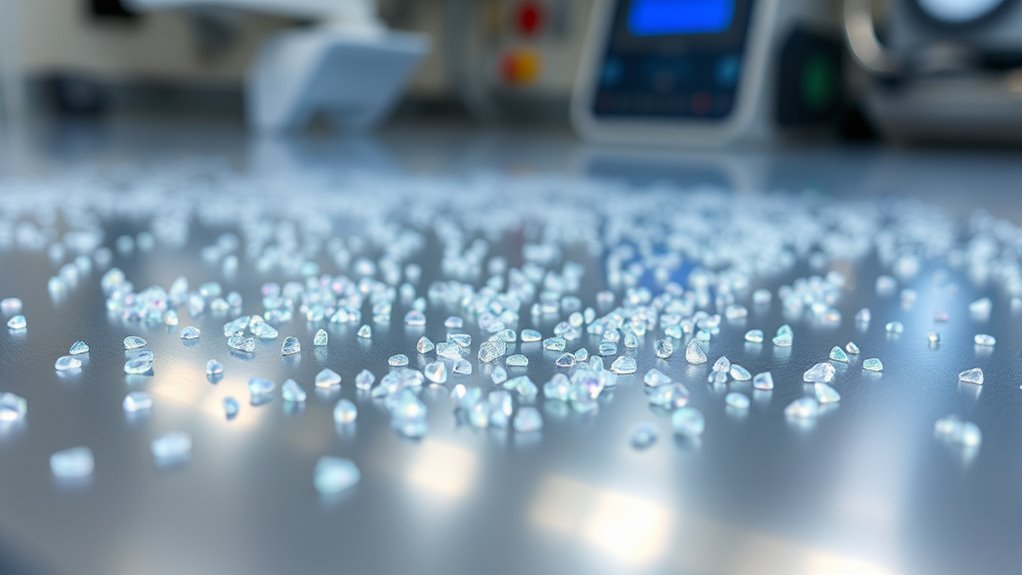
You need to support establishing clear regulations that define nanowaste and set safe handling standards. Promoting the development of safe, non-hazardous nanomaterials will help reduce risks and improve waste management practices. By focusing on these points, you can help build a responsible approach that protects health and the environment.
Establishing Clear Regulations
Establishing clear regulations for nanowaste is vital to guarantee its safe management and minimize environmental and health risks. Currently, the lack of specific standards creates confusion and inconsistent handling across sectors. You need guidelines that define nanowaste, identify its hazards, and specify treatment protocols. Regulations should mandate risk assessments, labeling, and proper disposal methods tailored to nanomaterials’ unique properties. Developing international consensus is essential to ensure uniform standards and prevent regulatory gaps. You also must promote transparency and enforce compliance, holding industries accountable. Without clear rules, nanowaste risks remain unmanaged, increasing exposure potential. Establishing comprehensive, science-based regulations helps protect ecosystems and public health while fostering responsible innovation and sustainable waste management practices.
Promoting Safe Nanomaterials
Building a responsible approach to nanowaste begins with promoting the development of safe nanomaterials that inherently minimize environmental and health risks. You should focus on designing nanomaterials with safety as a core feature, ensuring they break down easily or stay contained. To achieve this, consider these key strategies:
- Prioritize safe-by-design principles during development, reducing toxicity and environmental persistence.
- Implement rigorous testing and risk assessments before commercial use to identify potential hazards.
- Promote transparency and labeling, so users understand nanomaterial content and associated risks.
- Incorporate environmental impact assessments early in the development process to better predict and mitigate potential ecological effects. Additionally, designing nanomaterials with biodegradability in mind can significantly reduce their long-term environmental footprint, aligning innovation with sustainability goals.
Frequently Asked Questions
How Can Consumers Identify Nanowaste in Everyday Products?
You can identify nanowaste in everyday products by checking labels for terms like “nano,” “nanoparticles,” or “engineered nanomaterials.” Look for product packaging that mentions nanotechnology features, especially in cosmetics, electronics, or building materials. Be cautious with items containing titanium dioxide or carbon nanotubes. Stay informed through product safety data sheets or manufacturer info, and avoid disposing of products with nanomaterials improperly to prevent environmental release.
What Are the Long-Term Environmental Impacts of Nanowaste Accumulation?
You might be surprised to learn that nanowaste levels could increase by 50% in the next decade. Long-term environmental impacts include potential buildup in soil, water, and air, disrupting ecosystems and harming wildlife. Nanomaterials can accumulate and persist, possibly entering food chains and causing unknown health effects. Without proper management, this silent spread could lead to irreversible damage, emphasizing the urgent need for effective policies and research to mitigate future risks.
Are There Existing Recycling Methods Specifically Designed for Nanomaterials?
Yes, some recycling methods target nanomaterials, but they’re still limited. You’ll find techniques like advanced filtration, membrane separation, and nanomaterial recovery from electronics and industrial waste. However, these processes aren’t widely established or standardized yet, often due to insufficient understanding of nanowaste behavior and lack of specific regulations. To effectively recycle nanomaterials, you need ongoing research, improved technologies, and better policy frameworks that address their unique properties.
How Effective Are Current Waste Regulations at Controlling Nanowaste Hazards?
Current waste regulations act like a sieve, catching most hazardous waste but often letting nanowaste slip through unnoticed. You’ll find they’re not fully equipped to control nanowaste hazards because of gaps in definitions, evolving nanomaterials, and lack of specific guidelines. This makes it hard to effectively manage risks, so without updates, these regulations can’t guarantee adequate protection for health or environment against the tiny, yet potentially dangerous, nanowaste.
What Innovations Are Needed to Improve Nanowaste Detection and Management?
You need innovative detection tools that can identify nanowaste accurately in complex environments, such as portable nanosensors or advanced imaging techniques. Improved management requires developing safe recycling methods, biodegradable nanomaterials, and standardized classification systems. Emphasize real-time monitoring, better waste segregation, and risk assessment protocols. By adopting these innovations, you’ll enhance safety, reduce environmental impact, and guarantee responsible handling of nanowaste throughout its lifecycle.
Conclusion
As you navigate this tiny, uncharted landscape, remember that every small step you take can help prevent a quiet, hidden tide from rising. By staying informed and supporting safer practices, you become a gentle guardian of our environment’s delicate balance. Together, we can steer this invisible voyage toward calmer waters, ensuring that the tiniest particles don’t drift into unforeseen storms. Your mindful choices act as guiding stars in safeguarding our shared future from the subtle spread of nanowaste.
NFL season / tailgating Picks
team gear
As an affiliate, we earn on qualifying purchases.