

Nanotech and faith often raise questions about whether tiny innovations clash with divine plans or spiritual values. Many worry that manipulating matter at such a small scale might overstep natural boundaries or play God, challenging ideas of dignity and morality. Religious perspectives both caution and endorse nanotech, framing it as a gift or a threat. If you want to explore how faith communities, ethical concerns, and scientific progress intersect, keep exploring these complex conversations further.
Get ready for Prime Big Deal Days — try Prime free
Exclusive member deals on October 6–7, plus fast free delivery. Cancel anytime.
As an affiliate, we earn on qualifying purchases.
Key Takeaways
- Religious groups often frame nanotech as a divine gift or moral responsibility, emphasizing stewardship and healing.
- Ethical concerns arise over “playing God,” with fears that nanotech interferes with divine plans or natural order.
- Faith influences public perception, with higher religiosity sometimes correlating with skepticism about nanotechnology.
- Religious leaders participate in policy discussions to ensure nanotech development aligns with moral and spiritual values.
- Transparent dialogue and inclusive governance help reconcile scientific innovation with religious moral frameworks.
As an affiliate, we earn on qualifying purchases.
The Ethical Dilemma of Playing God in Nanotechnology

The ethical dilemma of playing God in nanotechnology arises from concerns that developing highly advanced nanoscale interventions could overstep natural boundaries and interfere with human identity. You might worry that manipulating cells, tissues, or even consciousness crosses a line that nature or a divine power set. This fear stems from the idea that such control could alter what makes us fundamentally human, risking loss of dignity or moral integrity. Religious critiques often frame these interventions as overreach, challenging the notion of human humility before creation. As you explore nanotech’s potential, you may feel torn between the promise of cures and enhancements and the moral implications of wielding such power. This tension raises questions about whether scientists and society should act as de facto creators, playing a role traditionally attributed to a higher power. Additionally, concerns about the role of technology in shaping human evolution highlight the importance of ethical considerations in the development of nanotech. Recognizing the ethical frameworks that guide technological innovation can help navigate these complex moral landscapes. Understanding the technological ethics can assist in establishing responsible boundaries and fostering public trust in groundbreaking advancements. Furthermore, engaging diverse perspectives from various religious and philosophical traditions can contribute to a more comprehensive approach to responsible nanotech development. In this context, ongoing dialogue about the moral implications of such technologies is essential to ensure that advancements align with societal values.
religious perspectives on nanotechnology
As an affiliate, we earn on qualifying purchases.
As an affiliate, we earn on qualifying purchases.
Religious Perspectives on Human Enhancement and Alteration
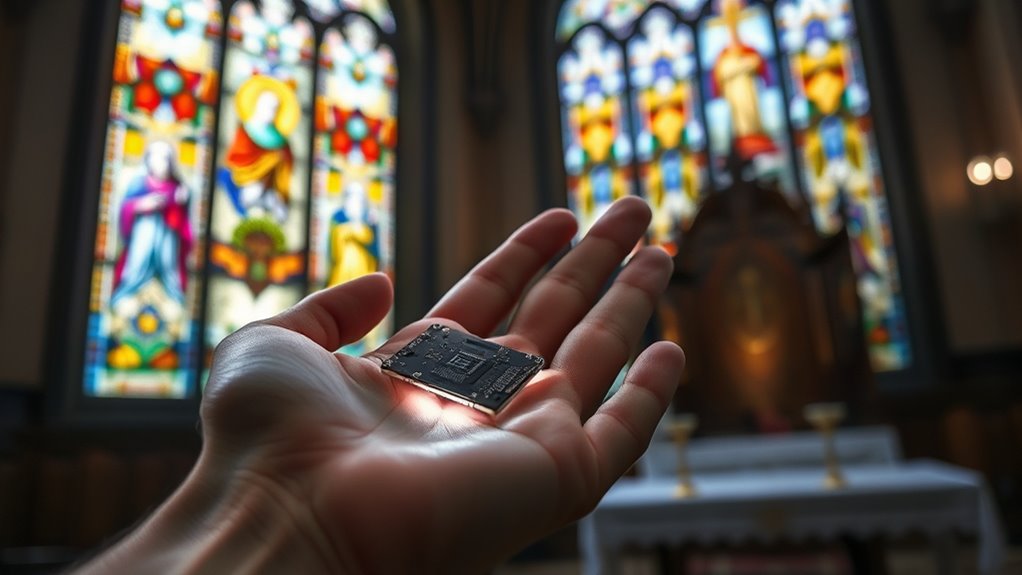
Religious perspectives on human enhancement and alteration often center on concerns about maintaining moral integrity and respecting divine or natural boundaries. You might worry that nanoscale modifications could interfere with God’s plan or natural order, risking hubris or moral hubris. Many see such enhancements as “playing God,” challenging doctrines about human dignity and sanctity. These views draw on longstanding debates about human identity, moral responsibility, and the limits of scientific intervention. Some religious voices emphasize stewardship, advocating for cautious progress aligned with divine principles. Others raise fears about unintended consequences, such as altering moral agency or creating new inequalities. Overall, religious perspectives often call for ethical restraint, emphasizing that human enhancement must respect divine sovereignty and preserve moral and spiritual integrity. Additionally, concerns about scientific intervention highlight the importance of aligning technological advancements with spiritual values to prevent moral erosion. Recognizing the evolution of arcade games and their cultural significance can also serve as a reminder of how technological progress should be balanced with moral considerations. Moreover, understanding how Gold IRA Rollovers function can inform ethical discussions about financial stewardship and responsible investment. It is crucial to consider how nanotechnology could impact human nature and spiritual well-being in these debates. Furthermore, integrating insights from ethical frameworks can help shape responsible approaches to emerging technologies.
moral philosophy nanotech models
As an affiliate, we earn on qualifying purchases.
As an affiliate, we earn on qualifying purchases.
How Faith Shapes Public Attitudes Toward Tiny Innovations

Faith deeply influences how people perceive tiny innovations like nanotechnology, shaping both their expectations and concerns. Your religious beliefs can lead you to view nanotech as either a gift or a threat, depending on how it aligns with moral values. This influence manifests in various ways:
Faith shapes perceptions of nanotech, framing it as a moral gift or threat based on spiritual beliefs.
- Higher religiosity often correlates with skepticism when benefits seem uncertain, as moral considerations may prompt caution.
- Media framing religiously resonant language affects acceptance, emphasizing the importance of moral messaging in public discourse.
- Perceptions of moral and spiritual implications shape risk judgments, with some faiths highlighting stewardship and others warning against hubris.
- Trust in science varies based on faith-based worldview, as some communities prioritize divine authority over technological advancement.
- Cross-cultural religious contexts influence collective attitudes, leading to diverse responses worldwide.
Your faith might cause you to see nanotech as a miracle or a moral dilemma, impacting your openness to its development and regulation. Additionally, the way electric dirt bikes are perceived can be shaped by similar moral considerations about technology and safety. Understanding this interplay helps explain why public opinion isn’t purely scientific but deeply rooted in moral and spiritual beliefs, where moral values significantly guide attitudes toward emerging technologies. Moreover, the role of religious teachings can influence how communities interpret scientific progress and its ethical boundaries. Recognizing the moral frameworks inherent in various faiths can further clarify differing perspectives on technological innovation.
nanotech and faith discussion guides
As an affiliate, we earn on qualifying purchases.
As an affiliate, we earn on qualifying purchases.
The Role of Religious Groups in Shaping Nanotech Policy

As nanotechnology advances, religious groups actively participate in shaping policy debates, aiming to influence regulations through moral and ethical considerations. You may find them engaging in public consultations, submitting doctrinal arguments, or forming ethics committees that evaluate nanotech’s societal impact. These groups often emphasize values like human dignity, sanctity of life, and stewardship, urging policymakers to adopt precautionary principles that prioritize long-term human and environmental welfare. They also invoke moral frameworks rooted in their faith traditions to advocate for responsible research practices. You might also see faith-based organizations collaborating across denominations or with secular bodies to craft guidelines that reflect moral concerns. Their involvement isn’t limited to critique; some advocate for responsible innovation aligned with spiritual principles. By framing nanotech debates within moral and theological contexts, religious groups seek to ensure that technological progress respects foundational ethical tenets. Additionally, they often utilize ethical frameworks grounded in their faith traditions to guide policy discussions and promote responsible research practices. Recognizing the importance of moral considerations, these groups work to ensure that technological innovation aligns with their spiritual values and societal responsibilities. Furthermore, many faith organizations engage in public advocacy to raise awareness and influence public opinion on nanotechnology issues.
Religious Rhetoric in the Promotion and Critique of Nanotech

The rhetoric surrounding nanotechnology often incorporates religious themes to influence public perception, shaping both enthusiasm and skepticism. You’ll notice how advocates highlight nanotech’s potential as a “miracle cure” or a divine gift, appealing to hope and moral duty. Conversely, critics frame nanoscale innovations as “playing God,” warning of moral hubris and unnatural interference. Religious language is used to bolster moral authority, emphasizing dignity, sanctity, and stewardship. This blending of faith and science reflects a desire to find moral significance in technological advancement, seeking to align progress with spiritual values. Additionally, the use of scientific terminology in religious rhetoric can lend an air of legitimacy and moral weight to claims about nanotech’s benefits and risks. Recognizing how moral framing influences public discourse helps us understand the complex relationship between faith and scientific progress. Moreover, the invocation of religious symbolism often serves to deepen emotional engagement, making complex scientific concepts more accessible and morally resonant for the general public. Understanding the emotional and moral appeals rooted in psychological dynamics can enhance our appreciation of how nanotech is culturally contextualized.

Religious and ethical debates extend beyond rhetoric into the core moral concerns surrounding nanotechnology’s applications. You must consider bioethics, environmental stewardship, and identity issues. Many faith voices worry about “playing God” by altering human nature—enhancing cognition, strength, or lifespan—raising questions of dignity and sanctity. Environmental concerns focus on nanoparticle impacts and our duty to protect creation. Identity debates revolve around cognitive enhancements that could reshape moral responsibility and agency. Justice and access are also key, emphasizing fairness in benefit distribution. To clarify these issues, here’s a comparison:
| Concern | Faith Perspective | Technological Impact |
|---|---|---|
| Human Enhancement | Moral boundary of playing God | Risks of unintended consequences |
| Environmental Impact | Stewardship and caution | Ecological unknowns |
| Identity & Agency | Moral responsibility shifts | Potential loss of authentic self |
| Justice & Access | Fairness and equity | Unequal benefit distribution |
Navigating these concerns requires dialogue respecting moral frameworks and transparent governance.
Building Bridges: Engaging Faith Communities in Technology Governance

To effectively include faith communities in nanotech governance, you need to adopt respectful dialogue strategies that acknowledge their moral perspectives. Framing ethical concerns around shared values helps build trust and open channels for constructive discussion. Embracing inclusive decision-making approaches guarantees diverse voices influence policies, fostering better understanding and acceptance. Incorporating community support and engaging local organizations can further enhance mutual understanding and collaboration. Recognizing the importance of Floating on Water in ethical considerations can help address environmental concerns associated with nanotechnology.
Respectful Dialogue Strategies
Building trust and fostering mutual understanding are essential when engaging faith communities in nanotechnology governance. You can do this by listening actively, respecting religious perspectives, and acknowledging moral concerns without dismissing them. Use clear, transparent communication that connects nanotech’s benefits with shared values like stewardship or healing. Frame discussions around common goals rather than conflicts, and involve faith leaders early in decision-making processes. Encourage open dialogue where questions are welcomed and ethical issues are openly addressed. This approach helps bridge gaps and builds credibility.
- Listen empathetically to faith perspectives
- Use language that resonates with religious values
- Collaborate with faith leaders as partners
- Share transparent information on risks and benefits
- Create inclusive, ongoing forums for dialogue
Framing Ethical Concerns
Framing ethical concerns effectively is essential for fostering trust and collaboration with faith communities in nanotechnology governance. When you address moral questions like “playing God,” highlight shared values such as human dignity, stewardship, and the sanctity of life. Avoid framing nanotech solely as a technical challenge; instead, connect it to broader moral narratives that resonate with faith perspectives. Recognize that religious critiques often center on altering human nature and ecological impacts. Presenting nanotech benefits alongside transparent discussions of uncertainties and risks helps build credibility. Emphasize inclusive dialogue and demonstrate respect for doctrinal concerns. By framing ethical issues in ways that align with faith-based moral frameworks, you create space for meaningful engagement and reduce misunderstandings, encouraging faith communities to participate constructively in governance debates.
Inclusive Decision-Making Approaches
Effective engagement with faith communities in nanotechnology governance requires inclusive decision-making approaches that genuinely incorporate their moral and cultural perspectives. You need to create spaces where religious voices influence policies, ensuring their values are respected and integrated. This fosters trust and helps address ethical concerns early. Consider these strategies:
- Involving faith leaders in public consultations and ethics panels
- Framing discussions around shared moral principles like stewardship and dignity
- Providing transparent information tailored to diverse religious perspectives
- Encouraging interdisciplinary dialogue among scientists, theologians, and ethicists
- Developing collaborative guidelines that balance innovation with moral responsibilities
Moving Forward: Harmonizing Scientific Progress With Religious Values

To move forward, you need to foster open ethical dialogue that respects religious perspectives and values. By building inclusive policies, you can guarantee science advances responsibly while addressing moral concerns. Embracing diverse viewpoints helps create a foundation of trust and shared understanding for technological progress.
Embracing Ethical Dialogue
Bridging the gap between scientific innovation and religious values requires intentional and open dialogue that respects both perspectives. You can foster understanding by actively listening and acknowledging moral concerns while sharing scientific insights. Engaging religious voices early in discussions helps surface value conflicts and build trust. Transparent communication about benefits and uncertainties respects faith-based moral frameworks and promotes informed decision-making. Incorporating religious ethics into policy design ensures diverse viewpoints shape responsible governance. Encouraging interdisciplinary collaborations blends theological, social, and scientific expertise. By fostering mutual respect, you create a space where faith and science can coexist, guiding nanotech development ethically.
- Invite religious leaders to participate in ethical review panels
- Use language that resonates with faith communities to explain nanotech’s purpose
- Share stories highlighting shared values like stewardship and healing
- Address fears by clarifying misconceptions and risks openly
- Develop joint guidelines balancing innovation with moral responsibilities
Building Inclusive Policies
Building inclusive policies that respect both scientific innovation and religious values requires deliberate engagement with diverse moral perspectives. You should involve faith communities early in technology assessments and policy discussions to surface value conflicts and build trust. Communicating benefits and risks in ways that align with religious moral frameworks helps foster understanding, while transparent governance—like precautionary measures and monitoring—addresses faith-based concerns. Incorporating interdisciplinary ethics reviews, combining theological, social, scientific, and technical insights, ensures policies are thorough. You also need to prioritize listening to religious publics’ worries and preferences, tailoring outreach accordingly. By actively integrating religious voices and emphasizing shared stewardship goals, you create policies that balance innovation with moral integrity, fostering societal acceptance and responsible development of nanotechnologies.
Frequently Asked Questions
How Do Different Religions Interpret the Moral Implications of Nanotechnology?
You see that different religions interpret nanotechnology’s moral implications through various lenses. Some view it as “playing God,” raising concerns about altering human nature and life’s sanctity. Others focus on stewardship, justice, and beneficence, emphasizing ethical use and societal benefits. Many religious groups participate in policy debates, advocating for caution and moral oversight. Ultimately, interpretations depend on doctrinal beliefs, cultural context, and how nanotech’s risks and benefits align with faith-based values.
Can Religious Beliefs Effectively Influence Nanotech Regulation and Innovation Policies?
Yes, your religious beliefs can effectively influence nanotech regulation and innovation policies. By participating in policy debates, forming ethics committees, and advocating for moral considerations, you can shape regulations to reflect your values. Religious groups often engage with policymakers, emphasizing stewardship and moral responsibility. Your voices help guarantee that technological development aligns with ethical principles, fostering policies that respect moral concerns and promote responsible innovation.
What Are Common Religious Objections to Human Genetic Enhancement Through Nanotech?
Imagine tampering with a sacred garden, risking its harmony—that’s how many religious objections see human genetic enhancement via nanotech. You might disturb the natural order, violate divine intent, or threaten human dignity and sanctity. Concerns about playing God, altering identity, and risking unforeseen ecological or moral consequences fuel resistance. You’re called to respect life’s sacredness, cautious of crossing boundaries that could undermine moral and spiritual integrity.
How Do Faith-Based Communities Perceive Risks Versus Benefits of Nanomedical Applications?
You often see faith-based communities viewing nanomedical applications skeptically, especially when perceived benefits seem limited. They tend to prioritize ethical concerns, emphasizing moral and spiritual implications over potential health advantages. While less religious groups might focus on tangible benefits like improved health, religious communities weigh risks related to altering human nature, sanctity, and environmental stewardship. Their perceptions are shaped by doctrinal values, influencing their acceptance or caution toward nanotech in medicine.
Are There Successful Examples of Religious-Scientific Collaboration in Nanotechnology Governance?
You’ll find that some religious groups have successfully influenced nanotech policy, with faith-based ethics committees shaping regulations in the US. For example, interfaith statements have contributed to discussions on moral values in governance. These collaborations show that integrating religious perspectives early assists in addressing ethical concerns and build public trust. By working together, scientists and faith leaders can promote responsible development and ensure that technological advances align with societal and moral values.
Conclusion
As you explore the intersection of nanotech and faith, it’s clear that dialogue is key. Can science and religion truly find common ground in shaping our future? By respecting diverse perspectives and fostering open conversations, you can help bridge the gap between tiny tech and big beliefs. Embracing both innovation and spirituality isn’t just possible—it’s essential for a balanced, ethical path forward. After all, isn’t our shared humanity worth the effort?
Fall yard work Picks
leaf blowers
As an affiliate, we earn on qualifying purchases.