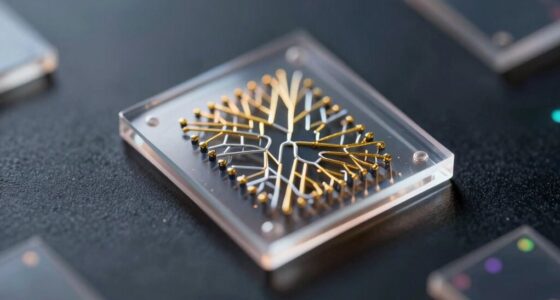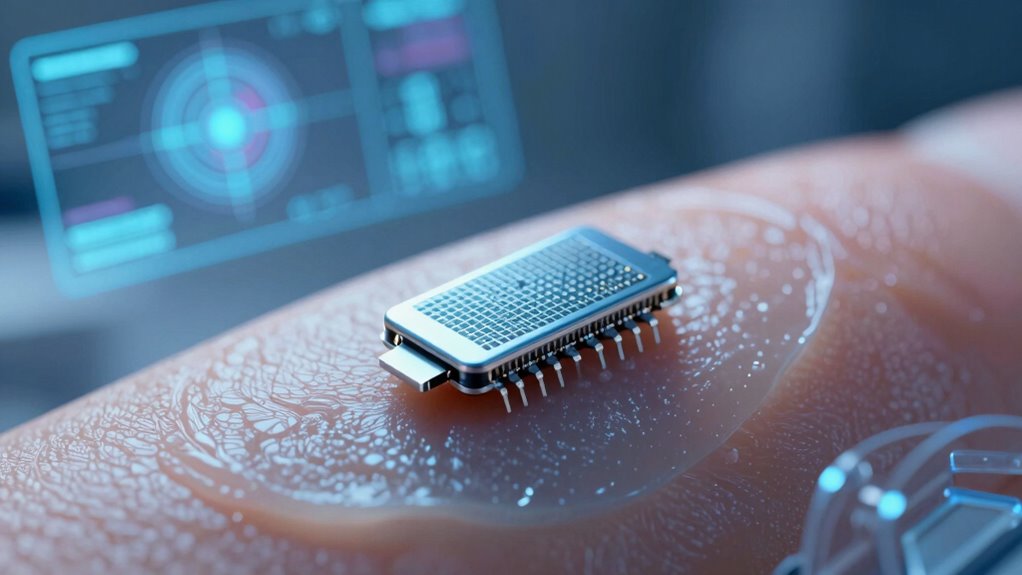

Nanosensors matter in healthcare now because they allow you to detect biological signals at the molecular level in real time, leading to early diagnosis and better disease management. They enable continuous, minimally invasive monitoring of essential signs, blood glucose, or pathogens, which helps prevent severe symptoms and reduces hospital visits. With ongoing advances, these tiny devices are making healthcare more precise and accessible. Keep exploring how these innovations are transforming patient care and outcomes.
Listen free for 30 days with Audible
Thousands of audiobooks and originals — cancel anytime.
As an affiliate, we earn on qualifying purchases.
Key Takeaways
- Enable real-time, highly sensitive detection of biological markers for early disease diagnosis.
- Support continuous, minimally invasive health monitoring through wearable or implantable nanosensors.
- Facilitate remote patient monitoring, improving healthcare access in underserved areas.
- Enhance disease management by providing instant alerts on health status changes.
- Drive innovation in healthcare through ongoing nanotechnology research and sensor advancements.
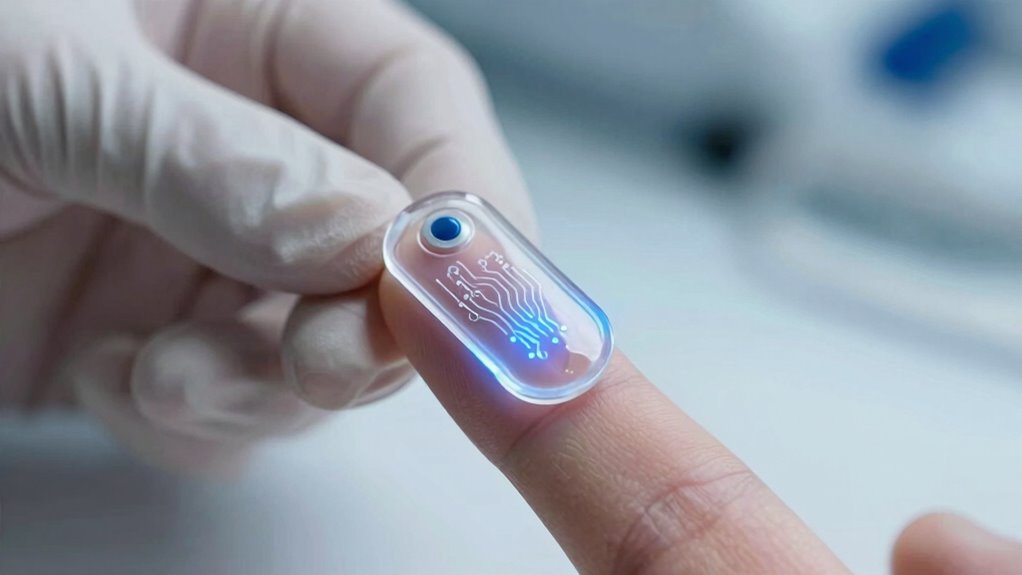
Nanosensors are revolutionizing healthcare by enabling precise, real-time detection of biological signals at the molecular level. This leap forward is largely driven by nanotechnology innovations that allow you to monitor health conditions with unprecedented accuracy. Instead of waiting for symptoms to become severe, you can now catch early warning signs through these tiny sensors that work continuously within your body or in your environment. They detect minute changes in chemical or biological markers, providing data instantaneously, which is a game-changer for patient monitoring. This means your healthcare providers can respond faster, adjusting treatments promptly and preventing complications before they escalate.
Nanosensors enable real-time, precise detection of biological signals, transforming early diagnosis and proactive healthcare management.
The significance of nanosensors in healthcare lies in their ability to deliver real-time insights into your health status. Traditional methods often rely on sporadic testing or invasive procedures, which can delay diagnosis and treatment. Nanosensors, however, are minimally invasive or even non-invasive, affording you more comfort and ease. They can be embedded into wearable devices or integrated into implants, offering constant streams of data about vital signs, blood glucose levels, or even the presence of pathogens. As a result, you’re empowered with continuous monitoring that adapts to your lifestyle, making disease management more proactive than reactive.
With advancements in nanotechnology innovations, the scope of patient monitoring expands dramatically. These sensors can detect biomarkers at extremely low concentrations, enabling early detection of diseases like cancer, diabetes, or infections. Imagine your body sending signals that are swiftly captured by nanosensors, alerting you and your healthcare team to issues long before symptoms manifest. This early detection can lead to more effective interventions, reducing hospital visits and improving long-term health outcomes. Moreover, nanosensors can be integrated into telemedicine platforms, allowing remote monitoring of patients, which is especially *essential* in rural or underserved areas. Additionally, incorporating landscaping elements like native plants can support the ecological sustainability of these advanced healthcare environments. The development of reliable nanosensors also depends on ongoing research in nanotechnology, which continues to expand the potential applications in medicine. Continuous progress in sensor sensitivity ensures that these devices become even more precise and reliable over time.
wearable nanosensor health monitor
As an affiliate, we earn on qualifying purchases.
As an affiliate, we earn on qualifying purchases.
Frequently Asked Questions
How Affordable Are Nanosensors for Widespread Healthcare Use?
Nanosensors are becoming increasingly affordable for widespread healthcare use, thanks to advances in manufacturing and materials. Their cost effectiveness improves as production scales up, making them more accessible in various healthcare settings. Market accessibility is expanding, allowing more clinics and hospitals to adopt these technologies. Though initial costs can be high, long-term benefits like early detection and personalized treatment justify the investment, ultimately making nanosensors more affordable for broader use.
Are Nanosensors Safe for Long-Term Human Application?
Imagine nanosensors as tiny guardians patrolling your body’s landscape; their long-term safety depends on rigorous testing and ethical considerations. While initial studies show promise, ongoing research guarantees they won’t harm or accumulate in your system over time. You should stay informed, as scientists prioritize safety protocols to address potential risks. Trust in the evolving science helps balance innovation with your health, making nanosensors a safe, ethical tool for future healthcare.
Can Nanosensors Detect All Types of Diseases Accurately?
Nanosensors can’t detect all disease types with perfect accuracy yet, but they substantially improve disease detection by providing real-time, precise data. Their sensor accuracy is continually advancing, allowing for early diagnosis of many conditions like cancers and infectious diseases. While they’re a powerful tool, combining nanosensors with other diagnostic methods guarantees thorough health assessments. So, ongoing research aims to expand their capabilities, making disease detection even more reliable in the future.
What Are the Main Challenges in Nanosensor Deployment?
Deploying nanosensors presents formidable dilemmas like formidable ethical concerns and manufacturing hurdles. You’ll face fears over privacy, consent, and data security as these tiny tools tap into personal health details. Manufacturing hurdles involve complex, costly processes to produce reliable, consistent nanosensors at scale. Overcoming these challenges demands diligent dedication to ethics, innovation, and rigorous regulation, ensuring these tiny tech marvels become trustworthy tools in healthcare without compromising safety or privacy.
How Do Nanosensors Compare to Traditional Diagnostic Tools?
You’ll find nanosensors outperform traditional diagnostic tools through miniaturization advancements and sensitivity improvements. Their tiny size allows for real-time, on-site detection of various biomarkers, which traditional tools often miss or detect too late. Nanosensors provide quicker, more accurate results, enabling earlier diagnosis and treatment. This makes them invaluable in healthcare, especially for rapid disease detection and personalized medicine, where precision and speed truly matter.
continuous blood glucose nanosensor
As an affiliate, we earn on qualifying purchases.
As an affiliate, we earn on qualifying purchases.
Conclusion
In the grand scheme of healthcare, nanosensors are your future’s secret weapon—much like the medical marvels of the Victorian age, but way more high-tech. They enable real-time monitoring, early detection, and personalized treatment, transforming how you manage health. As you embrace this nano revolution, remember, it’s not just sci-fi anymore—it’s happening now, shaping a healthier tomorrow. So, stay tuned, because the age of nanosensors is just beginning to change everything.
As an affiliate, we earn on qualifying purchases.
remote patient monitoring device
As an affiliate, we earn on qualifying purchases.
As an affiliate, we earn on qualifying purchases.
Flea & tick season Picks
flea and tick prevention
As an affiliate, we earn on qualifying purchases.