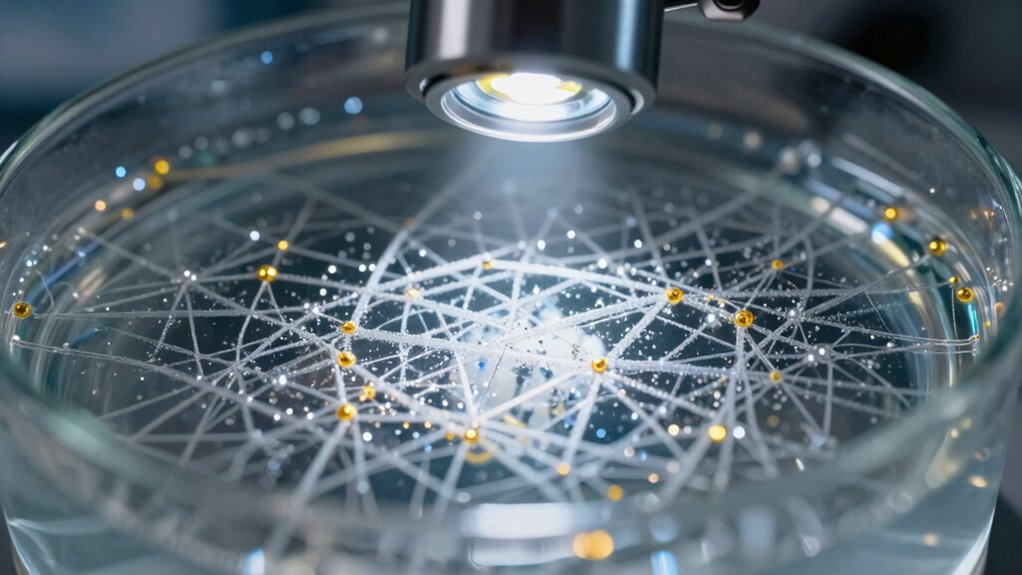
Nanotechnology helps water treatment in unexpected ways by using tiny materials to target and trap viruses, bacteria, and chemicals at a molecular level, making filters more efficient and energy-saving. It also enables real-time detection of pollutants with nano sensors, so you can quickly identify contamination. Combining filtration and monitoring, these innovations create smarter systems that improve water quality and safety. Keep exploring how nanotech is transforming water treatment for a cleaner, healthier future.
Key Takeaways
- Nano sensors enable real-time detection of pollutants, allowing rapid response to contamination events.
- Nanomaterials combine filtration and signaling, streamlining water purification and monitoring processes.
- Nanotech filters target and trap viruses, bacteria, and chemicals more efficiently at a molecular level.
- Integration of nanotechnology reduces energy consumption and waste in water treatment systems.
- Portable nanotech devices provide affordable, effective water purification in remote or disaster-stricken areas.
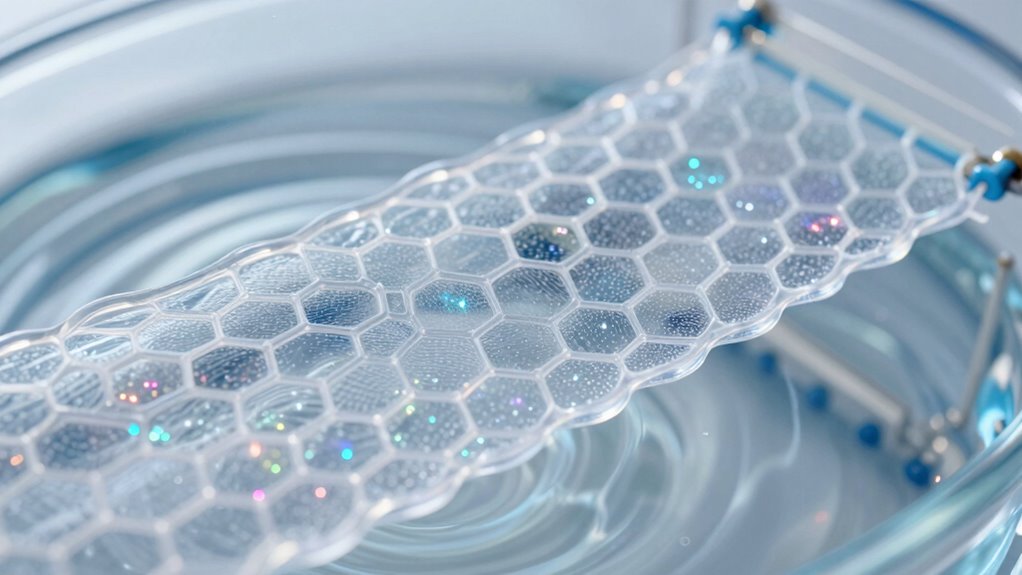
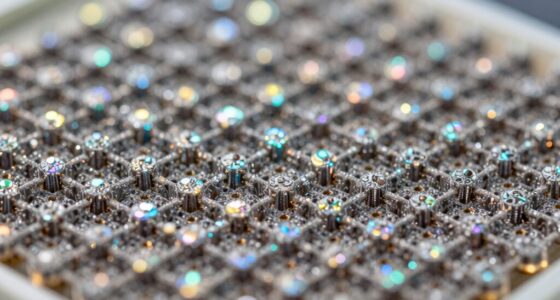
Have you ever wondered how cutting-edge science is transforming the way we clean and purify water? Nanotechnology plays a surprising role in making water treatment more efficient, effective, and sustainable. One of the most exciting innovations is nanotech filtration, which involves using incredibly tiny materials to remove contaminants at a molecular level. Unlike traditional filters, these nanomaterials can target and trap even the smallest particles, including viruses, bacteria, and chemical pollutants. Because of their high surface area and unique properties, nanotech filters require less energy and produce less waste, making water treatment processes faster and greener. When you think about it, this leap in filtration technology means cleaner water for communities, industries, and households, with fewer resources consumed.
Nanotech filters remove tiny contaminants efficiently, making water treatment faster, greener, and more sustainable for all.
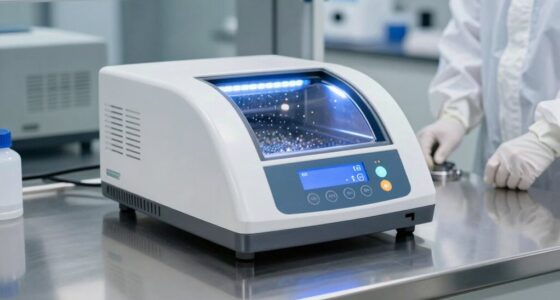
In addition to nanotech filtration, nano sensors detection is revolutionizing how we monitor water quality in real time. These tiny sensors are highly sensitive and can detect traces of pollutants that might go unnoticed by conventional testing methods. Imagine having a network of nano sensors embedded in water systems, constantly scanning for toxins, heavy metals, pharmaceuticals, or other harmful substances. This immediate detection allows for quick responses, preventing contaminated water from reaching consumers. You benefit from this technology because it ensures the water you drink or use for daily activities is safer and cleaner. It also helps authorities and engineers identify pollution sources more precisely, enabling targeted cleanup efforts and better management of water resources.
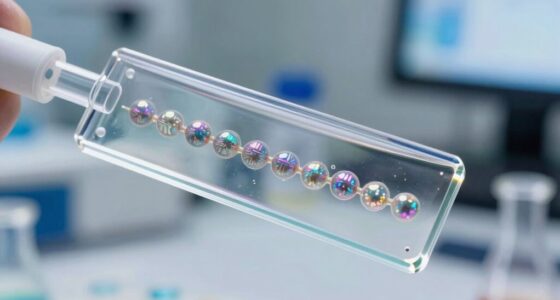
What makes nanotechnology so powerful in water treatment is its ability to combine filtration and detection seamlessly. For instance, some nanomaterials are designed not only to filter out impurities but also to signal when they’ve reached their capacity or when certain pollutants are present. This integration streamlines maintenance and improves overall system reliability. Furthermore, nanotech innovations are enabling the development of portable and affordable water purification devices, making clean water accessible even in remote or disaster-stricken areas.
Ultimately, nanotechnology is shaping a future where water treatment is smarter and more adaptive. It empowers engineers and scientists to tackle complex pollution challenges with precision and speed. As a result, you can expect safer drinking water, reduced environmental impact, and more sustainable resource management. The unexpected ways nanotech helps water treatment aren’t just advancements—they’re a leap toward a healthier, cleaner world.
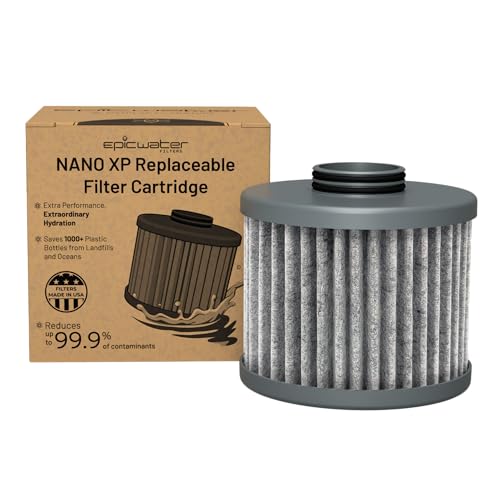
Epic Nano XP Water Filter – Made in USA – Removes 70+ Contaminants Including PFAS, Lead, Bacteria, Viruses and Microplastics – 100 Gallon Capacity – Replaceable Inner Cartridge – Recyclable
- Enhanced Water Purity: Removes 70+ contaminants including PFAS and lead
As an affiliate, we earn on qualifying purchases.
As an affiliate, we earn on qualifying purchases.
Frequently Asked Questions
How Long Do Nanotech Water Filters Typically Last?
Nanotech water filters usually last between six months to a year, depending on usage and water quality. You should monitor filter longevity and replace them when they show signs of reduced efficiency. Durability concerns may arise if you use the filters heavily or with highly contaminated water. Regular maintenance and understanding your filter’s specifications help guarantee peak performance and safe drinking water.
Are Nanotechnology Water Treatments Safe for Human Health?
Nanotech safety is generally high when proper regulations and testing are in place, making these water treatments safe for human health. However, some health risks could arise if nanoparticles leach into water or accumulate in your body over time. It is crucial to stay informed about the latest research, use certified products, and follow guidelines to minimize potential health risks associated with nanotechnology in water treatment.
Can Nanotech Improve Water Treatment in Developing Countries?
Yes, nanotech can improve water treatment in developing countries by offering innovative solutions for contaminants. Your challenge lies in nanotech scalability, guaranteeing these advanced methods can be widely deployed affordably. You’ll also face regulatory challenges that need addressing to ensure safety and acceptance. By overcoming these hurdles, nanotechnology can deliver cleaner water, enhance public health, and support sustainable development in regions that need it most.
What Are the Environmental Impacts of Nanomaterial Runoff?
You should be aware that nanomaterial runoff can lead to environmental impacts like nanomaterial toxicity, which harms aquatic life and plants. This runoff may cause ecosystem disruption by accumulating in organisms and disrupting food chains. If nanomaterials aren’t properly contained or degraded, they could persist in the environment, posing long-term risks. Responsible use and disposal are essential to minimize these potential negative effects on ecosystems.
How Cost-Effective Is Nanotechnology Compared to Traditional Methods?
You’ll find that nanotechnology is surprisingly cost-effective compared to traditional water treatment methods. Its cost comparison reveals that, although initial investments might seem higher, the efficiency and lower chemical usage save money in the long run. This makes nanotech economically feasible, especially for large-scale applications. Its ability to quickly purify water while reducing operational costs turns it into a smart, budget-friendly choice for sustainable water management.
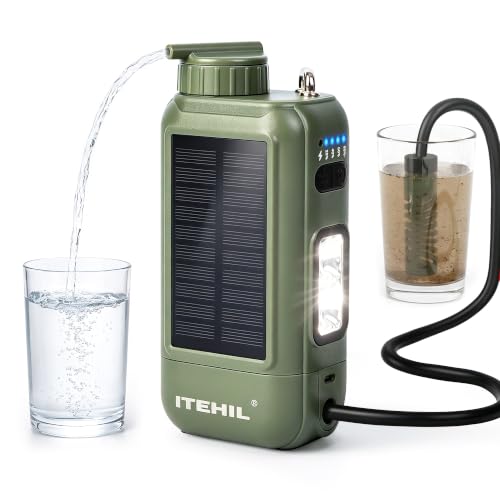
ITEHIL Portable Electric Water Filter, 0.01 Micron Camping Water Purifier with Solar, Outdoor Water Purification System for Camping, Hiking, Emergency & Survival
- Dual Filtration System: 0.01 micron filtration, removes contaminants
- Versatile Outdoor Use: Filters river, stream, wastewater, with emergency functions
- Long-Lasting Battery: 5200mAh battery purifies water for 4 hours
As an affiliate, we earn on qualifying purchases.
As an affiliate, we earn on qualifying purchases.
Conclusion
So, next time you take a sip of water, remember that nanotechnology is secretly working behind the scenes, transforming this simple act into a superhero feat! It’s so powerful, it could probably clean an entire ocean in a blink. Thanks to tiny nanomaterials, water treatment is revolutionized, making your drink safer than ever before. Truly, nanotech is the tiny giant saving your water—and the world—one molecule at a time!
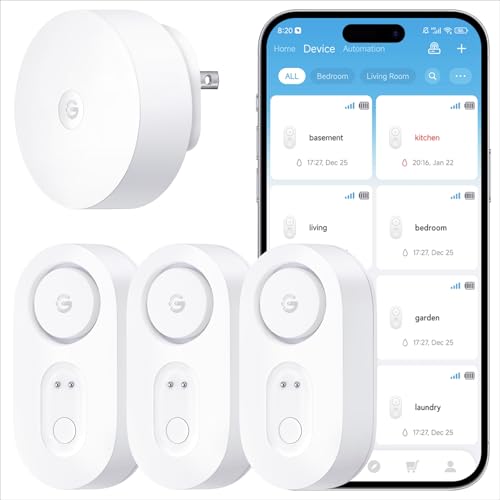
GoveeLife Upgraded Smart Water Leak Detector 1s with High Alarm, 3 Pack
- Long-Range Connectivity: Up to 1804 feet through walls
- Multiple Alert Methods: SMS, app, email notifications
- Loud Alarm and Flashing Light: 105 dB sound and red flash
As an affiliate, we earn on qualifying purchases.
As an affiliate, we earn on qualifying purchases.

Purewell 2.25G Gravity Water Filter System with Water Level Window, 3-Stage 0.01μm Ultra-Filtration Stainless Steel Countertop System with 2 Filters and Stand, Reduce 99% Chlorine, PW-KS
- Water Level Window: Transparent window for water monitoring
- 3-Stage Filtration: Effectively reduces contaminants and heavy metals
- Ultra-Filtration Pore Size: 0.01μm pore size for high accuracy
As an affiliate, we earn on qualifying purchases.
As an affiliate, we earn on qualifying purchases.