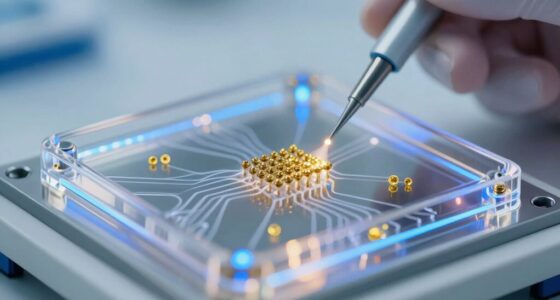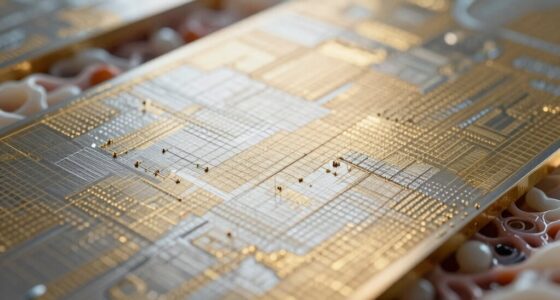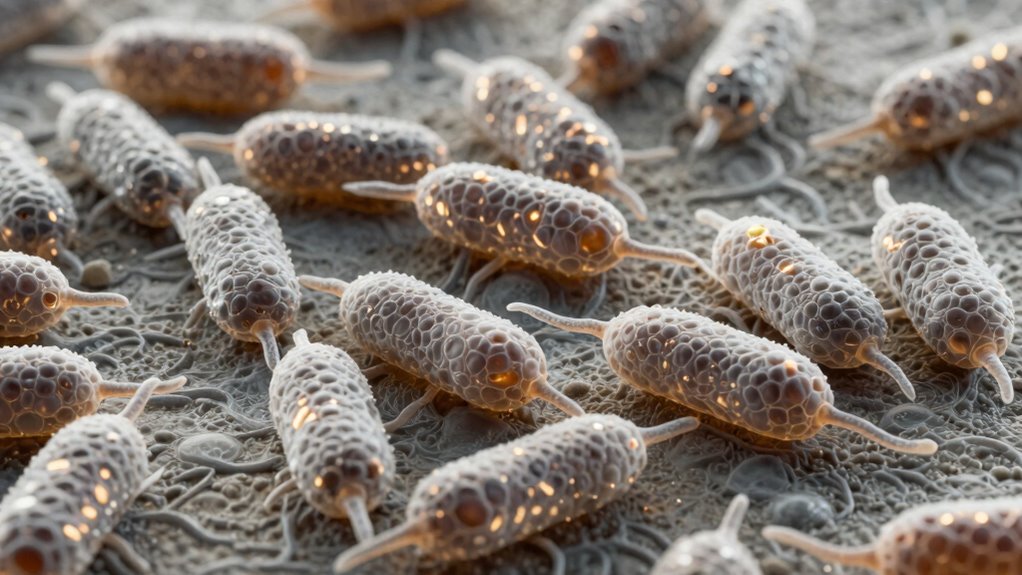

Nano surface topography influences how cells interact with materials by changing protein adsorption and orientation, which affects cell attachment and signaling. Textured nano surfaces increase surface area, allowing more proteins to adhere, promoting stronger cell spreading and differentiation. These features can be tailored to encourage or inhibit specific cell responses, impacting tissue regeneration and healing. If you want to understand more about how these tiny surface changes shape cell behavior, keep exploring the details ahead.

Get the latest gadgets delivered free with Prime
- Fast, free delivery on millions of items
- Prime Video, Amazon Music and more included
- Member-only deals all year
Key Takeaways
- Nano topography modifies protein adsorption, affecting cell recognition and attachment on material surfaces.
- Increased nanoscale roughness enhances surface area, promoting stronger and more stable cell adhesion.
- Nano features influence protein conformation and orientation, thereby directing cellular signaling pathways.
- Tailored nano textures can selectively promote or inhibit specific cell responses.
- Nano surface engineering improves tissue integration and regeneration by controlling cell-material interactions.
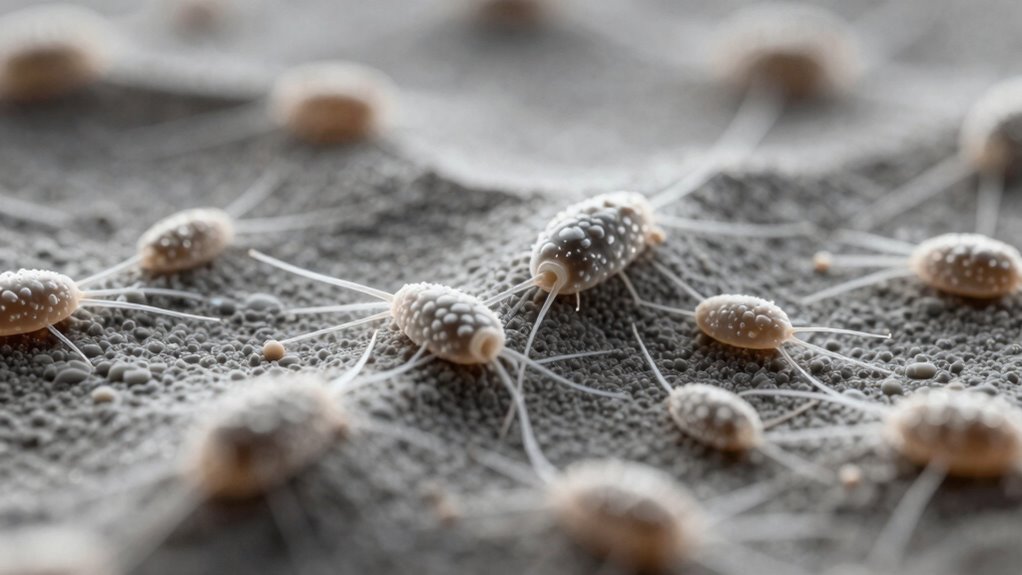
Nano surface topography plays a fundamental role in influencing how cells interact with materials. When you modify the surface at the nanoscale, you change the way cells recognize and respond to that material. One key factor in this process is surface energy, which dictates how readily a surface interacts with surrounding molecules, including proteins. A surface with high energy tends to attract proteins more effectively, leading to a thicker and more stable protein layer when exposed to biological fluids. Conversely, a low-energy surface may resist protein adsorption, affecting how cells adhere and behave later on. This interplay between surface energy and protein adsorption is essential because cells don’t directly interact with the material itself; they respond to the proteins that adsorb onto the surface first. If the nano topography enhances protein adsorption, it can promote stronger cell attachment, spreading, and even differentiation, depending on the protein composition and cell type. Additionally, surface roughness at the nanoscale can influence cellular signaling pathways by altering the local biochemical environment at the cell interface. The minute features of a nano-engineered surface influence how proteins orient themselves upon adsorption. When you create a textured nanoscale landscape, you effectively control the distribution and conformation of adsorbed proteins. This is vital because the biological activity of these proteins depends on how they’re presented to the cells. For example, rougher or more complex nano topographies can increase the available surface area, allowing more proteins to adhere and thus providing more binding sites for cell receptors. This heightened protein adsorption can accelerate cell adhesion, improve cell spreading, and foster a more natural interaction between the cell and the material. Furthermore, nano topography can be engineered to selectively promote or inhibit specific cell responses, making it a powerful tool for tailored biomaterial design. On the other hand, if the surface is designed to minimize protein adsorption, it could reduce cell attachment, which might be advantageous in applications like blood-contacting implants where you want to prevent clot formation. Additionally, understanding the nano topography and cell response relationship is crucial for designing biomaterials tailored for specific cell interactions and functions. Recognizing how nano surface features influence cell behavior allows researchers to develop materials that better support tissue regeneration and healing processes.
nano surface topography cell interaction
As an affiliate, we earn on qualifying purchases.
As an affiliate, we earn on qualifying purchases.
Frequently Asked Questions
How Does Nano Topography Influence Specific Cell Signaling Pathways?
Nano topography influences specific cell signaling pathways by altering how cells interact with their environment. You’ll notice that nano surface features can modify cellular communication, impacting receptor clustering and activation. This, in turn, triggers or suppresses signaling cascades. By customizing nano topography, you can direct cell behavior, enhance tissue integration, and promote desired responses, making it a powerful tool to control cellular communication and improve biomedical applications.
Can Nano Surface Modifications Prevent Bacterial Adhesion?
Nano surface modifications can massively prevent bacterial adhesion by creating surfaces so hostile, nano bacteria can’t latch on. These tiny topographies disrupt the bacteria’s ability to cling, acting like an invisible force field. By altering surface features at the nanoscale, you enhance surface sterilization, making it incredibly difficult for bacteria to establish a foothold. This innovative approach can revolutionize infection control, keeping surfaces cleaner and safer for longer periods.
What Materials Are Most Effective for Nano Surface Engineering?
You should choose materials with ideal surface roughness and high biocompatibility for nano surface engineering. Titanium and its alloys are popular due to their excellent biocompatibility and ability to achieve controlled surface roughness, promoting cell adhesion and reducing bacterial colonization. Additionally, polymers like polyethylene glycol (PEG) offer customizable nano topographies with minimal immune response. Selecting materials that balance surface roughness and biocompatibility ensures effective cell interaction and infection prevention.
How Durable Are Nano Topographical Features in Biological Environments?
Think of nano topographical features as delicate sculptures in a bustling marketplace—challenging to maintain. Nano durability varies with materials and surface stability, but generally, they’re quite resilient in biological environments. While they can endure for extended periods, factors like cell activity and fluid flow can gradually wear them down. Proper material choice and surface treatments enhance longevity, ensuring your nano features stay functional and effective over time.
Are There Any Ethical Concerns With Nano Surface Modifications?
You should consider that nano surface modifications raise ethical implications because they impact safety, consent, and long-term effects. Regulatory challenges also emerge, as existing standards may not fully address nanoscale features. It’s vital to guarantee transparency, thorough testing, and responsible use to avoid potential risks. By addressing these concerns proactively, you can promote ethical innovation while managing regulatory hurdles effectively.
nano textured biomaterials for tissue engineering
As an affiliate, we earn on qualifying purchases.
As an affiliate, we earn on qualifying purchases.
Conclusion
As you explore nano surface topography, you’ll realize how it dramatically influences cell interaction, much like how the compass guided sailors through uncharted waters. By tailoring surface features at the nanoscale, you can steer cell behavior and improve biomedical outcomes. Don’t forget, just as the ancient mariner relied on his tools, you too harness this cutting-edge knowledge to navigate new frontiers in tissue engineering and regenerative medicine. The future’s in your hands—ready to set sail?
As an affiliate, we earn on qualifying purchases.
nano surface engineering for cell growth
As an affiliate, we earn on qualifying purchases.
As an affiliate, we earn on qualifying purchases.
Fall Picks
fall essentials
As an affiliate, we earn on qualifying purchases.