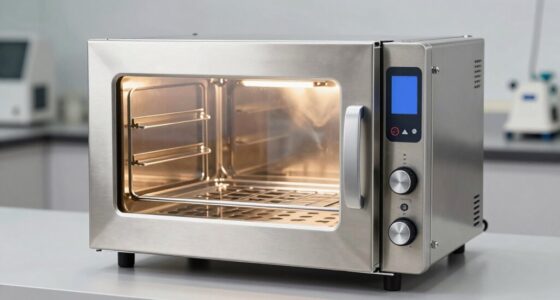
Laboratory autoclaves are essential tools for sterilization in research, healthcare, and industrial labs. The Class B SUN23-II Autoclave stands out as the top overall choice with its advanced features and large capacity. The Tuttnauer 1730 Valueklave offers exceptional simplicity and reliability for small labs, while the 12L Portable Steam Autoclave provides flexibility for mobile or space-constrained environments. However, choosing the right autoclave involves balancing capacity, ease of use, and features—tradeoffs that can impact workflow and safety. Continue reading for a detailed breakdown of each option and how they compare to help you find the best fit for your needs.

Get the latest gadgets delivered free with Prime
- Fast, free delivery on millions of items
- Prime Video, Amazon Music and more included
- Member-only deals all year
Complete the kit



Key Takeaways
- Capacity varies significantly, with options from 12L to 23L, affecting how many instruments can be sterilized at once.
- Digital controls and drying functions are common features that enhance ease of use and efficiency, especially in busy labs.
- Compact and portable autoclaves are available for limited spaces, but often come with reduced capacity and fewer advanced features.
- Price points differ based on capacity, features, and build quality; higher-priced models tend to offer better durability and automation.
- Understanding the specific sterilization needs—whether for dental, research, or clinical use—is key to selecting the right model.
| Class B SUN23-II Autoclave Sterilizer with Digital Display and Vacuum Steam, 23L |  | Best Overall for Advanced Laboratory Sterilization | Capacity: 23L | Chamber Material: Stainless Steel (#304, 2.5mm thick) | Features: Digital display, vacuum steam, data printing options, self-test system | VIEW ON AMAZON | See Our Full Breakdown |
| Tuttnauer 1730 Valueklave Autoclave, Compact and Easy to Operate for Small Offices |  | Best Value for Small-Scale Sterilization Needs | Chamber Dimensions: 7” x 13” | Chamber Volume: 2 Gallon | Cycle Time: 11 minutes | VIEW ON AMAZON | See Our Full Breakdown |
| 12L Portable Steam Autoclave for Lab Equipment |  | Best for Portable Lab Sterilization and Flexibility | Capacity: 12L | Material: Stainless Steel | Voltage: AC110V/50Hz | VIEW ON AMAZON | See Our Full Breakdown |
| TR250E 14L Autoclave, 251.6°F, 900W, Dental Lab Autoclave |  | Best for Dental and Precision Lab Use | Material: #304 stainless steel | Chamber Size: 9.84 x 11.02 inches | Capacity: 14 Liters | VIEW ON AMAZON | See Our Full Breakdown |
| 18L Autoclave Sterilizer – Tabletop Class N High Pressure Steam Sterilizer with Digital Control |  | Best for Professional Clinics and Salons with Digital Ease | Capacity: 18L | Temperature Settings: 121°C / 30 min, 134°C / 10 min | Power: 110V | VIEW ON AMAZON | See Our Full Breakdown |
| 18L High Pressure Steam Autoclave with Drying Function and Digital LED Display |  | Best for Compact Laboratory Use and Beginners | Capacity: 18L | Material: 304 stainless steel | Chamber Dimensions: 25×36 cm (9.84×14 in) | VIEW ON AMAZON | See Our Full Breakdown |
| 23L High Pressure Autoclave with Drying Function and Digital LED Display |  | Best for Medium-Volume Laboratory and Studio Use | Capacity: 23L | Material: 304 stainless steel | Chamber Dimensions: 25×45 cm (9.84×17.7 in) | VIEW ON AMAZON | See Our Full Breakdown |
| laboratory autoclave | Capacity | Material |
|---|---|---|
| Class B SUN23-II Autoclave Ste | 23L | — |
| Tuttnauer 1730 Valueklave Auto | — | — |
| 12L Portable Steam Autoclave f | 12L | Stainless Steel |
| TR250E 14L Autoclave | 14 Liters | #304 stainless steel |
| 18L Autoclave Sterilizer | 18L | Stainless Steel |
| 18L High Pressure Steam Autocl | 18L | 304 stainless steel |
| 23L High Pressure Autoclave wi | 23L | 304 stainless steel |
More Details on Our Top Picks
Class B SUN23-II Autoclave Sterilizer with Digital Display and Vacuum Steam, 23L
The SUN23-II stands out as the most feature-rich option, combining a robust 23L stainless steel chamber with a digital LCD interface and vacuum steam capabilities. This makes it ideal for laboratories that prioritize thorough sterilization, especially when sterilizing complex instruments that need vacuum cycles for deep penetration. Compared with the smaller, more straightforward Tuttnauer 1730, this model offers greater capacity and automation options, though it involves a more complex setup and higher price point. Its safety features like double lock doors and process verification via USB or printer make it suitable for regulated environments, but these enhancements come with a potential learning curve for beginners. Overall, this autoclave is best suited for well-equipped labs needing versatile, reliable sterilization with advanced data recording options.
Pros:- Large 23L stainless steel chamber for high-volume sterilization
- Digital LCD display simplifies operation
- Vacuum steam cycle ensures effective sterilization of complex instruments
- Optional data recording via USB or printer for compliance
Cons:- Higher cost compared to simpler models like Tuttnauer 1730
- Potentially complex setup for users unfamiliar with advanced autoclaves
- Limited details on automation beyond basic cycle options
Best for: Labs requiring high-capacity sterilization with data documentation and advanced safety features
Not ideal for: Small facilities or users new to autoclaves who prefer simple, plug-and-play devices
- Capacity:23L
- Chamber Material:Stainless Steel (#304, 2.5mm thick)
- Features:Digital display, vacuum steam, data printing options, self-test system
Our verdict“This model is ideal for laboratories that need high capacity, detailed process documentation, and advanced sterilization features, despite a steeper learning curve.”
Tuttnauer 1730 Valueklave Autoclave, Compact and Easy to Operate for Small Offices
The Tuttnauer 1730 excels as a compact, budget-friendly autoclave perfect for small clinics or offices that require quick turnaround sterilization. Its 2-gallon chamber and 11-minute cycle make it an efficient choice for low-volume tasks, especially when simplicity and safety—thanks to automatic shut-off—are priorities. Compared with the larger SUN23-II, it sacrifices capacity and advanced features for ease of use and affordability, making it unsuitable for high-volume or complex sterilization processes. The limited tray capacity constrains its utility for larger loads, but for small-scale sterilizers, it provides reliable performance with minimal fuss. This makes it a practical pick for environments where space and budget are tight but sterilization still matters.
Pros:- Compact size fits small spaces
- Fast cycle time of 11 minutes for quick turnaround
- Automatic shut-off enhances safety
- Includes 3 trays for small loads
Cons:- Limited tray capacity restricts larger loads
- Not suitable for high-volume or complex sterilization needs
- Basic features lack data recording or advanced automation
Best for: Small clinics or offices with modest sterilization demands and limited space
Not ideal for: High-volume laboratories or facilities needing sterilization of large instrument batches
- Chamber Dimensions:7” x 13”
- Chamber Volume:2 Gallon
- Cycle Time:11 minutes
Our verdict“This autoclave offers reliable, quick sterilization for small-scale applications, making it perfect for tight spaces and low-volume needs.”
12L Portable Steam Autoclave for Lab Equipment
The 12L portable autoclave offers a practical solution for on-the-go sterilization needs, with a durable stainless steel chamber and a capacity well-suited for small labs or fieldwork. Its safety features, including an overpressure valve and upgraded pressure gauge, provide reassurance during use, and its 110V operation suits most laboratory environments in North America. Compared to larger models like the SUN23-II, this device sacrifices capacity and automation for portability and ease of use. Its potential drawback is the limited power supply compatibility and the possible need for periodic replacement of consumable heating elements, which could add to maintenance costs. Nonetheless, it’s a versatile choice for setups that require mobility and straightforward operation.
Pros:- 12L capacity suitable for various lab tools and media
- Durable stainless steel construction for longevity
- Safety features like pressure relief valve and upgraded gauge
- Compact and portable for field or small lab use
Cons:- Limited to 110V power, restricting use in some regions
- Potential need for heating element replacement over time
- Not designed for large batch sterilization
Best for: Field researchers or small labs needing portable sterilization solutions
Not ideal for: Facilities requiring large-volume sterilization or 220V power sources
- Capacity:12L
- Material:Stainless Steel
- Voltage:AC110V/50Hz
- Rated Working Pressure:0.10~0.14MPa (15~20 psi)
- Rated Working Temperature:121~126°C (259~264°F)
Our verdict“This portable autoclave is ideal for small labs or fieldwork requiring reliable sterilization on the move, with some tradeoffs in capacity and maintenance.”
TR250E 14L Autoclave, 251.6°F, 900W, Dental Lab Autoclave
The TR250E 14L autoclave combines durability with precise temperature control, making it particularly suited for dental and small laboratory applications. Its stainless steel chamber and safety features, including a pressure gauge and automatic safety valve, support consistent sterilization cycles at 251.6°F. Compared with the smaller Tuttnauer 1730, the TR250E offers a larger capacity and more precise temperature regulation, essential for sterilizing complex dental instruments. Its manual water supply system, however, requires regular monitoring and maintenance, which could be inconvenient for busy practices. This model strikes a balance between capacity and control, making it a reliable choice for detailed sterilization tasks in dental labs or similar environments.
Pros:- Durable stainless steel chamber
- Precise temperature and pressure regulation
- Includes safety features like pressure gauge and safety valve
- Suitable for dental and lab applications
Cons:- Manual water supply system requires regular oversight
- Limited capacity for larger or multiple loads
- Longer cycle time (25 minutes) compared to smaller autoclaves
Best for: Dental clinics or laboratories that need precise temperature control and reliable safety features
Not ideal for: High-throughput labs or users wanting fully automated, water-independent operation
- Material:#304 stainless steel
- Chamber Size:9.84 x 11.02 inches
- Capacity:14 Liters
- Temperature:251.6°F
- Pressure:0.12 MPa
- Power:900W
Our verdict“This autoclave is a dependable option for dental and precise lab sterilization, with excellent control but some manual maintenance requirements.”
18L Autoclave Sterilizer – Tabletop Class N High Pressure Steam Sterilizer with Digital Control
The 18L tabletop autoclave combines a generous 18L capacity with straightforward digital controls, making it suitable for salons, clinics, and small labs seeking reliable sterilization without complexity. Its high-pressure steam cycle at 121°C and 134°C, with adjustable timers, caters well to sterilizing unwrapped instruments, especially in high-turnover environments. Compared to models like the SUN23-II, this unit emphasizes ease of use with a digital interface and safety features such as a pressure gauge and automatic pressure release. However, it lacks a drying cycle, which can be a drawback for sterilizing wrapped or moisture-sensitive items, and the cooling time before opening can extend turnaround. This device is best for environments prioritizing quick, simple sterilization of solid instruments in a compact form.
Pros:- Digital control panel with clear indicators
- Compact, space-saving design
- Safe operation with pressure gauge and automatic release
- Durable stainless steel chamber with removable trays
Cons:- No drying or active cooling cycle post-sterilization
- Limited to unwrapped, solid instruments only
- Cooling time needed before opening can slow throughput
Best for: Clinics, salons, or labs needing easy-to-operate sterilization of unwrapped instruments in limited space
Not ideal for: Facilities requiring drying or sterilization of wrapped items, or high-volume batch processing
- Capacity:18L
- Temperature Settings:121°C / 30 min, 134°C / 10 min
- Power:110V
- Material:Stainless Steel
- Tray Capacity:3 trays
Our verdict“This sterilizer offers a user-friendly, space-efficient solution for quick sterilization of unwrapped tools, suitable for busy clinics and salons with modest needs.”
18L High Pressure Steam Autoclave with Drying Function and Digital LED Display
This 18L autoclave stands out for its straightforward operation and reliable safety features, making it ideal for smaller laboratory environments or facilities with limited space. Compared to the larger 23L model, it offers a more manageable size but sacrifices some capacity, which might be a limitation for high-volume sterilization. Its durable stainless steel construction ensures longevity, while the digital LED display simplifies setup and monitoring. The multiple sterilization modes provide flexibility, yet its limited capacity and absence of advanced features like vacuum cycles may hinder use in more complex sterilization protocols. The built-in safety features, such as automatic venting and overheat cut-off, boost confidence during operation, though some users might find the control panel less intuitive if unfamiliar with microchip-based systems. This model is perfect for labs that prioritize ease of use and safety in a compact form, but not for those needing larger volumes or advanced sterilization options.
Pros:- Durable stainless steel chamber for long-term use
- Easy-to-use digital LED display simplifies operation
- Multiple sterilization modes offer versatility
- Built-in safety features enhance secure operation
Cons:- Limited to 18L capacity, not suitable for large-scale sterilization
- Requires some familiarity with sterilization procedures
- Lacks advanced features like vacuum cycles or programmable settings
Best for: Small laboratories or educational labs seeking reliable sterilization with simple operation
Not ideal for: High-volume facilities or labs requiring advanced sterilization cycles like vacuum or chemical sterilization
- Capacity:18L
- Material:304 stainless steel
- Chamber Dimensions:25×36 cm (9.84×14 in)
- Temperature Modes:121°C for 30 minutes, 134°C for 10 minutes
- Display:Digital LED
- Safety Features:Automatic pressure vent, safety valve, overheat cut-off
Our verdict“This autoclave is best suited for smaller labs that need reliable sterilization without complex features.”
23L High Pressure Autoclave with Drying Function and Digital LED Display
The 23L autoclave offers a step up in capacity and control, making it well-suited for labs that process higher volumes or require more flexible sterilization options. It shares many features with the smaller 18L model, such as durable stainless steel construction and a digital LED display, but with a larger chamber that accommodates more equipment at once. The precise temperature and pressure control ensures consistent sterilization, and the safety features like automatic venting and power cut-off provide peace of mind during operation. Compared to the 18L version, this model demands a slightly higher level of familiarity with sterilization parameters, and its increased size means more space and potentially more maintenance. It’s an excellent choice for facilities that need reliable sterilization but want to avoid the complexity of larger, more advanced autoclaves like the Class B models. Nonetheless, it’s less suitable for very high-volume or specialized sterilization needs that demand vacuum cycles or programmable protocols.
Pros:- Robust stainless steel chamber for durability
- Accurate temperature and pressure regulation
- User-friendly digital LED control panel
- Strong safety features for secure operation
Cons:- Limited to 23L capacity, not ideal for very high-volume needs
- Requires some technical knowledge for optimal use
- Larger footprint compared to smaller autoclaves
Best for: Medium-sized labs, salons, or studios requiring dependable sterilization with greater capacity
Not ideal for: Large-scale industrial labs or settings needing advanced sterilization features like vacuum cycles
- Capacity:23L
- Material:304 stainless steel
- Chamber Dimensions:25×45 cm (9.84×17.7 in)
- Temperature Modes:121°C for 30 minutes, 134°C for 10 minutes
- Control Panel:Digital LED display
- Safety Features:Automatic venting, power cut-off, safety valve
Our verdict“This model offers a reliable, slightly larger sterilization solution perfect for busy labs or salons that need consistent results without complexity.”

How We Picked
I evaluated these autoclaves based on several critical criteria: sterilization performance, build quality, ease of operation, capacity, and additional features like drying or digital controls. Reliability and user safety were paramount, so I prioritized models with proven durability and clear interfaces. Price-to-feature ratio was also considered, ensuring options provide good value for different budgets. The ranking reflects a balance between advanced features for professional labs and straightforward, reliable options for smaller or less complex environments.Factors to Consider When Choosing Laboratory Autoclaves
Choosing the right laboratory autoclave involves understanding key factors that influence performance, durability, and suitability for your specific needs. Beyond basic sterilization, considerations like capacity, ease of use, and maintenance can significantly impact your workflow and safety. To make an informed decision, examine the following factors carefully before purchasing.Capacity and Size
Capacity determines how many items you can sterilize in a single cycle. Larger models, such as 23L autoclaves, are ideal for high-volume labs but often come with increased size and cost. Smaller units, like 12L or portable options, are suitable for limited spaces or lower throughput but may require multiple cycles. Consider your current and future sterilization needs to avoid over- or under-investing in capacity.
Ease of Use and Controls
Autoclaves with digital displays, programmable cycles, and intuitive interfaces reduce user error and save time. Features like automatic drying can also improve efficiency, especially when preparing materials for immediate use. However, more advanced controls often increase the initial cost and complexity, so weigh the importance of automation against your technical comfort and budget.
Build Quality and Reliability
Durability depends on the materials used and the manufacturer’s reputation. A well-built autoclave minimizes maintenance costs and downtime, which are critical in professional settings. Cheaper models might save money upfront but can incur higher repair costs or shorter lifespans. Opting for reputable brands with good customer support adds peace of mind.
Features and Additional Functions
Features like drying, vacuum cycles, and rapid sterilization can enhance productivity and ensure thorough sterilization. Drying functions are especially useful for delicate instruments, while vacuum cycles improve sterilization in dense or porous materials. Evaluate which features truly improve your workflow to avoid paying for extras that don’t add value in your context.
Price and Value
Investing in a high-quality autoclave can pay off through longevity and reduced maintenance, but it’s important to match features with your budget. Lower-cost models may suffice for basic sterilization, while high-end units are better suited for demanding environments. Always compare the total cost of ownership, including maintenance and potential upgrades, before making a decision.
Frequently Asked Questions
How do I determine the right capacity for my lab?
Assess your typical workload by estimating the number of instruments or materials you need to sterilize per cycle. If you frequently process large batches, a bigger capacity like 23L is advantageous. For smaller, infrequent tasks, a 12L or portable unit might be sufficient. Planning for future growth can help you avoid needing a costly upgrade too soon.
Are digital controls worth the extra cost?
Digital controls typically provide more precise cycle management and ease of operation, reducing errors and saving time. They also often include programmable settings for different sterilization needs. While they do add to the initial price, the convenience and consistency they offer can justify the investment, especially in busy labs where efficiency matters.
What maintenance should I expect from a laboratory autoclave?
Regular maintenance includes checking seals, cleaning filters, and inspecting safety valves. Some models feature self-diagnostic functions that alert you to issues, reducing downtime. Choosing a reputable brand with accessible support can simplify maintenance routines and ensure your autoclave remains reliable over time.
Can portable autoclaves meet professional lab standards?
Portable autoclaves can be suitable for small-scale or mobile applications but may not match the performance or capacity of larger, stationary units. They often lack advanced features like drying or vacuum cycles but can still provide effective sterilization when used appropriately. Confirm that the portable model meets relevant safety and sterilization standards for your specific use case.
When should I choose a high-end autoclave over a basic model?
If your lab handles high-volume sterilization or requires precise, reliable cycles with features like drying and vacuum, investing in a premium model makes sense. High-end autoclaves typically offer better durability, automation, and safety features which are critical in clinical or research environments. For lower throughput or less critical sterilization, a basic model may be sufficient and more cost-effective.
Conclusion
For labs seeking a reliable all-rounder, the Class B SUN23-II Autoclave offers impressive capacity and advanced features, making it the best overall choice. Smaller operations or those with limited space might prefer the Tuttnauer 1730 Valueklave for its simplicity and affordability. For high-volume or professional settings, investing in a premium model like the 23L with drying and digital controls ensures top performance. Beginners or those on tighter budgets should consider compact or basic models, while specialized labs with demanding sterilization needs should prioritize robustness and advanced features. Matching your specific workflow with these priorities will lead to the best long-term investment.
Halloween Picks

HOPOCO Halloween Pumpkin Fog Machine with 12 LED Colors & Remote Control

10ft Halloween Inflatable Archway – Pumpkin Skeleton Yard Décor

Kalolary 11 ft Halloween Inflatable Archway Ghost House Tunnel
As an affiliate, we earn on qualifying purchases.