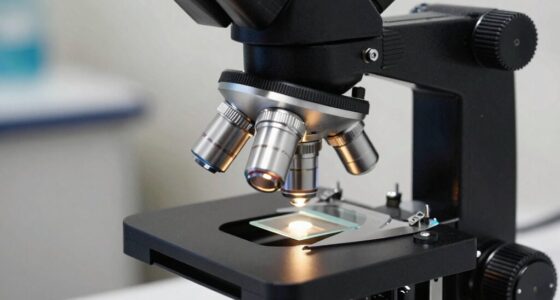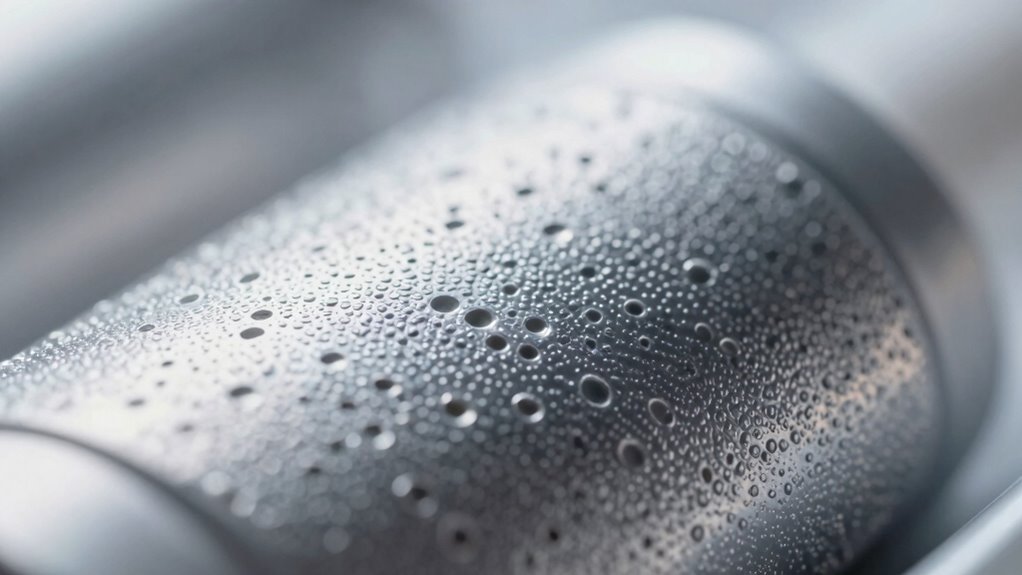

Nano surface modifications improve biocompatibility by altering the material’s interaction with biological tissues at the nanoscale. They influence surface energy, topography, and features that promote better cell attachment, reduce immune reactions, and prevent bacterial growth. By mimicking natural structures like the extracellular matrix, these modifications enhance integration with the body. If you explore further, you’ll discover how these precise adjustments can be tailored for specific biomedical applications and long-term success.

Get the latest gadgets delivered free — and shop member deals
- Fast, free delivery on millions of items
- Access to Prime Big Deal Days deals on October 6–7
- Prime Video, Amazon Music and more included
Key Takeaways
- Nanostructure design mimics extracellular matrix, promoting better cell attachment and integration.
- Surface energy modifications enhance protein adsorption and cellular interactions.
- Nanoscale topography guides cellular behavior, improving tissue compatibility.
- Precise nanostructures reduce immune responses and bacterial colonization.
- Advanced surface characterization refines nanostructure features for optimal biocompatibility.
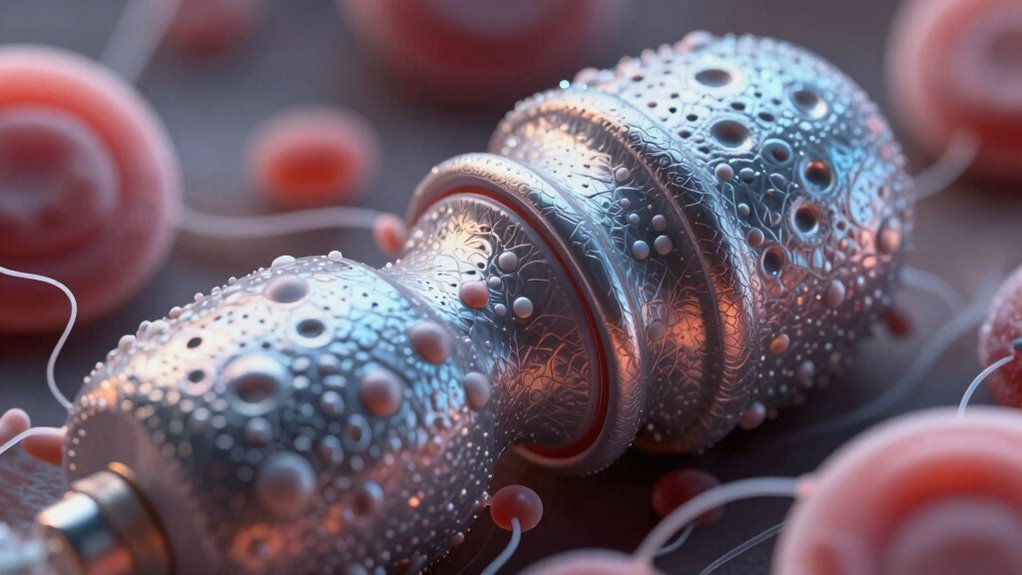
Advancements in nanotechnology have paved the way for innovative surface modifications that considerably enhance biocompatibility. When you modify a material at the nanoscale, you’re essentially changing how it interacts with biological tissues. This is where understanding nanostructure interactions becomes fundamental. At this tiny scale, the surface features of a material influence how cells, proteins, and other biological components recognize and respond to it. By carefully designing these nanostructures, you can promote favorable interactions, such as improved cell adhesion or reduced immune response. For example, creating nanostructured surfaces that mimic the natural extracellular matrix encourages cells to attach more efficiently, which is indispensable for implants and tissue engineering. Additionally, controlling the nanostructure interactions helps optimize biocompatibility for specific applications. Moreover, advances in surface characterization techniques allow for precise analysis and refinement of nanostructure designs to further improve compatibility. Surface energy effects also play a significant role in how nanostructure modifications improve biocompatibility. Surface energy determines how a material interacts with its environment, affecting phenomena like protein adsorption and cell attachment. When you alter the surface at the nanoscale, you can increase or decrease its surface energy to achieve desired biological responses. A high surface energy typically promotes better wettability, which facilitates protein binding and cell adhesion. Conversely, lowering surface energy can help reduce unwanted immune reactions or bacterial colonization. By tuning surface energy through nanostructure design, you control the initial biological interactions, setting the stage for longer-term compatibility. Additionally, the surface topography created at the nanoscale can influence cellular behaviors such as migration and differentiation, further improving biocompatibility outcomes.
nano surface modification for biocompatible implants
As an affiliate, we earn on qualifying purchases.
As an affiliate, we earn on qualifying purchases.
Frequently Asked Questions
How Long Do Nano Surface Modifications Typically Last in Vivo?
Nano surface modifications typically last several months to a few years in vivo, depending on longevity factors like material stability and biological environment. Degradation mechanisms such as enzymatic activity, corrosion, and mechanical wear can gradually break down the nano-coatings. Your body’s immune response and the specific tissue environment also influence how long these modifications remain effective, with more stable coatings offering longer-lasting biocompatibility.
Are There Any Safety Concerns With Nano Surface Modifications?
You might think nano surface modifications are completely safe, but the reality isn’t so simple. Regulatory challenges complicate their approval, and long-term safety remains uncertain. Although these modifications enhance biocompatibility, unforeseen side effects could emerge over time. So, while they promise better medical devices, you should stay cautious, as the tiny tweaks might hide big safety concerns that only thorough research can uncover.
Can Nano Modifications Be Applied to All Biomaterials?
You can apply nano modifications to many biomaterials, but it depends on their composition and surface properties. These modifications influence nanoparticle interactions and alter surface energy, which can improve biocompatibility. However, not all materials respond equally; some may require specific treatment to guarantee stability and safety. It’s essential to evaluate each material’s unique characteristics to determine the most effective nano surface modification approach without compromising functionality or safety.
How Cost-Effective Are Nano Surface Modification Techniques?
Imagine you’re customizing a titanium implant with nano surface modifications. The cost analysis shows these techniques can be expensive initially, but long-term benefits like reduced rejection rates offset costs. However, scalability challenges remain, especially when moving from lab to large-scale production. Overall, while the upfront investment is higher, improved biocompatibility and durability can make nano surface modifications cost-effective over time.
Do Nano Surface Modifications Affect the Mechanical Properties of Implants?
Nano surface modifications can influence the mechanical properties of implants by altering surface roughness and coating durability. These modifications often enhance surface features, which can improve adhesion and wear resistance. However, if not carefully applied, they might introduce stress concentrations, potentially weakening the implant. Overall, when properly designed, nano surface modifications balance improved biocompatibility with maintained or even enhanced mechanical strength, ensuring the implant’s longevity and performance.
nanostructured surface for tissue engineering
As an affiliate, we earn on qualifying purchases.
As an affiliate, we earn on qualifying purchases.
Conclusion
By embracing nano surface modifications, you reveal a delicate dance where tiny textures whisper promises of harmony between materials and biological systems. These minuscule changes act like skilled artisans, sculpting surfaces that invite seamless integration, much like a gentle embrace that calms and welcomes. As you harness this nanoscopic symphony, you craft a future where biocompatibility blooms like a resilient garden—vibrant, adaptive, and alive with the promise of harmony beneath the surface.
biocompatible nano coating for medical devices
As an affiliate, we earn on qualifying purchases.
As an affiliate, we earn on qualifying purchases.
Fall Picks
fall essentials
As an affiliate, we earn on qualifying purchases.