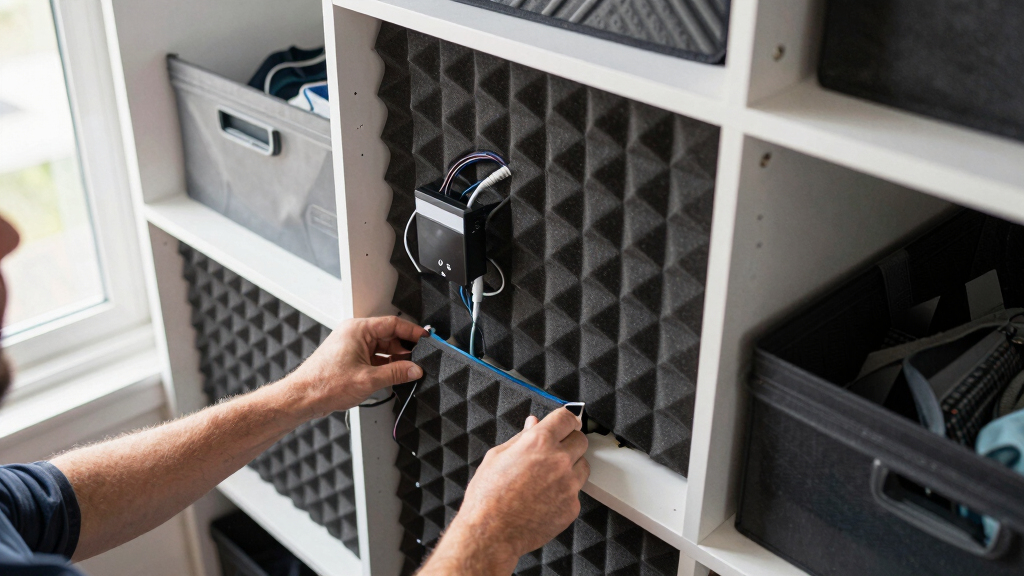

📊 Full opportunity report: Acoustic Dampening, Placement, and the “Rig in the Closet” Setup on ThorstenMeyerAI.com — validation score, market gap, and execution plan.
TL;DR
Moving your high-power rig into a closet or separate room significantly reduces noise and reflections. Proper placement of sound treatment, sealing gaps, and managing heat are key to creating a quiet, effective workspace. This guide covers practical tips and best practices.
Moving a high-powered computer rig into a closet or separate room is the most effective way to reduce noise and unwanted reflections, according to industry experts. For detailed guidance, see Acoustic Dampening, Placement, and the “Rig in the Closet” Setup. Proper placement, sealing gaps, and using acoustic materials can turn a closet into a professional-quality workspace, improving sound clarity and minimizing disturbance.
Research and expert guidance confirm that relocating a rig into a closet or dedicated room drastically cuts noise levels and reflections, often more than adding foam or absorption panels alone. Strategic placement of sound treatment—such as behind the mic, on side walls, and ceiling—targets reflection points that cause echo and harshness. Sealing gaps around doors and walls enhances sound isolation, preventing noise leakage. Proper ventilation and heat management are critical; using exhaust fans, vents, and ducted airflow helps keep temperatures safe without compromising soundproofing. DIY materials like blankets, rugs, and foam are effective when placed strategically, especially in small spaces where sound tends to bounce and build up. Experts emphasize that dampening reduces echo and improves clarity, but it is not the same as soundproofing, which involves sealing and barriers to block sound from escaping.
Acoustic dampening
& the rig in the closet.
The most powerful noise fix isn’t a material — it’s a floor plan. A rig you can’t hear because it’s in another room beats any amount of foam. Tap the approaches in Part 1 to see what actually works.
(another room)
(levers 1–4)
(door / barrier)
(acoustic foam)
Contain the noise, not the heat
Why Proper Acoustic Treatment and Placement Matter
Effective dampening and placement techniques are essential for anyone using a high-powered rig in a small space, whether for audio recording, AI development, or gaming. Learn more about acoustic dampening and placement. Proper setup ensures a quieter environment, better sound quality, and reduces the risk of overheating. This knowledge helps users avoid common pitfalls like echo, heat buildup, and noise leakage, enabling a more professional and comfortable workspace.

Focusound 52 Pack Acoustic Foam Panels 1" x 12" x 12" Sound Proof Foam Panles Soundproofing Noise Cancelling Wedge Panels for Home Office Recoding Studio with 300PCS Double-Side Adhesive
- Soundproofing Design: Triangular grooves for noise absorption
- Includes Adhesive Tape: 300pcs double-sided adhesive for easy installation
- Easy Shape Recovery: Soak in water to restore shape
As an affiliate, we earn on qualifying purchases.
As an affiliate, we earn on qualifying purchases.
Background on Closet-Based Rig Setups
Many users have turned to closets or small rooms to house noisy, high-performance equipment, aiming to contain sound and reduce disturbance. For best practices, see the original analysis on acoustic treatment in small spaces. While moving equipment into enclosed spaces is effective for noise reduction, it introduces challenges related to heat dissipation and sound reflection. Industry advice has increasingly focused on combining physical relocation with strategic acoustic treatment and ventilation solutions. Prior to these recommendations, some users relied solely on foam panels, often resulting in muffled or echoey sound. Recent guidance clarifies that a balanced approach—incorporating placement, sealing, and materials—is most effective for small, enclosed spaces.
"Relocating your rig into a closet or separate room is the most effective way to drastically cut noise and reflections, but it must be paired with proper placement and sealing to be truly effective."
— Thorsten Meyer, acoustic expert
acoustic treatment for computer rigs
As an affiliate, we earn on qualifying purchases.
As an affiliate, we earn on qualifying purchases.
Unanswered Questions on Long-Term Heat Management
While ventilation strategies are recommended, the optimal configuration for maintaining consistent temperatures in a closet setup over extended periods remains under discussion. The effectiveness of DIY solutions versus specialized enclosures varies based on hardware load and room size. More empirical data is needed to establish standardized cooling practices for different setups.
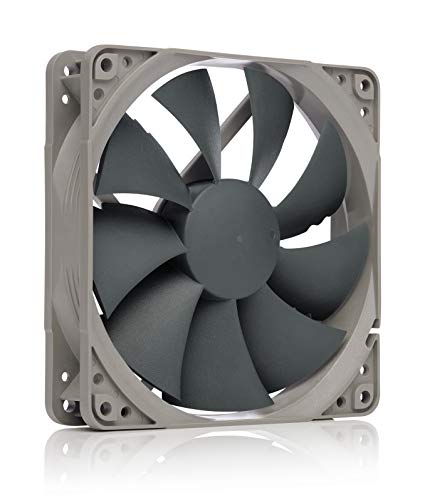
Noctua NF-P12 redux-1700 PWM, High Performance Cooling Fan, 4-Pin, 1700 RPM (120mm, Grey)
- Size: 120x120x25 mm
- Voltage: 12V
- Connector: 4-pin PWM
As an affiliate, we earn on qualifying purchases.
As an affiliate, we earn on qualifying purchases.
Next Steps in Closet Rig Optimization
Future developments may include testing and validation of specialized soundproof cabinets with integrated cooling systems. Users are encouraged to experiment with different ventilation configurations and materials, and to monitor temperatures closely during extended use. Industry experts plan to publish more comprehensive guidelines based on ongoing research and user experiences.

HomeProtect Door Draft Stopper 36 Inch Under Door Draft Blocker Door Sweep for Bottom of Door Reduce Cold Air, Soundproof, Light, Odor, Weather Stripping Door Seal Strip Fit for Interior/Exterior
- Cost-effective Draft Prevention: Affordable single-side door draft stopper
- Easy Installation: Simple to measure, cut, and stick
- Fits Doors Up to 36 Inches: Suitable for large gaps below 1.5 inches
As an affiliate, we earn on qualifying purchases.
As an affiliate, we earn on qualifying purchases.
Key Questions
Can I completely soundproof my closet rig?
Complete soundproofing is difficult in small spaces without significant construction, but sealing gaps and adding dense barriers can greatly reduce noise leakage. For full soundproofing, consider specialized enclosures with integrated insulation and ventilation.
What materials are best for acoustic dampening in a closet?
Thick foam panels, moving blankets, rugs, and quilts are effective for absorbing reflections. Bass traps in corners help control low-frequency buildup. Use a combination tailored to your specific space and needs.
How do I prevent overheating when placing a high-performance rig in a closet?
Install exhaust fans, passive vents, and ducted airflow to ensure proper ventilation. Using a liquid cooler with ducting can help move heat out efficiently while maintaining noise reduction.
How much acoustic treatment do I need for a small closet?
About 20-30% wall coverage with absorption panels, focusing on reflection points and corners, is generally sufficient for reducing echo and improving sound quality.
Is sealing gaps enough for noise reduction?
Sealing gaps improves sound isolation but must be combined with dampening materials to effectively reduce reflections and echo inside the space.
Source: ThorstenMeyerAI.com