📊 Full opportunity report: The Memory Squeeze: Why Your RAM Bill Doubled on ThorstenMeyerAI.com — validation score, market gap, and execution plan.
TL;DR
RAM prices have doubled or more in 2026, with consumer modules now costing several times more than last year. This spike is driven by a strategic shift in chip manufacturing toward AI hardware, reducing supply for consumer memory. The shortage is unlikely to resolve soon due to industry choices and capacity constraints.
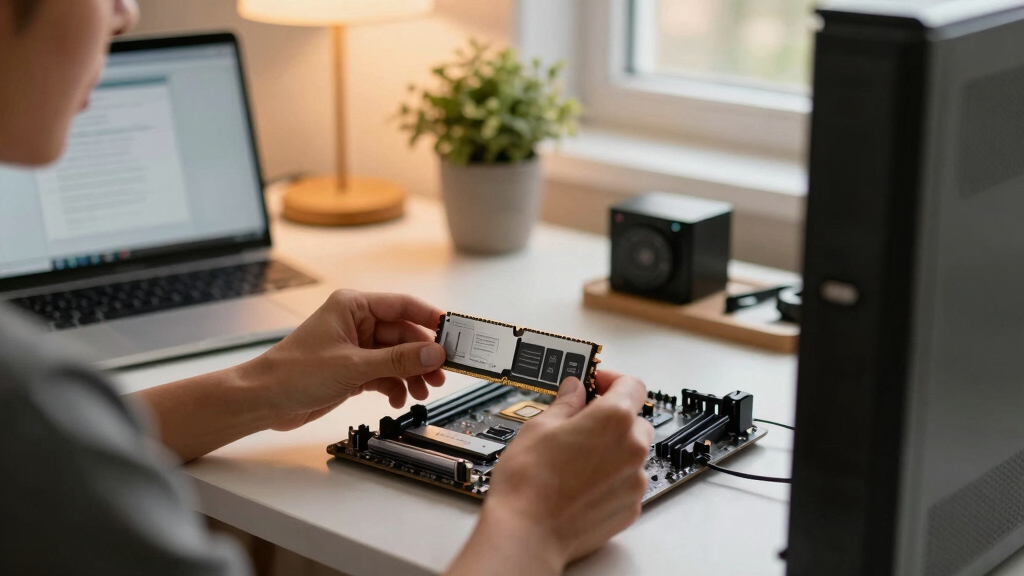
DRAM prices have surged by up to 600% in 2026, with the cheapest 32GB DDR5 kits now costing around $375, compared to $80-$120 a year earlier. This dramatic increase has made RAM the most expensive component in many PC builds, impacting consumers and manufacturers alike. For more on industry shifts, see Apple Wants Blacklisted Chinese RAM. The primary driver is a shift in manufacturing focus from consumer memory to high-margin AI hardware, a change confirmed by industry sources.
Major DRAM producers—Samsung, SK Hynix, and Micron—are reallocating their wafer capacity from standard consumer RAM to high-profitability High Bandwidth Memory (HBM) used in AI accelerators. This shift is driven by the significantly higher revenue per module, with HBM modules selling for $60-$100 compared to $5-$10 for DDR5. Because HBM is wafer-inefficient, this reallocation reduces the overall supply of consumer DRAM, causing prices to skyrocket. In the first quarter of 2026, DRAM prices increased roughly 90%, and the overall wafer output dedicated to consumer modules has decreased, with AI demand absorbing about 20% of all DRAM capacity.
Industry insiders note that this is not a typical supply shortage that can be fixed by building more fabs; new capacity is years away, and current manufacturers are intentionally managing scarcity to maximize margins. Large buyers, including hyperscalers, are placing open-ended orders, further limiting supply for the broader market. This is part of a broader trend discussed in industry supply chain strategies. As a result, prices for consumer RAM have doubled or more, and shortages are leading to higher costs for PC builders and delays in product availability.
Why your RAM bill doubled
“Doubled” is the polite version — consumer DRAM is running 3–6× its 2024 lows. The boom-bust cycle that always brought cheap RAM back isn’t coming this time, because the factories that make your RAM now make something far more profitable instead.
HBM
This is the quiet tax on the whole AI era. Relief isn’t forecast before 2028, and even then prices may settle 30–50% above pre-crisis levels. Buy what you genuinely need now; don’t panic-buy capacity you won’t use. You can’t out-wait the fab math — but, as this series will show, you can shrink what you need. Next: HBM Ate the Fab.
Impacts of AI-Driven Memory Reallocation
This shift in manufacturing focus has broad implications: it is driving up component costs for consumers and small builders, reshaping the PC market, and signaling a fundamental change in the memory industry’s economics. The scarcity is unlikely to ease soon, which could lead to sustained higher prices and supply constraints, affecting product availability and innovation cycles in consumer electronics.

Crucial 32GB DDR5 RAM Kit (2x16GB), 5600MHz (or 5200MHz or 4800MHz) Laptop Memory 262-Pin SODIMM, Compatible with Intel Core and AMD Ryzen 7000, Black – CT2K16G56C46S5
- Memory Capacity: 32GB DDR5 RAM kit (2x16GB)
- Memory Speed: 5600MHz, 5200MHz, or 4800MHz options
- Performance Boost: Enhances multitasking and responsiveness
As an affiliate, we earn on qualifying purchases.
As an affiliate, we earn on qualifying purchases.
2026 Memory Market Shift and Industry Dynamics
Over the past year, DRAM prices have doubled or more, driven by a deliberate industry decision to prioritize high-margin AI memory modules over traditional consumer RAM. Major manufacturers—Samsung, SK Hynix, and Micron—control approximately 95% of the DRAM market. They have shifted wafer capacity toward HBM, which is less wafer-efficient but far more profitable. This reallocation is a response to booming AI hardware demand, with AI expected to absorb about 20% of all DRAM capacity in 2026. Historically, memory shortages eased when new capacity flooded the market, but this time, capacity expansion is slow, and manufacturers are managing scarcity to preserve margins, not to resolve shortages.
“The consumer memory market didn’t just get pricier — it lost a first-party supplier outright as Micron retired its Crucial brand.”
— Micron representative

The Horizon Autherium Dragon RGB I9 RTX Gaming PC || 64GB RAM || 5TB Storage || Core I9 Upto 5.4Ghz || RTX 5070 OC || Windows 11 PRO || 360MM AIO || 2.4GB/s WiFi, VR, Gaming Ready Desktop Computer
- High-Performance CPU: Unlocked Core i9 up to 5.4GHz
- Ample RAM: 64GB DDR4 for multitasking
- Massive Storage: 5TB total with SSD and HDD
As an affiliate, we earn on qualifying purchases.
As an affiliate, we earn on qualifying purchases.
Uncertainties About Market and Future Supply
It remains unclear whether the current supply constraints are solely due to strategic reallocation or if there is any underlying collusion. While no recent antitrust actions have been reported, the market concentration and past collusion cases suggest that some level of coordination might influence pricing. Additionally, the timeline for new capacity to come online (2027–2028) means shortages could persist longer than industry forecasts currently predict. The full impact of AI demand on overall DRAM supply and pricing stability remains uncertain.

HP Envy Desktop PC 2TB SSD 64GB RAM Win 11 Pro (Intel Core 14th Generation i9-14900K Processor – 3.20GHz Turbo Boost to 6.00GHz, NVIDIA GeForce RTX 3050 8GB GDDR6) Business Computer
- Processor: Intel Core i9-14900K, 3.20GHz Turbo to 6.00GHz
- Memory: 64GB RAM for high performance
- Storage: 2TB SSD for fast storage
As an affiliate, we earn on qualifying purchases.
As an affiliate, we earn on qualifying purchases.
Future Developments in Memory Supply and Pricing
Manufacturers are expected to continue managing capacity carefully through 2026 and into 2027, with new fabs expected to begin production around 2027–2028. Buyers should anticipate ongoing high prices, potential shortages, and further product delays. Industry analysts suggest that the next significant change may occur when new capacity begins to flood the market, potentially stabilizing prices. However, until then, consumers and OEMs will likely face sustained costs increases and supply constraints.

Samsung 16GB DDR5 5600MHz PC5-44800 CL46 UDIMM 1Rx8 Single Rank 1.1V Non-ECC DIMM 288-Pin Desktop PC RAM Memory M323R2GA3DB0-CWM
- Brand and Model: Samsung DDR5 16GB RAM
- Memory Size: 16GB per module
- Memory Type: DDR5 UDIMM
As an affiliate, we earn on qualifying purchases.
As an affiliate, we earn on qualifying purchases.
Key Questions
Why have RAM prices increased so dramatically in 2026?
Prices have surged because manufacturers are reallocating wafer capacity from consumer RAM to high-margin AI memory modules, driven by booming AI hardware demand and industry decisions to prioritize profitability over supply expansion.
Will RAM prices go back down soon?
Likely not in the immediate future. New capacity won’t be available until 2027–2028, and current industry practices aim to manage scarcity to maintain high margins, making a quick price correction unlikely.
How does this affect consumers and PC builders?
Higher RAM prices increase overall PC build costs, delay component availability, and may lead to shortages or the need to buy counterfeit modules, impacting the affordability and supply of consumer electronics.
Is there any collusion involved in this price hike?
While no recent antitrust actions have been filed, the market is highly concentrated, and past collusion cases involved the same companies. However, current price increases are attributed to supply reallocation driven by AI demand, not confirmed collusion.
Source: ThorstenMeyerAI.com