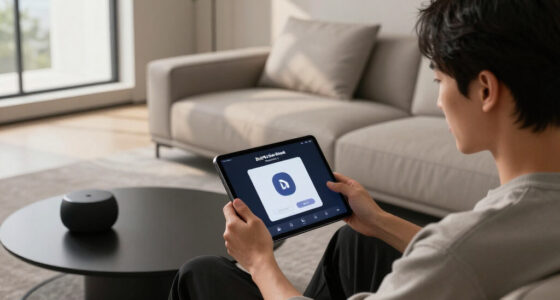
🔍 Read the full analysis: Sharpest Ultrawide Monitors For AI In 2026 on ThorstenMeyerAI.com

Get the latest gadgets delivered free with Prime
- Fast, free delivery on millions of items
- Prime Video, Amazon Music and more included
- Member-only deals all year
TL;DR
In 2026, the market for ultrawide monitors tailored for AI workloads has expanded, with new models offering unprecedented resolution and features. This report highlights the top options, their capabilities, and what makes them suitable for AI professionals.
Multiple companies have introduced new ultrawide monitors in 2026 specifically optimized for artificial intelligence and high-performance computing tasks. These models feature extremely high resolutions, advanced connectivity options, and specialized ergonomic features, making them essential tools for AI researchers and developers. The developments mark a significant step forward in display technology tailored for demanding computational workloads. For more on how display tech supports AI, see the importance of room pressure monitoring.
Leading manufacturers such as Samsung, LG, and ASUS have unveiled ultrawide monitors with resolutions exceeding 8K, designed to handle the massive data processing and visualization needs of AI applications. Notably, Samsung’s new 49-inch UltraVision series boasts a resolution of 7680×2160, combined with high refresh rates and extensive connectivity options including USB-C, HDMI 2.1, and DisplayPort 2.0. These monitors incorporate features like high dynamic range (HDR), wide color gamuts, and VESA compatibility, enabling AI professionals to visualize complex models, large datasets, and real-time simulations with clarity.
Industry experts emphasize that these monitors are engineered to support multi-tasking and detailed data analysis, which are critical in AI research. The models also incorporate ergonomic adjustments—height, tilt, and swivel—to accommodate long hours of intensive work. While high-end models come at premium prices, manufacturers are also offering more affordable options that retain core performance features, aiming to democratize access to advanced visualization tools for AI development.
The 10 picks
- 1
 Samsung 49" Business Curved Ultrawide Dual QHD Computer Monitor, USB-C, Displ…View on Amazon →
- 2
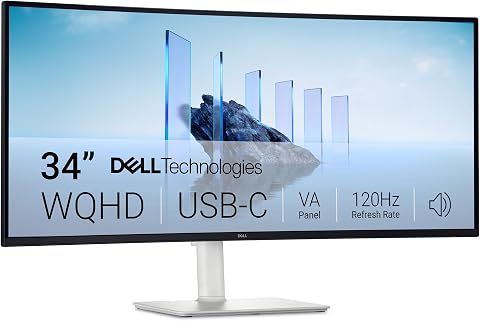 Dell 34 Monitor S3425DW, WQHD VA, 120Hz, FreeSync Premium, Eye ComfortView on Amazon →
- 3
 LG 34WR55QK-B 34-inch UltraWide WQHD Curved Computer MonitorView on Amazon →
- 4
 Samsung 34′ Odyssey G5 Ultra-Wide Gaming Monitor with 1000R Curved ScreenView on Amazon →
- 5
 SAMSUNG 34" ViewFinity S50GC Series Ultra-WQHD Monitor, 100Hz, HDR10, AMD Fre…View on Amazon →
- 6
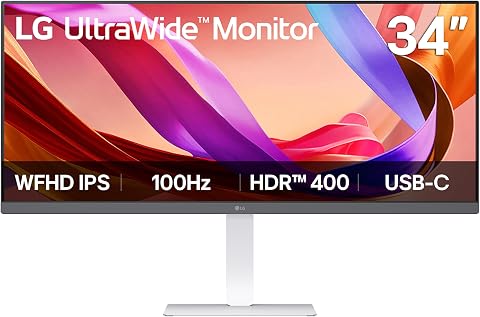 LG 34U530A-W 34-inch UltraWide WFHD IPS Computer MonitorView on Amazon →
- 7
 SANSUI 34-Inch Curved Ultrawide Gaming Monitor UWQHD 3440 x 1440P 200HzView on Amazon →
- 8
 LG 34U60ZB-B 34-inch UltraWide WQHD Curved MonitorView on Amazon →
- 9
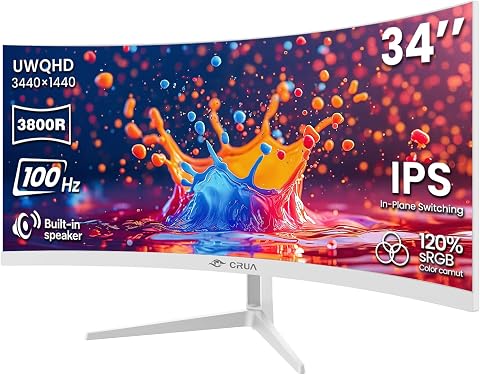 CRUA 34 Inch 21:9 UWQHD Ultrawide Curved Monitor with Speakers, WhiteView on Amazon →
- 10
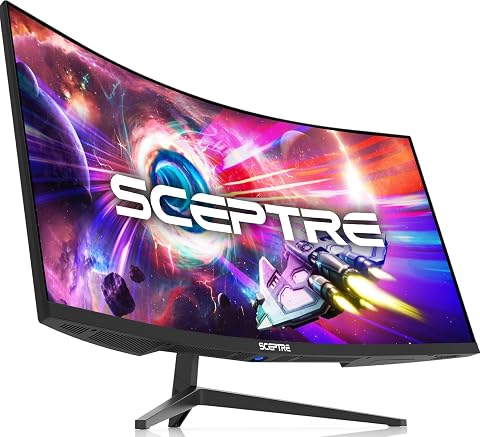 Sceptre 34-Inch Curved Ultrawide WQHD Monitor (3440 × 1440), R1500, up to 180…View on Amazon →
Why Cutting-Edge Ultrawide Monitors Matter for AI
The emergence of these ultra-high-resolution ultrawide monitors in 2026 provides tools that can support detailed data visualization, facilitate faster processing of complex models, and improve multitasking capabilities. These features may assist researchers and developers in conducting more comprehensive analyses and visualizations. For organizations investing in AI infrastructure, these monitors could contribute to enhanced productivity and potentially reduce fatigue during long work sessions. As AI workloads become more complex, having access to advanced display technology may support more efficient workflows.
Popular right now

Vitamix 5200 Professional-Grade Blender, 64 oz. Container, Black

Ninja Foodi DZ201 8-Quart DualZone 6-in-1 Air Fryer

Dyson Cyclone V10 Origin Cordless Vacuum
As an affiliate, we earn on qualifying purchases.
Evolution of Ultrawide Monitors for AI in 2026
Over recent years, ultrawide monitors have expanded their applications beyond gaming and general productivity, increasingly serving as tools for AI and data science. Starting with resolutions around 3440×1440, the technology has advanced to models offering 8K and higher resolutions in 2026. These developments align with the trend of integrating high-performance hardware with optimized display solutions to meet the needs of AI researchers, who require expansive, detailed visualizations for large datasets and neural network models.
Prior to 2026, most high-resolution ultrawide monitors were primarily targeted at gamers and creative professionals. Now, with AI’s growth, manufacturers are designing their offerings to support high dynamic range, wide color coverage, and multiple input protocols for connecting to powerful GPUs and data servers. The push toward higher resolutions and ergonomic features reflects an understanding of the importance of visual clarity in AI development and deployment.
“The new ultrawide monitors launched in 2026 are important tools for AI professionals, providing resolutions that support detailed data visualization and real-time processing.”
— Thorsten Meyer, AI Display Expert
Unresolved Questions About 2026 Ultrawide AI Monitors
While several models have been announced, questions remain regarding their performance under real-world AI workloads, particularly concerning durability and hardware compatibility. The long-term reliability of these new display technologies and their impact on productivity are still under evaluation. Additionally, the rate of adoption across different sectors—such as academia, industry, and startups—may vary due to factors like budget constraints and hardware compatibility issues.
Further testing and user feedback are necessary to determine whether these high-resolution displays can sustain heavy AI processing over extended periods without performance issues or visual fatigue.
Upcoming Developments and Market Adoption in 2026
Manufacturers are expected to introduce additional models throughout 2026, with incremental improvements in resolution, refresh rates, and ergonomic features. Industry analysts anticipate that AI-focused ultrawide monitors will become more common in high-end research labs and enterprise environments within the next year, driven by increasing demand for detailed visualization tools. Additionally, software updates and hardware integration are expected to improve compatibility and performance, potentially making these monitors accessible to a wider range of AI practitioners.
Researchers and organizations should monitor upcoming product launches, reviews, and compatibility reports to identify the most suitable options for their AI workflows. The next few months are likely to see broader adoption of these advanced displays as their benefits are validated through practical use cases.
Key Questions
Are ultrawide monitors necessary for AI development in 2026?
While not essential, ultrawide monitors with high resolution can enhance visualization of complex data and neural networks, potentially improving efficiency and accuracy in AI development for many users.
What specifications should I look for in an AI-optimized ultrawide monitor?
Look for high resolution (8K or higher), wide color gamut, HDR support, multiple connectivity options (USB-C, HDMI 2.1, DisplayPort 2.0), ergonomic features, and high refresh rates if real-time visualization or gaming is involved.
Will these monitors be compatible with existing AI hardware setups?
Most new models include standard input protocols like HDMI 2.1 and DisplayPort 2.0, which generally support broad hardware compatibility. However, users should verify specific hardware requirements and GPU capabilities before purchasing.
How much do these high-end ultrawide monitors cost in 2026?
Prices vary depending on features, with premium models reaching several thousand dollars. More affordable options are also available in the mid-range, offering a balance of performance and cost suitable for many AI professionals.
Source: ThorstenMeyerAI.com