📊 Full opportunity report: When Every Call Could Become A Booked Trade Job on IdeaNavigator AI — validation score, market gap, and execution plan.

Get the latest gadgets delivered free with Prime
- Fast, free delivery on millions of items
- Prime Video, Amazon Music and more included
- Member-only deals all year
TL;DR
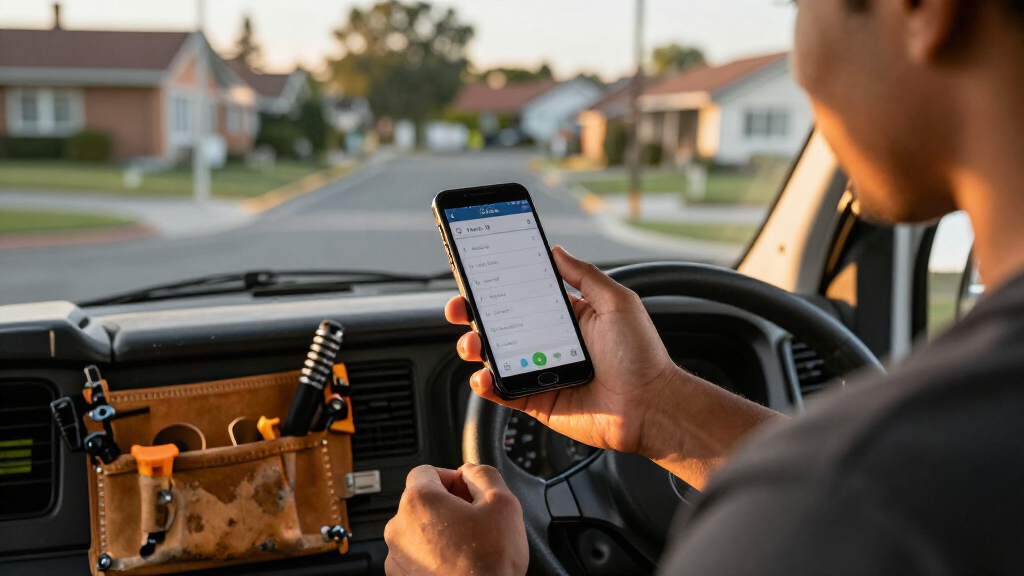
IdeaNavigator AI proposes testing an AI phone-answering service for plumbing, HVAC and electrical businesses that miss calls while owners are on jobs. The suggested trial would cover after-hours calls at five shops for a month and measure bookings the businesses would otherwise have missed; no trial results or performance data are provided.
IdeaNavigator AI has proposed testing an AI phone-answering service that could qualify and book jobs for plumbing, heating and cooling, and electrical businesses when owners cannot answer calls while working. The proposal recommends forwarding after-hours calls for five shops over one month and counting jobs the owners say they would otherwise have missed; no test results are reported.
The proposed service would answer calls with a natural-sounding voice, ask for details about the problem, service address and urgency, then book appointments into the business’s calendar or platforms such as ServiceTitan or Jobber. It would also text the owner a call summary and transfer emergencies to a person in real time, according to IdeaNavigator AI’s outline.
The idea is aimed at owner-operators in plumbing, HVAC and electrical work who may be unable to pick up while on a job. The outline argues that a caller who does not reach one contractor may contact another. It does not quantify how often businesses miss calls, how many calls become paid jobs, or how much revenue a typical shop loses.
The suggested business model combines a flat monthly fee per phone line with a charge for each booked job. To test demand and value, the proposal says to compare the bookings generated during a month of after-hours call forwarding with each shop’s average job ticket. It does not specify prices, the criteria for counting a booking, or how cancellations and duplicate inquiries would be handled.
When Every Call Could Become A Booked Trade Job
IdeaNavigator AI proposes an AI phone service for plumbing, HVAC and electrical businesses. A small trial would test whether it books work that would otherwise be missed.
How the service would work
The proposal focuses on after-hours calls when owners are busy on jobs.
Ask about the problem, service address and urgency.
Schedule appointments in a calendar or platforms such as ServiceTitan or Jobber.
Text a call summary and transfer emergencies to a person in real time.
What the trial would measure
The suggested test counts bookings owners believe they would otherwise have missed.
Calls answered
Track after-hours inquiries handled by the service.
Suitable jobs scheduled
Count appointments that owners say would otherwise have been lost.
Work completed
Check whether bookings lead to completed jobs; the proposal does not report this measure.
Business case still open
Bookings alone do not show whether the service earns its cost.
- Keep inquiries from going unanswered.
- Compare potential booking value with each shop’s average job ticket.
- Monthly line fee and charge per booked job.
- Booking criteria, cancellations and duplicate inquiries.
Testing Whether Calls Become Jobs
For a small trade business, a phone call can be the first step toward a paid appointment. If an owner is on a roof or under a sink, answering every inquiry personally may not be practical. A system that can collect accurate details, schedule routine work and alert the owner to urgent problems could help keep those inquiries from going unanswered.
But the commercial case depends on more than answering calls. The service would need to book work that the shop would otherwise lose, avoid filling the calendar with unsuitable or duplicate appointments, and handle urgent calls safely. Bookings, completed jobs and resulting revenue are different measures; the proposed test focuses on jobs booked and does not set out how to verify whether they are completed or profitable.
The proposal’s pricing structure also links the service’s cost to its use and, potentially, its results. Without stated rates or trial data, however, owners cannot yet compare the suggested model with the cost of an answering service or determine whether the fee would be worthwhile for their call volume.
Popular right now

Vitamix 62827 Vita-Prep Blender, Black, 32 oz

Roborock Qrevo S Pro Robot Vacuum and Mop with Multifunctional Dock

Dyson V12 Detect Slim Absolute Cordless Stick Vacuum
As an affiliate, we earn on qualifying purchases.
A Narrow Trial for Trade Calls
IdeaNavigator AI frames the concept as a narrow first workflow, rather than a general-purpose voice assistant: answering inbound calls, collecting a few defined details, booking routine work and escalating emergencies. That limited scope is meant to address a specific operational problem for businesses whose staff may be occupied at customer sites.
The outline says voice AI crossed a reliability threshold for structured intake calls in 2025–2026, and argues that round-the-clock automated answering could cost less than a human answering service. Those statements are part of the proposal; it supplies no independent reliability study, cost comparison, benchmark or named service provider to substantiate them.
The proposed validation plan is correspondingly small: forward after-hours calls for five shops for one month and count bookings that owners believe would otherwise have been missed. The outline identifies calendar systems and trade-service platforms as possible booking destinations, but does not report integrations already built or businesses participating in a test.
Performance and Costs Remain Unreported
No operating results are provided. It is unclear whether a service matching the proposal has been built, which businesses might test it, or whether the suggested five-shop trial has a start date. There are no figures for call volumes, booking rates, completed work, customer satisfaction or emergency escalations.
The reliability and cost claims also lack supporting measurements in the outline. It gives no comparison between an AI service and human answering, and does not explain how the system would recognize emergencies, manage calls it cannot understand, protect callers’ personal information or respond when the calendar integration fails. Those questions would affect both the service’s value and the risks of relying on it.
Pricing, contract terms and the definition of a successful booking are also unspecified. A trial would need a consistent way to identify calls that would otherwise have been lost and to separate new work from appointments that customers later cancel or fail to complete.
A Five-Shop Trial Would Test Demand
The next step described by IdeaNavigator AI is a one-month after-hours trial across five shops. The proposal calls for counting the jobs booked that owners believe they would have missed and comparing the potential value with each business’s average ticket. No launch, participants or follow-up date are announced.
If such a test proceeds, the results would need to clarify call handling as well as bookings: how many calls the system answers, how often it schedules suitable work, how it escalates urgent issues and whether appointments lead to completed jobs. Until results and prices are available, the concept remains a proposed workflow and validation plan, not evidence that AI answering produces a particular return for trade businesses.
Source: IdeaNavigator AI
Key Questions
What is the proposed AI service?
It would answer calls for plumbing, HVAC and electrical businesses, collect the caller’s issue, address and urgency, schedule work, text the owner a summary and transfer emergencies to a person.
Has the service been tested?
The proposal recommends a trial involving after-hours calls at five shops for one month, but it does not report that the trial has started or provide any results.
How would the service make money?
The suggested model is a flat monthly charge for each phone line plus a fee for each booked job. No prices or payment terms are given.
What would a trial need to measure?
It would need to track calls answered, suitable appointments booked, emergency escalations and whether booked jobs are completed. The proposal specifically recommends counting bookings owners say they would otherwise have missed and comparing their value with the shop’s average ticket.
Source: IdeaNavigator AI