

As a nanoscientist, you must follow global ethical codes that prioritize safety, transparency, and international cooperation. These guidelines help you conduct responsible research, minimize risks, and guarantee societal benefits. Upholding honesty, sharing data openly, and engaging with regulators are essential. Emphasizing responsible innovation protects the environment and public health. If you want to learn how these principles shape responsible nanotechnology practices worldwide, there’s more valuable information ahead.
Key Takeaways
- Establish international standards emphasizing safety, transparency, and societal responsibility in nanoscience research.
- Promote global collaboration to share best practices, data, and resources for responsible nanotechnology development.
- Uphold ethical principles such as honesty, accountability, and respect for societal values across all research activities.
- Implement rigorous risk assessments and safety protocols to minimize environmental and health impacts.
- Engage with regulatory bodies and international forums to develop unified guidelines and foster responsible innovation.

Have you ever wondered how nanoscientists guarantee their groundbreaking research benefits society responsibly? The answer lies in the development and adherence to strong ethical codes that prioritize safety, transparency, and global cooperation. Nanotechnology safety is a critical focus for researchers who want to prevent unintended harm, whether to the environment, public health, or future generations. By following established safety protocols, scientists minimize risks associated with working at the nanoscale, where materials can behave unpredictably. These protocols involve rigorous testing, risk assessment, and responsible handling of nanomaterials. But safety isn’t just a matter of individual effort; it’s also about fostering international research collaboration. When scientists across the globe work together, they share best practices, resources, and data, which accelerates the development of safe nanotechnologies. International research collaboration helps create a unified approach to addressing safety concerns, ensuring that advancements aren’t made in isolation but within a framework that emphasizes responsibility and collective oversight. Additionally, establishing universal standards for nanomaterials safety helps streamline regulatory processes and build public trust in nanotechnology innovations.
You play an essential role in this global effort by adhering to ethical standards that transcend borders. As a nanoscientist, you’re expected to uphold principles that promote honesty, accountability, and respect for societal values. This means openly sharing research findings, being transparent about potential risks, and engaging with regulatory bodies to develop guidelines that protect everyone. When you collaborate internationally, you benefit from diverse perspectives that can identify safety issues you might overlook alone. This cooperation also helps establish common principles, so nanotechnology safety becomes a shared priority worldwide. In doing so, you contribute to building trust among the public, policymakers, and fellow scientists, which is crucial for sustainable progress.
Moreover, embracing global ethical codes encourages responsible innovation. You’re encouraged to take into account not only what your research can achieve but also how it impacts society at large. This mindset ensures that nanotechnology development aligns with social values and addresses ethical dilemmas proactively. By participating in international forums and adhering to globally recognized standards, you reinforce a culture of integrity, safety, and mutual respect. Ultimately, your commitment to these principles helps guarantee that nanotechnology benefits humanity without compromising safety or ethics. The collective effort of scientists worldwide, guided by shared ethical codes, makes responsible nanoscience possible. It’s about more than individual discoveries; it’s about shaping a future where technological progress and societal well-being go hand in hand.
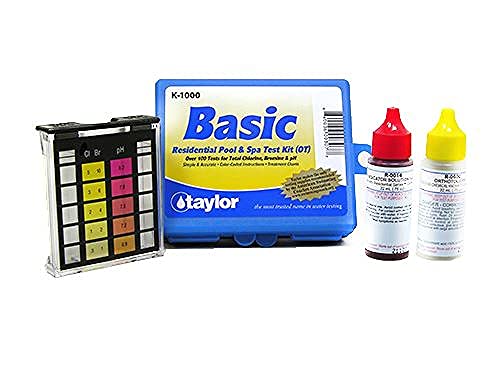
Taylor K-1000 Safety Test Kit
Basic Oto Test Chlorine Bromine Ph Residential Test Kit – Case of 12
As an affiliate, we earn on qualifying purchases.
As an affiliate, we earn on qualifying purchases.
Frequently Asked Questions
How Are Ethical Codes Enforced Internationally Among Nanoscientists?
You can see that ethical codes are enforced internationally through international collaboration and shared standards, which promote responsible research. Organizations and treaties facilitate cooperation among nanoscientists from different cultures, helping bridge cultural differences. These efforts encourage accountability and transparency, ensuring scientists follow common ethical principles. While enforcement varies, continuous dialogue and global initiatives foster adherence, making sure responsible nanoscience progresses worldwide.
What Are the Consequences of Violating Ethical Standards in Nanotechnology?
If you violate ethical standards in nanotechnology, you risk facing serious consequences like research misconduct allegations, which can damage your reputation and career. Such violations also erode public trust in nanoscience, making it harder to secure funding or support. You might face legal actions, loss of licenses, or professional sanctions. Upholding ethical practices ensures your work remains credible and trusted by peers and the public alike.
How Do Ethical Codes Address Potential Environmental Impacts of Nanomaterials?
Imagine a world where nanomaterials seamlessly blend into your environment, yet the risk they pose is carefully managed. Ethical codes guide you to assess environmental risks and adopt sustainability practices, ensuring nanotechnology benefits society without harming ecosystems. These codes emphasize transparency and responsibility, prompting you to evaluate long-term impacts and minimize environmental harm. By following these standards, you actively contribute to a safer, more sustainable future with nanoscience.
Are There Specific Ethical Guidelines for Nanoscientists Working in Corporate Sectors?
Yes, nanoscientists in corporate sectors should follow specific ethical guidelines emphasizing corporate responsibility and ethical training. You’re expected to prioritize safety, transparency, and sustainability in your work. Companies often provide ethical training to help you navigate potential conflicts of interest and guarantee compliance with regulations. By adhering to these guidelines, you contribute to responsible innovation, protect public health, and maintain your company’s integrity and reputation in the industry.
How Do Ethical Codes Evolve With Rapid Advancements in Nanoscience Technology?
Think of ethical codes as a river that constantly flows and adapts to new landscapes. As nanoscience advances rapidly, you need technological adaptability to keep these codes current. Ethical paradigm shifts happen when groundbreaking discoveries challenge existing norms, prompting you to revise guidelines. Staying proactive ensures your practices remain responsible and aligned with technological progress, guiding you through the ever-changing waters of nanoscience with integrity and foresight.

Aquatic Ecotoxicology: Advancing Tools for Dealing with Emerging Risks
As an affiliate, we earn on qualifying purchases.
As an affiliate, we earn on qualifying purchases.
Conclusion
As you navigate the tiny universe of nanoscience, remember that your ethical compass is the guiding star in this vast night sky. These global codes are the lighthouse, illuminating the path through uncharted waters. By embracing responsibility, you become the gardener of a delicate but powerful garden, tending to the seeds of innovation with care and integrity. Let your actions be the compass that assures this tiny world blossoms into a force for good.
nanoscience laboratory safety equipment
As an affiliate, we earn on qualifying purchases.
As an affiliate, we earn on qualifying purchases.
international nanotechnology standards guide
As an affiliate, we earn on qualifying purchases.
As an affiliate, we earn on qualifying purchases.