

Nanotechnology plays a key role in climate change mitigation by improving renewable energy, like more efficient solar cells, and developing materials that reduce environmental impacts. It also aids in carbon capture and storage, enhances water purification, and creates lightweight, durable materials for sustainable use. While promising, challenges like environmental risks and regulation remain. To discover how these innovative strategies can make a difference, keep exploring the latest developments in nanotech for climate action.
Key Takeaways
- Nanotechnology enhances renewable energy devices, such as solar cells and batteries, increasing efficiency and supporting clean energy adoption.
- Nanomaterials improve water purification and environmental monitoring, aiding pollution control and climate resilience.
- Nanoparticles facilitate carbon capture and storage by increasing reaction rates and stabilizing long-term sequestration.
- Nanosensors enable real-time climate data collection, improving accuracy and responsiveness in environmental monitoring.
- Addressing nanotech risks and ethics is crucial for sustainable and safe climate mitigation strategies.

ECO-WORTHY 200 Watts 12 Volt/24 Volt Solar Panel Kit with High Efficiency Monocrystalline Solar Panel and 30A PWM Charge Controller for RV, Camper, Vehicle, Caravan and Other Off Grid Applications
[Wide Application]: Daily Output 800wh/day under 4 hours full sunshine condition. Perfect for RV, Caravan, Marine, Camper, Electric…
As an affiliate, we earn on qualifying purchases.
As an affiliate, we earn on qualifying purchases.
Advancements in Nanomaterials for Renewable Energy Efficiency

Recent advances in nanomaterials have considerably boosted the efficiency of renewable energy technologies. By focusing on nanomaterial fabrication, scientists create highly specialized structures that enhance energy capture and conversion. Quantum dot applications exemplify this progress; these tiny semiconductor particles improve solar cell performance by increasing light absorption and charge separation. You benefit from these innovations because quantum dots enable solar panels to operate more efficiently across a wider spectrum, even in low-light conditions. The precise control over nanomaterial fabrication allows for tailored properties, making renewable energy devices more robust and cost-effective. Moreover, the development of high-performance photovoltaic materials contributes significantly to maximizing energy output. As a result, these advancements drive the development of high-performance solar panels and energy storage systems, pushing renewable energy closer to mainstream adoption and helping reduce reliance on fossil fuels.
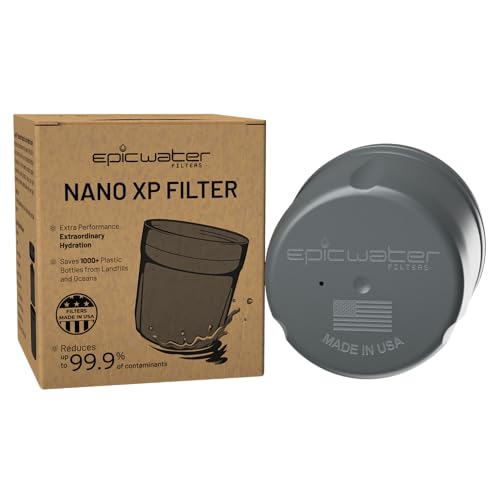
Epic Water Filters REPLACEMENT FILTER for Epic Nano XP Water Filter Pitcher or Dispenser. Nanofiltration Removes Bacteria, Virus, Cyst, Lead, Chromium 6, PFOS, PFOA, Heavy Metals, Pesticides
The Nano Filter sets a new standard for clean and safe drinking water. Say goodbye to contaminants, including…
As an affiliate, we earn on qualifying purchases.
As an affiliate, we earn on qualifying purchases.
Nanotechnologies in Carbon Capture and Storage

Advancements in nanomaterials have not only improved renewable energy technologies but also opened new possibilities for capturing and storing carbon dioxide more efficiently. Nanotechnologies enable the development of nanoparticle-based filters with enhanced stability, ensuring long-term performance in carbon capture systems. These nanoparticles facilitate carbon mineralization, transforming CO₂ into stable, solid minerals, reducing leakage risks. Their high surface area accelerates chemical reactions, making capture processes faster and more effective. Additionally, tailored nanomaterials improve the durability of storage sites, preventing nanoparticle degradation. Understanding the risk factors associated with leakage is crucial for developing reliable carbon storage solutions. Here’s a visual overview:
| Nanoparticle Stability | Carbon Mineralization | Capture Efficiency |
|---|---|---|
| Enhanced durability | Converts CO₂ to solids | Faster absorption |
| Long-lasting stability | Permanent storage | Increased capacity |
| Reduced degradation | Safe, permanent sequestration | Cost-effective |

Molekule PECO-Filter with Activated Carbon for Air Pro Purifier – Authentic Molekule High Efficiency Air Filter Replacement for Multi-Layer Purification – Helps Remove Allergens & Odors
Molecular Precision: With targeted nanotechnology, the Molekule PECO-Filter with Activated Carbon detects and destroys microscopic dust particles beyond…
As an affiliate, we earn on qualifying purchases.
As an affiliate, we earn on qualifying purchases.
Enhancing Solar Cell Performance With Nanostructures
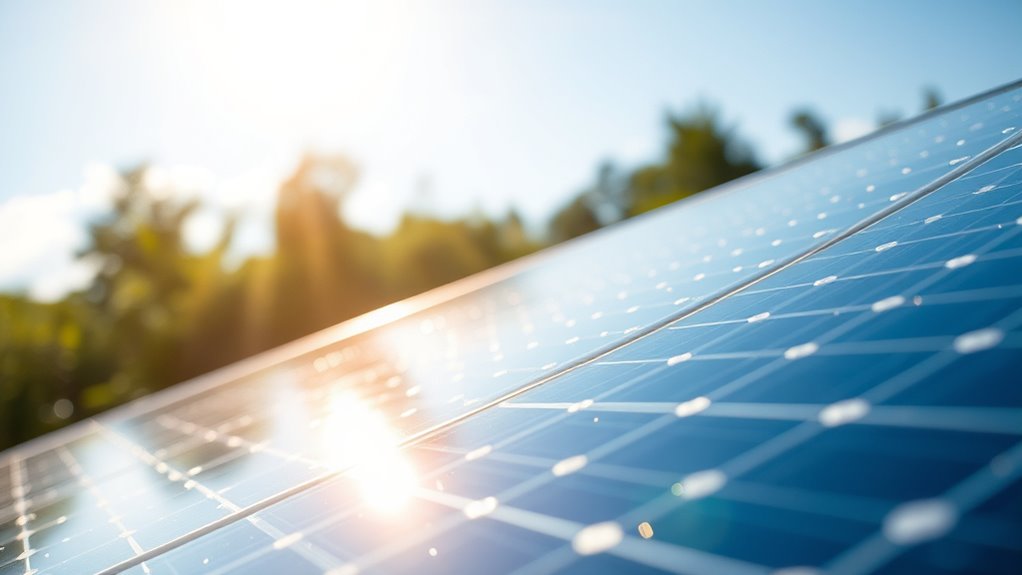
Nanostructures can considerably boost solar cell efficiency by improving light absorption. By trapping more sunlight, these tiny features increase the energy conversion rate. As a result, solar panels become more effective and sustainable in reducing carbon emissions. Incorporating field‑of‑view and imaging‑scale examples helps optimize the design and performance of nanostructured solar cells.
Nanostructure Light Absorption
Nanostructure light absorption plays a crucial role in boosting solar cell efficiency by increasing the amount of sunlight captured and converted into electricity. By leveraging quantum effects and advanced light trapping techniques, nanostructures enhance absorption across a broader spectrum. These tiny structures manipulate how light interacts with the cell, reducing reflection and encouraging multiple internal reflections. To illustrate, consider the following:
| Nanostructure Type | Effect on Light Absorption | Key Benefit |
|---|---|---|
| Quantum Dots | Exploit quantum effects for broad absorption | Increased efficiency |
| Nanowires | Light trapping via geometry | Enhanced charge collection |
| Plasmonic Nanoparticles | Localized surface plasmon resonance | Amplified light absorption |
| Thin Films | Multiple reflections and trapping | Reduced material use |
These nanostructures optimize light absorption, making solar cells more effective and sustainable.
Increased Energy Conversion
Building on how nanostructures improve light absorption, they also directly enhance the overall energy conversion efficiency of solar cells. By integrating nanomaterials with high durability, you can create solar panels that withstand environmental stress, maintaining ideal performance over time. Nanostructures help reduce energy losses during charge transfer, boosting efficiency. Additionally, they facilitate better energy storage by improving charge separation and minimizing recombination. Advanced nanomaterials also enable the development of thin, lightweight solar cells, making them more versatile for various applications. These improvements reduce the need for frequent replacements, lowering maintenance costs and increasing sustainability. Ultimately, leveraging nanotechnology in solar cells accelerates the shift toward cleaner energy sources, making significant strides in climate change mitigation efforts.

ENVIRONMENTAL APPLICATIONS OF NANOMATERIALS: SYNTHESIS, SORBENTS AND SENSORS (2ND EDITION)
As an affiliate, we earn on qualifying purchases.
As an affiliate, we earn on qualifying purchases.
Nanomaterials for Water Purification and Environmental Monitoring
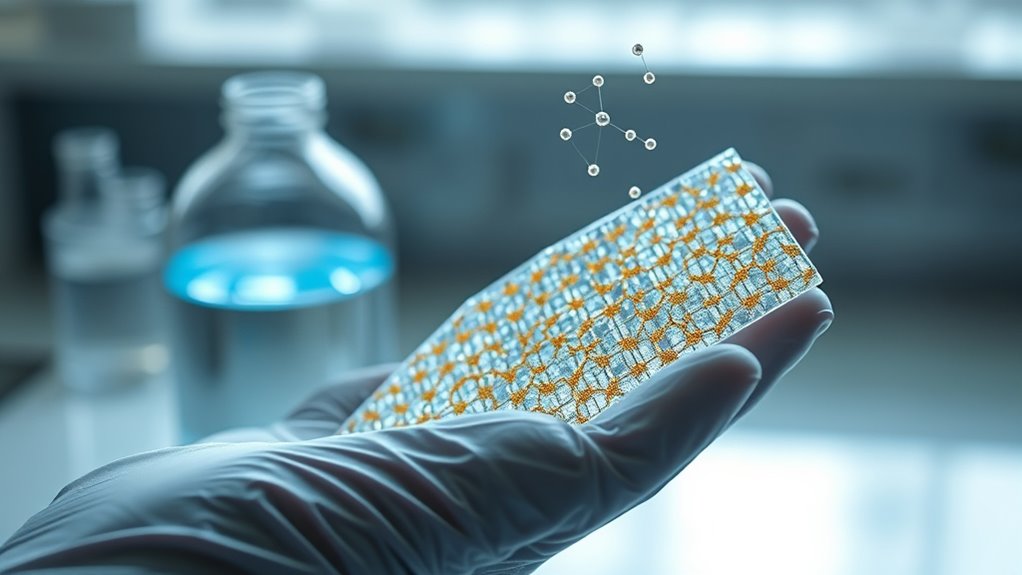
As concerns about water pollution and environmental health grow, nanomaterials have emerged as powerful tools for water purification and environmental monitoring. You can harness nanomaterial-enhanced water filtration membranes to remove contaminants more efficiently, thanks to their high surface area and unique properties. However, it’s essential to contemplate nanomaterial toxicity, as some nanomaterials may pose environmental or health risks if released into water sources. Researchers are developing safer, eco-friendly nanomaterials to minimize these dangers. These advanced membranes can target pollutants like heavy metals, organic compounds, and pathogens, ensuring cleaner water supplies. Additionally, nanotechnology enables real-time environmental monitoring, providing rapid detection of pollutants. By integrating these innovations, you can considerably improve water quality management and contribute to climate change mitigation efforts through sustainable, effective solutions. Understanding the toxicity of nanomaterials is crucial for developing safe and environmentally responsible applications of this technology.
Development of Lightweight and Durable Sustainable Materials

Advancements in nanotechnology for environmental applications have highlighted the potential for creating materials that are both lightweight and durable. You can now develop sustainable materials like biodegradable composites that reduce plastic waste and minimize environmental impact. Nanostructured lightweight alloys offer strength without added weight, enhancing transportation efficiency and energy savings. These innovations enable the design of structures with improved longevity and decreased material consumption. Below is a comparison table of key materials: Vetted
Nanotech-Enabled Sensors for Climate Data Collection

Nanotech-enabled sensors offer you highly accurate climate data, capturing subtle changes that traditional tools might overlook. With real-time monitoring, you can instantly track environmental shifts and respond quickly. These advancements ensure your climate strategies are based on precise, up-to-date information.
Enhanced Data Accuracy
Nanotechnology has revolutionized climate data collection by enabling sensors that deliver unprecedented accuracy and sensitivity. These advanced sensors improve data reliability through precise sensor calibration, reducing measurement errors. Enhanced data validation protocols ensure the collected information remains trustworthy, even in harsh environments. Nanotech-enabled sensors can detect minute fluctuations in temperature, humidity, and pollutants, providing highly detailed climate insights.
- They utilize nanoscale materials for increased stability and durability in extreme conditions
- Self-calibration features minimize manual adjustments, maintaining accuracy over time
- Data validation algorithms filter out noise and outliers, ensuring integrity
- Integration with existing systems allows seamless, real-time data verification
Together, these innovations markedly boost the precision of climate datasets, informing more effective mitigation strategies.
Real-Time Monitoring Capabilities
By integrating nanotech-enabled sensors into climate monitoring systems, you can achieve real-time data collection with unmatched speed and accuracy. Quantum sensors, leveraging quantum phenomena, provide highly sensitive measurements of temperature, humidity, and greenhouse gases, enabling precise detection of subtle environmental changes. Environmental nanodevices, due to their small size and enhanced responsiveness, facilitate continuous monitoring across diverse terrains and atmospheric conditions. These sensors can detect pollutants and climate indicators instantly, allowing you to respond swiftly to emerging issues. Their durability and low power requirements make them ideal for long-term deployment in remote or harsh environments. Overall, nanotechnology empowers your climate data collection efforts, offering a robust foundation for informed decision-making and effective mitigation strategies.
Challenges and Risks of Nanotechnology in Environmental Applications

Despite its promising potential, integrating nanotechnology into environmental applications presents significant challenges and risks that must be carefully managed. Environmental toxicity is a major concern, as nanoparticles may accumulate in ecosystems, harming wildlife and contaminating water sources. Ethical concerns also arise regarding the long-term impacts and potential misuse of nanotech. You face uncertainties about how nanoparticles behave in complex environments, making it difficult to predict their effects. Additionally, regulatory frameworks often lag behind technological advances, complicating safe deployment. To address these issues, you need to contemplate:
Nanotech in environment faces toxicity, ethical, and regulatory challenges requiring careful management.
- Potential bioaccumulation and ecological impacts
- Unknown health risks for workers and communities
- Ethical implications of environmental release
- Gaps in regulatory oversight and testing standards
- Limited understanding of toxicological effects complicates risk assessment and management.
Scaling Up Nanotech Solutions for Global Impact

Scaling up nanotech solutions requires overcoming manufacturing challenges and finding effective ways to produce at large scales. You’ll also need to optimize cost-effectiveness to guarantee these solutions are accessible worldwide. Finally, establishing clear policy and regulatory frameworks is essential to support safe and widespread implementation. Incorporating sustainable practices is also vital to ensure environmental impact is minimized during large-scale deployment, aligning with sustainable practices in nanotechnology development.
Manufacturing Challenges and Solutions
As nanotechnology moves from laboratory research to real-world applications, manufacturers face significant challenges in scaling up production processes to meet global demand. Achieving high manufacturing efficiency while maintaining material scalability is critical. You must address issues like ensuring consistent quality across large batches, managing the complexity of nanomaterial synthesis, and controlling contamination risks. To overcome these hurdles, consider the following:
- Optimizing synthesis methods for larger volumes
- Implementing advanced quality control systems
- Developing standardized protocols for consistency
- Investing in scalable, automated manufacturing equipment
These strategies help improve manufacturing efficiency and ensure that nanotech solutions can be produced reliably at a global scale, making them viable for climate change mitigation efforts.
Cost-Effectiveness Optimization Strategies
To maximize the global impact of nanotechnology in climate change mitigation, optimizing cost-effectiveness during scaling up is essential. You need to perform thorough cost analysis to identify where resources yield the highest benefits. Efficient resource allocation ensures funds are directed toward scalable, impactful solutions rather than costly, low-impact projects. Consider this table to guide your decisions:
| Aspect | Focus Area | Key Benefit |
|---|---|---|
| Cost Analysis | Lifecycle costs | Identify cost-saving opportunities |
| Resource Allocation | Strategic investment | Maximize impact per dollar |
| Scaling Strategies | Modular and adaptable designs | Reduce upfront costs |
| Efficiency Measures | Process optimization | Lower operational expenses |
This approach helps you balance costs and benefits, ensuring your nanotech solutions are both effective and sustainable at scale.
Policy and Regulatory Frameworks
Effective policy and regulatory frameworks are essential for advancing nanotechnology solutions in climate change mitigation. They ensure safe development, promote innovation, and facilitate international collaboration. You need to take into account how intellectual property rights protect proprietary nanotech innovations, encouraging investment and research. Establishing clear international standards helps harmonize safety and quality measures across borders, enabling wider adoption. Policymakers should also address potential risks through robust regulations that prevent misuse or environmental harm. Additionally, frameworks must foster transparency and stakeholder engagement to build public trust. By aligning national policies with global standards, you create an environment conducive to scaling nanotech solutions for climate impact. Ultimately, strong policies serve as a foundation for responsible innovation and the widespread deployment of nanotechnologies worldwide.
Policies and Regulations Governing Nanotechnology Use

What frameworks exist to regulate nanotechnology‘s role in climate change mitigation? You’ll find that policies focus on balancing innovation with safety, guided by ethical considerations and international governance. Many countries implement national regulations that oversee research, development, and deployment of nanotech products. International bodies, like the OECD or the WHO, provide guidelines to harmonize standards and promote responsible use across borders. These frameworks aim to address potential risks, such as environmental impacts and health concerns, while fostering innovation. You should also be aware that ethical considerations play a pivotal role in shaping policies, ensuring that nanotechnology benefits society without compromising safety or equity. Additionally, establishing regulatory frameworks that adapt to technological advancements is crucial for effective oversight. Overall, these regulations endeavor to create a controlled environment where nanotech can contribute effectively to climate change mitigation.
Future Perspectives on Nanotechnology’s Role in Climate Action

As nanotechnology continues to advance, its potential to revolutionize climate action becomes increasingly evident. Future developments could markedly improve renewable energy efficiency, enable precise environmental monitoring, and facilitate targeted pollution remediation. However, addressing nanotech ethics remains essential to ensure responsible innovation. Public engagement will play a key role in shaping societal acceptance, guiding ethical frameworks, and fostering transparency. To navigate this future, you’ll need to focus on:
- Promoting open dialogue around nanotech ethics to build trust
- Encouraging inclusive participation in policymaking processes
- Developing standards that balance innovation with safety
- Investing in education to inform the public about nanotechnology’s benefits and risks
Understanding dog names can help in selecting meaningful and culturally resonant names for pets.
Frequently Asked Questions
How Cost-Effective Are Nanotech Solutions for Climate Change Mitigation?
Nanotech solutions can be cost-effective for climate change mitigation, but their economic feasibility depends on overcoming scalability challenges. You might find that initial investments are high, but as production scales up, costs decrease, making these solutions more viable. However, you should consider that commercialization hurdles could delay widespread adoption. Overall, with continued research and development, nanotech could offer an affordable way to address climate issues effectively.
What Are Potential Environmental Impacts of Nanomaterials?
Think of nanomaterials as tiny explorers that could accidentally become environmental vandals. You should be aware that nanomaterial toxicity might harm ecosystems if these particles persist in the environment. Their environmental persistence raises concerns because they can accumulate and cause long-term damage. You need to contemplate these potential impacts, as nanomaterials could unintentionally disrupt ecosystems, impacting wildlife and water quality if not properly managed.
How Do Nanotechnologies Compare With Traditional Climate Strategies?
You’ll find that nanotechnologies like nano-enhanced solar panels and advanced carbon capture outperform traditional climate strategies by offering higher efficiency and targeted solutions. Nano-enhanced solar captures more sunlight, boosting renewable energy generation, while nanomaterials improve carbon capture methods, making them more cost-effective and scalable. These innovations enable faster, more effective mitigation efforts, complementing or even replacing some traditional methods to combat climate change more efficiently.
Are There Ethical Concerns Associated With Nanotechnology in Climate Efforts?
You might worry that nanotechnology in climate efforts raises ethical concerns, especially regarding public safety and privacy. It’s a coincidence that these tiny innovations can dramatically reduce emissions but also pose unknown risks. As you embrace these solutions, consider how they could unintentionally threaten your privacy or safety. Responsible development and transparent regulations are essential to guarantee nanotech benefits everyone without compromising ethical standards or personal security.
What Is the Timeline for Widespread Adoption of Nanotech Climate Solutions?
You can expect widespread adoption of nanotech climate solutions within the next 10 to 20 years, but it depends heavily on overcoming regulatory challenges and improving public perception. As governments establish clear regulations and address safety concerns, you’ll see more rapid integration. Public understanding and acceptance are vital, so efforts to educate and inform will influence how quickly these innovative solutions become mainstream in combating climate change.
Conclusion
As you explore nanotechnology’s potential for climate change mitigation, remember it’s not just about breakthroughs but the choices you make. Will you harness these tiny innovations responsibly or let unforeseen risks overshadow their promise? The future hinges on your actions—balancing progress with caution. The question remains: can nanotech truly transform our fight against climate change before it’s too late? The answer depends on what you choose to do next.