📊 Full opportunity report: The Case For Tracking Youth Pitcher Arm Load In Every Season on IdeaNavigator AI — validation score, market gap, and execution plan.

Get the latest gadgets delivered free with Prime
- Fast, free delivery on millions of items
- Prime Video, Amazon Music and more included
- Member-only deals all year
TL;DR
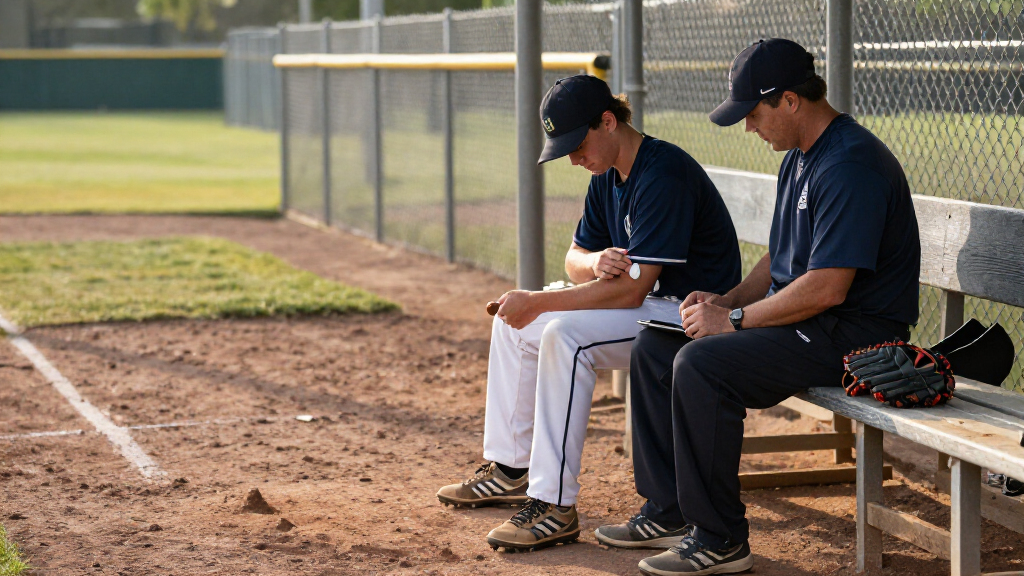
A proposal from IdeaNavigator AI argues for testing an app that tracks a youth pitcher’s workload across school, travel and showcase teams. The concept has not been validated: a proposed pilot would recruit 200 families and measure logging consistency and whether alerts change rest decisions.
IdeaNavigator AI has proposed testing an app that tracks youth pitchers’ outings across school, travel and showcase teams, aiming to address a gap when teams do not share workload records. The concept is an early-stage product proposal, not a report of a launched service or proven injury-prevention results.
In its proposal, IdeaNavigator AI says the app would let parents log outings quickly or import them from GameChanger, then combine records across a player’s teams. It would compare a rolling workload with age-based guidelines, flag thresholds, suggest rest scheduling and generate a report that parents could share with coaches.
IdeaNavigator AI identifies the initial customer as a parent of a pitcher playing across multiple seasons and teams. The proposed business model is an annual family subscription, with team licenses as a possible expansion. The proposal specifies no pricing, product launch, clinical review or existing partnership.
To test the idea, IdeaNavigator AI proposes recruiting 200 travel-ball families and following them over a season. The stated measures are whether families log outings consistently and whether app alerts affect decisions about rest. The proposal reports no pilot findings and does not say that the app has been built.
One Workload Across Multiple Teams
IdeaNavigator AI’s proposal addresses a practical record-keeping problem: a young pitcher may play for several teams whose schedules and pitch counts are not shared in one place. A parent-facing log could make a player’s outings easier to review across those commitments, while a shareable report could give coaches information they otherwise might not have.
That potential depends on more than software. Families would need to record outings accurately, and coaches would need to understand and use the information when planning a player’s workload. The proposal’s pilot focus on logging consistency and changed rest decisions reflects these adoption questions, but neither measure by itself would establish that the app prevents injuries.
The product idea also sits alongside existing youth pitching guidance. An app could make records and recommendations easier to access; the proposal does not describe a system that would enforce rest across independent teams or replace medical assessment. Its value remains a question for testing rather than an established outcome.
youth baseball pitch count tracker
As an affiliate, we earn on qualifying purchases.
As an affiliate, we earn on qualifying purchases.
Guidelines Meet Fragmented Schedules
IdeaNavigator AI describes year-round participation across school, travel and showcase baseball as the setting for the problem. When teams keep separate records, a family may have to piece together a pitcher’s recent outings across schedules. The proposal cites pitch-count and rest guidance commonly associated with Pitch Smart as relevant context, but does not specify which guideline thresholds the app would implement.
The proposal also points to concern about youth elbow injuries and surgery as a reason to examine workload tracking. However, it supplies no injury-rate data, study citations or trend figures to substantiate that claim. The idea should therefore be understood as a proposed response to a stated concern, not evidence that the app’s approach reduces injury risk.
arm load monitoring app for pitchers
As an affiliate, we earn on qualifying purchases.
As an affiliate, we earn on qualifying purchases.
Evidence Still Needs Testing
Several important questions remain open. The IdeaNavigator AI proposal does not identify the app’s developer, build status, launch date or any participating families. It also gives no technical details for a GameChanger import, no method for checking the accuracy of parent-entered data and no named medical or baseball organization reviewing its thresholds.
It is also unclear how the app would account for workload beyond logged outings, resolve conflicting records or respond when a coach does not follow a suggested rest period. The proposed one-season test could measure use and decision changes; the proposal does not set out a study designed to establish injury reduction or safety across different ages and playing conditions.
As an affiliate, we earn on qualifying purchases.
A Proposed Season-Long Pilot
According to IdeaNavigator AI’s proposal, the next stated step is to recruit 200 travel-ball families for a season-long test, then assess how consistently they record outings and whether alerts change rest decisions. The proposal provides no recruitment schedule, eligibility criteria, data-protection plan or results timeline.
Until those details and results are available, the concept remains a proposal. A useful evaluation would need to clarify how records are checked, how guidance is selected and whether coaches receive and act on reports; any claims about injury outcomes would require evidence beyond simple adoption measures.
Source: IdeaNavigator AI proposal
youth sports injury prevention app
As an affiliate, we earn on qualifying purchases.
As an affiliate, we earn on qualifying purchases.
Key Questions
Has a youth pitcher workload-tracking app launched?
IdeaNavigator AI’s proposal describes an app concept and a possible minimum viable product. It does not confirm that an app has been built or launched.
What would the proposed app track?
According to the proposal, parents would log or import a pitcher’s outings across teams. The app would combine the records, compare rolling workload with age-based guidance, flag thresholds and create a report to share with coaches.
Would the app prevent arm injuries?
That has not been established. The proposed pilot would measure logging consistency and whether alerts affect rest decisions, not demonstrate that the app reduces injuries.
How would the idea be tested?
IdeaNavigator AI’s proposal calls for recruiting 200 travel-ball families and following their use over one season. Recruitment details and a timeline for results have not been provided.
Source: IdeaNavigator AI
Fall Picks
fall essentials
As an affiliate, we earn on qualifying purchases.