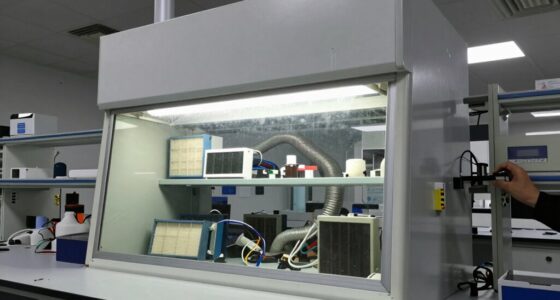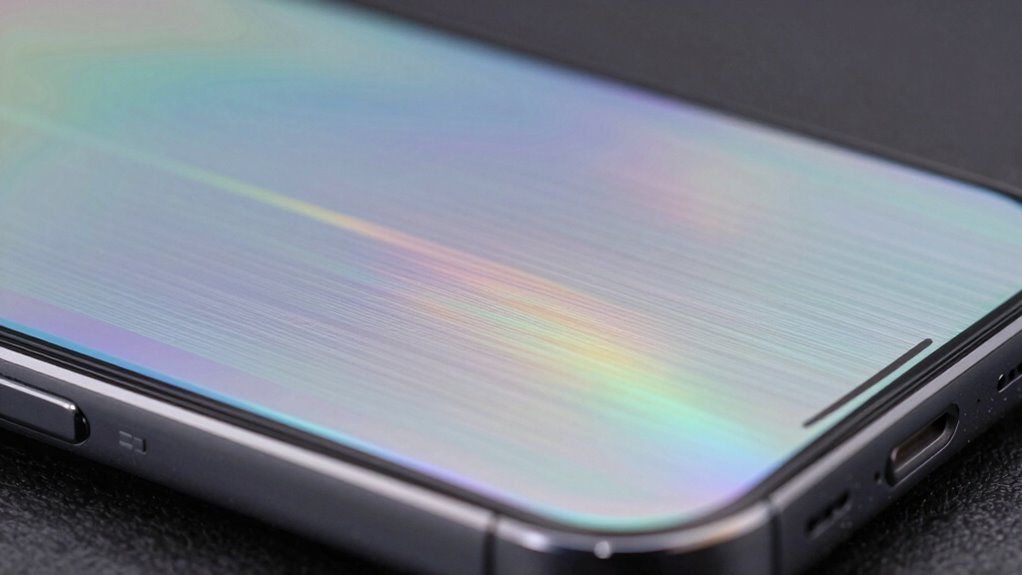

Thin films and nano layers make your electronics faster, more efficient, and longer-lasting by allowing precise control over electrical and optical properties. They enable devices to switch faster thanks to quantum tunneling and improve sensor sensitivity with surface plasmon resonance. These ultra-thin coatings also boost durability, resist corrosion, and support flexible designs. If you keep exploring, you’ll discover how these tiny layers continue to revolutionize the gadgets you use every day.
Listen free for 30 days with Audible
Thousands of audiobooks and originals — cancel anytime.
As an affiliate, we earn on qualifying purchases.
Key Takeaways
- Thin films enhance device speed and efficiency through quantum tunneling and precise layer control.
- Nano layers improve sensor sensitivity with surface plasmon resonance, enabling better detection of biological and chemical signals.
- Nano coatings increase durability, corrosion resistance, and lifespan of electronic components.
- Material customization of nano layers allows for tailored electrical and optical properties in devices.
- Thin films support miniaturization and flexible electronics, enabling smaller, faster, and more adaptable gadgets.

Thin films and nano layers have become essential components in modern electronics, enabling the development of smaller, faster, and more efficient devices. These ultra-thin materials often measure just a few nanometers thick, but their impact on device performance is profound. One key way they improve electronics is through phenomena like quantum tunneling. When electrons move through extremely thin barriers, they can “tunnel” through energy barriers that would normally block their path. This effect is crucial in devices like tunnel diodes and flash memory, where it allows for faster switching speeds and lower power consumption. By carefully controlling the thickness of these nano layers, you can manipulate quantum tunneling to optimize device function, achieving greater efficiency and miniaturization. Additionally, the precise engineering of nano layers enables the tuning of electrical and optical properties for specific applications.
Another powerful advantage of nano layers is their ability to support surface plasmon resonance (SPR). This occurs when free electrons on a metal surface oscillate collectively in response to incident light, creating highly sensitive sensors. When you incorporate thin metal films into your electronic devices, SPR can be harnessed for highly precise detection of biological molecules, chemicals, or environmental changes. This sensitivity stems from the fact that the resonance condition shifts with even tiny variations on the surface, allowing you to detect minute quantities of analytes. Nano layers enhance this effect by increasing the surface area and tailoring the optical properties, which boosts sensor performance substantially. This technology is already transforming fields like medical diagnostics and environmental monitoring.
The integration of thin films and nano layers also enhances the durability and functionality of electronic components. For example, applying nano coatings can improve corrosion resistance and wearability, which extends the lifespan of your gadgets. Furthermore, these layers can serve as insulating, conducting, or semiconducting films, depending on your application. Material customization plays a crucial role in achieving desired electrical or optical characteristics in various devices. By selecting the right materials and thicknesses, you can fine-tune electrical and optical properties to meet specific needs. This versatility is especially essential in developing flexible electronics, where thin layers maintain device performance even when bent or stretched. The ongoing development of nano fabrication techniques continues to push the boundaries of what is possible in electronics design.
thin film coatings for electronics
As an affiliate, we earn on qualifying purchases.
As an affiliate, we earn on qualifying purchases.
Frequently Asked Questions
How Are Thin Films Applied During Electronics Manufacturing?
You apply thin films during electronics manufacturing through processes like sputtering or chemical vapor deposition. These surface coatings safeguard components from corrosion, wear, and environmental damage. You also use them for electronic shielding, blocking electromagnetic interference. By precisely depositing nano layers, you enhance device performance and durability. This careful application guarantees your devices operate reliably while maintaining slim profiles and improved functionality.
What Materials Are Commonly Used for Nano Layers?
Think of nano layers as tiny, delicate brushstrokes on a masterpiece; the materials chosen determine the artwork’s durability and function. Commonly, materials like silicon, titanium, and aluminum are used, each offering unique material properties. During layer deposition, these materials form ultra-thin coatings that enhance electronic performance, protect against corrosion, or improve conductivity. Their precise selection and application are vital for optimizing device efficiency and longevity.
How Do Thin Films Affect Device Durability?
Thin films greatly boost device durability by providing surface protection and enhancing wear resistance. When you apply these layers, they shield components from scratches, corrosion, and everyday wear. This protective barrier helps extend the lifespan of your electronics, ensuring they stay functional longer. By reducing damage caused by friction and environmental factors, thin films keep your devices looking newer and operating at their best, ultimately saving you money and hassle over time.
Can Nano Layers Be Recycled or Reused?
Nano layers can be recycled or reused, but recycling challenges exist due to their tiny size and complex composition. You might use specialized reuse methods, like chemical or physical processes, to recover valuable materials from nano layers. Despite these techniques, it’s often difficult to efficiently separate and reuse nano layers, which limits widespread recycling. Advancements in recycling technologies are essential to make nano layer reuse more practical and environmentally friendly.
What Future Innovations Involve Thin Films in Electronics?
Imagine quantum effects transforming your devices while material scalability makes them more affordable. Future innovations involve thin films enabling faster, smarter electronics through quantum tunneling and improved energy efficiency. Researchers are exploring ultra-thin layers for flexible screens and advanced sensors. These breakthroughs will revolutionize your gadgets, making them more powerful, adaptable, and sustainable, all while addressing manufacturing challenges through scalable thin film techniques.
As an affiliate, we earn on qualifying purchases.
Conclusion
By understanding how thin films and nano layers enhance electronics, you can appreciate their essential role in innovation. For instance, imagine a smartphone with ultra-thin, durable nano-coatings that prevent scratches and improve battery life. These tiny layers not only boost performance but also extend device longevity. As research progresses, you’ll see even more advanced applications, making your everyday gadgets smarter, more efficient, and longer-lasting—demonstrating just how transformative this technology truly is.
nano coatings for device durability
As an affiliate, we earn on qualifying purchases.
As an affiliate, we earn on qualifying purchases.
flexible thin film electronic components
As an affiliate, we earn on qualifying purchases.
As an affiliate, we earn on qualifying purchases.
NFL season / tailgating Picks
team gear
As an affiliate, we earn on qualifying purchases.