

Nano carriers help deliver fragile therapeutic molecules by protecting them from degradation during transit. They shield delicate substances like proteins or nucleic acids from enzymes and immune system attacks, ensuring they reach their target intact. These carriers can be tailored to release cargo at the right time and place, improving stability and effectiveness. By understanding how nano carriers work, you’ll discover more about how they enhance treatment precision and safety.

Get the latest gadgets delivered free — and shop member deals
- Fast, free delivery on millions of items
- Access to Prime Big Deal Days deals on October 6–7
- Prime Video, Amazon Music and more included
Key Takeaways
- Nano carriers protect fragile molecules from enzymatic degradation and immune system attack during transit.
- They enhance stability and prolong circulation time of sensitive therapeutic agents.
- Surface customization enables targeted delivery to specific cells or tissues, minimizing side effects.
- Stimuli-responsive release mechanisms ensure controlled delivery at the desired site.
- Multifunctional nano carriers allow simultaneous therapy and diagnostics, improving treatment accuracy.
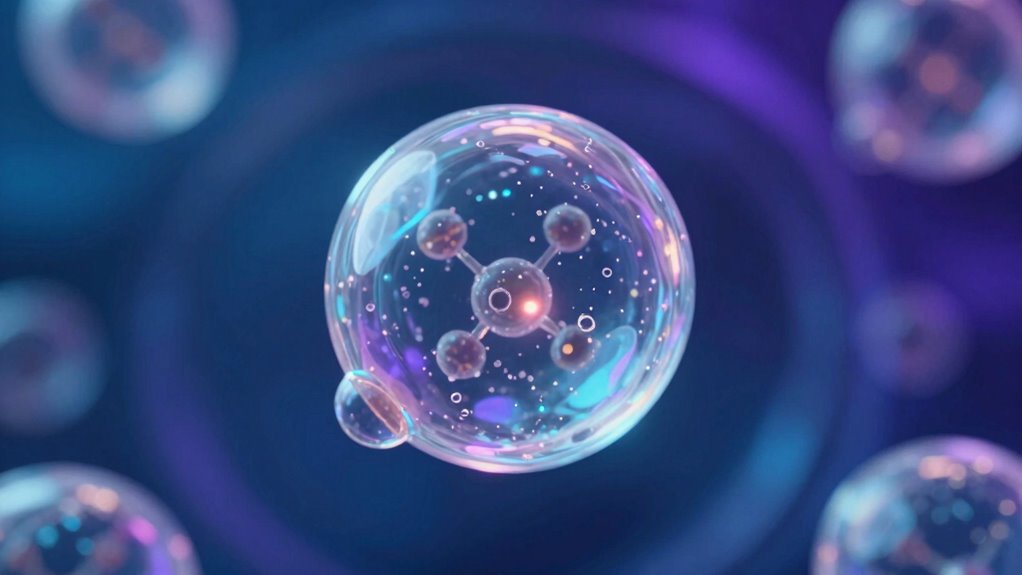
Nano carriers are revolutionizing medicine by enabling the safe delivery of fragile molecules that were previously difficult to transport. These tiny delivery systems are designed to protect delicate therapeutic molecules from degradation, guaranteeing they reach their target in ideal condition. When you consider how sensitive some drugs are—like proteins, nucleic acids, or hormones—you realize how indispensable nano carriers are for maintaining therapeutic molecule stability. Without this protection, many promising treatments could break down before they ever reach the cells they’re meant to treat.
One of the key advantages of nano carriers is their ability to provide precise nano carrier targeting. By customizing the surface properties of these carriers, you can direct them specifically to certain cells or tissues. This targeting minimizes side effects and increases the efficiency of treatment, as the therapeutic molecules are concentrated exactly where they’re needed. For example, if you’re treating cancer, nano carriers can be engineered to recognize tumor-specific markers, ensuring that the fragile anti-cancer agents are delivered directly into malignant cells, sparing healthy tissue. This level of targeted delivery enhances therapeutic outcomes and reduces adverse reactions.
The protection offered by nano carriers extends beyond targeting. They act as a shield, preventing therapeutic molecules from being broken down by enzymes or altered by the body’s immune system during transit. This stability is essential when working with fragile molecules like siRNA or peptides, which are prone to rapid degradation. By encapsulating these molecules within nanocarriers, you markedly improve their stability and prolong their circulation time. As a result, the therapeutic effects are more potent and sustained, making treatments more effective with lower doses. Additionally, nanocarriers can be engineered to avoid immune detection, further enhancing their circulation time.
Furthermore, nano carriers can be designed to release their cargo in response to specific stimuli—such as pH changes or enzymes present in the target tissue. This controlled release ensures that the fragile therapeutic molecules are not only protected during transport but are also delivered at the right moment for maximum effectiveness. Such smart delivery systems improve the overall success rate of treatments, especially for drugs that require precise timing and localization. The ability to control release mechanisms leverages stimuli-responsive nanotechnology, which is rapidly advancing and expanding the scope of targeted therapeutics.
Additionally, advancements in nanotechnology have led to the development of multifunctional nano carriers capable of combining therapeutic delivery with diagnostic imaging, further enhancing treatment precision. This integration allows for real-time tracking and monitoring of drug delivery, optimizing therapeutic protocols.
In essence, nano carriers serve as both protectors and guides for fragile therapeutic molecules. They enhance stability, enable targeted delivery, and facilitate controlled release, all of which are essential for advancing modern medicine. By harnessing the power of nano carrier targeting and safeguarding therapeutic molecule stability, you’re paving the way for more effective, safer, and innovative treatments that were once thought impossible.
As an affiliate, we earn on qualifying purchases.
Frequently Asked Questions
How Are Nano Carriers Synthesized for Specific Therapeutic Molecules?
You synthesize nano carriers for specific therapeutic molecules using various synthesis techniques like emulsification, solvent evaporation, or nanoprecipitation. First, you create a core structure, then modify its surface through surface modification to enhance targeting and stability. These techniques allow you to control size, surface charge, and biocompatibility, ensuring the nano carriers effectively deliver fragile therapeutic molecules while minimizing degradation during transport.
What Are the Potential Side Effects of Using Nano Carriers?
You should be aware that nano carriers can cause toxicity concerns, especially if they accumulate in organs or trigger adverse cellular reactions. They might also provoke immune responses, leading to inflammation or allergic reactions. While nano carriers improve drug delivery, you need to monitor for these potential side effects, as they can affect safety and efficacy. Proper design and testing help minimize these risks, ensuring safer therapeutic applications.
How Do Nano Carriers Target Specific Tissues or Cells?
Like a guided missile, nano carriers target specific tissues or cells through specialized targeting mechanisms. You can think of surface ligands or antibodies acting as GPS signals, guiding the carriers directly to their destination. Once there, cellular uptake occurs efficiently via endocytosis, allowing the therapeutic molecules to enter the cells precisely where they’re needed. This targeted approach minimizes side effects and maximizes treatment effectiveness.
Are Nano Carriers Suitable for Large-Scale Pharmaceutical Production?
Nano carriers are increasingly suitable for large-scale pharmaceutical production, but you need to take into account market scalability and cost implications. As production techniques improve and demand grows, scaling up becomes more feasible and cost-effective. However, initial investments in advanced manufacturing processes can be high. You should evaluate these factors carefully to ensure that large-scale production remains economically viable while maintaining quality and consistency in delivering fragile therapeutic molecules effectively.
What Regulatory Challenges Exist for Nano Carrier-Based Therapies?
You might find that regulatory challenges for nano carrier-based therapies are significant, mainly involving regulatory approval processes and safety standards. You need to demonstrate that these carriers are safe, effective, and consistent in quality, which can be complex due to their nanomaterial properties. Regulatory agencies are still developing frameworks, so you may face hurdles in meeting evolving standards and gaining approval, but rigorous testing helps guarantee safety and efficacy.
targeted nano carriers for cancer therapy
As an affiliate, we earn on qualifying purchases.
As an affiliate, we earn on qualifying purchases.
Conclusion
You might be surprised to learn that nearly 70% of promising therapeutic molecules never reach patients because they’re too fragile to survive delivery. Nano carriers change that by protecting these delicate molecules, ensuring they arrive intact and effective. This breakthrough means more treatments can reach their full potential, offering hope for countless patients. With ongoing advances, nano carriers are set to revolutionize medicine, making fragile therapies not just possible, but practical.
As an affiliate, we earn on qualifying purchases.
As an affiliate, we earn on qualifying purchases.
Fall Picks
fall essentials
As an affiliate, we earn on qualifying purchases.