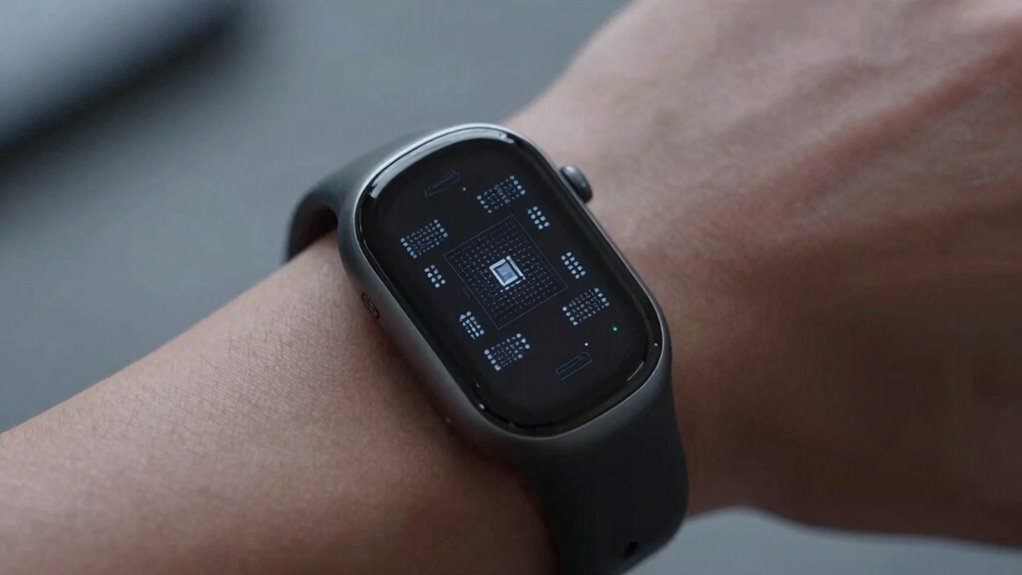

Nano sensors are becoming more relevant to wearables because they allow you to track health and environmental data more precisely while fitting into smaller, more comfortable devices. These sensors improve accuracy, durability, and power efficiency, making wearables more reliable and user-friendly. As technology advances, addressing privacy, safety, and integration challenges is essential. Keep exploring how these innovations are shaping the future of wearable tech and what it means for you.

Get the latest gadgets delivered free with Prime
- Fast, free delivery on millions of items
- Prime Video, Amazon Music and more included
- Member-only deals all year
Key Takeaways
- Nano sensors enable miniaturization, making wearables more compact, comfortable, and unobtrusive for users.
- They provide higher sensitivity and accuracy in monitoring health and environmental data.
- Advances in nanotechnology improve sensor durability and resistance to environmental factors like sweat and dust.
- Integration of nano sensors allows for real-time data collection, enhancing personalized health insights.
- Ethical and regulatory considerations ensure responsible deployment, increasing user trust in nano-enabled wearables.
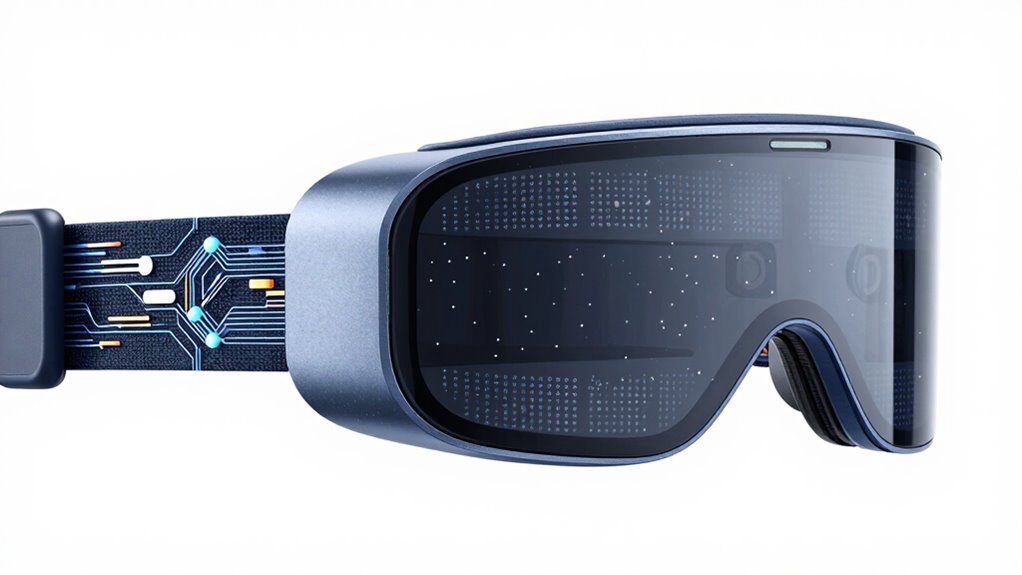
Nanotechnology ethics come into focus because these sensors often deal with sensitive data — your health information, personal activity patterns, or environmental exposure. Questions surrounding privacy, data security, and informed consent are paramount. You need to consider how this data is stored, shared, or potentially misused. As nano sensors become more capable of collecting detailed information, the ethical responsibility to protect user privacy intensifies. Developers and regulators must establish clear guidelines to prevent misuse and ensure users’ rights are safeguarded. This ethical dimension is fundamental because it directly influences user trust and acceptance of wearable nano sensors. Additionally, addressing regulatory standards is essential to ensure that these devices meet safety and privacy requirements before widespread adoption.
Meanwhile, sensor integration challenges are equally important. Incorporating nano sensors into wearable devices requires overcoming hurdles related to durability, power consumption, and seamless data transmission. These sensors are incredibly small, but their integration into flexible, user-friendly wearables demands innovative engineering solutions. Ensuring that sensors stay functional over long periods, resist environmental factors like sweat or dust, and connect reliably to data processing units calls for meticulous design. Additionally, balancing size reduction with maintaining high sensitivity and accuracy remains a technical challenge. You’ll find that solving these issues is vital for creating reliable, practical wearables that users can comfortably wear daily. Moreover, advancements in nanotechnology are paving the way for more compact and efficient sensor designs that can better meet these engineering challenges. As research progresses, establishing ethical frameworks will be crucial to guide responsible development and deployment of these innovations. Furthermore, ongoing research into data security protocols is essential to safeguard sensitive information collected by nano sensors. Building public awareness about ethical concerns linked to nanotechnology will also foster more informed discussions around responsible innovation.
As nano sensors become more relevant, their ability to deliver precise, real-time insights will improve greatly, provided these challenges are addressed. The ongoing development of nanotechnology ethics frameworks and smarter sensor integration techniques will shape the future of wearable tech. For you, this means access to smarter health monitoring tools that are not only accurate but also ethically sound and seamlessly integrated into your daily life. The intersection of nanotechnology, ethics, and engineering promises a future where wearable sensors are more reliable, trustworthy, and truly transformative.
nano sensor wearable health monitor
As an affiliate, we earn on qualifying purchases.
As an affiliate, we earn on qualifying purchases.
Frequently Asked Questions
How Do Nano Sensors Improve Wearable Device Battery Life?
Nano sensors improve your wearable device’s battery life by boosting quantum efficiency, meaning they convert energy more effectively. They also utilize energy harvesting techniques, capturing ambient energy like heat or movement to power themselves. This reduces reliance on traditional batteries, extending device lifespan and minimizing charging needs. As a result, nano sensors make wearables more efficient, longer-lasting, and less dependent on frequent recharging, enhancing your overall user experience.
Are Nano Sensors Safe for Long-Term Skin Contact?
Did you know nano sensors are tested extensively for skin compatibility? They’re generally safe for long-term skin contact, thanks to advances in nano safety protocols. Manufacturers now use biocompatible materials to minimize irritation and allergic reactions. While ongoing research continues, current evidence suggests that nano sensors are safe for extended wear, making them a promising component in wearable tech that prioritizes your skin’s health and comfort.
Can Nano Sensors Detect Mental Health Changes?
Yes, nano sensors can detect mental health changes through emotional state detection and mental health monitoring. They analyze physiological signals like heart rate, skin conductance, and brain activity, providing real-time insights into your emotional well-being. This technology allows you to track mood fluctuations and stress levels continuously. As a result, nano sensors can play an essential role in early intervention and personalized mental health management, enhancing overall emotional resilience.
What Are the Manufacturing Challenges of Integrating Nano Sensors?
You face a formidable challenge in integrating nano sensors—manufacturing hurdles like precise nano fabrication and ensuring material biocompatibility. Achieving the tiny scale while maintaining sensor accuracy tests your skills. Material choices must be safe and compatible with skin, adding complexity. As you navigate these obstacles, the potential for groundbreaking wearable tech grows, but the path is riddled with technical intricacies that demand innovation and meticulous attention.
How Do Nano Sensors Compare in Cost to Traditional Sensors?
Nano sensors generally cost more than traditional sensors due to advanced fabrication techniques and material requirements. However, their cost comparison improves over time as manufacturing processes become more efficient. In an affordability analysis, you’ll find that nano sensors offer unique benefits like higher sensitivity and miniaturization, which can justify the initial investment. As technology advances, expect their prices to decrease, making them more accessible for wearable devices.
compact nano sensor fitness tracker
As an affiliate, we earn on qualifying purchases.
As an affiliate, we earn on qualifying purchases.
Conclusion
Imagine you’re wearing a tiny sentinel on your wrist, constantly monitoring your health like a vigilant guardian. Nano sensors are doing just that—becoming the tiny but mighty heroes of wearables. With the ability to detect even the smallest changes in your body, they’re transforming how you understand your health. Just like a microscope reveals hidden worlds, these sensors uncover essential data, making your wearable not just a device, but a personal health companion that’s always watching over you.
privacy-focused wearable sensors
As an affiliate, we earn on qualifying purchases.
As an affiliate, we earn on qualifying purchases.
durable nano sensors for wearables
As an affiliate, we earn on qualifying purchases.
As an affiliate, we earn on qualifying purchases.
Halloween Picks
halloween
As an affiliate, we earn on qualifying purchases.