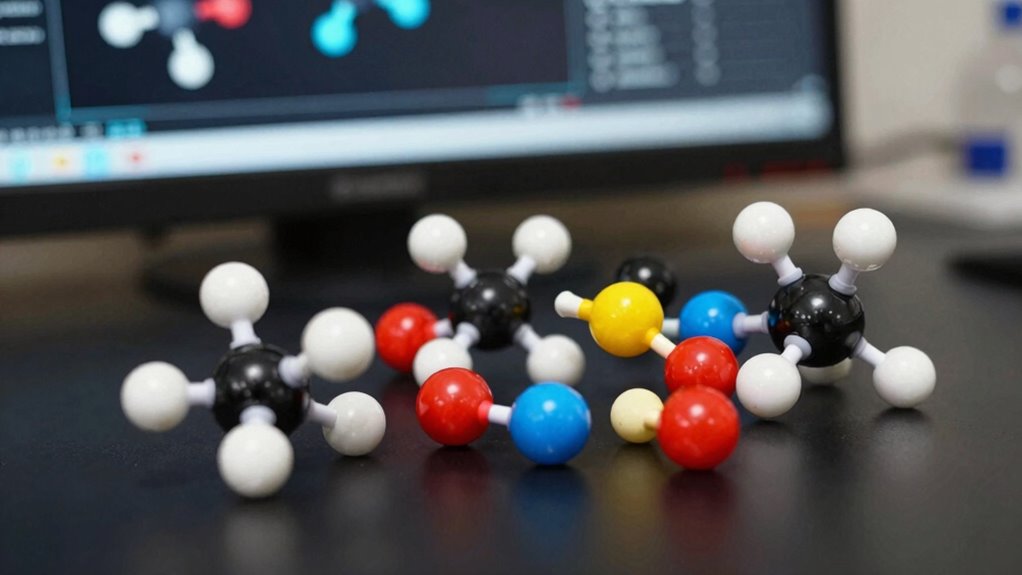

When selecting a molecular model kit, it’s essential to balance complexity, versatility, and durability. The LINKTOR Chemistry Molecular Model Kit stands out as the best overall for its extensive piece count and robust design, ideal for both classroom and personal use. For those on a budget, the Swpeet 240 Pcs Organic Chemistry Model Kit offers great value without sacrificing core functionality. Meanwhile, the Reliancer 419PCS Organic Chemistry Set provides a comprehensive STEM learning experience, perfect for educators and serious students. The main tradeoffs in this category often involve choosing between sheer quantity, ease of assembly, or specialized features. Continue reading for a complete breakdown of these models and how they compare to meet different needs.
Complete the kit



Key Takeaways
- The highest piece counts generally provide more versatility but can be overwhelming for beginners.
- Durability and build quality are key for long-term use, especially in educational settings.
- Sets with specialized components, like fullerenes, appeal to advanced learners but may be unnecessary for basic education.
- Value for money varies widely; more affordable kits often lack some features found in premium options.
- Portability and compactness matter for students or educators with limited storage space.


More Details on Our Top Picks
LINKTOR Chemistry Molecular Model Kit (444 Pieces) for Organic and Inorganic Learning
This 444-piece set stands out for its comprehensive scope, catering to a wide range of educational levels from middle school to graduate studies. Unlike the smaller 240-piece kits, it offers a broader array of model types, including space-filling and ball-and-stick, which makes it ideal for in-depth understanding of molecular geometry. However, the larger number of parts can make assembly more time-consuming, and some components may be fragile with frequent handling. Compared to simpler kits, this provides greater flexibility but requires a more experienced user to manage its complexity effectively.
Pros:- Extensive set suitable for a wide educational range
- Includes multiple model types for varied learning
- Color-coded atoms facilitate quick identification
- Ideal for demonstrating complex structures like Fullerene
Cons:- Can be overwhelming for beginners due to its size
- Some parts may be fragile with frequent use
Best for: Teachers and students who need a detailed, all-in-one kit for diverse chemistry topics and are comfortable with more complex models
Not ideal for: Beginners or young children who might find the number of pieces overwhelming and difficult to manage
- Number of Pieces:444
- Includes:136 atoms, 158 bonds, 150 Fullerene parts
- Suitable for:Grade 7 to Graduate level
- Model Types:Ball-and-stick, space-filling
Our verdict“This kit is perfect for educators or advanced students seeking a comprehensive, versatile model set despite its complexity.”
Swpeet 240 Pcs Organic Chemistry Molecular Model Kit for Students and Teachers
Compared with the larger LINKTOR set, this 240-piece kit offers a more manageable option for high school and early college students. It includes a wide variety of atoms like C, H, O, N, and halogens, making it versatile for organic and inorganic chemistry. The inclusion of a storage box and non-hazardous, food-grade materials adds practical convenience and safety. However, its smaller size means fewer advanced models, which could limit use for complex structures. This kit strikes a balance between affordability and functionality, ideal for learners who want a solid introduction without feeling overwhelmed by excess parts.
Pros:- Helps visualize molecular geometry for better comprehension
- Includes a wide variety of atoms and bonds
- Made from safe, food-grade plastics
- Convenient storage box for organization
Cons:- May be too basic for advanced users
- Number of pieces might be overwhelming for absolute beginners
Best for: High school students and teachers seeking a reliable, affordable model set for introductory chemistry lessons
Not ideal for: Advanced university students or professionals needing highly complex or specialized models, as it lacks some advanced components
- Number of atoms:86
- Number of bonds:153
- Elements included:C, H, O, N, P, S, F, Cl, Br, I
- Material:Food grade plastics
- Storage:Plastic box
Our verdict“This kit offers excellent value for learners who need a straightforward, safe, and versatile model set for foundational chemistry education.”
Reliancer Molecular Model Kit, 419PCS Organic Chemistry Set with Atoms & Bonds, STEM Science Kit for Learning and Teaching
This 419-piece set is tailored for students and educators focusing on more sophisticated molecular modeling, including complex ions and metal complexes. Unlike the smaller, simpler models, it offers V-bonds, long flexible bonds, and lone pairs, making it suitable for higher-level chemistry. The inclusion of metal complex geometries is especially useful for advanced courses. The eco-friendly, color-coded parts enhance learning clarity. On the downside, its complexity can be intimidating for beginners, and small parts pose some safety concerns for younger children.
Pros:- Enables building of complex molecules and ions
- Includes metal complex geometries for advanced study
- Eco-friendly, color-coded components aid understanding
- Sturdy storage box for portability
Cons:- Overwhelming for new users
- Small parts may be a choking hazard for young children
Best for: University students or high school teachers teaching advanced organic and inorganic chemistry topics
Not ideal for: Beginners or younger students new to molecular modeling, due to its complexity and small parts
- Number of atom pieces:179
- Bonds:155
- Long flexible bonds:25
- Includes:Instructional guide, sturdy storage box
Our verdict“This set excels for advanced chemistry learners needing detailed, complex models but is less suited for beginners.”
Chemistry Molecular Model Kit (136 Pcs) for Students and Teachers
This 136-piece kit strikes a balance, offering enough components for both organic and inorganic models while remaining manageable. Its high-quality, durable parts make it suitable for repeated classroom use or home study. The inclusion of a tool for easy assembly adds practical value. Compared to larger sets like the LINKTOR 444-piece kit, this is less overwhelming but also less capable of modeling extremely complex molecules. Its focus on essential structures makes it ideal for intermediate learners or educators needing a reliable, durable set.
Pros:- Suitable for all learning levels from kids to college
- Color-coded pieces for quick identification
- Includes tools for easy assembly
- High-quality, durable materials
Cons:- May be too limited for complex structures
- Not designed for modeling very large or intricate molecules
Best for: Teachers and students seeking a durable, mid-sized set for hands-on learning that covers core molecular structures
Not ideal for: Advanced students or researchers requiring extensive, detailed modeling beyond basic structures
- Pieces:136
- Includes:Short link remover tool
- Materials:High-quality durable plastics
Our verdict“This kit provides a solid, durable option for educational settings focused on core molecular models, though it isn’t suited for highly complex or research-grade structures.”
Molecular Model Kit, 444 Pcs Organic Chemistry Structure Set
This 444-piece set offers an extensive array of atoms and bonds, making it ideal for detailed organic chemistry modeling. Compared to the Reliancer set, it emphasizes simplicity and ease of assembly, making it more accessible for students at various levels. However, it lacks detailed instructions for complex structures, which could pose challenges for beginners. Its portability and durable components make it suitable for use in multiple settings, but users should be prepared for some trial and error when building intricate molecules.
Pros:- Large set with 444 pieces for detailed modeling
- Easy-to-assemble design
- Portable and durable for various environments
- Suitable for a wide range of educational levels
Cons:- Lacks detailed instructions for complex molecules
- Overwhelming for first-time users without prior experience
Best for: Students and educators needing a comprehensive, portable set for detailed organic molecule construction
Not ideal for: Absolute beginners or those requiring guided instructions for complex structures, as it offers limited guidance
- Atoms:136
- Bonds:158
- Fullerene parts:150
- Material:High-quality, durable plastic
Our verdict“This set is well-suited for users who want a comprehensive, portable kit capable of detailed organic molecule modeling, provided they can handle some trial and error.”
Reliancer Molecular Model Kit, 444 Pieces Organic Chemistry Set with Fullerene and Bonds for STEM Learning
This comprehensive set stands out for its 444 eco-friendly pieces, including a full fullerene model, making it ideal for classroom and homeschooling environments. Compared with the LINKTOR 444-piece kit, the Reliancer offers a more sustainable material choice and clear color coding that enhances understanding. However, its complexity may overwhelm beginners, especially younger students, and it’s primarily designed for educational purposes, not professional modeling. The inclusion of a remover tool and sturdy storage box adds practical value for ongoing use. Overall, this kit excels for teachers and parents seeking a thorough, eco-friendly learning resource.
Pros:- Large set with 444 pieces, including a full fullerene model
- Eco-friendly, non-toxic materials suitable for educational environments
- Color-coded parts simplify understanding of molecular structures
- Includes tools and guides for effective learning
Cons:- Can be overwhelming for complete beginners or young students
- Limited to educational use, not suitable for professional modeling
Best for: K-12 teachers and parents seeking an engaging, educational molecular kit for STEM instruction
Not ideal for: Beginners or young children who might find the set too complex and detailed
- Number of atom pieces:136
- Number of bonds:154
- Fullerene model:Yes
- Material:Polypropylene (atoms), Low-Density Polyethylene (bonds)
- Includes:Removing tool, Instructional guide, Sturdy plastic storage box
Our verdict“This kit is perfect for educators and dedicated learners requiring a detailed, eco-conscious set to explore chemistry concepts in depth.”
135 Pcs Organic Chemistry Model Kit, Portable Molecular Model Set for Students and Teachers
This model kit offers a balanced set of 135 pieces, making it a practical choice for middle and high school students. Its straightforward assembly and durable storage make it a reliable tool for everyday classroom activities. While it doesn’t match the extensive variety of the JoyCat 238-piece kit, it strikes a good balance between simplicity and educational value. Compared to the Reliancer set, it’s less overwhelming but still versatile enough for organic and inorganic chemistry lessons. The limited number of pieces and simpler design may not satisfy advanced learners, but it’s ideal for foundational learning.
Pros:- Wide variety of atoms and bonds for diverse structures
- Easy to assemble and use, ideal for classroom demonstrations
- Durable, portable storage for convenience
- Suitable for a range of chemistry topics
Cons:- Assembly instructions could be more detailed
- Outer packaging may be fragile during shipping
Best for: High school teachers and students needing a reliable, portable chemistry model set
Not ideal for: College students or advanced learners seeking highly detailed or complex molecular models
- Number of Pieces:135
- Atoms:59
- Bonds:76
- Suitable for:Students from 7th grade to high school
Our verdict“This kit offers a solid, user-friendly choice for classroom use, especially for high school chemistry instruction.”
JoyCat 238-Piece Molecular Model Kit for Organic and Inorganic Chemistry
Designed for older students and college-level learners, the JoyCat 238-piece kit provides detailed components, including 84 atoms and 153 bonds, suitable for complex organic and inorganic molecules. Its organized storage and learning guide facilitate in-depth study, making it a step up from simpler kits like the 135-piece model. Compared to the larger LINKTOR 444-piece set, JoyCat’s focused selection offers more precision for advanced chemistry. However, its complexity and age restriction mean it’s less suited for beginners or younger students. This model kit is ideal for those ready to explore detailed molecular structures with a more professional approach.
Pros:- Includes a wide variety of detailed components for complex structures
- Organized storage and learning guide support in-depth understanding
- High-quality, durable plastic construction
- Suitable for advanced chemistry courses
Cons:- May be too complex for beginners or casual learners
- Limited age range restricts use for younger students
Best for: High school seniors, college students, and chemistry enthusiasts seeking detailed, educational modeling tools
Not ideal for: Younger students or beginners who may find the complexity intimidating
- Number of Pieces:238
- Atoms Included:84
- Bonds Included:153
- Recommended Age:15 years and up
Our verdict“This kit effectively supports serious learners aiming to master detailed molecular structures in chemistry.”
Molecular Model Kit, 240 Pcs Organic Chemistry Structure Set
This 240-piece set balances complexity and ease of use, making it suitable for high school and college students. Its inclusion of 86 atoms and 154 bonds allows for building intricate organic molecules while maintaining straightforward assembly. Compared with the JoyCat set, it offers a similar number of pieces but may lack some of the detailed learning materials, though it compensates with high-quality, portable components. Its focus on organic chemistry makes it less versatile for inorganic or biochemistry models, but it provides the depth needed for advanced organic studies. The kit’s durability and portability are notable benefits for classroom or personal use.
Pros:- Includes a comprehensive set of atoms and bonds for complex molecules
- Easy-to-assemble, durable components
- Portable and high-quality materials
- Good for exploring organic structures in depth
Cons:- May be too advanced for complete beginners
- Limited to organic chemistry structures without digital features
Best for: Organic chemistry students in high school and college seeking a versatile, detailed model set
Not ideal for: Beginners or those seeking a simple introduction to molecular modeling
- Number of atoms:86
- Number of bonds:154
- Pieces:240
- Suitable for:High School & College
Our verdict“This set offers a reliable, detailed platform for organic chemistry students aiming to explore complex molecules with ease.”
Molecular Model Kit (240 Pieces) for Organic and Inorganic Chemistry Learning
This 240-piece kit provides flexibility for students from middle school through college, supporting both organic and inorganic chemistry. Its inclusion of 86 atoms and 154 bonds allows for building a variety of molecular geometries, while its eco-friendly plastics make it safe and sustainable. Compared with the Reliancer and JoyCat models, this kit emphasizes versatility across different educational levels rather than specialized focus. Its slightly simpler design makes it accessible for a broad age range, but some younger children may find assembly challenging without guidance. Overall, this kit makes a practical choice for schools needing a multi-purpose molecular modeling resource.
Pros:- Supports learning across multiple educational levels
- Eco-friendly, food-grade plastics ensure safety
- Helps visualize a variety of molecular geometries
- Durable and portable for classroom use
Cons:- May be too detailed for very young children
- Requires some chemistry knowledge for effective assembly
Best for: Middle school to college instructors and students looking for an adaptable, eco-friendly model set
Not ideal for: Young children or complete beginners seeking a very simple or introductory set
- Number of Pieces:240
- Atoms:86
- Bonds:154
- Materials:Food-grade plastics (PP, LDPE, ABS)
Our verdict“This flexible, eco-conscious set is well-suited for educational environments that span multiple age groups and chemistry topics.”
How We Picked
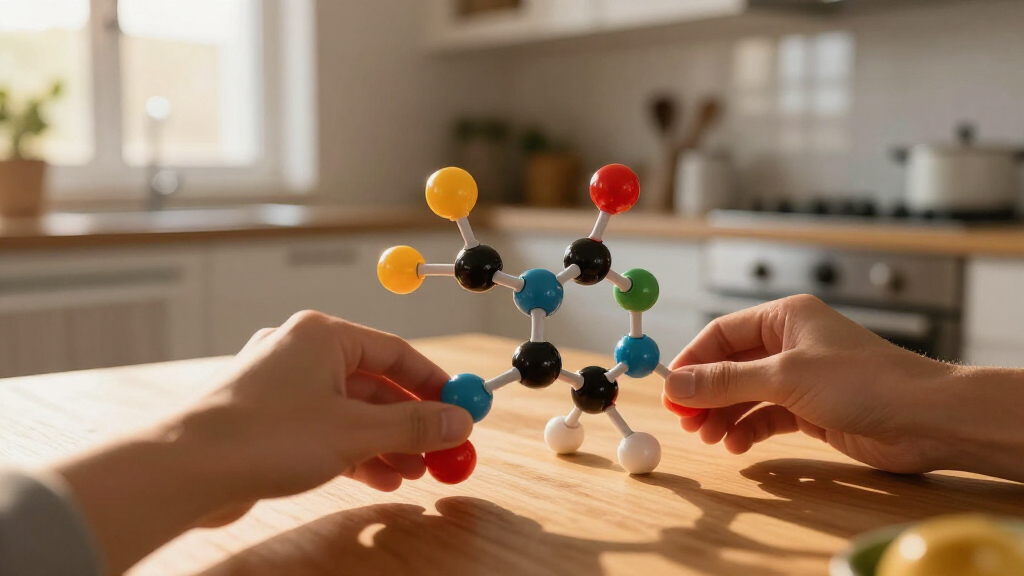
These models were evaluated based on a combination of factors including total piece count, build quality, ease of use, versatility, and price. I prioritized kits that balanced comprehensive features with durability and user-friendliness, ensuring they suit both beginners and advanced users. The ranking reflects how well each model meets typical educational or hobbyist needs, along with their ability to withstand repeated use. Cost-effectiveness was also considered, so that buyers can find options that deliver value without unnecessary extras. Ultimately, the selected models represent a spectrum of features to cater to different levels of expertise and intended uses.Factors to Consider When Choosing Molecular Model Kits
Choosing the right molecular model kit involves more than just looking at the number of pieces. It’s important to consider the scope of your learning or project needs, your experience level, and how the kit will be used over time. A well-chosen set can enhance understanding of complex structures, while a mismatched one can lead to frustration or underutilization. Here are key factors to keep in mind beyond the basic product specs to make a smart purchase.Number of Pieces and Complexity
The total number of pieces directly impacts the versatility of the kit. Larger sets offer more options for building complex molecules, which is beneficial for advanced students or research. However, for beginners or casual hobbyists, an overly large set might be intimidating and harder to manage. Striking a balance between quantity and ease of use ensures the kit remains functional without becoming overwhelming.
Build Quality and Material Durability
High-quality plastics and sturdy connectors are essential for long-term use, especially in classroom environments where multiple users handle the kits. Cheaper models with brittle or flimsy components tend to break easily, leading to frustration and additional costs. Investing in durable materials ensures the kit can withstand frequent assembly and disassembly, providing better value over time.
Versatility and Special Features
Some kits include advanced features like fullerene components, rings, or multiple bond types, which are useful for exploring more complex chemistry concepts. Others focus on basic organic structures suitable for beginners. Think about what you want to achieve—if your goal is comprehensive learning or professional research, a more versatile set makes sense. For casual or introductory use, simpler models will suffice.
Ease of Assembly and User-Friendliness
Clear color coding, intuitive connectors, and organized storage all contribute to user experience. Kits with complicated assembly processes or poorly labeled pieces can cause delays and confusion, especially for newcomers. Look for sets that provide clear instructions and straightforward assembly to maximize learning and minimize frustration.
Price and Value for Money
Price varies significantly across options, often corresponding to the number of pieces and included features. More expensive kits tend to offer better durability and more components, but this is not always necessary for basic educational purposes. Consider your budget alongside your learning goals to find a set that offers good value without excess features you won’t use.
Frequently Asked Questions
Is a larger piece count always better for learning?
Not necessarily. While a larger piece count provides more options for building complex molecules, it can also be overwhelming for beginners. For introductory learning, a smaller, simpler set may be more effective, helping users focus on core concepts without getting bogged down by excessive parts. As skills develop, upgrading to a larger, more comprehensive kit becomes more advantageous.
Are expensive kits worth the extra cost?
Higher-priced kits often offer better build quality, more features, and greater durability, making them worthwhile for frequent use or professional settings. However, for casual or beginner use, a mid-range or budget model can deliver excellent value. It’s important to match the kit’s features with your specific needs to avoid paying for unnecessary extras.
What features should I look for if I want to teach organic chemistry?
Look for kits that include a variety of bonds, functional groups, and atoms relevant to organic chemistry, such as double bonds, rings, and heteroatoms. Color-coded pieces help with quick identification, and larger sets facilitate building more complex structures. Ease of assembly and clear instructions are also critical for effective teaching, especially with students new to molecular modeling.
Can these kits be used for research purposes?
Some high-end models with extensive piece counts and specialized components can support basic research or prototyping. However, for advanced research, professional-grade models with precise measurements and durable materials are preferred. Most educational kits are designed for learning rather than detailed scientific work, so assess your precision needs before choosing a model.
How important is portability in choosing a kit?
Portability is key if you plan to transport the kit between classrooms, labs, or home. Compact, lightweight models with organized storage make it easier to carry and store the components. Conversely, larger, bulkier sets may be better suited for permanent setups where mobility is less of a concern. Consider your space and usage frequency when evaluating portability.
Conclusion
The best overall choice, the LINKTOR Chemistry Molecular Model Kit, offers extensive pieces and durability for both students and educators. If you’re seeking value, the Swpeet 240 Pcs Organic Chemistry Model Kit provides solid functionality at a lower price point. For advanced learners or research, premium options like the Reliancer 419PCS Organic Chemistry Set deliver greater versatility and durability. Beginners or casual users should opt for simpler, easier-to-assemble kits, while those needing a portable option should prioritize size and storage. Align your selection with your specific educational or hobbyist goals to make the most of your investment.