
Nanotechnology makes many things you use every day better and safer. It enables targeted cancer treatments that deliver medicine directly to tumors, improves drug delivery with controlled release, and allows early disease detection with nanoscale sensors. It has created transparent, durable sunscreens, self-cleaning surfaces, and water purification systems that eliminate toxins. Plus, nanotech enhances food packaging that detects spoilage and extends freshness. Discover how these innovations are transforming your world as you continue to explore more about nanotechnology.
Key Takeaways
- Targeted cancer therapies deliver chemotherapy drugs directly to tumors, increasing effectiveness and reducing side effects.
- Nanoparticle-enhanced sunscreens provide transparent, long-lasting UV protection with better skin comfort.
- Antimicrobial textiles embedded with silver or copper nanoparticles resist bacteria, odors, and extend fabric lifespan.
- Nanoscale biosensors enable early disease detection by identifying biomarkers at very low concentrations.
- Nanotech-based water purification systems offer eco-friendly, passive removal of pollutants, ensuring safe drinking water worldwide.

Nanoparticle Drug Delivery Systems for Cancer Treatment
As an affiliate, we earn on qualifying purchases.
As an affiliate, we earn on qualifying purchases.
Smarter Cancer Treatments With Targeted Nanoparticles
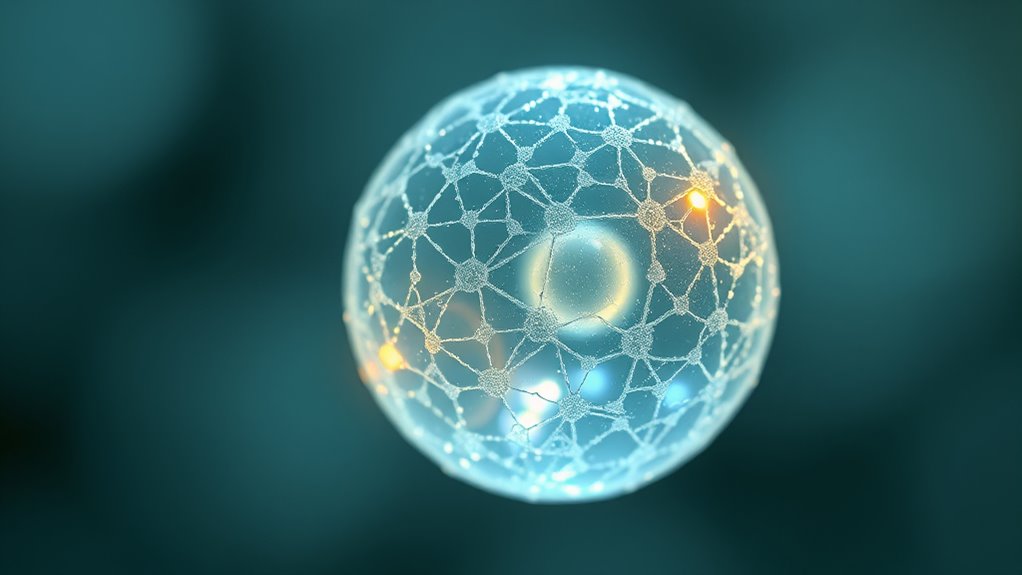
Nanotechnology has revolutionized cancer treatment by enabling the development of targeted nanoparticles that deliver chemotherapy drugs directly to tumors. You no longer have to worry about the drugs harming healthy tissue, as these tiny carriers seek out cancer cells specifically. They can navigate through the bloodstream, recognize tumor markers, and release their payload precisely where needed. This targeted approach boosts the effectiveness of chemotherapy while reducing side effects like nausea and hair loss. Clinical trials have shown promising results, with higher drug concentrations reaching tumors and improved patient outcomes. By focusing treatment directly on cancer cells, nanotechnology is making therapies smarter, safer, and more efficient. Targeted drug delivery is a key aspect of this innovation, leading to more personalized and effective cancer treatments. This innovation marks a significant leap forward in personalized medicine for cancer patients everywhere. Creating calm and organized homes with simple strategies can help manage the busy routines involved in healthcare. Additionally, ongoing research into nanoparticle design aims to further improve targeting accuracy and minimize potential side effects. Advances in nanomedicine continue to open new possibilities for treating complex diseases more precisely, especially when it involves understanding the role of dog breeds in developing specialized therapeutic approaches.

Molecular Pharmaceutics : (Nano Tech and Targeted Drug Delivery System)
As an affiliate, we earn on qualifying purchases.
As an affiliate, we earn on qualifying purchases.
Long-Lasting, Controlled Drug Delivery Systems
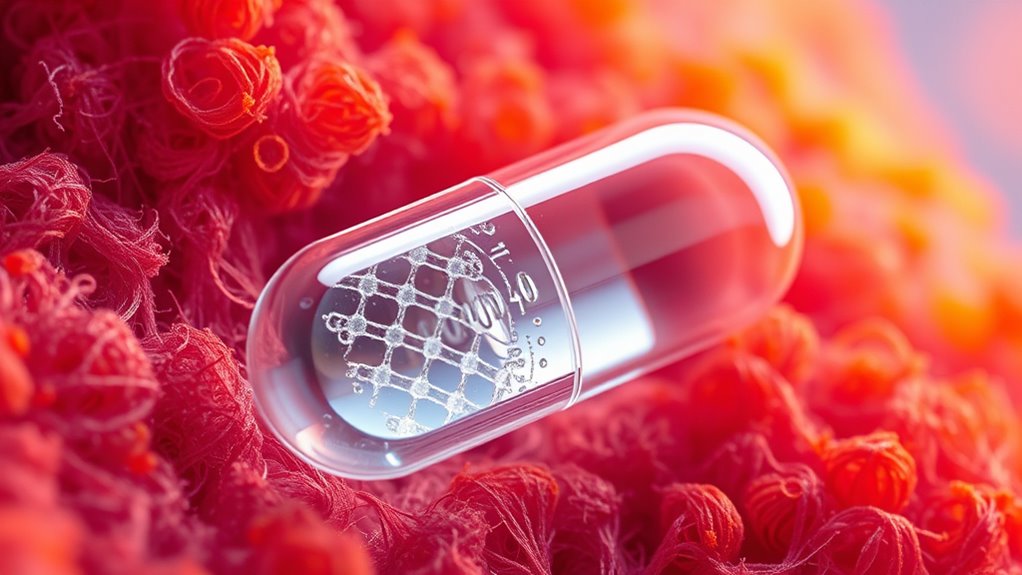
Building on the advances in targeted delivery, researchers are now focusing on developing long-lasting, controlled drug delivery systems that maintain therapeutic levels over extended periods. These systems use nanomaterials to release drugs gradually, reducing dosing frequency and improving patient compliance. You benefit from:
- Nanocarriers that respond to environmental cues, releasing drugs only when needed
- Liposomal formulations that extend circulation time and enable sustained release
- Biodegradable nanomaterials that safely break down after delivering medication
- Surface modifications that prevent premature clearance and ensure consistent drug levels
- Nanomaterials are engineered to optimize the stability and precision of drug release profiles, further enhancing treatment outcomes. Controlled release systems utilize nanotechnology to deliver medications at specific rates, adapting to the body’s needs and conditions. This precision is achieved through targeted delivery mechanisms that focus medication exactly where it’s needed, minimizing side effects and maximizing efficacy.
This approach minimizes side effects, enhances treatment efficacy, and offers more precise control over medication timing. Nanotechnology enables these advanced delivery systems, transforming how you receive and manage treatments for chronic conditions and complex diseases.

P Puregen Labs Cough Relief for Adults Dextromethorphan HBr 15mg (60 Softgels) 8-Hour, Non-Drowsy, Long-Lasting Bronchial Suppressant |Ages 12+ | Compare to Robafen and Robitussin
✅ Stop Coughing Fast – Ideal for wet or dry cough for children and adults ages 12 and…
As an affiliate, we earn on qualifying purchases.
As an affiliate, we earn on qualifying purchases.
Early Detection of Diseases Using Nanoscale Biosensors
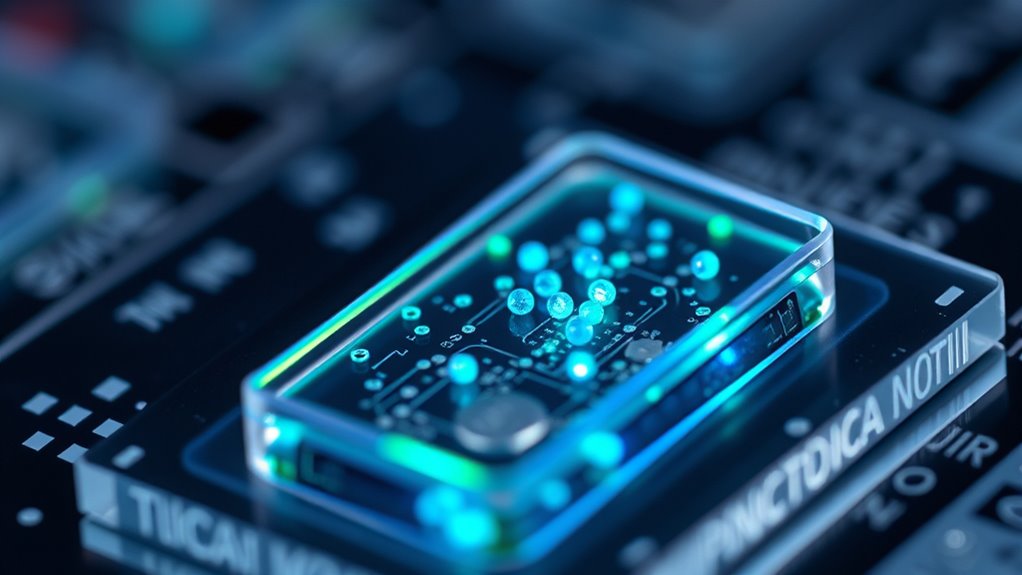
Early detection of diseases has become increasingly possible thanks to nanoscale biosensors that can identify biomarkers at very low concentrations. These tiny devices detect specific molecules associated with conditions like cancer, cardiovascular disease, and infections with remarkable sensitivity. By capturing biomarkers early, they enable timely diagnosis before symptoms appear, improving treatment outcomes. Nanosensors work by recognizing molecular signatures and converting this interaction into measurable signals, often in real time. Their small size allows integration into wearable devices, blood tests, or point-of-care systems, making screening more accessible and less invasive. This rapid, high-precision detection minimizes the need for extensive laboratory procedures, leading to faster diagnosis and better patient management. As nanotechnology advances, these biosensors will become even more accurate, affordable, and widespread in healthcare settings. This progress relies on advancements in nanoscience that enhance sensor sensitivity and functionality.]
As an affiliate, we earn on qualifying purchases. As an affiliate, we earn on qualifying purchases.nanoparticle biosensors for disease detection
Advanced Wound Healing and Infection Prevention
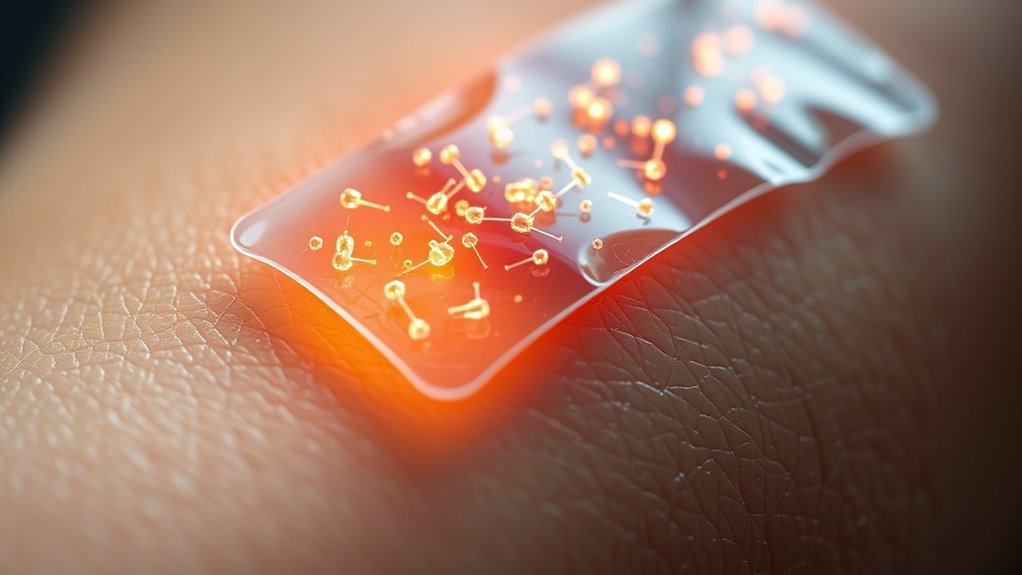
Advanced wound healing and infection prevention have been considerably enhanced by nanotechnology through the development of nanoengineered dressings and antimicrobial coatings. These innovations deliver sustained release of antimicrobial agents like silver and copper, actively fighting bacteria and reducing infection risk. The dressings promote faster tissue regeneration and minimize scarring, improving healing outcomes. Additionally, nanotechnology enables the creation of antimicrobial coatings that prevent bacterial adhesion on wound surfaces, further reducing infection potential. The dressings promote faster tissue regeneration and minimize scarring, improving healing outcomes. The use of nano-based dressings extends antimicrobial effects, reducing dressing changes and enhancing patient comfort. Silver nanoparticles provide long-lasting infection control. Controlled drug release accelerates tissue repair and reduces inflammation. Moreover, nanotechnology allows for precise targeting of pathogens and damaged tissues, increasing the effectiveness of treatments. These advancements allow you to heal more quickly, with fewer complications, and less pain. The integration of nanomaterials into wound care also enables monitoring of healing progress in real-time, leading to more personalized treatment plans. Furthermore, the ability to engineer nanomaterials with specific properties significantly improves the durability and functionality of wound dressings, making them more effective over longer periods. Furthermore, nanotechnology’s precision and sustained activity make wound care safer and more effective than ever before.
Transparent Sunscreens With Nanoparticle UV Blockers

You’ll notice that nanotechnology makes sunscreens transparent and virtually invisible on your skin while still providing strong UV protection. These nanoparticle UV blockers are smaller than traditional ingredients, allowing the sunscreen to blend seamlessly without leaving a white cast. Plus, they offer enhanced skin safety benefits by reducing the risk of irritation and ensuring effective, long-lasting sun defense. Their ability to improve product performance is a key example of how nanotechnology can maximize your product’s potential for everyday use. Additionally, the use of nanoparticles can help in creating more durable formulations that resist breakdown from environmental factors, ensuring consistent protection over time. This advancement also leverages nanotechnology to enhance the overall stability and effectiveness of sunscreens in real-world conditions, making them more reliable and long-lasting for consumers.
Clear and Invisible
Nanoparticle UV blockers in transparent sunscreens leverage nanotechnology to provide effective sun protection without the visible whitening often associated with traditional formulations. By reducing particle size to the nanoscale, these sunscreens become clear on your skin, offering a virtually invisible shield. This innovation allows you to enjoy sun safety without sacrificing appearance. Using nanotechnology enhances the overall performance of these sunscreens, making them more reliable and user-friendly. Additionally, the scientific skepticism surrounding cryptid sightings emphasizes the importance of empirical evidence in distinguishing between myth and reality.
- Enhanced transparency: Nanoparticles blend seamlessly, leaving no white cast.
- Better skin feel: Thinner, lighter formulations improve comfort during wear.
- Increased efficacy: Nanoscale particles provide broad-spectrum UV protection.
- Versatile applications: Suitable for daily wear, makeup, and sensitive skin.
Additionally, the manufacturing process ensures that these nanoparticles are safely incorporated into skincare formulations, maintaining both efficacy and safety standards. Advances in nanoparticle stability help to prolong the effectiveness of these sunscreens during use.
Enhanced UV Protection
Enhanced UV protection with nanotechnology has revolutionized sunscreens by making them transparent and effective. Traditional sunscreens often left a white residue, but nanoparticle titanium dioxide and zinc oxide absorb and reflect UV rays without visible whiteness. These nanomaterials are incredibly small, allowing them to blend seamlessly into your skin while providing broad-spectrum protection against UVA and UVB rays. Because of their high surface area, they efficiently block harmful rays with less material, resulting in thinner, more comfortable formulations. This innovation guarantees you get reliable sun protection without sacrificing aesthetics or comfort. Thanks to nanotechnology, your sunscreen can be nearly invisible, lightweight, and highly effective—protecting your skin while maintaining a natural look. Additionally, the high surface area of nanomaterials enhances their water resistance, ensuring longer-lasting protection even when sweating or swimming. The improved stability of nanoparticle-based sunscreens also means they are less likely to degrade under sun exposure, maintaining effectiveness over time. Moreover, the ability to customize particle size allows formulators to optimize both transparency and protective qualities for different skin types. This customizability helps in creating formulations tailored to specific needs, enhancing user satisfaction and protection levels.
Skin Safety Benefits
Because nanoparticle UV blockers are so small, they penetrate the outermost skin layers without accumulating or causing visible residue, making them safer and more comfortable for everyday use. This advanced technology allows sunscreens to be transparent while still providing effective protection. You benefit from a lightweight, non-greasy feel that doesn’t clog pores or leave a white cast. Nanoparticles also help guarantee even coverage and enhanced UV absorption.
- Remain invisible on your skin for a natural appearance
- Minimize the risk of particle buildup or irritation
- Offer broad-spectrum protection against UVA and UVB rays
- Enable formulations that are more comfortable and aesthetically appealing
This nanotech innovation makes sun protection safer, more effective, and more user-friendly.
Antimicrobial Fabrics for Sportswear and Socks
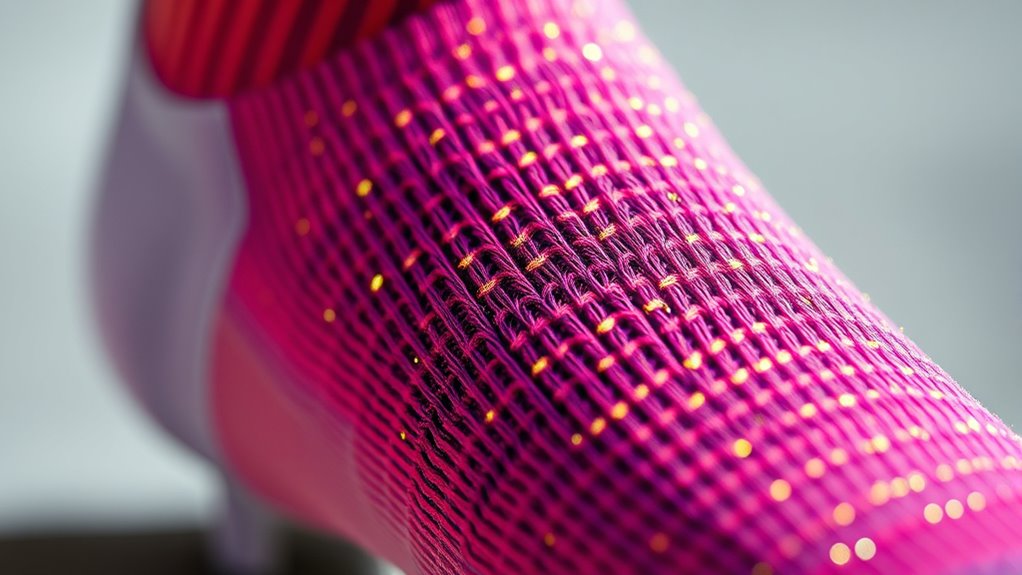
Antimicrobial fabrics for sportswear and socks leverage nanotechnology to provide long-lasting protection against bacteria and odors. You stay fresher and more comfortable during workouts because nanoscale silver and copper particles are embedded into the textiles, actively fighting microbes. These nanomaterials resist odor-causing bacteria and reduce the need for frequent washing. To help you visualize, here’s a quick overview:
| Fabric Type | Nanomaterial Used | Benefits |
|---|---|---|
| Sportswear | Silver nanoparticles | Anti-odor, antimicrobial |
| Socks | Copper nanoparticles | Long-lasting freshness |
| Athletic gear | Nanosilver coatings | Reduced bacteria growth |
This advanced technology guarantees your gear stays cleaner and fresher, improving hygiene and performance naturally.
Self-Cleaning Glass and Anti-Fog Surfaces

Nanotechnology has revolutionized the way we keep surfaces clean and clear, especially in everyday environments. You can now enjoy windows, windshields, and mirrors that stay spotless and fog-free thanks to nanotech coatings. These surfaces leverage photocatalytic or superhydrophilic effects, breaking down dirt and preventing moisture buildup. This means less cleaning and clearer visibility in rainy or humid conditions.
Nanotech coatings keep windows and mirrors spotless and fog-free longer, reducing cleaning and enhancing visibility.
- Self-cleaning glass uses nanostructures to repel dirt, water, and oil.
- Anti-fog surfaces prevent condensation by dispersing water evenly.
- Photocatalytic coatings break down organic pollutants under light exposure.
- Durable nanolayers resist scratching and staining over time.
With these innovations, your glass surfaces stay pristine longer, reducing maintenance and improving safety in daily life.
Water Purification With Nanoscale Filtration and Toxins Removal
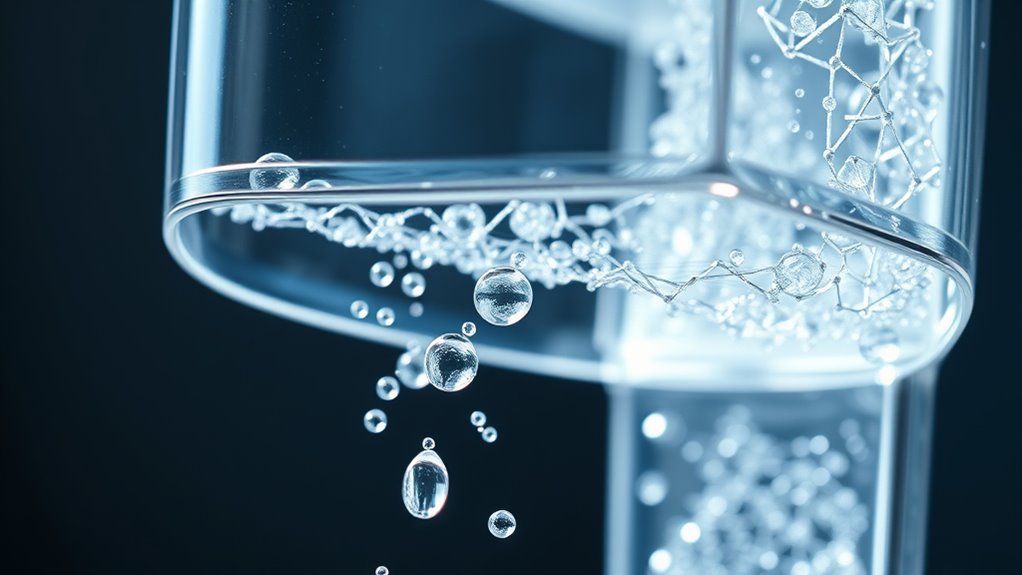
Nanoscale filtration methods now remove contaminants more effectively than traditional systems, targeting pathogens, heavy metals, and micropollutants with greater precision. Sunlight-driven photocatalytic nanomaterials, like TiO₂, break down organic toxins on contact, offering sustainable water treatment solutions. These innovations markedly improve water quality while reducing reliance on chemicals and energy-intensive processes.
Enhanced Contaminant Removal
Water purification has advanced considerably through the use of nanotechnology-enabled filtration and toxin removal methods. With nanoscale materials, you can remove contaminants more efficiently and at lower doses. For example, nanosorbents with high surface areas rapidly capture heavy metals like arsenic and lead, making water safer. Nanofiltration membranes provide finer separation, removing pathogens, micropollutants, and toxins that traditional filters miss. Photocatalytic nanomaterials, such as TiO₂, break down organic pollutants under sunlight, reducing chemical use. Embedded nanosensors continuously monitor water quality, offering real-time data to improve remediation. These innovations mean you get cleaner, safer water faster and more reliably.
- High surface area nanosorbents target toxins efficiently
- Nanoscale membranes enhance pathogen removal
- Photocatalysts degrade organic pollutants naturally
- Sensors enable real-time contamination detection
Sunlight-Driven Degradation
Photocatalytic nanomaterials like titanium dioxide (TiO₂) harness sunlight to break down organic pollutants in water, offering a sustainable approach to purification. When exposed to sunlight, TiO₂ generates reactive oxygen species that oxidize contaminants, transforming harmful substances into harmless compounds like water and carbon dioxide. This process enables effective degradation of dyes, pesticides, and pharmaceuticals without chemicals or extensive energy input. Nanoscale TiO₂ particles have high surface area, increasing their efficiency and speed. These nanomaterials can be integrated into water treatment systems, surfaces, or filters, providing continuous, passive purification under natural sunlight. Sunlight-driven degradation reduces reliance on chemicals, minimizes waste, and offers an eco-friendly solution for clean water access worldwide. This nanotechnology innovation advances water safety sustainably and cost-effectively.
High-Performance Energy Storage in Next-Gen Batteries
Next-generation batteries are pushing the boundaries of energy storage by incorporating nanotechnology to enhance performance, capacity, and durability. By manipulating materials at the nanoscale, you can achieve faster charge times, higher energy density, and longer cycle life. Nanostructured electrodes, like silicon or graphene, increase surface area, boosting capacity. Nanoscale coatings improve stability and prevent degradation, while advanced nanomaterials enable lightweight designs. Here’s how nanotech elevates batteries:
- Nanostructured electrodes for higher energy density
- Nanoscale coatings for enhanced lifespan
- Graphene and CNT additives for improved conductivity
- Advanced nanomaterials for faster charging and discharging
This innovation allows your devices to last longer, charge quicker, and perform more reliably. Nanotechnology is truly transforming how energy storage powers your world.
Food Packaging That Detects Spoilage and Extends Freshness

Imagine packaging that not only keeps your food fresh but also signals when it’s starting to spoil. Nanotechnology enables smart sensors that detect changes in food quality and alert you instantly. Additionally, nanocoatings on packaging help extend shelf life by controlling moisture and gas exchange.
Smart Spoilage Detection
Have you ever wondered how food packaging can tell you when your food is no longer fresh? Thanks to nanotechnology, smart packaging now detects spoilage in real-time. These advanced systems use nanosensors that monitor gases like ammonia and ethylene, signals of decay. They also track pH changes and microbial activity, providing instant feedback on freshness. Here’s how nanotech enhances spoilage detection:
- Incorporates nanosensors that respond to specific spoilage markers
- Changes color or displays signals indicating food quality
- Sends data to smartphones via tiny wireless nanodevices
- Extends shelf life by alerting you before food becomes unsafe
This innovative approach helps reduce waste, improves food safety, and keeps your meals fresher longer. Nanotechnology makes it possible to monitor food quality more accurately than ever before.
Extended Freshness Through Coatings
Nanotechnology-enabled coatings are revolutionizing food packaging by actively extending freshness and preventing spoilage. These advanced coatings create barriers against oxygen and moisture, slowing down spoilage processes. Some coatings incorporate nanosensors that detect gases or pathogens, signaling when food begins to spoil. Others release antimicrobial nanomaterials, like silver or zinc oxide, to inhibit bacterial growth. These innovations help keep food fresh longer and reduce waste.
| Coating Type | Function |
|---|---|
| Gas-Detecting Layers | Signal spoilage via color change or alerts |
| Antimicrobial Nanocoatings | Suppress bacteria and fungi growth |
| Moisture Barriers | Minimize moisture loss, extend shelf life |
| Nutrient-Encapsulating Films | Preserve flavors and nutrients, controlled release |
Frequently Asked Questions
How Do Nanotechnology-Based Cancer Treatments Target Tumor Cells Specifically?
You see, nanotechnology-based cancer treatments target tumor cells specifically by using nanoparticles designed to recognize cancer markers. These particles attach to the cancer cells and deliver drugs directly, minimizing damage to healthy tissue. You benefit from reduced side effects and improved effectiveness because the nanoparticles increase drug concentration at the tumor site while avoiding healthy cells, making treatment more precise and less invasive.
What Materials Are Used to Create Long-Lasting Antimicrobial Fabrics?
Like a shield that never wears down, antimicrobial fabrics use silver and copper nanoparticles. These tiny particles are embedded into textiles, releasing antimicrobial agents slowly over time. You’ll find them in socks, sportswear, and medical garments, keeping bacteria and odors at bay longer. Their durability comes from the nanomaterials’ high surface area, ensuring long-lasting protection while maintaining fabric softness and comfort.
How Do Nanoscale Biosensors Improve Early Disease Detection Accuracy?
Nanoscale biosensors improve early disease detection accuracy by identifying biomarkers at extremely low concentrations, often in the femtomolar to picomolar range. You benefit from their high sensitivity and specificity, which allow for earlier diagnosis before symptoms appear. These sensors deliver rapid results, enabling timely intervention. Their small size and advanced detection mechanisms also reduce false positives and negatives, ensuring more reliable and precise health assessments.
What Mechanisms Enable Self-Cleaning Surfaces on Glass and Windows?
Imagine your glass surfaces fighting dirt and grime like a guardian angel. Nanocoatings on glass use photocatalytic or superhydrophilic effects to create self-cleaning surfaces. When exposed to light, these nanomaterials break down organic dirt and water spreads evenly, washing away residues effortlessly. This powerful mechanism keeps your windows sparkling clean, reducing effort and chemicals, and giving you a clearer view of the world—clean, pure, and radiant.
How Do Nanofiltration Membranes Remove Contaminants More Effectively Than Traditional Filters?
Nanofiltration membranes remove contaminants more effectively by using nanoscale pores that trap pollutants smaller than traditional filters can, such as bacteria, viruses, and heavy metals. You benefit by getting cleaner water with fewer chemicals and lower energy use. These membranes also have a higher surface area, allowing for faster filtration and more precise removal of contaminants, making water safer and purer for everyday use.
Conclusion
You’ve just scratched the surface of what nanotechnology can do. From revolutionizing healthcare to making everyday products smarter and safer, it’s clear that the future is within reach. Don’t underestimate the power of tiny innovations—they often pack the biggest punch. As these advancements unfold, they’ll prove that sometimes, the best things really do come in small packages, turning once-impossible dreams into everyday realities.