
TL;DR

Get the latest gadgets delivered free — and shop member deals
- Fast, free delivery on millions of items
- Access to Prime Big Deal Days deals on October 6–7
- Prime Video, Amazon Music and more included
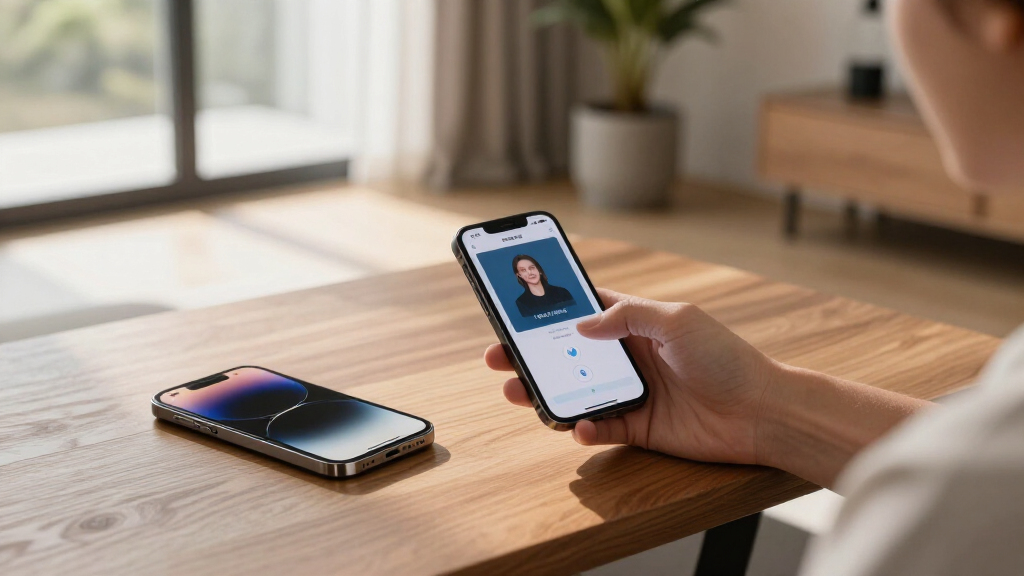
Apple’s upcoming iOS 27 update appears to introduce a new ‘Apple Reference Image’ feature for photo authentication. This development could enhance photo verification but raises privacy concerns. The feature is still in testing, with details to be confirmed.
Leaked code from the upcoming iOS 27 beta suggests Apple is developing a new ‘Apple Reference Image’ system for photo authentication. This feature, if implemented, could allow users to verify the authenticity of images, marking a significant shift in Apple’s approach to photo security and privacy.
The discovery was made by technology analysts reviewing the iOS 27 beta code, which references a feature called ‘Apple Reference Image’. According to the leaked documentation, this system would create a unique reference image for each user, stored securely on the device, to help verify whether photos have been altered or tampered with.
Apple has not officially announced this feature, and it remains in the testing phase. Experts suggest that the system could function by comparing new photos against the stored reference image to detect modifications, potentially aiding in combating misinformation and deepfakes. Privacy advocates, however, are raising questions about how the reference images are stored and used.
Implications for Photo Security and User Privacy
The introduction of a ‘Reference Image’ system could significantly enhance photo verification capabilities, helping users identify manipulated images and improving trust in digital media. For law enforcement and journalism, this could provide a new tool for verifying authentic images. However, privacy concerns arise around how reference images are stored and whether they could be misused or accessed without user consent.
This development signals Apple’s focus on integrating more robust security features into iOS, potentially setting new standards for photo authentication across mobile devices. The balance between security and privacy will be critical as the feature moves toward potential release.
As an affiliate, we earn on qualifying purchases.
iOS 27 and the Evolution of Photo Verification
Apple has historically prioritized user privacy, introducing features like end-to-end encryption and privacy labels. The leak of the ‘Apple Reference Image’ hints at a new direction—leveraging biometric or device-specific data to authenticate images. The feature appears to build on existing photo security measures, such as image metadata analysis, by adding a persistent reference stored locally on the device.
Similar concepts have been explored in other security applications, but Apple’s move indicates a broader push toward integrated, user-controlled verification tools. The leak coincides with ongoing industry debates about misinformation, deepfakes, and digital trust.
“We do not comment on unannounced features.”
— Apple spokesperson (unconfirmed)
image authentication security device
As an affiliate, we earn on qualifying purchases.
As an affiliate, we earn on qualifying purchases.
Unconfirmed Details and Privacy Safeguards
It is not yet clear how Apple plans to store or protect the reference images—whether they will be encrypted, stored locally, or synced across devices. The exact functionality, user control, and privacy safeguards remain unspecified. Additionally, the timeline for potential rollout has not been announced, and whether the feature will be available globally is uncertain.
privacy-focused photo verification tools
As an affiliate, we earn on qualifying purchases.
As an affiliate, we earn on qualifying purchases.
Monitoring iOS 27 Updates and Official Announcements
Apple is expected to continue beta testing of iOS 27, with more details about the ‘Apple Reference Image’ system likely to emerge through developer notes and public beta releases. Watch for official statements or updates during Apple’s upcoming developer conference or software release events. Further analysis will clarify how the feature integrates with existing security measures and user privacy controls.
As an affiliate, we earn on qualifying purchases.
Key Questions
What is the ‘Apple Reference Image’ feature?
The ‘Apple Reference Image’ appears to be a new photo authentication system that creates a unique, secure reference for each user to verify photo authenticity and detect tampering.
Will this feature affect my privacy?
Privacy implications are still unclear. It is unknown how reference images will be stored or protected, but Apple typically emphasizes local storage and encryption for sensitive data.
When will this feature be available?
There is no official timeline yet. The feature is in testing within the iOS 27 beta, with no confirmed release date.
Could this help combat misinformation?
Potentially, yes. By verifying whether images have been altered, it could assist users and organizations in identifying manipulated media.
Will this feature be available worldwide?
It is not yet confirmed whether the feature will be rolled out globally or limited to specific regions or devices.
Source: rss
Fall Picks
fall essentials
As an affiliate, we earn on qualifying purchases.