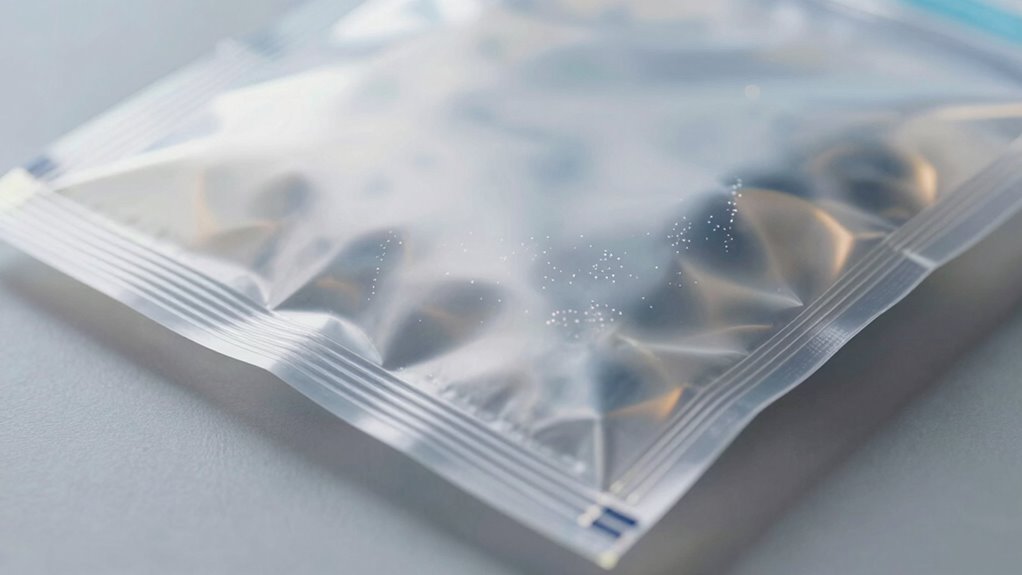
Nano-enabled packaging matters for your food’s stability because it strengthens barriers against oxygen, moisture, and light that cause spoilage. It can release antimicrobial agents to actively fight bacteria and fungi, keeping your food fresher longer. With smart sensors, you’ll get real-time updates on freshness, reducing waste and safeguarding your health. Plus, these solutions can be customized and more eco-friendly. If you want to discover how these innovations work, keep exploring the possibilities.
Key Takeaways
- Nanomaterials enhance barrier properties, reducing oxygen, moisture, and light exposure that cause food spoilage.
- Incorporation of antimicrobial agents from nanomaterials inhibits bacteria and fungi growth, extending shelf life.
- Nanosensors enable real-time spoilage detection, improving food safety and reducing waste.
- Tailored nanotech solutions provide specific preservation for delicate foods like fruits and seafood.
- Eco-friendly nanocomposites improve durability and preservation while supporting sustainability goals.
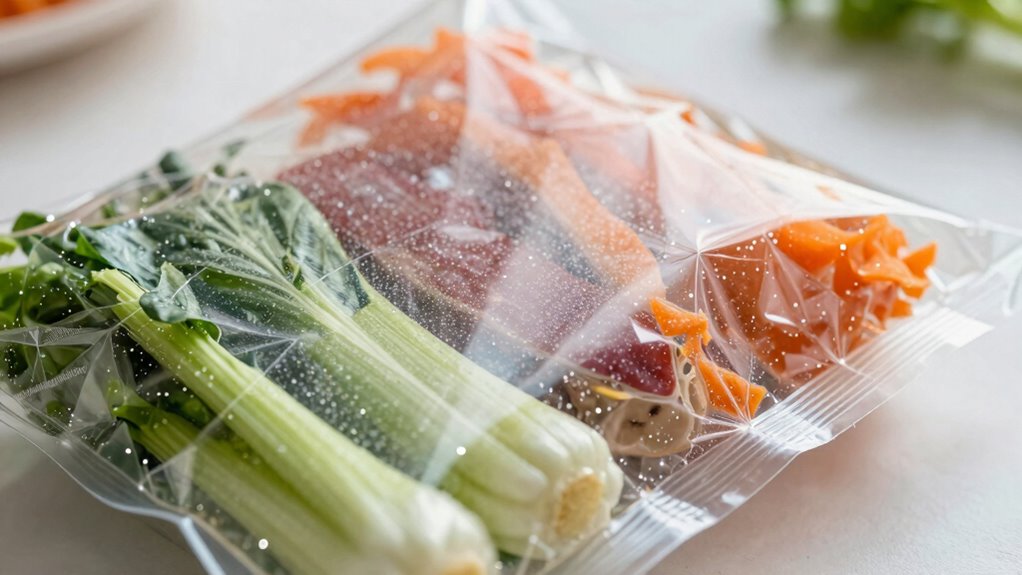
Have you ever wondered how food packaging can keep products fresher for longer? The answer lies in nanotechnology innovations that are transforming traditional food preservation techniques. These advancements involve manipulating materials at the nanoscale to create packaging that interacts more intelligently with food, helping to prevent spoilage, extend shelf life, and maintain quality. These innovative materials can also be engineered to respond to specific environmental triggers, further enhancing their effectiveness. Unlike conventional packaging, nano-enabled solutions offer new functionalities that can actively combat bacteria, control moisture, and even detect freshness levels.
Nanotechnology enhances food packaging by preventing spoilage, extending shelf life, and actively monitoring freshness.
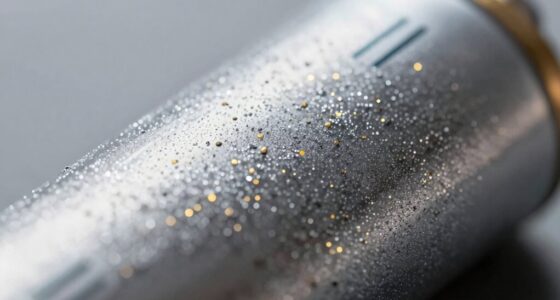
By incorporating nanomaterials into packaging, manufacturers can improve barrier properties against oxygen, moisture, and light—factors that accelerate food degradation. For example, nanocomposites made from nanoparticles like nanoclays or nanosilver are added to packaging films to create stronger, more effective barriers. These nanomaterials not only block the entry of gases and moisture but also release antimicrobial agents that inhibit the growth of bacteria and fungi. This approach enhances the efficacy of food preservation techniques, reducing the need for chemical preservatives and artificial additives. Additionally, nanoparticle incorporation can enhance the mechanical strength and flexibility of packaging materials, making them more durable and adaptable for various applications.
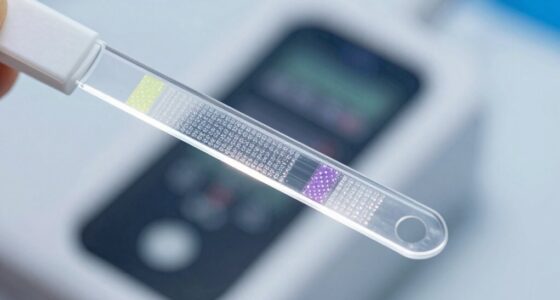
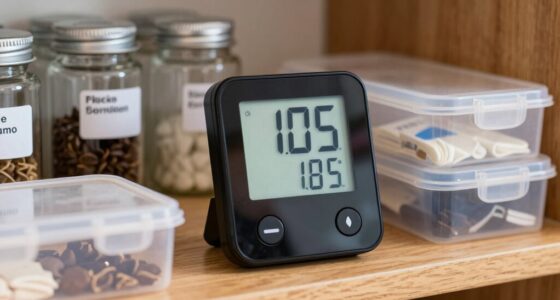
Nanotechnology also enables the development of smart packaging systems. These systems can include nanosensors that detect spoilage indicators such as pH changes, microbial activity, or gas emissions. When the food starts to deteriorate, the packaging can change color or send signals to alert consumers, ensuring they’re aware of freshness levels without opening the package. This real-time monitoring capability markedly reduces food waste and enhances safety, making entire supply chains more efficient and reliable. Nanotechnology innovations are also paving the way for more sustainable packaging solutions that align with environmental goals.
Furthermore, nano-enabled packaging can be tailored to specific food products, enhancing preservation based on their unique needs. For instance, delicate fruits or seafood benefit from packaging that maintains ideal humidity and inhibits microbial growth. The precision offered by nanotechnology allows for targeted solutions that traditional methods simply can’t match. These innovations also open doors for eco-friendly packaging materials, as nanomaterials can often be incorporated into biodegradable matrices, reducing environmental impact. Incorporating nanomaterials into packaging not only improves performance but also supports the development of environmentally sustainable options.

Nanotechnology for Food Security and Quality Assurance
As an affiliate, we earn on qualifying purchases.
As an affiliate, we earn on qualifying purchases.
Frequently Asked Questions
Are Nano-Enabled Packaging Materials Safe for Long-Term Food Consumption?
Nano-enabled packaging materials can be safe for long-term food consumption if they pass rigorous regulatory assessments and safety evaluations. However, you should be aware of regulatory challenges, as authorities are still developing standards for nanomaterials. Consumer perceptions also play a role; some might worry about potential health risks. Staying informed about scientific research and regulatory updates helps you make safer choices, trusting that proper safety measures are in place.
How Cost-Effective Is Nano-Enabled Packaging Compared to Traditional Methods?
You’ll find nano-enabled packaging can be quite cost-effective compared to traditional methods, primarily through cost savings and manufacturing efficiency. By incorporating nanomaterials, production processes become faster and more streamlined, reducing waste and energy use. Although initial investments might be higher, the long-term benefits, such as extended shelf life and reduced packaging material, help offset costs. Overall, these innovations offer a promising balance between performance and affordability.
Can Nano-Enabled Packaging Be Recycled or Is It Environmentally Friendly?
Nano-enabled packaging can be recyclable, but it presents recycling challenges due to its complex materials. The environmental impact depends on how effectively you can recycle it and the materials used. Some nano-packaging designs aim to be eco-friendly, but currently, recycling processes need to adapt to handle these advanced materials properly. It’s essential to improve recycling methods to minimize environmental impact and guarantee sustainability.
What Types of Nanoparticles Are Typically Used in Food Packaging?
You’ll typically find silver, titanium dioxide, zinc oxide, and silicon dioxide nanoparticles in food packaging. These nanoparticles enhance barrier properties and antimicrobial effects. However, nanoparticle toxicity and potential migration into food raise safety concerns, making regulatory challenges significant. As you consider using such packaging, it’s essential to stay informed about evolving regulations and safety assessments to guarantee consumer protection and environmental sustainability.
How Does Nano-Enabled Packaging Affect the Shelf Life of Different Food Products?
Nano-enabled packaging improves food shelf life by reducing nanoparticle diffusion, which minimizes contamination risks. It enhances packaging barrier properties, preventing moisture, oxygen, and microbial ingress. By strengthening these barriers, your food stays fresher longer, especially for perishable items like dairy or meat. The tightly controlled environment slows spoilage processes, ensuring your food remains safe and flavorful throughout its extended shelf life.

PETLIBRO Automatic Cat Feeder, 5G WiFi Automatic Dog Food Dispenser with Freshness Preservation, 5L Timed Pet Feeder with Low Food Sensor, Up to 10 Meals Per Day, Granary Black
- Wi-Fi Connectivity: Supports 5GHz and 2.4GHz Wi-Fi
- Meal Scheduling: Up to 10 meals per day
- Portion Control: 1/12 cup per portion
As an affiliate, we earn on qualifying purchases.
As an affiliate, we earn on qualifying purchases.
Conclusion
Imagine your favorite snack staying fresh and crunchy, just like the day you bought it, thanks to tiny nano particles acting like microscopic guardians. Nano-enabled packaging doesn’t just promise longer shelf life; it’s like giving your food a suit of armor that fights off spoilage and contamination. As research shows, these innovations could extend food freshness by up to 50%. Embracing nano-enabled packaging means you’re helping to keep food safer, fresher, and more sustainable for everyone.
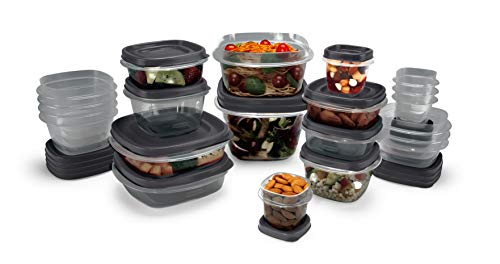
Rubbermaid EasyFindLids Food Storage Containers with SilverShield Antimicrobial Protection, 42-Piece Set, BPA-Free, Grey
- Antimicrobial SilverShield Protection: Resists odor-causing bacteria
- Built-in Antimicrobial Properties: Inhibits bacterial growth on surfaces
- Lid Organization System: Snap-on lids for easy storage
As an affiliate, we earn on qualifying purchases.
As an affiliate, we earn on qualifying purchases.

Functional Nanomaterials and Nanocomposites for Biodegradable Food Packaging (Smart Nanomaterials Technology)
As an affiliate, we earn on qualifying purchases.
As an affiliate, we earn on qualifying purchases.