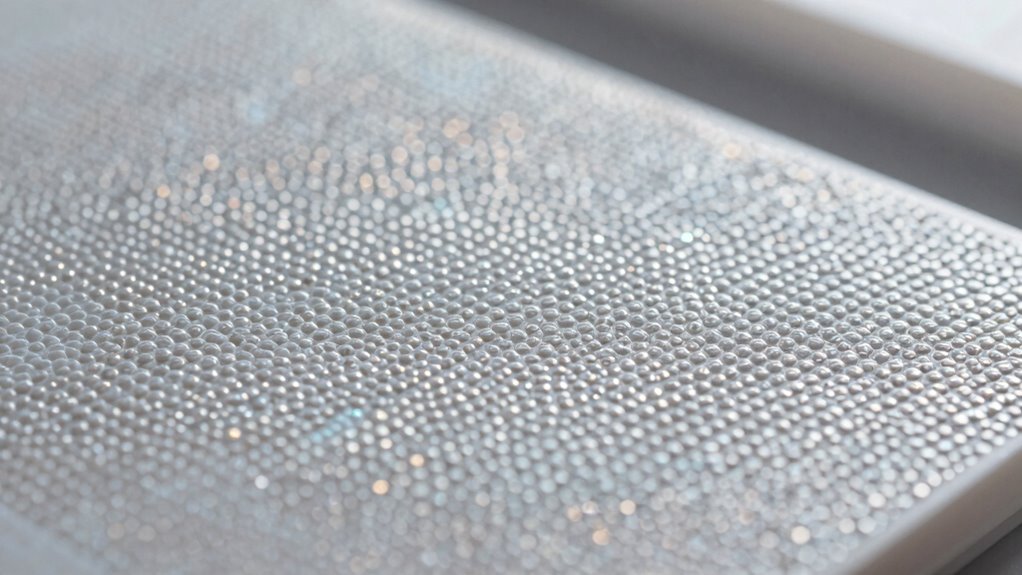

Nano surface modification is a powerful design tool because it gives you precise control over surface properties, allowing you to improve durability, wettability, and resistance to wear. It helps you create customized surfaces like hydrophobic or anti-corrosive ones, which can extend your material’s lifespan in tough environments. By optimizing interactions at the nanoscale, you can enhance performance and reduce maintenance costs. Keep exploring to discover how these techniques can transform your projects and solutions.
Open a free Amazon Business account
Business pricing, bulk buying and tax-exempt orders.
As an affiliate, we earn on qualifying purchases.
Key Takeaways
- Enhances interface strength, reducing peeling and cracking, thereby extending material lifespan in demanding environments.
- Enables precise customization of surface energy for specific functions like hydrophobicity or adhesion.
- Controls wettability and liquid interactions to improve cleaning, maintenance, and performance.
- Supports industry needs for safer, more durable, and cost-efficient coatings and materials.
- Utilizes advanced analysis and nano techniques for optimized, targeted surface modifications.
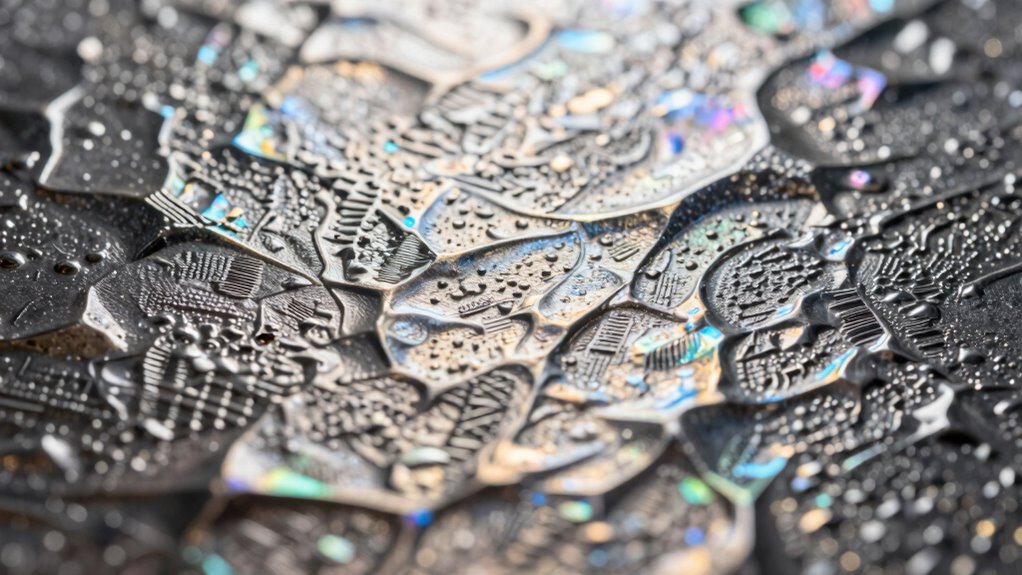
Nanotechnology has revolutionized how we approach surface engineering, making nano surface modification a powerful tool in material design. By manipulating surfaces at the nanoscale, you gain precise control over properties that considerably impact how materials perform in various applications. One of the key benefits is the enhancement of coating durability. When you modify a surface at the nanoscale, you can create a more robust interface between the coating and the substrate, reducing issues like peeling, cracking, or wear over time. This means your materials can withstand harsher environments, extend their lifespan, and maintain their appearance and functionality longer. Such improvements are critical in industries like aerospace, automotive, and electronics, where durability directly affects safety, performance, and cost-efficiency. Additionally, nano surface modification allows for the customization of surface characteristics to meet specific performance criteria. In addition to durability, nano surface modification allows you to tailor surface energy to your specific needs. Surface energy influences how liquids spread or bead on a surface, affecting adhesion, wettability, and cleaning properties. By adjusting surface energy at the nanoscale, you can make surfaces more hydrophobic or hydrophilic, depending on your goals. For example, creating a hydrophobic surface can lead to water-repellent coatings that resist dirt and grime, reducing maintenance costs and improving hygiene. Conversely, increasing surface energy can enhance the adhesion of paints or adhesives, ensuring stronger bonds and better coatings. This level of control enables you to design surfaces that perform best in their intended environments, whether that means resisting corrosion, preventing biofouling, or improving optical clarity. Moreover, understanding surface interactions at the nanoscale helps optimize these modifications for maximum effectiveness. Recognizing the importance of surface properties can further refine how nano modifications are applied for specific needs. Incorporating surface analysis techniques can provide deeper insights into the effects of nano surface modification, leading to even more precise and effective designs.
As an affiliate, we earn on qualifying purchases.
Frequently Asked Questions
How Does Nano Surface Modification Improve Material Durability?
Nano surface modification enhances material durability by improving surface adhesion, which creates a stronger bond between the coating and the substrate. This results in better resistance to wear, corrosion, and environmental damage. Additionally, it extends coating longevity by providing a protective layer that withstands harsh conditions. You’ll notice increased lifespan and performance, making your materials more reliable and cost-effective over time.
Are Nano Modifications Environmentally Sustainable?
Nano modifications act like a shield, but their environmental impact depends on how they’re made. If you opt for eco-friendly processes and renewable materials, these modifications become sustainable, reducing harm to the planet. By prioritizing green chemistry and minimizing waste, you guarantee your designs are not only innovative but also eco-conscious. This approach helps balance advanced material performance with environmental responsibility, making nano surface modifications a truly sustainable choice.
What Industries Benefit Most From Nano Surface Modifications?
You’ll find industries like aerospace, electronics, and healthcare benefit most from nano surface modifications. These enhancements improve surface energy, making surfaces more resistant to corrosion and wear. They also boost coating adhesion, ensuring durability and longevity. By optimizing these factors, nano modifications help industries develop lightweight, high-performance products, reduce maintenance costs, and create safer, more reliable solutions. This makes nano surface modification a crucial tool in cutting-edge industry advancements.
How Cost-Effective Is Implementing Nano Surface Modifications?
Cost considerations can seem complex, but nano surface modifications often prove cost-effective when you analyze long-term benefits. You’ll find that initial investment balances with durability, corrosion resistance, and performance enhancements. While implementation challenges like precise techniques and specialized equipment exist, a thorough cost analysis reveals savings through reduced maintenance and extended product life. Ultimately, adopting nano surface modifications can provide a smart, sustainable, and scalable solution for your industry needs.
Can Nano Surface Modifications Be Reversed or Repaired?
Nano surface modifications can often be reversed or repaired, depending on their surface permanency and the specific techniques used. You might use repair techniques like laser ablation or chemical treatments to restore the surface if damage occurs. However, some nano coatings are highly permanent and difficult to alter once applied. It’s essential to contemplate surface permanency when designing, so you know whether repairs are feasible or if reapplication is necessary.
hydrophobic nano coating for electronics
As an affiliate, we earn on qualifying purchases.
As an affiliate, we earn on qualifying purchases.
Conclusion
By harnessing nano surface modification, you open endless possibilities—improving performance, enhancing durability, and creating innovation. You shape surfaces that resist wear, repel liquids, and interact intelligently with their environment. You design smarter, stronger, and more sustainable solutions. Nano surface modification empowers you to push boundaries, challenge limits, and realize your boldest ideas. Ultimately, it’s your creativity and vision combined with this powerful tool that will transform the future—making what’s possible, inevitable.
anti-corrosive nano surface treatment
As an affiliate, we earn on qualifying purchases.
As an affiliate, we earn on qualifying purchases.
As an affiliate, we earn on qualifying purchases.
Fall Picks
fall essentials
As an affiliate, we earn on qualifying purchases.