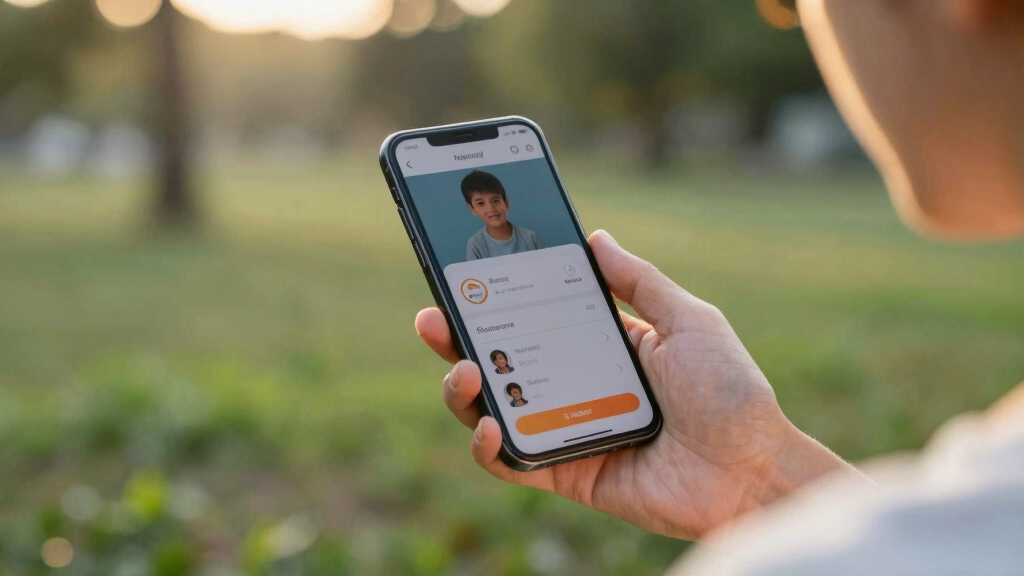

📊 Full opportunity report: Brazil: Pay the Family, Mind the Child on ThorstenMeyerAI.com — validation score, market gap, and execution plan.

Get the latest gadgets delivered free with Prime
- Fast, free delivery on millions of items
- Prime Video, Amazon Music and more included
- Member-only deals all year
TL;DR
Brazil’s government continues to support Bolsa Família, a conditional cash transfer program that pays poor families to keep children in school and health checkups. This approach aims to break the cycle of poverty across generations. The program remains influential and widely studied, though some limitations persist.
Brazil’s government has reaffirmed its commitment to Bolsa Família, a conditional cash transfer program that pays poor families on the condition that their children attend school and receive health checkups. This policy continues to play a central role in Brazil’s social strategy to combat intergenerational poverty and inequality, reaching approximately 46 million people nationwide.
Established in 2003 under President Lula, Bolsa Família consolidates earlier social aid schemes into a single program that provides monthly payments to low-income families, conditional on their children’s school attendance and health visits. The program has been credited with reducing poverty and inequality in Brazil, with studies estimating it contributed significantly to these declines over its first decade.
Recent reports confirm that Bolsa Família remains a cornerstone of Brazil’s social policy, reaching roughly a quarter of the population. It is now integrated with the Pix payment system, allowing instant transfers to families, including those in informal sectors. The program’s conditionality model is designed to promote long-term human capital development, aiming to break the cycle of poverty across generations.
While the program’s effectiveness is well-documented, critics note that Brazil’s overall inequality remains high, and some families struggle to meet the conditions, risking exclusion from benefits. The government continues to evaluate how to balance conditionality with accessibility, especially amid economic pressures and social challenges.
Pay the Family, Mind the Child
The conditional-cash-transfer pioneer: cash in exchange for human-capital investment. Relieve poverty now, break the cycle for the next generation — the model Brazil gave the world.
- a monthly cash transfer
- targeted via the CadÚnico registry
- delivered via Pix (instant, free)
- children enrolled & attending school
- vaccinations kept current
- regular health checkups
Independent commentary, produced with AI assistance under human editorial oversight. The views are the author’s own and may change. This is analysis, not policy, economic, investment, or legal advice. Descriptions of Bolsa Família and its conditionalities, the Cadastro Único, the BPC benefit, and Pix reflect publicly reported information as of mid-2026 and may change; figures are indicative and several are official or institutional estimates. This phase maps differing approaches and endorses none; characterizations of contested arrangements present competing views, not a verdict. Country, program, and company names are referenced for analysis and imply no affiliation.
Why Bolsa Família Still Matters in Brazil’s Poverty Fight
Bolsa Família remains a key tool in Brazil’s efforts to reduce poverty and inequality, demonstrating that targeted, conditional cash transfers can achieve meaningful social improvements. Its influence extends beyond Brazil, serving as a model for other countries developing similar programs. However, persistent inequality and conditionality challenges highlight that the program alone cannot fully transform Brazil’s social landscape, underscoring the need for complementary policies.
children's educational books for low-income families
As an affiliate, we earn on qualifying purchases.
As an affiliate, we earn on qualifying purchases.
Brazil pioneered conditional cash transfer programs with Bolsa Família in 2003, consolidating previous social aid schemes into a single, targeted initiative. It was inspired by Latin American models and became the most influential globally. The program’s design emphasizes conditionality—families receive payments only if children attend school and health checkups—aimed at fostering human capital development.
Over nearly two decades, Bolsa Família has been credited with reducing poverty and inequality, with estimates suggesting it contributed to a significant decline in extreme poverty. Its success prompted over 40 countries to adopt similar models. Brazil’s integration of the program with digital payment systems like Pix has modernized delivery, reaching even the most informal sectors.
Despite these achievements, Brazil remains one of the most unequal societies globally, with structural issues in income distribution, education, and health services persisting. The program’s limitations include potential exclusion of the most vulnerable families unable to meet conditions, raising ongoing debates about conditionality’s fairness and efficacy.
“Bolsa Família has been a transformative program, significantly reducing poverty, but it is not a silver bullet for inequality.”
— Brazilian Social Policy Expert
As an affiliate, we earn on qualifying purchases.
Unresolved Challenges in Program Implementation
It is not yet clear how the government will address potential exclusions caused by strict conditionality, especially for families facing barriers to school attendance and healthcare access. The long-term impact of integrating Bolsa Família with digital payment systems like Pix remains to be fully evaluated, particularly regarding reach and effectiveness among the most vulnerable populations.
As an affiliate, we earn on qualifying purchases.
The government is expected to review and potentially adapt the conditionality criteria to improve inclusivity. Ongoing evaluations will assess the program’s impact on poverty reduction and social mobility, with possible reforms aimed at balancing conditionality with accessibility. Further expansion of digital payment infrastructure and targeted outreach could enhance program reach and effectiveness.
As an affiliate, we earn on qualifying purchases.
Key Questions
How does Bolsa Família work?
Families receive monthly payments conditional on their children attending school and health checkups. The program uses a registry called Cadastro Único to target eligible families and now delivers payments via the Pix digital system.
Has Bolsa Família reduced poverty in Brazil?
Yes, studies credit the program with significant reductions in poverty and inequality during its first decade, although Brazil remains highly unequal overall.
What are the main challenges facing the program?
Challenges include potential exclusion of the most vulnerable families unable to meet conditions, and the need to adapt conditionality to changing social and economic realities.
Will the program expand or change?
The government is expected to review eligibility and conditionality criteria, with ongoing assessments to improve inclusivity and impact.
How is technology integrated into Bolsa Família?
The program now uses Pix for instant payments, reaching even informal and unbanked families, streamlining delivery and reducing delays.
Source: ThorstenMeyerAI.com
Halloween Picks
halloween
As an affiliate, we earn on qualifying purchases.