
TL;DR

Get the latest gadgets delivered free with Prime
- Fast, free delivery on millions of items
- Prime Video, Amazon Music and more included
- Member-only deals all year
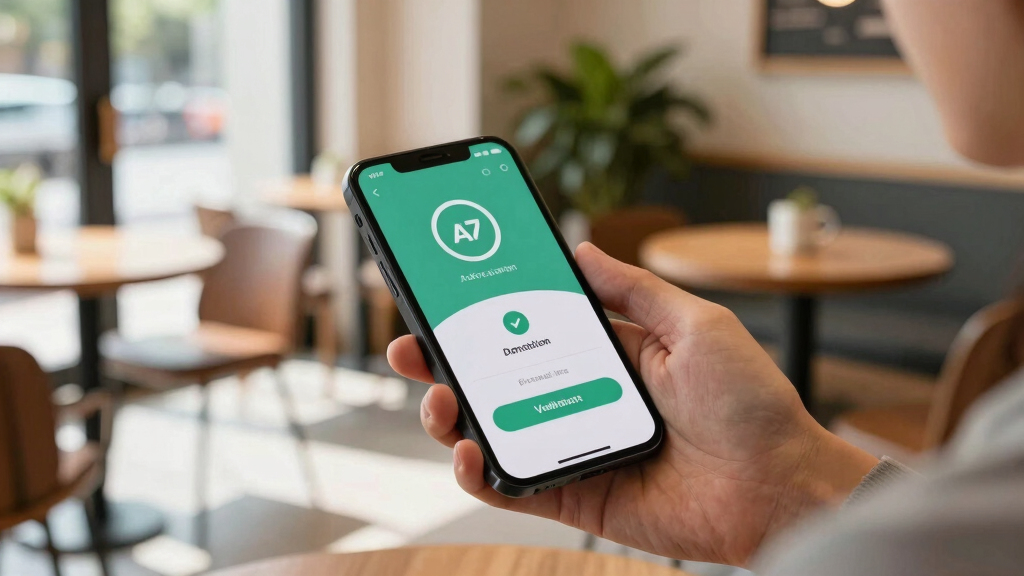
A European-developed age verification app now requires users to access via Android or iOS devices. The app is designed to restrict underage access but has sparked debate over platform dependence and privacy. Details about broader implementation remain unclear.
A European age verification application has been launched that exclusively functions on Android and iOS devices, effectively restricting access for users on other platforms. This move, confirmed by officials involved in the project, aims to control access to online content for minors but has raised questions about platform dependency and user privacy. The app is now in initial rollout phases across several European countries.
The app, developed by a consortium of European digital safety agencies, is designed to verify users’ age before granting access to certain online services, including social media, gaming, and streaming platforms. According to official sources, the app requires users to authenticate their identity through government-issued IDs or biometric verification, with data processed via the app’s servers.
However, the app is only available on Android and iOS devices. It is not accessible on other operating systems such as Windows, Linux, or web browsers, which has prompted criticism from privacy advocates and smaller tech companies. The European Digital Safety Agency states that the restriction is intended to ensure robust security and ease of use, but critics argue it creates platform monopolies and limits user choice.
Implications for User Privacy and Platform Accessibility
This development matters because it highlights a shift toward platform-specific digital safety tools in Europe, potentially setting a precedent for future regulation. The restriction to Android and iOS could limit access for users on alternative devices, raising concerns over digital inclusivity. Additionally, privacy advocates worry about how biometric and ID data are handled, given the lack of transparency about data storage and sharing practices.
Moreover, the move raises questions about the balance between protecting minors online and maintaining open, competitive digital markets. If the app becomes widespread, it could reinforce the dominance of major mobile platforms and marginalize smaller or alternative operating systems, impacting consumer choice and privacy protections.
biometric age verification app for iOS
As an affiliate, we earn on qualifying purchases.
As an affiliate, we earn on qualifying purchases.
European Digital Safety Initiatives and Platform Restrictions
In recent years, Europe has increased efforts to regulate online content and protect minors, including the introduction of age verification laws. The new app is part of this broader push, following the passage of legislation requiring online platforms to implement effective age checks. Previously, efforts focused on web-based solutions, but the current app represents a move toward dedicated mobile tools.
The restriction to Android and iOS aligns with the dominant mobile OS market share in Europe, where these platforms hold the majority of users. Critics note that this focus may exclude significant portions of the population, such as users of alternative devices or those in regions with limited smartphone access.
“The app’s design prioritizes security and ease of use, which is why it is limited to Android and iOS devices.”
— European Digital Safety Agency spokesperson
government ID verification app Android
As an affiliate, we earn on qualifying purchases.
As an affiliate, we earn on qualifying purchases.
Unclear Aspects of App Deployment and Data Use
It remains unclear how broadly the app will be adopted across Europe and whether other platforms will be supported in the future. Details about data privacy, storage, and sharing practices are not yet publicly available, raising concerns about user privacy and security. Additionally, the long-term regulatory implications are still evolving, with some experts questioning if this approach will be mandated nationwide or remain voluntary.
digital identity verification tools
As an affiliate, we earn on qualifying purchases.
As an affiliate, we earn on qualifying purchases.
Next Steps for Implementation and Policy Clarification
Officials plan to expand the app’s deployment in the coming months, with further integration into online service providers. Regulatory agencies are expected to clarify data privacy policies and potentially introduce legislation to address platform restrictions. Stakeholders, including privacy groups and tech companies, are expected to push for more transparency and possibly advocate for alternative solutions that do not limit access based on device type.
As an affiliate, we earn on qualifying purchases.
Key Questions
Why is the age verification app only available on Android and iOS?
Officially, the app’s developers cite security and usability as reasons for limiting support to these platforms, which dominate the mobile OS market in Europe. Critics argue it may also be a strategic move to reinforce platform control.
Could users on other devices access the service in the future?
It is currently unclear. Officials have not announced plans to support additional platforms, but future updates or legislation could change this.
What are the privacy concerns related to this app?
Privacy advocates are concerned about how biometric data and government ID information are stored, processed, and shared. Transparency about data handling practices remains limited.
Will this app be mandatory for all online services?
Regulators are still determining the scope of mandatory implementation. Some services may be required to integrate the app, but details are still developing.
Source: hn
Halloween Picks
halloween
As an affiliate, we earn on qualifying purchases.